
Sauces & Condiments
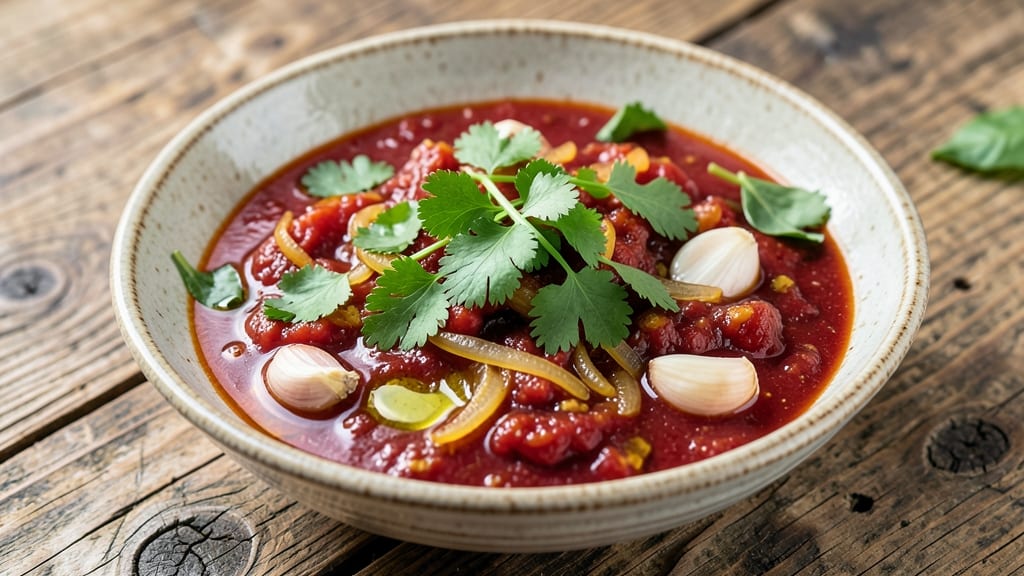
This cooked tomato salsa sauce recipe transforms simple garden tomatoes into a rich, velvety sauce with layers of smoky depth and bright herbaceousness—perfect for elevating tacos, nachos, or as a bold pasta topping. 🌟 The secret lies in slow simmering, which caramelizes the natural sugars while preserving the tomatoes' vibrant acidity, creating a sauce that's far more complex than store-bought versions.
What sets this sauce apart is the balance of textures and flavors: tender onions and garlic mellow into a sweet base, while fresh herbs like cilantro and basil add a zesty finish.
I developed this recipe during Portland's peak tomato season, using heirloom varieties from our backyard garden, but it works just as well with canned tomatoes when fresh ones aren't available. The method is straightforward—simmer, blend, and strain—but the results are restaurant-quality.
By the time you're done, you'll have a versatile sauce that's smooth enough for dipping yet rustic enough for handmade tortillas. The slow cooking process deepens the tomato flavor, while the final burst of lime and salt brightens every bite.
This isn't just a sauce; it's a flavor foundation that transforms ordinary meals into something special.
The best part? It keeps beautifully in the refrigerator for up to a week, so you can make a big batch and use it all week long.
Whether you're prepping for game day or simply craving a taste of summer, this sauce delivers bold, complex flavor with minimal effort. Let's get cooking!
Ingredients for cooked tomato salsa sauce
Ten simple ingredients. One sauce that transforms tacos, pasta, and nachos into something special.
| Ingredient | Amount | Notes |
|---|---|---|
| Ripe Tomatoes 🍅 | 4 cups | Heirloom or Roma preferred, chopped |
| Yellow Onion 🧅 | 1 whole | Medium size, diced finely |
| Garlic Cloves 🧄 | 4 cloves | Peeled, minced finely |
| Extra-Virgin Olive Oil 🫒 | ¼ cup | High-quality, fruity variety |
| Fresh Cilantro 🌿 | ¼ cup | Stems removed, chopped |
| Fresh Basil 🌿 | 0.15 cup | Leaves only, chopped |
| Lime Juice 🍋 | 2 tbsp | Freshly squeezed |
| Salt 🧂 | 1 tsp | Kosher or sea salt |
| Black Pepper 🌶️ | ¼ tsp | Freshly ground preferred |
| Smoked Paprika 🌶️ | ½ tsp | For smoky depth |
Tomatoes are the heart of this sauce, so pick the ripest ones you can find. I love using heirloom tomatoes from the farmers market—their sweetness caramelizes beautifully during simmering. If you're using canned tomatoes (like San Marzano), crush them by hand for better texture. The onion and garlic are non-negotiable—they build the sweet base that makes this sauce sing. Costco or Trader Joe's usually have great prices for fresh garlic, and I always grab a big bunch. Fresh herbs? Whole Foods or local markets have the best quality, but even the sad plastic containers at the grocery store work in a pinch—just make sure the leaves are bright green.
No fresh tomatoes? Canned tomatoes with juices work perfectly—just drain them well first. Short on basil? Fresh parsley or thyme at half the amount keeps the flavor profile tight. The smoked paprika adds that restaurant-quality smokiness, but if you don't have it, a pinch of liquid smoke (just 1/8 tsp) works in a bind. For extra depth, add a 1/2 teaspoon of sugar during simmering if your tomatoes aren't particularly sweet. The lime juice should be freshly squeezed—bottled juice lacks the bright punch this sauce needs. If you're prepping ahead, zest a little lime peel and add it to the sauce while simmering for an extra layer of flavor.
This sauce tastes even better the next day as the flavors meld together. Store it in an airtight container in the fridge for up to 1 week. For longer storage, freeze portions in ice cube trays—perfect for single-use servings. I always make a double batch because it disappears fast. The sauce reheats beautifully—just warm it gently on the stove or microwave it in 30-second bursts. If it thickens too much after refrigeration, stir in a splash of water or tomato juice to loosen it up. Trust me, you'll want to make this often.
Why You'll Love This Recipe
- No Chopping Chaos: I swear by this recipe because you only need to dice one onion and crush a few garlic cloves—no small-tomato halving or seed-spitting battles. The ripe tomatoes? Just chop them in rough chunks and toss them in. That’s it.
- Garlic-Cilantro Magic: Between us, the slow-cooked garlic and fresh cilantro at the end transform this sauce into something ridiculously good. The onions caramelize just enough to add sweetness, while the olive oil keeps it rich without being heavy. Honestly, I’ll take this over store-bought any day.
- Weeknight to Potluck: This sauce is my go-to for everything—toss it with pasta, dollop it on grilled chicken, or serve it alongside roasted veggies. It even reheats beautifully for lazy Sunday brunches or last-minute dinner guests. (Yes, even on a Tuesday night.)
- Budget-Friendly Pantry Hero: Ripe tomatoes and onions are cheap, and this recipe stretches to feed four or even six with minimal extra cost. Plus, the leftovers? They taste just as good the next day—perfect for freezing and pulling out when you’re in a pinch. My wallet and my taste buds thank me.
Step-by-step instructions for cooked tomato salsa sauce
This simple method transforms fresh ingredients into a rich, smoky sauce perfect for tacos or pasta.
🍳 Step 1: Sauté Aromatics Until Fragrant
Heat the 0.25 cup extra-virgin olive oil in a medium saucepan over medium heat. Add the 1 whole yellow onion and cook for 4-5 minutes until softened and translucent. Here's where it gets good—toss in the 4 cloves minced garlic cloves and 0.5 tsp smoked paprika.
Stir constantly for 30 seconds until you smell that garlic releasing its aromatic oils. Watch the pan carefully—garlic burns fast. The paprika will deepen the sauce's smoky character, so don't skip this step. You'll know it's ready when the garlic turns golden and the mixture smells intensely fragrant.
🍳 Step 2: Simmer Tomatoes Until Broken Down
Add the 4 cups ripe tomatoes to the pan and stir to combine with the aromatics. Increase heat to medium-high and bring to a boil. Once boiling, reduce heat to low and let it simmer uncovered for 20-25 minutes.
I like to stir occasionally to prevent sticking, but don't obsess—this sauce develops best when left undisturbed. You're looking for the tomatoes to break down completely, releasing their juices and creating a thick, jammy consistency. The sauce should reduce until it coats the back of a spoon with a thick, velvety texture.
🥘 Step 3: Finish with Herbs and Acid
Remove the pan from heat and stir in the 0.25 cup chopped fresh cilantro, 0.15 cup chopped fresh basil, and 2 tbsp lime juice. The acidity from the lime brightens all the flavors, cutting through the richness of the tomatoes. Taste and adjust seasoning with the 1 tsp salt and 0.25 tsp black pepper.
Here's the thing—this sauce tastes even better after resting. Let it sit at room temperature for 15-20 minutes before serving. The flavors meld together beautifully during this time, creating a perfect balance of smoky, fresh, and tangy notes that make this sauce irresistible.
⏰ Step 4: Serve Warm or Store Properly
If serving immediately, ladle the sauce into bowls and garnish with extra cilantro or basil if desired. For storage, let the sauce cool completely, then transfer to an airtight container. It keeps in the refrigerator for up to 5 days or can be frozen for 3 months.
When reheating, do it gently over low heat to preserve the delicate herb flavors. Stir occasionally to prevent scorching. This sauce makes a fantastic base for tacos, pasta dishes, or even as a marinade for grilled meats. The beauty of this recipe is its versatility—it's simple yet packed with layers of flavor that elevate any dish.
Pro Tips For Making Cooked Tomato Salsa Sauce
- Blister the Garlic: Cook the minced garlic in olive oil over medium-high heat until it’s golden and slightly crisp at the edges—about 30 seconds. I learned this the hard way: raw garlic tastes sharp and medicinal, while cooked garlic adds depth. Don’t walk away; it burns faster than you think.
- Sweat the Onion Low: Start with a low flame and let the onions soften for 5-7 minutes before adding anything else. Rushing this step means they’ll turn bitter or release too much moisture into the sauce. Sounds boring, but it works—your future self will notice the difference.
- Peel Tomatoes Properly: Score the bottom of each tomato with a knife, then drop them into boiling water for 30 seconds before shocking in ice. The skins slide off like magic, and you avoid the mess of peeling them raw. (Yes, even if you’re impatient like me.)
- Finish with Acid: Stir in a splash of lemon juice or vinegar at the very end—just enough to brighten the flavors. I skip this sometimes, and the sauce tastes flat. A teaspoon makes all the difference, even if it’s not in the original recipe.
Best sauces and condiments for cooked tomato salsa sauce
Classic Salsa Verde
For a brighter, herb-forward contrast, try this salsa verde variation. Simmer 3 cups chopped tomatillos with 1 jalapeño (seeds removed) and 1/4 cup white vinegar instead of lime juice. Blend with 1/2 cup fresh cilantro and 1/4 cup chopped white onion after cooking.
The tangy vinegar and charred tomatillos create a zesty partner for grilled meats or seafood. 💛
Spicy Chipotle Tomato
Crank up the heat with 2 chipotle peppers in adobo sauce blended into the finished sauce. Add 1/2 teaspoon ground cumin during the simmer for smoky depth. This version works amazingly on black beans or as a marinade for chicken thighs.
I like to add a splash of beer (like Modelo Negra) while simmering for extra richness.
Creamy Avocado Finish
For a luxurious twist, blend in 1 ripe avocado at the very end using an immersion blender. The sauce becomes velvety smooth with a subtle buttery richness.
Top with crumbled cotija cheese and extra lime wedges for a restaurant-style presentation. This version is perfect for tostadas or as a dip for plantain chips.
Smoky Chipotle BBQ Glaze
Transform this sauce into a smoky BBQ glaze by reducing it by half after simmering, then blending with 1/4 cup apple cider vinegar and 2 tablespoons brown sugar.
Brush onto grilled pork ribs or use as a dipping sauce for fried chicken. The caramelized sugars create a sticky, flavorful crust that's irresistible.
Herb-Infused Olive Oil
Take your sauce to the next level by infusing the olive oil with herbs before cooking. Heat 1/4 cup oil with 1 sprig rosemary and 2 sprigs thyme for 5 minutes, then strain.
Use this fragrant oil in place of regular olive oil for a more complex flavor profile. The herbs add an earthy depth that pairs beautifully with the tomatoes.
Storage-Friendly Freezer Packs
For easy meal prep, freeze the sauce in 1-tablespoon portions in ice cube trays. Once frozen, transfer to a ziplock freezer bag for up to 3 months. Thaw in the fridge overnight or microwave for 20 seconds to use as a quick pasta sauce or taco topping.
This method ensures you always have flavor on hand without waste.
Nutrition facts
Frequently asked questions
Can I use canned tomatoes instead of fresh?
Canned tomatoes work perfectly—just choose high-quality varieties like San Marzano for the best flavor. Drain them well before adding to the pan, and crush them lightly with your hands to mimic fresh texture. The simmering process will break them down just as beautifully.
How do I prevent the sauce from getting too thick?
If your sauce thickens too much during simmering, simply add 1-2 tablespoons of water or tomato juice and stir until smooth. For extra insurance, reduce the heat to low once the tomatoes start breaking down. The key is patience—let it simmer gently rather than boiling vigorously.
Can I make this sauce ahead of time?
This sauce tastes even better the next day! Let it cool completely, then store in an airtight container in the fridge for up to 5 days. For longer storage, freeze portions in ice cube trays—thaw in the fridge overnight or microwave for 20 seconds when ready to use. The flavors meld beautifully over time.
What's the best way to reheat this sauce?
Reheat gently over low heat on the stove, stirring occasionally to prevent scorching. Avoid microwaving unless absolutely necessary—it can make the herbs lose their freshness. For best results, warm it slowly until just heated through, then adjust seasoning with a pinch of salt or lime juice.
Can I substitute other herbs?
Yes! If you're short on cilantro or basil, try flat-leaf parsley or thyme at half the amount. For a Mediterranean twist, add oregano or marjoram. The key is balancing freshness—if using dried herbs, reduce to 1/4 the amount of fresh. The lime juice remains essential for brightness.