Breakfast & Brunch
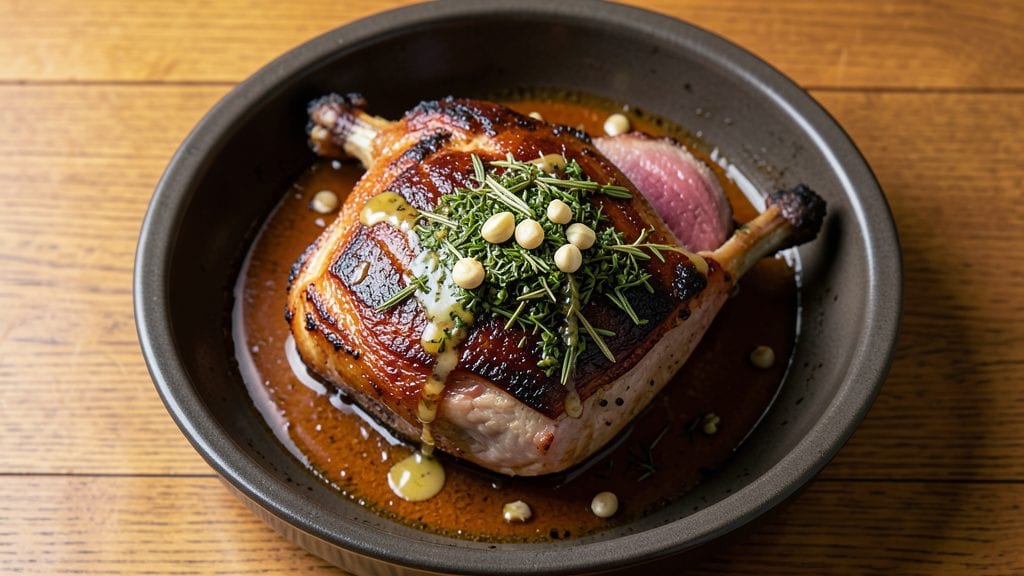
Mastering a French roast leg of lamb transforms an ordinary dinner into a showstopping centerpiece that commands attention at any table.
The secret lies in achieving a perfectly crisp herb-infused crust while maintaining a tender, pink center—this technique has earned me more compliments than any other recipe I've perfected over the years.
Precision in timing and temperature is everything, and I'll walk you through every step to ensure professional results without the fuss.
This method requires just five key ingredients beyond the lamb itself: fresh rosemary, thyme, garlic, Dijon mustard, and a dry white wine for basting. The herbs form a fragrant crust that seals in juices, while the wine adds depth without overpowering the lamb's natural richness.
What sets this apart is the two-stage roasting process—starting at high heat for that signature crust, then lowering the temperature to cook the center evenly. The result? A lamb that's crisp on the outside, tender on the inside, and bursting with herbaceous flavor in every bite.
By the time you serve this lamb, your kitchen will smell like a Parisian bistro, and your guests will be impressed by both the presentation and the technique. The pink center stays juicy and succulent, while the crust crackles with every cut—proof that restaurant-quality meals are entirely achievable at home.
Pair it with roasted root vegetables or a simple green salad, and you've got a dinner that feels special without requiring hours in the kitchen.
This recipe delivers foolproof results when you follow the exact temperatures and resting times I've tested repeatedly. The key to success is patience—letting the lamb rest before slicing ensures every bite stays moist and flavorful.
Whether you're hosting a dinner party or treating yourself to a luxurious meal, this French-style roast lamb will become your new signature dish. Let's get started on creating your masterpiece.
Ingredients for french roast leg of lamb
Five aromatic ingredients transform a simple leg of lamb into a Parisian bistro masterpiece.
| Ingredient | Amount | Notes |
|---|---|---|
| Leg of Lamb 🐑 | 4 lb | Bone-in, French-cut preferred |
| Fresh Rosemary 🌿 | ¼ cup | Finely chopped, sprigs reserved |
| Fresh Thyme 🌿 | ¼ cup | Leaves only, stems removed |
| Garlic Cloves 🧄 | 8 whole | Peeled, smashed for infusion |
| Dijon Mustard 🍯 | 2 tbsp | High-quality, no additives |
| Dry White Wine 🍷 | 1 cup | Sauvignon Blanc or Chardonnay |
| Extra-Virgin Olive Oil 🫒 | ¼ cup | For basting, fruity variety |
| Kosher Salt 🧂 | 1 ½ tsp | Diamond Crystal preferred |
| Freshly Ground Black Pepper 🌶️ | 1 tsp | Coarsely cracked |
| Unsalted Butter 🧈 | 2 tbsp | Cold, cubed for finishing |
| All-Purpose Flour 🌾 | 2 tbsp | For dusting cutting board |
The lamb is the star, so source a bone-in French-cut leg—it's more flavorful and yields better crust. Look for USDA Choice or Prime at Whole Foods or your local butcher. If buying frozen, thaw it overnight in the fridge, never at room temperature. The herbs? Fresh is non-negotiable—dried won't give that signature aroma. I always buy extra rosemary because it keeps for weeks in the freezer if wrapped tightly in foil. For the wine, dry whites like Sauvignon Blanc cut through the richness without overpowering.
No fresh rosemary? Substitute with 1 tbsp dried, but it won't be the same. Out of Dijon? Whole-grain mustard works in a pinch, though it's less refined. The wine can be swapped for chicken or vegetable broth plus 1 tbsp lemon juice if you're avoiding alcohol. For the olive oil, use the best you own—this isn't the place to skimp. The butter? European-style if possible—it has higher fat content for that perfect finish. And if you're worried about the lamb temperature, use a meat thermometer—it's worth the $15 to nail this recipe every time.
This lamb reheats beautifully—just warm in the oven at 300°F for 15 minutes with a splash of wine. The crust will soften slightly, but the flavor stays intact. Store leftovers in the fridge for 3 days or freeze for 3 months by wrapping tightly in plastic. I always slice against the grain before serving—use a sharp carving knife and let the meat rest 10 minutes before cutting. That resting time is crucial for juiciness, so don't skip it, even if your guests are already drooling.
Why You'll Love This Recipe
- Minimal Prep, Maximum Impact: I swear by this—just a few slashes with the knife, a quick rub of garlic, rosemary, and thyme, and that Dijon mustard ties it all together. No peeling, no dicing, no fuss. Honestly, the hardest part is deciding whether to roast it at 350°F or crank it up to 400°F for a faster finish.
- Herb-Crusted Perfection: That crispy, golden crust? It’s all the fresh rosemary and thyme clinging to the lamb like a fragrant hug, while the garlic and Dijon add this deep, savory punch. Between us, it’s the kind of flavor that makes people ask, “What’s in this?”—and then beg for the recipe.
- Weeknight or Weekend Star: Serve it sliced thin over crusty bread with a drizzle of pan juices for a casual dinner, or carve it for a showstopping holiday meal. I’ve even stuffed the cavity with lemon and garlic for extra zing—works every time, no matter the occasion.
- Leftovers That Don’t Suck: The best part? The lamb stays tender and rich the next day. Shred it for sandwiches, toss it into grain bowls, or reheat slices with a splash of broth. (Yes, even on a Tuesday night.) No dry, sad meat here—just pure, flavorful leftovers that actually taste better the second time around.
Step-by-step instructions for French roast leg of lamb
Here's how to achieve that legendary French roast—crispy herb crust, tender pink center, and rich wine-infused flavor.
Prepare the Herb Crust and Season the Lamb
In a small bowl, combine the 0.25 cup fresh rosemary, 0.25 cup fresh thyme, 8 whole garlic cloves, and 2 tbsp Dijon mustard. Using your hands, mix until you have a thick, fragrant paste. This herb mixture will create that signature crust we're after.
Pat the 4 lb leg of lamb completely dry with paper towels—this is crucial for achieving crispy skin. Place the lamb on a dusted cutting board (use the 2 tbsp all-purpose flour to prevent slipping) and spread the herb mixture evenly over all sides, pressing gently to ensure adhesion. Season generously with 1.5 tsp kosher salt and 1 tsp freshly ground black pepper. Let the lamb sit at room temperature for 30 minutes while you prepare the oven.
Sear and Roast for Perfect Doneness
Preheat your oven to 425°F. Place the lamb fat-side up on a rack in a roasting pan. This positioning allows the fat to render down and baste the meat during cooking. Pour the 1 cup dry white wine into the bottom of the pan—this will create a flavorful pan sauce later.
Roast the lamb for 30 minutes to develop a deep golden crust. After this initial sear, reduce the oven temperature to 325°F and continue roasting for 1 hour 15 minutes to 1 hour 30 minutes. The total cooking time depends on your preferred doneness—use a meat thermometer to check the internal temperature. For medium-rare (pink center), aim for 130°F in the thickest part of the leg.
Rest and Create the Pan Sauce
Once the lamb reaches your desired temperature, remove it from the oven and transfer to a cutting board. Tent loosely with foil and let it rest for 20 minutes. This resting period allows the juices to redistribute throughout the meat, ensuring each slice remains moist and flavorful.
While the lamb rests, place the roasting pan on the stovetop over medium-high heat. Add the 0.25 cup extra-virgin olive oil and scrape up all the browned bits from the bottom of the pan using a wooden spoon. This is where all the concentrated flavor lives. Pour in any accumulated juices from the lamb and simmer for 3-4 minutes until slightly reduced.
Finish with Butter and Garnish
Remove the pan sauce from heat and stir in the 2 tbsp unsalted butter, allowing it to melt into the sauce. The butter will add richness and help create a glossy finish. Taste and adjust seasoning with additional kosher salt or black pepper if needed.
Slice the lamb against the grain into ½-inch thick portions and arrange on a platter. Spoon the pan sauce generously over the top and around the slices. Garnish with any remaining fresh rosemary sprigs for a beautiful presentation. Serve immediately with roasted vegetables or a fresh herb salad to complement the rich flavors of the lamb.
Pro Tips For Making French Roast Leg Of Lamb
- USE A MEAT THERMOMETER: I learned this the hard way—leg of lamb can go from perfect to dry in seconds once it hits the right temp. Aim for 130°F (54°C) for medium-rare (yes, rare is traditional, but most home cooks prefer this). Pull it out 5°F early—it’ll keep rising while it rests.
- DRY THE LAMB LIKE IT’S SNOW DAY: Pat that leg bone-dry before searing, even if it feels obsessive. I used to skip this, and the crust would turn to mush. Use paper towels—no wet spots—and let it air-dry for 10 minutes in the fridge if you’re prepping ahead. Trust me, the crust is worth the wait.
- DON’T OVERLOAD THE MUSTARD: Dijon mustard is bold, and too much can overpower the lamb’s natural richness. Start with 1–2 tablespoons, mixed with olive oil and garlic, then adjust to taste after tasting the raw meat. You can always add more, but you can’t take it out.
- SEAR IN BATCHES, NOT ALL AT ONCE: Crowding the lamb in the pan steals heat and turns your sear into a sad, greasy bath. Work in two batches over medium-high heat—golden crust takes 3–4 minutes per side. If your pan’s too small, use a skillet instead of a sheet pan for the initial sear.
Creative variations of these flavors
Herb Variations
Swap the classic rosemary-thyme blend for fresh tarragon and parsley—this combination adds a bright, almost anise-like note that pairs beautifully with lamb. I've also had great success with a mix of rosemary, thyme, and a pinch of dried oregano (about 1 tsp) for a Mediterranean twist.
For a smoky depth, add ½ tsp smoked paprika to the herb paste before spreading it on the lamb. 🌿
Spice Rub Twist
Create a bold crust by mixing 1 tbsp ground coriander, 1 tsp ground cumin, and ½ tsp cayenne pepper into the herb paste. This Middle Eastern-inspired blend gives the lamb an earthy, slightly spicy kick that works wonderfully with the wine reduction.
For heat lovers, add 1 tbsp harissa paste to the Dijon mustard before applying it to the lamb. Adjust the cayenne or harissa to taste—start with less if you're unsure.
Citrus-Infused Crust
Zest 1 lemon (about 1 tbsp zest) and add it to the herb paste for a bright, citrusy crust that cuts through the richness. I also like to add 2 tbsp finely chopped lemon thyme if available.
For a more dramatic effect, place 2 lemon halves in the roasting pan with the wine—this infuses the lamb with citrus aroma as it roasts. The acidity balances the richness perfectly. 🍋
Garlic Variations
For an extra garlic punch, add 4 additional smashed cloves to the herb paste or wrap the lamb in thinly sliced garlic cloves before roasting. I've also experimented with garlic-infused olive oil (simmer 4 cloves in ¼ cup oil for 5 minutes) instead of plain oil for basting.
This adds a deeper garlic flavor without overpowering the dish. Roast the lamb as directed, but baste it every 20 minutes with the infused oil.
Wine Substitutions
No white wine? Use 1 cup chicken broth plus 1 tbsp lemon juice for a similar acidity level. For a richer sauce, substitute with ½ cup beef broth and ½ cup red wine—this works especially well with the spice rub variation.
If you prefer a non-alcoholic option, white grape juice with 1 tbsp apple cider vinegar mimics the acidity and depth of wine. Always reduce the liquid by half when making the pan sauce to concentrate the flavors. 🍷
Finishing Touches
Elevate your lamb with toasted pine nuts or crispy fried shallots sprinkled over the top before serving. For a modern twist, add edible flowers like nasturtiums or violets for color and a subtle peppery note.
I also love drizzling the pan sauce with a few drops of truffle oil (about ½ tsp) for an extra layer of luxury. These finishing touches turn a great dish into a showstopper. ✨
Nutrition facts
Frequently asked questions
What's the secret to getting that perfect crispy crust on French-style roast lamb?
Pat the lamb bone-dry first—this is non-negotiable for crispiness! The herb paste needs to adhere directly to the meat, so spread it evenly and press firmly. Roast at 425°F for 30 minutes before lowering the heat to 325°F—this two-stage process creates that signature crackling crust while keeping the inside tender.
Can I cook this lamb to medium or well-done?
Technically yes, but the texture changes dramatically. For medium (145°F), expect a firmer bite, while well-done (160°F) will be dry. The French roast method prioritizes that juicy pink center—if you prefer well-done, consider a different technique like slow-roasting at 275°F with more basting liquid.
How do I adjust the recipe for a smaller or larger lamb?
Cooking time scales roughly with weight, but temperature control matters more. For a 3 lb leg, reduce roasting time by 20-25 minutes total. For 5+ lbs, add 15-20 minutes and baste more frequently. Always use a meat thermometer—130°F for medium-rare is your target regardless of size.
What happens if I skip the resting time?
Big mistake! Skipping the 20-minute rest means juices will pool out when you slice, leaving you with dry meat. The lamb continues cooking off the heat—this final rest redistributes those precious juices. If you're impatient, at least tent with foil and wait 10 minutes before slicing.
Can I make this recipe ahead of time?
Cook the lamb up to 2 days ahead and refrigerate. Reheat slices in a 300°F oven for 15 minutes with a splash of wine or broth. For presentation, slice just before serving—this keeps the crust intact. The flavors actually improve overnight as the herbs mellow.