Side Dishes
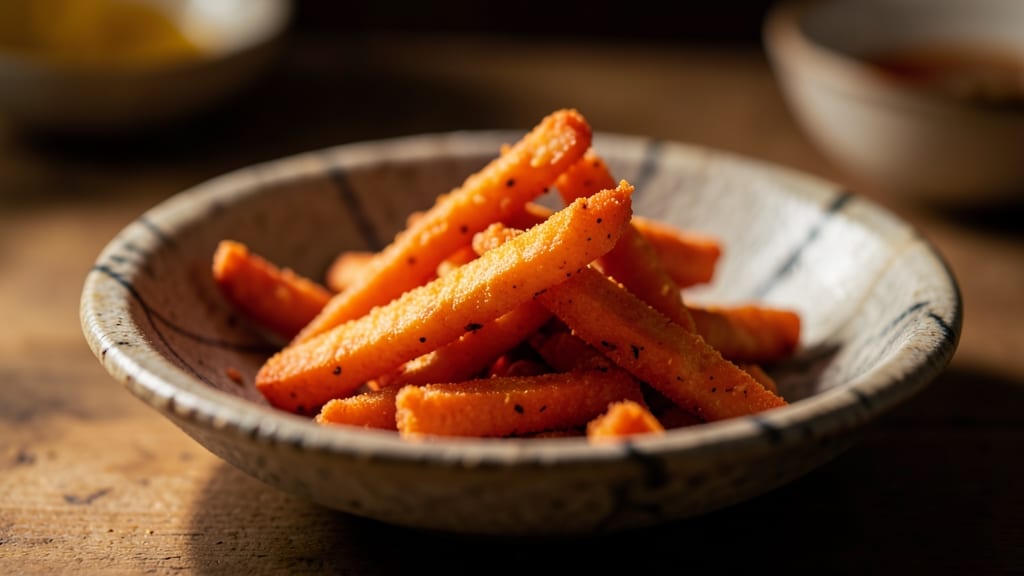
This fried carrots recipe transforms humble carrots into a crispy, golden side dish with a cornmeal crust and honey-glazed sweetness that balances perfectly. I developed it after years of experimenting with ways to make vegetables irresistible—especially for picky eaters—without sacrificing nutrition.
The secret lies in the cornmeal coating, which creates that addictive crunch while keeping the interior tender.
What sets this recipe apart is the dual-texture magic: crispy edges from the cornmeal crust and a caramelized sweetness from the honey glaze, all achieved in just 15 minutes. Unlike store-bought versions, this method uses simple pantry staples—no fancy equipment—and delivers restaurant-quality results.
The combination of salt, pepper, and a pinch of smoked paprika adds depth without overpowering the carrots' natural sweetness.
By the time you finish frying, you'll have a side dish that's golden brown, fragrant, and impossible to resist—ideal for elevating any meal from ordinary to extraordinary.
The honey glaze adds a touch of sweetness that pairs beautifully with savory proteins like chicken or pork, making it a versatile addition to your dinner table. Here's how to make it foolproof.
This recipe is naturally vegetarian and can be made vegan with a few adjustments, though the honey adds a special touch that's hard to replicate. Serve it alongside grilled meats, roasted vegetables, or even as a standalone snack with a drizzle of extra honey. Let's get started!
Ingredients for fried carrots
Simple pantry staples transform ordinary carrots into an irresistible, dual-texture side dish.
| Ingredient | Amount | Notes |
|---|---|---|
| Medium Carrots 🥕 | 1 ½ lb | Baby carrots or uniform slices |
| Fine Cornmeal 🌾 | 1 cup | Stone-ground preferred for texture |
| All-Purpose Flour 🌾 | ½ cup | For coating adhesion |
| Diamond Crystal Kosher Salt 🧂 | 1 tbsp | Fine grain for even distribution |
| Freshly Ground Black Pepper 🌶️ | ½ tsp | Cracked peppercorns preferred |
| Smoked Paprika 🌶️ | ½ tsp | For subtle smokiness |
| Unsalted Butter 🧈 | ½ cup | Melted for frying |
| Extra-Virgin Olive Oil 🫒 | ¼ cup | High smoke point preferred |
| Raw Honey 🍯 | 2 tbsp | Local variety for floral notes |
| Fresh Lemon Juice 🍋 | 1 tbsp | Brightens honey glaze |
| Cayenne Pepper 🔥 | ¼ tsp | Optional for subtle heat |
The cornmeal is non-negotiable for that signature crunch—Bob's Red Mill or Stone Ground Grits varieties deliver the best texture. Carrots should be uniform in size (peeled or unpeeled) for even cooking. Organic carrots from the farmers market have superior sweetness, but conventional store-bought work perfectly. The honey glaze requires raw, unprocessed honey—avoid the pasteurized supermarket kind. For the smoked paprika, Penzeys or McCormick are reliable brands that maintain their depth over time. Pre-measure your spices in small bowls to avoid mid-cooking adjustments.
No cornmeal? Crushed cornflakes or panko create a similar crispy texture, though with slightly less authenticity. Substitute honey with maple syrup or agave nectar for vegan versions, though the flavor profile shifts noticeably. Fresh lemon juice can be replaced with white vinegar at half the amount, but the acidity will be more pronounced. For extra crunch, add 1 tbsp crushed corn chips to the coating mixture. The cayenne is truly optional—omit entirely if you prefer a sweet-only profile. If your butter smells rancid, use ghee instead for a higher smoke point during frying.
Store any unused cornmeal in an airtight container in a cool, dark place for up to 6 months. Leftover fried carrots maintain their crispiness for 3 days when refrigerated in a sealed container, though they're best enjoyed within 24 hours for peak texture. Reheat in a 350°F oven for 5-7 minutes to restore crispiness. For meal prep, fry half the batch immediately and store the remaining carrots in the fridge until ready to cook. The honey glaze can be made ahead and reheated separately if needed.
Why You'll Love This Recipe
- No Chopping Nightmare: I peel, slice, and toss in one bowl—no mandoline, no tears. That thick cornmeal crust clings like it’s meant to be there, and honestly? The carrots stay whole enough to eat without a fork.
- Crispy-Creamy Magic: The flour gets them started, but the cornmeal? That’s where the gold happens—crunchy outside, tender inside, with just a whisper of salt and pepper to make every bite feel like a little victory.
- Snack or Side: Toss these into a lunchbox, serve them at a picnic, or let the kids grab a handful straight from the pan. They’re the kind of dish that works just as well cold as they do hot—no fuss, no rules.
- Budget Crunch-Saver: Carrots are cheap, flour’s a pantry staple, and you’ll use half the cornmeal for next week’s breading. Between us, this is how I feed my family for under $5 and still feel like I’m serving something special.
Step-by-step instructions for crispy cornmeal-crusted fried carrots
Master this technique for carrots with a perfect crunchy exterior and tender core every time.
Prepare the Carrots for Even Cooking
Peel the 1.5 lb medium carrots if desired, then cut them into 2-inch long batons with a uniform ½-inch diameter. I use a mandoline for precision, but a sharp chef's knife works just as well. The key here is consistency—thicker pieces will stay slightly undercooked while thinner pieces burn. Trim any uneven edges to ensure even crisping.
Place the cut carrots in a large bowl and toss them with the 1 tbsp diamond crystal kosher salt and 0.5 tsp freshly ground black pepper. This initial seasoning enhances flavor and helps draw out moisture, which is crucial for that crispy crust. Let them sit for 10 minutes while you prepare the coating mixture. This resting period ensures the carrots develop maximum flavor without becoming soggy.
Create the Crispy Cornmeal Coating
In a separate shallow dish, combine the 1 cup fine cornmeal, 0.5 cup all-purpose flour, 0.5 tsp smoked paprika, and 0.25 tsp cayenne pepper. Mix thoroughly with a fork or whisk until evenly distributed. The cornmeal provides that signature crunch while the flour helps bind the coating. I like to use stone-ground cornmeal for its slightly coarser texture—it creates a more substantial crust.
Working in batches to avoid overcrowding, remove the carrots from the salt mixture and pat them dry with paper towels. This step is critical—excess moisture prevents the coating from adhering properly. Shake off any excess salt, then roll each carrot in the cornmeal mixture, pressing gently to ensure full coverage. Place the coated carrots on a wire rack set over a baking sheet to keep them dry and prevent sticking.
Fry to Golden Perfection
In a large, heavy skillet, heat 0.5 cup unsalted butter and 0.25 cup extra-virgin olive oil over medium-high heat until the butter foams and the oil shimmers—around 350°F. This combination of fats creates a stable frying temperature while adding rich flavor. Test the heat by dropping in a single carrot—it should sizzle vigorously and turn golden in 30-45 seconds. If it browns too quickly, reduce the heat slightly.
Working in batches of 4-5 carrots (to avoid overcrowding), carefully add the coated carrots to the skillet. Fry for 3-4 minutes per side, turning occasionally, until they develop a deep golden-brown crust and the coating is uniformly crisp. The carrots should feel firm to the touch but still tender when pierced with a knife. Remove them to a paper towel-lined plate to drain excess oil, then repeat with remaining batches, maintaining the same oil temperature.
Glaze with Honey-Lemon Finish
In a small saucepan, combine the 2 tbsp raw honey and 1 tbsp fresh lemon juice over low heat. Bring just to a simmer, then remove from heat and let sit for 1 minute to thicken slightly. This glaze should coat the back of a spoon but remain pourable. The acidity from the lemon juice brightens the honey's sweetness while cutting through the richness of the fried carrots.
Return the fried carrots to the skillet and pour the honey-lemon mixture over them. Toss gently to coat evenly, then transfer to a serving platter. The residual heat will help the glaze set slightly while keeping the carrots warm. Serve immediately while the crust remains crisp—these carrots are best enjoyed straight from the fryer when the coating is at its peak crunch.
Pro Tips For Making Fried Carrots
- Prep Carrots Thin: Slice them lengthwise into ¼-inch sticks—thinner than you’d think. Thick pieces stay undercooked inside while the outside burns, and nobody wants a chewy fried carrot. Use a sharp knife, or you’ll waste time fighting it.
- Shake Off Excess Flour: After dredging in flour, dump the carrots into a fine-mesh sieve and give it a hard shake—like you’re trying to wake someone up. Lumps of flour turn to gluey paste in the oil, and that’s how you end up with a sad, greasy mess instead of a crispy crust.
- Fry in Batches: Crowd the pan, and the oil temp drops faster than your motivation. Work in single layers, and if you’re impatient like me, use a slotted spoon to nudge them around without overfilling. A few minutes of waiting now saves you from soggy, uneven frying later.
- Salt the Oil: Toss in ½ teaspoon of kosher salt with the oil before frying—it seasons the crust and keeps the carrots from turning limp. I learned this the hard way after frying a batch that tasted bland no matter how much I salted afterward. (Yes, even if it sounds counterintuitive.)
Essential equipment for fried carrots
Skillet Essentials
You’ll need a large, heavy skillet with 2-3 inch sides—I swear by my 12-inch Lodge cast iron for even heat distribution and durability. Cast iron retains heat beautifully, preventing temperature fluctuations that can lead to uneven cooking.
If you don’t own cast iron, a stainless steel skillet (like All-Clad) works well, though it may require slightly more attention to heat control. Avoid nonstick unless it’s high-quality (like GreenPan Cerama)—cheap nonstick releases toxic fumes when overheated and won’t give you that perfect crust. 🔥
Frying Tools
A tongs set is non-negotiable for flipping those crispy carrots without crushing the coating. I use OXO Good Grips—they’re sturdy and stay cool to the touch. A wire cooling rack (like Amazon Basics) keeps fried carrots elevated, preventing sogginess from steam.
For draining, paper towels are best, but a mesh strainer works if you’re frying in batches. Pro tip: Keep a small bowl of ice water nearby to shock-cool any overcooked batches if needed.
Cornmeal & Coating Station
Use a shallow dish (like a pie plate or rectangular baking dish) for the cornmeal coating—it should be wide enough to roll carrots without overcrowding. A fine-mesh sieve helps sift cornmeal smoothly if you’re using pre-measured spices.
For drying carrots before coating, paper towels are essential, but I also keep a wire rack handy to speed up the process. If you’re prepping ahead, store dry carrots in a single layer on a baking sheet in the fridge until ready to coat.
Heat Control Gear
A kitchen thermometer (like ThermoWorks Thermapen) is worth every penny—it ensures your oil stays at 350°F for perfect frying. Without one, you’re guessing, and that’s how you end up with burnt crusts or greasy carrots.
For testing heat, I drop in a small piece of carrot—if it sizzles immediately and turns golden in 30 seconds, you’re golden. A long-handled silicone spatula helps with flipping without risking burns. Keep a small bowl of flour nearby to dust any stray cornmeal from your workspace.
Glazing Setup
For the honey-lemon glaze, a small saucepan (like Calphalon stainless steel) is ideal—it heats quickly and prevents scorching. A fine-mesh strainer catches any debris if you’re using raw honey with bits. I also keep a small whisk handy to emulsify the glaze if it separates.
For serving, a wooden board or ceramic platter keeps everything warm while adding rustic charm. A small squeeze bottle (like OXO Good Grips) makes drizzling extra honey effortless at the table. 🍯
Nutrition facts
Frequently asked questions
Can I use baby carrots for this recipe?
Yes, but with a few adjustments. Baby carrots are smaller, so you'll need about 2 cups instead of 1.5 lb of regular carrots. They'll cook faster, so reduce frying time to 2-3 minutes per side to avoid burning. The cornmeal coating will still work perfectly, but monitor them closely since they have less moisture to draw out.
What's the best oil for frying carrots?
Use oils with a high smoke point like vegetable oil, avocado oil, or peanut oil for the best results. The recipe calls for a butter-oil blend because butter adds flavor, but if you're watching fat content, use 100% oil at 375°F. Avoid olive oil alone—it has a lower smoke point and can make the coating greasy.
Why did my fried carrots turn out greasy instead of crispy?
Greasy results usually mean one of three things: oil was too cool (below 350°F), carrots weren't dry enough before coating, or you overcrowded the pan. Always pat carrots completely dry with paper towels and fry in batches of 4-5 pieces. If your oil smells burnt, it was too hot—next time, test with a small piece of carrot first.
Can I make this recipe ahead of time?
Fry the carrots up to 24 hours ahead and store them in an airtight container at room temperature—they'll stay crispy! Reheat in a 350°F oven for 5-7 minutes to restore crunch. The honey glaze is best made fresh, but you can prepare it separately and reheat it with the carrots. For meal prep, fry half the batch immediately and store the remaining carrots raw (coated) in the fridge until ready to cook.
How can I make this vegan?
Swap the honey for maple syrup or agave nectar (use 2 tbsp of each) and replace butter with vegetable oil or vegan butter. The flavor will be slightly different, but still delicious. For extra protein, add 1 tbsp nutritional yeast to the cornmeal coating. Keep all other ingredients the same for that signature crispy texture.