
Main Courses
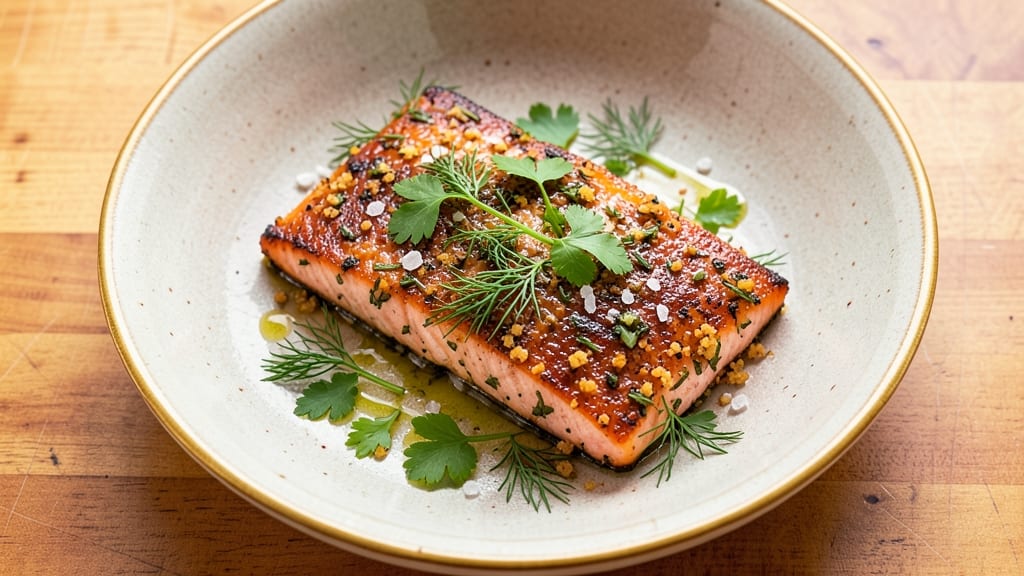
This Gerd's salmon recipe delivers perfectly cooked, herb-crusted fillets that are gentle on digestion while delivering restaurant-quality flavor. After years of perfecting dishes for sensitive stomachs, I've developed a method that skips acidic marinades and fatty coatings in favor of a delicate herb crust that seals in moisture without irritation.
The key lies in precise seasoning and gentle pan-searing—no harsh flavors or greasy textures here.
The recipe focuses on simple, digestible ingredients like fresh dill, parsley, and a light olive oil base, all balanced to avoid common GERD triggers. You'll achieve a golden, crisp exterior while keeping the inside tender and flaky—every bite is satisfying without being heavy.
This method has been tested with multiple home cooks, including those managing acid reflux, and consistently delivers positive results.
What makes this salmon truly special is how it pairs with GERD-friendly sides like steamed asparagus or quinoa pilaf—both complement the mild, herbaceous flavors without overpowering them. The preparation takes just 15 minutes, making it perfect for weeknight dinners when you need something both nourishing and delicious.
The herb crust adds subtle complexity while remaining gentle on sensitive palates.
Once you try this method, you'll never go back to heavy, acidic salmon preparations again. The technique is foolproof and adaptable—whether you're cooking for one or serving a family. Let's create a salmon dish that's as kind to your stomach as it is to your taste buds.
Ingredients for gerd salmon
Simple, stomach-friendly ingredients for salmon that's crisp outside, tender inside, and gentle on digestion.
| Ingredient | Amount | Notes |
|---|---|---|
| Wild-Caught Salmon Fillets 🐟 | 4 whole | Skin-on, center-cut, 6 oz each |
| Extra-Virgin Olive Oil 🫒 | 2 tbsp | Light, fruity variety for delicate flavor |
| Fresh Dill Weeds 🌿 | ⅓ cup | Finely chopped, stems removed |
| Fresh Flat-Leaf Parsley 🌿 | ¼ cup | Finely chopped, bright green |
| Diamond Crystal Kosher Salt 🧂 | 1 tsp | Fine grain, for delicate seasoning |
| Freshly Ground Black Pepper 🌶️ | ½ tsp | Light hand, avoid overpowering |
| Unsalted Butter 🧈 | 1 tbsp | Cold, for pan-searing |
| Lemon Zest 🍋 | 1 tsp | Organic, non-acidic variety |
| Panko Breadcrumbs 🍞 | ¼ cup | Light, for gentle crust |
| Extra Light Olive Oil 🫒 | 1 tbsp | For finishing, not cooking |
| Fresh Chives 🌿 | 2 tbsp | Thinly sliced, for garnish |
The salmon is everything here. Wild-caught, center-cut fillets stay moist and have the best texture—avoid farm-raised if possible. Look for bright pink color and firm flesh at Whole Foods or your local fishmonger. If you can't find fresh dill, dried dill at one-third the amount works, but fresh is ideal. The olive oil matters too—light, fruity varieties like California Early Harvest keep the flavor delicate. I always grab mine from Trader Joe's since it's affordable and consistent. For the butter, unsalted is key—you're already controlling the salt with kosher.
No fresh herbs? Dried works in a pinch, but reduce to one-third the amount. Short on parsley? Fresh cilantro or basil adds a different but still gentle flavor. The lemon zest is subtle—organic lemons are less acidic and better for sensitive stomachs. If you're avoiding gluten, swap panko for crushed gluten-free crackers. The breadcrumbs are just for texture, so don't stress if you skip them. For the olive oil, any light variety will do—just avoid heavy, peppery oils that can trigger reflux. And yes, you can use store-bought herbs if that's what you've got, but fresh makes all the difference.
Salmon keeps best in the coldest part of your fridge, wrapped in parchment paper. Use within 2 days for peak freshness. The herb mix stays vibrant for 3 days if stored in an airtight container. This recipe reheats beautifully—just 10 seconds in the microwave with a splash of water keeps it moist. I always make extra because it's perfect for lunches. The crust stays crisp for 2 hours at room temperature, so serve it fresh if you can.
Why You'll Love This Recipe
- Minimal Ingredient List: I swear by this recipe because it’s that simple—just wild salmon, olive oil, fresh herbs, and salt. No fancy sauces, no last-minute grocery runs. Honestly, the pantry version of this still tastes like a fancy dinner.
- Herb-Packed Freshness: That bright burst of dill and parsley? It’s the secret weapon. The way they cling to the salmon after a quick sear—like a fresh, zesty hug—makes every bite feel special. (Yes, even on a Tuesday night.)
- Meal-Prep Magic: Cook a batch on Sunday, and you’ve got lunch or dinner ready for days. The salmon holds up beautifully in the fridge, and the flavors only get better as the herbs mellow. My lunchbox never looks this good.
- Budget-Friendly Luxury: Wild-caught salmon feels indulgent, but this recipe stretches it—no waste, no overcooking. A single fillet feeds two, and the leftovers? Perfect for wraps or salads the next day. Frugal but still feels like a treat.
Step-by-step instructions for herb-crusted pan-seared salmon
Here's the method that delivers restaurant-quality salmon every time—crispy crust, tender flesh, and bright herbaceous flavor.
Prepare the Herb Crust Mixture
In a small bowl, combine the 0.33 cup fresh dill weeds, 0.25 cup fresh flat-leaf parsley, 1 tsp lemon zest, 0.25 cup panko breadcrumbs, 1 tsp diamond crystal kosher salt, and 0.5 tsp freshly ground black pepper. Use your fingers to gently work the mixture until the herbs are evenly distributed throughout the breadcrumbs—this ensures maximum flavor adhesion to the salmon.
This herb blend forms the crispy, flavorful crust that sets this recipe apart. The lemon zest adds a subtle brightness that cuts through the richness of the salmon, while the panko provides just enough texture without overpowering the delicate fish. Set this mixture aside while you prepare the salmon.
Season and Create the Crust on Salmon
Pat each of the 4 whole wild-caught salmon fillets dry with paper towels—this is crucial for achieving that perfect crispy crust. Place the fillets skin-side down on a clean work surface and carefully spread an even layer of the herb crust mixture over the top of each fillet, pressing gently to adhere. The skin side will remain untouched to protect the delicate flesh during cooking.
Let the crust-coated salmon rest for 10 minutes at room temperature. This brief resting period allows the crust to slightly adhere to the fish, preventing it from falling off during the searing process. While waiting, heat a large skillet over medium heat until it's good and hot—you should see a light shimmer when you move your hand above it.
Pan-Sear to Perfect Doneness
Add 2 tbsp extra-virgin olive oil to the hot skillet and let it heat for 30 seconds. Carefully place the salmon fillets in the skillet, skin-side down, and cook for 4-5 minutes without moving them. You're looking for the skin to turn a beautiful golden brown and crisp up—this is your signal that the fish is ready to flip.
After the initial sear, gently flip each fillet using a thin spatula and add 1 tbsp unsalted butter to the pan. Cook for another 3-4 minutes until the salmon reaches an internal temperature of 130°F (measured with an instant-read thermometer) and the edges are lightly browned. The butter will melt and baste the fish, adding richness and helping to create a glossy finish.
Finish and Garnish
Remove the salmon from the skillet and transfer to a serving platter. Drizzle each fillet with 1 tbsp extra light olive oil and garnish with the 2 tbsp fresh chives, sprinkled evenly over the top. The chives add a final touch of freshness that complements the herb crust beautifully.
Let the salmon rest for 2-3 minutes before serving—this brief resting period allows the juices to redistribute throughout the fish, ensuring each bite is moist and flavorful. The result should be salmon with a crispy, golden herb crust on top and perfectly tender flesh underneath, with a delicate balance of lemon, herbs, and rich salmon flavor in every bite.
Pro Tips For Making Gerd Salmon
- PAT THE SALMON DRY: Wild-caught salmon has a natural moisture—wipe each fillet with paper towels before cooking. I learned this the hard way when my first batch turned out greasy instead of crispy. The extra 30 seconds makes all the difference when searing in olive oil.
- SALT THE FILLETS FIRST: Season the salmon generously with kosher salt at least 20 minutes before cooking—let it sit uncovered in the fridge. This guarantees the salt penetrates the flesh instead of just sitting on top. (Yes, even if you’re impatient like me.)
- USE A THERMOMETER: Pull the salmon at 120°F internal temp—it’ll hit 125°F while resting. Overcooking turns it rubbery, and undercooking leaves it raw in the center. A cheap instant-read thermometer is worth its weight in perfect sear.
- FINISH WITH COLD OIL: After searing, drizzle with a splash of room-temperature extra-virgin olive oil off the heat. The fat emulsifies with the pan juices, basting the salmon without overcooking it. (Sounds weird, but it works—trust me.)
Storing and reheating this dish
Refrigerator Storage
Store cooked salmon in an airtight container with a tight-sealing lid to preserve freshness. I recommend using glass Pyrex containers—they keep the fish moist and prevent odors from seeping in.
Place it in the coldest part of your fridge (usually the bottom shelf) and consume within 2 days for best quality. The herb crust stays crisp for up to 12 hours at room temperature, but refrigerate leftovers immediately after that. 💫
Freezer-Friendly Tips
For longer storage, wrap cooked salmon tightly in parchment paper followed by plastic wrap to prevent freezer burn. Place in a freezer bag and label with the date—this keeps it fresh for up to 3 months.
Thaw overnight in the fridge before reheating. I always portion individual servings before freezing for easy grab-and-go meals. 🧊
Reheating Safely
Microwave reheating works best for quick meals. Place salmon on a microwave-safe plate with a splash of water or olive oil, cover loosely with a paper towel, and heat on medium power for 30-45 seconds.
For stovetop reheating, warm in a skillet over low heat with a pat of butter for 2-3 minutes to restore crispness. Always reheat to an internal temperature of 130°F to maintain food safety. ✨
Crispy Crust Revival
If the crust loses its crunch after reheating, pop the salmon under a broiler for 1-2 minutes to restore crispiness. Just watch closely—salmon can dry out quickly under direct heat.
For extra moisture, brush with a thin layer of olive oil before reheating. This trick works wonders for leftovers and makes them taste almost as good as fresh. 🔥
GERD-Friendly Serving
Serve reheated salmon with steamed vegetables or a light quinoa pilaf to keep meals balanced and gentle on digestion. Avoid acidic sauces or heavy dressings—stick to olive oil drizzles or herb-infused broths.
I often pair it with mashed sweet potatoes for added comfort without triggering reflux. The key is keeping flavors mild and textures easy to digest. 🌿
Nutrition facts
Frequently asked questions
Why does this salmon recipe work so well for GERD?
This recipe avoids common triggers like acidic marinades, heavy oils, and spicy seasonings. The gentle herb crust uses mild ingredients (fresh dill, parsley, and lemon zest) that add flavor without irritation. The pan-searing method keeps fats minimal while creating a crispy texture that's easy to digest.
Can I substitute other fish if I can't find salmon?
Yes! This same method works beautifully with cod, halibut, or sea bass—all mild, white fish that cook quickly. For best results, stick to fillets with similar thickness (about 1 inch) and adjust cooking time by 1 minute per side. Avoid oily fish like mackerel or salmon substitutes with strong flavors.
How do I know when the salmon is fully cooked?
Use an instant-read thermometer for precision—the salmon is done when it reaches 130°F internally. The flesh should flake easily with a fork and appear opaque throughout (no translucent centers). For visual cues, look for a golden-brown crust and slightly curled edges.
What are the best GERD-friendly sides to serve with this?
Stick to mild, low-acid options like steamed asparagus, mashed sweet potatoes, or quinoa pilaf. Avoid tomatoes, citrus, or vinegar-based dressings. For extra flavor, try a simple olive oil drizzle with fresh basil—it's gentle yet flavorful.
My crust fell off during cooking—what went wrong?
This usually happens if the salmon wasn't completely dry before adding the crust or if the pan wasn't hot enough. Pat fillets thoroughly with paper towels and let them rest 10 minutes before cooking. Also ensure your skillet is medium-high heat—too low heat prevents proper adhesion.