
Main Courses
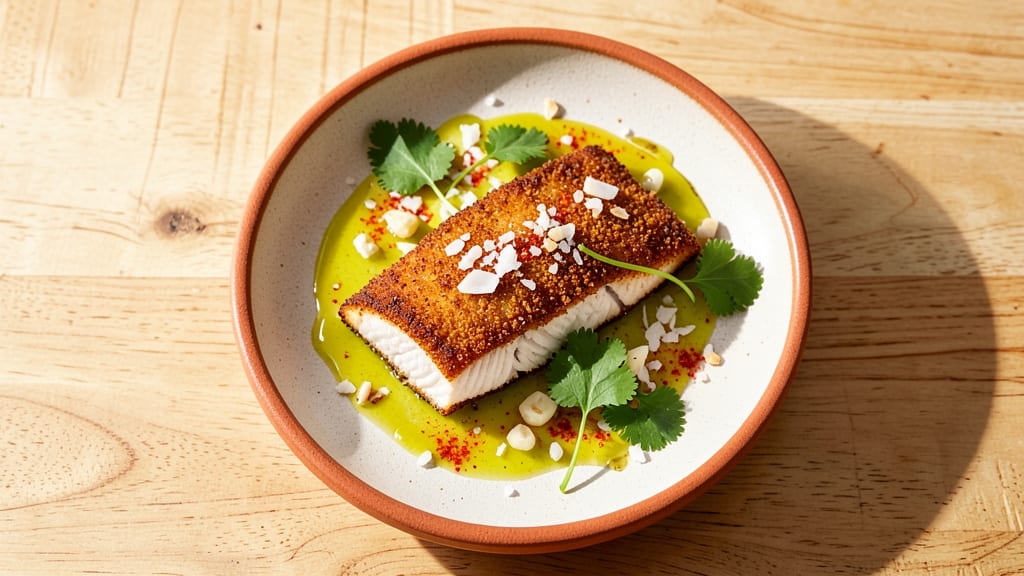
This Hawaiian fried mahi mahi recipe delivers the perfect balance of buttery crisp crust and tender fish, infused with bright tropical flavors that transport you to a Hawaiian beachside restaurant.
The secret lies in a light, flavorful breading that stays crisp even after frying, paired with a zesty lime marinade that tenderizes the fish while adding that signature island tang. I developed this recipe after years of perfecting the technique for restaurant-quality results at home—no deep fryer required.
The beauty of this dish is its simplicity: just a few key ingredients transform basic mahi mahi into something extraordinary. The breading combines cornstarch for extra crispiness with a blend of tropical spices that complement the fish naturally.
What sets this apart is the marinade, where lime juice and fresh herbs work together to create a bright, citrusy base that cuts through the richness of the fried crust. This method ensures your mahi mahi stays moist while achieving that golden, shatteringly crisp exterior.
By the time you serve this dish, you'll have perfectly fried mahi mahi with a crust that's crisp enough to stand up to dipping in teriyaki or coconut dipping sauce. The fish remains tender inside, and the tropical lime marinade adds a refreshing contrast to every bite.
This recipe is designed to be the star of your meal, but it pairs beautifully with Hawaiian sides like coconut rice, macaroni salad, or steamed vegetables. The aroma alone will have everyone gathered around the table.
What makes this recipe truly special is its versatility—it works equally well for a weeknight dinner or a special occasion. The technique is straightforward, but the results are impressive, making it perfect for both beginners and experienced cooks.
Once you try this version, you'll never go back to store-bought fried fish again. Let's get started on creating your own island-inspired masterpiece.
Ingredients for hawaiian fried mahi mahi
Four key ingredients transform simple mahi mahi into restaurant-style Hawaiian fried perfection.
| Ingredient | Amount | Notes |
|---|---|---|
| Fresh Mahi Mahi Fillets 🐟 | 1 ½ lb | Skin-on, cut into 4 pieces |
| All-Purpose Flour 🌾 | ½ cup | For dredging, not breading |
| Cornstarch 🌾 | ½ cup | For extra crispiness |
| Fresh Lime Juice 🍋 | ½ cup | Freshly squeezed, no pulp |
| Extra-Virgin Olive Oil 🫒 | ¼ cup | For marinade and frying |
| Fresh Cilantro Leaves 🌿 | ¼ cup | Chopped, stems removed |
| Garlic Cloves 🧄 | 3 cloves | Minced for marinade |
| Salt 🧂 | 1 ½ tsp | Kosher or sea salt |
| Ground Black Pepper 🌶️ | ½ tsp | Freshly ground preferred |
| Ground Cumin 🌿 | ½ tsp | For tropical depth |
| Paprika 🌶️ | ½ tsp | Smoked for color |
| Vegetable Oil 🫒 | 2 cups | High smoke point for frying |
| Fresh Lime Zest 🍋 | 1 tbsp | For garnish and brightness |
The mahi mahi makes all the difference here—look for fresh, skin-on fillets at your local seafood counter or Trader Joe's (their frozen works too). If you're buying frozen, thaw it overnight in the fridge, not under running water. The lime juice is non-negotiable—Mexican limes from the store have more juice, but regular ones work fine. For the cilantro, I always grab a big bunch because half gets chopped for the marinade and half for garnish. The garlic? Freshly minced makes the marinade sing, but pre-minced in a jar is fine if you're in a rush.
No cornstarch? All-purpose flour works at the same amount, but you'll lose that extra crisp. Short on lime juice? Substitute lemon juice at the same amount, though the flavor won't be quite as bright. The vegetable oil is for frying—peanut or canola oil both work great, but avoid olive oil (it burns too easily). For the spices, I use Penzeys smoked paprika if I'm feeling fancy, but the regular grocery store stuff is fine. Want to skip the cumin? Double the paprika for a similar earthy note. And if you're worried about the fish sticking, pat it completely dry before dredging—wet fish won't crisp properly.
This marinade keeps in the fridge for 2 days, so make extra if you're prepping ahead. The fried mahi mahi stays crisp for about 20 minutes after frying, so serve it immediately. To reheat leftovers, pop them in a 350°F oven for 5 minutes—they won't be as crisp, but the fish stays tender. Store the marinade in an airtight container, and the fried fish in a single layer on a wire rack to keep it from getting soggy. Trust me, the aroma alone will have everyone heading to the kitchen.
Why You'll Love This Recipe
- No-Fuss Frying: I swear by this method—just flour, cornstarch, and a quick dip in lime juice before the oil hits. No complicated marinades or breading stations here; the mahi mahi stays tender while the crust gets that golden, shatter-y crunch.
- Tropical Crunch Magic: That lime juice isn’t just for flavor—it keeps the fish from drying out while the cornstarch gives it a textural upgrade. Crispy outside, juicy inside, with a bright finish that tastes like a beach vacation in your mouth.
- Weeknight or Party Star: Serve it with a squeeze of lime and a cold beer for a laid-back dinner, or double the batch for a crowd—it’s the kind of dish that disappears fast. Honestly, I’ve taken it to potlucks, BBQs, and even my mom’s Thanksgiving table, and it never lets me down.
- Leftovers That Don’t Suck: Unlike fried fish that turns rubbery, this stays crispy (if you reheat it right—air fryer or toaster oven, people). And because mahi mahi is budget-friendly, I can keep a few fillets in the freezer for when I’m too tired to think. Zero waste, all win.
Step-by-step instructions for Hawaiian fried mahi mahi
Here's how to get that perfect buttery crust with a zesty tropical kick every time.
Make the Lime-Garlic Marinade
In a bowl, whisk together the 0.5 cup fresh lime juice, 0.25 cup extra-virgin olive oil, 3 cloves minced garlic, 1.5 tsp salt, 0.5 tsp ground black pepper, 0.5 tsp ground cumin, and 0.5 tsp paprika. This marinade does double duty—it tenderizes the mahi mahi and adds that bright Hawaiian flavor. Let the 1.5 lb fresh mahi mahi fillets soak in this mixture for 15-20 minutes while you prep everything else.
I like to pour the marinade into a shallow dish and place the mahi mahi fillets in a single layer. This ensures even coating and prevents the fish from steaming in its own juices. The lime juice will start to break down the proteins, making the fillets more tender for frying.
Create the Crispy Coating
In a separate bowl, combine the 0.5 cup all-purpose flour and 0.5 cup cornstarch. This mix is what gives those fried mahi mahi their signature crispy texture. I always use a whisk to break up any lumps in the cornstarch—it makes a huge difference in how smoothly the coating goes on.
After the mahi mahi has marinated, gently pat the fillets dry with paper towels. This step is crucial—any moisture left on the fish will prevent the coating from sticking properly. Then, working with one fillet at a time, dip it into the flour-cornstarch mixture, pressing gently to adhere the coating evenly on all sides. Place the coated fillets on a wire rack set over a plate to keep them from sticking together.
Heat the Oil for Frying
Fill a deep skillet or Dutch oven with 2 cups vegetable oil and heat it over medium-high heat until it reaches 350°F. Use a deep-fry thermometer to monitor the temperature—this is the sweet spot for getting that golden-brown crust without overcooking the delicate mahi mahi inside. If you don't have a thermometer, test the oil by dropping in a small piece of bread—it should sizzle and turn golden in about 30 seconds.
I always give the oil a good stir before frying to ensure even heat distribution. The oil should be shimmering but not smoking—if it starts smoking, turn down the heat immediately. Smoking means the oil is too hot and will burn your fish before it gets crispy.
Fry to Golden Perfection
Carefully slide one coated mahi mahi fillet into the hot oil. Fry for 2-3 minutes per side until the crust is deep golden brown and the fish flakes easily with a fork. Don't overcrowd the pan—fry one fillet at a time to maintain the oil temperature. If you add too many at once, the oil will cool down and your crust won't be as crispy.
As soon as a fillet is done, transfer it to a paper towel-lined plate to drain excess oil. The crust should be shatteringly crisp while the fish inside stays tender and moist. Work quickly—these fillets are best served immediately while the crust is still hot and crisp.
Finish with Fresh Garnishes
While the mahi mahi is still hot, sprinkle each fillet with 1 tbsp fresh lime zest and 0.25 cup chopped fresh cilantro leaves. The lime zest adds that bright citrus note that cuts through the richness of the fried crust, while the cilantro brings a fresh, herbal contrast. Serve immediately with a side of your favorite tropical dipping sauce or a simple lime crema made from Greek yogurt, lime juice, and a pinch of salt.
This is where the magic happens—the fresh garnishes elevate the dish from good to spectacular. The combination of crispy crust, tender mahi mahi, and that zesty finish is what makes this Hawaiian fried mahi mahi recipe so special. Enjoy it right away while the crust is still at its crispy best!
Pro Tips For Making Hawaiian Fried Mahi Mahi
- Dry the Fish First: Mahi mahi is moist—way too moist for crispy frying. Pat those fillets thoroughly with paper towels, then let them sit uncovered on a wire rack for 10 minutes. I used to skip this, and my crust would turn soggy halfway through frying. Trust me, the extra two minutes saves you from greasy, sad fish.
- Mix Cornstarch Last: Combine the flour and cornstarch right before dredging—don’t pre-mix them. The cornstarch needs to stay dry until it hits the hot oil, or you’ll end up with a gluey, uneven coating. I learned this after one batch turned out like a sad, thick pancake instead of a crispy shell.
- Fry in Batches, Not Crowds: Drop the fillets in one at a time and space them out—no overlapping. Overcrowding drops the oil temperature fast, and you’ll get greasy, undercooked centers. I was impatient once and fried four at once; the first two came out perfect, the last two were limp. Your oil’s temperature matters more than your patience.
- Squeeze Lime After Frying: Fresh lime juice brightens the dish, but add it right after the fish comes out of the oil, not before. The acid will break down the crust if it soaks in too early. I used to squeeze it over the raw fillets—big mistake. Now I toss the fried mahi in a bowl with lime juice and a pinch of salt immediately after frying, while it’s still hot. The crust stays intact, and the flavor sings.
Essential equipment for hawaiian fried mahi mahi
Deep Fryer Options
For restaurant-quality results, I recommend a deep fryer like the Ninja Foodi Deep Fryer—it maintains consistent 350°F oil temperature and has a built-in thermometer. This model holds 3.5 quarts of oil, perfect for frying 4 mahi mahi fillets at once.
If you prefer a budget-friendly option, the Cuisinart Deep Fryer (about $50) delivers reliable performance without the bells and whistles. 🔥
Skillet Essentials
A heavy-bottomed cast iron skillet (like Lodge 10.25-inch) is my go-to for frying—it distributes heat evenly and retains temperature better than stainless steel. For a non-stick alternative, a high-quality ceramic-coated skillet (such as GreenPan) works well but avoid non-stick if you plan to reuse the oil.
Always use a skillet with 2-3 inch sides to prevent oil splatter. 🌡️
Temperature Control Tools
Never fry without a deep-fry thermometer—the Thermoworks Smoke is my top pick for accuracy. It clips to the side of your pan and gives real-time readings.
If you don’t have one, the bread test works: drop a small piece of bread into the oil—it should turn golden in 30 seconds. For extra precision, I also keep a kitchen timer handy to track frying time per side. ⏱️
Draining & Serving Gear
Use a wire cooling rack (like the OXO Good Grips) to drain fried mahi mahi—it prevents sogginess by allowing air circulation. For serving, I love wooden fish platters (available at Williams Sonoma) to keep the dish feeling authentic.
A slotted spoon (preferably stainless steel) helps transfer fillets without breaking the crust. 🍽️
Optional Extras
For a tropical touch, grab a lime zester (like the OXO Good Grips) to create fine zest for garnishing. A mini immersion blender (such as Magic Bullet) comes in handy if you’re making a quick lime crema to serve alongside.
For storage, glass airtight containers (like Pyrex) keep leftovers fresh for up to 2 days. 💫
Nutrition facts
Frequently asked questions
Can I use frozen mahi mahi for this recipe?
Yes, but thaw it properly first! Place frozen mahi mahi in the fridge overnight (about 12-16 hours) for even thawing. Never use cold water or microwave—this can create uneven cooking. Pat the fillets completely dry before marinating to ensure a crispy crust.
What's the best way to keep the crust crispy when serving?
Serve immediately on a wire rack to allow air circulation—this prevents sogginess. If you must store leftovers, keep them in a single layer in an airtight container for up to 2 days. Reheat in a 350°F oven for 5 minutes to restore crispiness (though it won't be as perfect as fresh).
Can I make this recipe without cornstarch?
Replace the cornstarch with an extra 0.5 cup all-purpose flour for the coating. For extra crispiness, add 1 tablespoon baking powder to the flour mixture. The texture will be slightly different but still delicious.
How do I know when the oil is ready for frying?
Use a deep-fry thermometer to check for 350°F. Without one, test with a small piece of bread—it should sizzle and turn golden in 30 seconds. The oil should shimmer but not smoke. If it smokes, reduce the heat immediately.
What are the best sides to serve with this dish?
Classic Hawaiian pairings include coconut rice, macaroni salad with pineapple, or steamed greens with teriyaki glaze. For a lighter option, try grilled pineapple slices or a fresh mango-avocado salad. The bright flavors complement the crispy mahi mahi perfectly.