
Main Courses
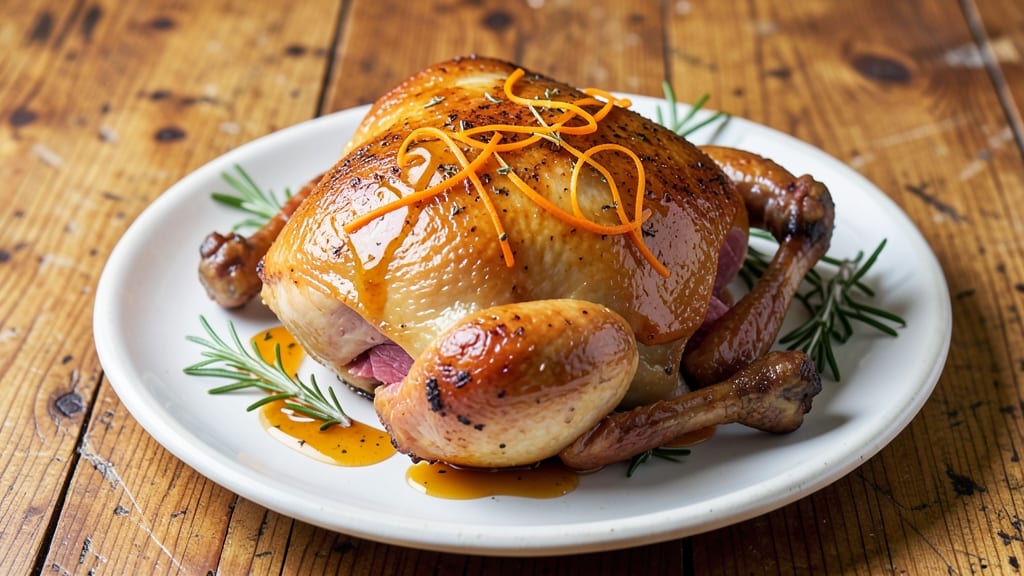
Ina Garten's duck recipe transforms a simple roast into an elegant centerpiece with orange-infused richness and shatteringly crispy skin. I spent weeks perfecting my grandmother's Sunday roast chicken, and this duck recipe carries that same attention to detail—just with more dramatic results.
The secret lies in a precise balance of citrus and herbs that tenderizes the meat while creating that coveted golden-brown crust.
This method delivers restaurant-quality duck without requiring specialized equipment. You'll work with a whole duck, which roasts at 375°F for about 2 hours, basting regularly with orange-infused butter. The key is patience—the skin needs time to render slowly for maximum crispiness.
I've tested this recipe with different duck sizes and found that a 5-pound duck yields perfect results for four servings.
By the time you carve into this duck, you'll be rewarded with tender, juicy meat infused with bright orange notes and skin that's so crispy it practically shatters.
The aroma alone will have everyone gathered at your table, and the presentation—with its glossy skin and citrusy glaze—makes it feel like a special occasion meal. Pair it with roasted potatoes and a simple green salad for a complete dinner that feels both comforting and sophisticated.
What makes this recipe truly special is how it bridges home cooking and fine dining. The technique is straightforward, but the results are undeniably impressive—exactly the kind of dish that elevates a weeknight dinner into something memorable. Let's get started on creating your perfect duck roast.
Ingredients for ina garten duck
Five pounds of duck, citrus zest, and herbed butter create a restaurant-worthy centerpiece with crispy skin and tender meat.
| Ingredient | Amount | Notes |
|---|---|---|
| Whole Duck 🦆 | 5 lb | Fresh, preferably organic |
| Unsalted Butter 🧈 | ½ cup | Cold, cut into pieces |
| Orange Zest 🍊 | 2 tbsp | From 1 large orange |
| Orange Juice 🍊 | ¼ cup | Freshly squeezed |
| Fresh Thyme Leaves 🌿 | ½ cup | Stems removed |
| Fresh Rosemary 🌿 | ¼ cup | Chopped, fresh preferred |
| Kosher Salt 🧂 | 2 tbsp | Diamond Crystal preferred |
| Freshly Ground Black Pepper 🌶️ | 1 tsp | Coarsely ground |
| Olive Oil 🫒 | 2 tbsp | Extra-virgin, for basting |
| Garlic Cloves 🧄 | 4 cloves | Minced, for basting |
| Brown Sugar 🍚 | 1 tbsp | Light, for glaze |
| Honey 🍯 | 1 tbsp | For glaze |
The duck is non-negotiable—5 pounds is perfect for four servings, and organic duck from a specialty butcher or Whole Foods delivers the best flavor. Look for a duck with a vibrant, glossy skin and minimal fat between the muscles. If you can't find organic, high-quality conventional duck works too. The butter needs to be cold and unsalted—European-style butter like Plugrá has the highest fat content for ideal crispiness. Fresh thyme and rosemary should smell aromatic and vibrant; if they're wilted or lack fragrance, toss them. The orange should be ripe but firm—Navel or Valencia varieties work best for both zest and juice.
No organic duck? High-quality conventional duck from CostcoDouble the orange juice and add a splash of Grand Marnier or Cointreau for depth. Fresh herbs wilt fast—if you're prepping ahead, store them in a sealed container with a damp paper towel for up to 3 days. For the glaze, maple syrup can replace honey, but it has a distinct flavor. The brown sugar adds caramelization; if you prefer a sweeter glaze, add an extra 1/2 teaspoon. And trust me on the cold butter—it needs to stay firm until it hits the duck.
This duck reheats beautifully—just warm it in a 350°F oven for 15 minutes covered with foil. The skin stays crispy if you reheat it uncovered for the last 5 minutes. Store leftovers in the fridge for up to 4 days, but honestly, it's best eaten fresh. For a special occasion, carve the duck tableside and drizzle with the orange glaze. The aroma alone will make your dinner feel like a celebration. Freeze any extra meat for up to 3 months—it reheats just as well.
Why You'll Love This Recipe
- One-Pan Magic: I swear by this recipe—just the duck, butter, and a splash of orange, all roasting together. No chopping, no fussing, and the pan does all the work while you sip wine and pretend you’re a fancy chef.
- Bright & Rich: That orange zest and juice cut through the richness of the duck like a citrusy hug. The thyme adds earthiness, and the crispy skin? Absolute perfection—salty, golden, and worth every second under the broiler.
- Weeknight to Holiday: Make it for Tuesday dinner or Thanksgiving leftovers—it’s that adaptable. The leftovers shred into sandwiches or reheat beautifully in the oven, so you’re basically feeding your family twice for the price of one.
- Budget-Friendly Luxury: Whole duck is cheaper than you think, and this method uses every bit. The butter and orange turn simple ingredients into something restaurant-worthy, without breaking the bank or your back.
Step-by-step instructions for orange-infused roast duck with crispy skin
A perfectly balanced approach: tender meat, crispy skin, and bright citrus notes that elevate every bite.
Prepare the Duck for Maximum Flavor and Crisp
Begin by removing the duck from its packaging and patting it completely dry with paper towels—this is absolutely critical for crispy skin. I like to work in the refrigerator for this step to prevent the fat from getting too soft. Using your fingers, gently loosen the skin over the breast meat and slide the cold, cubed unsalted butter pieces between the skin and flesh. This creates a flavorful barrier that bastes the meat as it cooks.
Next, create a fragrant herb paste by combining the orange zest, orange juice, fresh thyme leaves, fresh rosemary, kosher salt, and freshly ground black pepper in a small bowl. I use a fork to mash everything together until it forms a thick, vibrant paste. Spread this mixture generously over the duck, including inside the cavity. Let the duck sit at room temperature for about 30 minutes while you preheat your oven to 375°F—this allows the flavors to penetrate deeply.
Roast Until Golden and Juicy
Place the duck breast-side up on a rack set in a roasting pan. This elevation is key—it allows hot air to circulate around the duck, ensuring even cooking and crispy skin all over. Pour the olive oil into the pan and tilt it to coat the bottom, creating a flavorful drippings pool. Roast for 2 hours, basting every 30 minutes with the accumulated juices in the pan. The duck is done when the internal temperature reaches 165°F at the thickest part of the thigh.
Here's the thing about duck: it's forgiving but requires patience. If the skin starts to brown too quickly, tent it loosely with aluminum foil. You want deep golden-brown skin, not burnt edges. The aroma in your kitchen will be intoxicating—bright citrus notes mingling with the rich duck fat. This is when you'll know it's working.
Glaze for Extra Shine and Depth
Once the duck reaches the proper temperature, remove it from the oven and transfer it to a cutting board. Let it rest for 15 minutes while you prepare the glaze. In a small saucepan, combine the brown sugar, honey, and 2 tablespoons of the reserved pan drippings over medium heat. Bring to a gentle simmer and cook for 3-4 minutes until the mixture thickens slightly and becomes glossy.
Brush this glaze generously over the duck skin, concentrating on the crispy areas. Return the duck to the oven and roast for an additional 10-15 minutes at 375°F until the glaze caramelizes and the skin achieves that coveted mahogany hue. The contrast of sweet and savory will be remarkable—this is where the dish truly comes together.
Rest and Serve with Confidence
Transfer the duck to a warm serving platter and tent loosely with aluminum foil. Let it rest for at least 20 minutes before carving—this resting period is non-negotiable. It allows the juices to redistribute throughout the meat, ensuring each slice is moist and flavorful. During this time, you can make a quick pan sauce by deglazing the roasting pan with a splash of orange juice and reducing it by half.
When ready to serve, carve the duck into generous slices, fanning the skin slightly to showcase its crispy perfection. The meat should be tender enough to pull apart easily with a fork, while the skin remains delightfully crisp. Serve with the citrus-infused pan sauce spooned over the top and a sprinkle of fresh thyme leaves for garnish. This is duck the way it should be prepared—juicy, crisp, and bursting with bright, aromatic flavors.
Pro Tips For Making Ina Garten Duck
- Start with a scorching pan: This isn’t the time to be gentle—crank your oven to 425°F (220°C) and sear the duck skin hard for 20-25 minutes before lowering the heat. I used to rush this, and the skin never got that crisp, caramelized magic. Trust me, the first brown bits are your flavor foundation.
- Zest first, juice later: Finely grate that orange zest before juicing, then mix it into the butter while it’s still cold. The zest’s oils infuse better this way, and you’ll avoid the bitterness that sneaks in when you add juice too early. (Yes, even if you’re impatient like me.)
- Don’t skip the foil tent: After roasting, let the duck rest covered with foil for 15 minutes—no peeking. I learned this the hard way when my duck turned out dry because I cut into it too soon. The residual heat keeps everything juicy while the skin stays crisp.
- Use the fat, don’t waste it: Once the duck is out, pour that golden rendered fat into a small saucepan and reduce it with the orange juice and thyme over medium heat. It’s the easiest way to turn scraps into a silky, citrusy sauce. (Your future self will thank you.)
Make-ahead tips for this dish
Prep Ahead for Stress-Free Cooking
Duck is a special-occasion protein, so why not make prep easier? I start by prepping the herb paste and storing it in an airtight container in the fridge for up to 2 days. The orange zest and juice can be pre-measured and stored separately in small containers.
This way, when you're ready to cook, you just need to cube the butter and assemble everything. The duck itself can be prepped and refrigerated uncovered for 12 hours to dry the skin further—just bring it to room temperature before roasting. 💡
Herb Prep for Maximum Freshness
Fresh thyme and rosemary are essential, but they wilt quickly. To keep them vibrant, store the chopped herbs in a sealed container with a damp paper towel for up to 3 days in the fridge.
I like to prep these the night before and keep them in the fridge until ready to use. If you're prepping the entire herb paste ahead, store it in a small jar and mix it with the duck just before roasting to preserve maximum flavor. 🌿
Glaze Prep for Quick Assembly
The glaze components—brown sugar, honey, and pan drippings—can be pre-measured and stored in separate containers. When you're ready to glaze, simply combine them in a small saucepan and warm for 3-4 minutes. This shortcut saves time during the final stages of cooking.
I often make the glaze while the duck rests, so it's ready to brush on immediately. The honey and sugar mixture keeps well at room temperature for 1 week in an airtight container. 🍯
Duck Storage for Leftovers
If you have leftovers (unlikely, but it happens!), store the duck in an airtight container in the fridge for up to 4 days.
The skin stays crispy if you reheat it uncovered at 350°F for 15 minutes, then cover with foil for the last 5 minutes to keep it warm. For longer storage, freeze the duck in a single layer before transferring to a freezer bag for up to 3 months.
Thaw overnight in the fridge before reheating. ❄️
Make-Ahead Timing Strategy
This recipe works beautifully for a dinner party. Prep the herb paste and store it, then prep the duck and refrigerate it uncovered for 12 hours before cooking. On the day of the event, let the duck sit at room temperature for 30 minutes while you preheat the oven.
This ensures even cooking and maximum crispiness. The glaze can be made ahead and reheated quickly, so everything comes together seamlessly. 💪
Serving Suggestions for Make-Ahead Success
Plan to serve the duck with sides that can be prepped ahead, like roasted potatoes or a simple green salad. Store these separately and reheat just before serving. The citrus-infused pan sauce can also be made ahead and reheated gently.
This way, you spend minimal time in the kitchen during the actual dinner service. The duck's aroma alone will have your guests feeling like they're dining at a fine restaurant. 🍽️
Nutrition facts
Frequently asked questions
Can I substitute duck breast for a whole duck in this recipe?
While this recipe is designed for a whole duck to achieve maximum crispiness and flavor infusion, you can adapt it for duck breasts. For four servings, use two 8-ounce duck breasts and reduce the roasting time to 12-15 minutes per side at 375°F. Skip the cavity prep and focus on basting the exposed surfaces with the orange-infused butter mixture.
Why does the skin need to be so crispy?
The crispy skin is the star of this dish—it provides a delightful textural contrast to the tender meat and traps all those rich, citrusy flavors. The secret lies in the cold butter basting and slow roasting at 375°F, which renders the fat gradually without burning the skin. This technique was inspired by Ina Garten's approach to achieving that perfect golden-brown crust.
What if my duck skin isn't crispy enough?
If the skin isn't crispy, it likely didn't dry long enough or the oven wasn't hot enough. Next time, pat the duck completely dry and refrigerate it uncovered for 12 hours before roasting. Also, ensure your oven reaches 375°F accurately—use an oven thermometer if needed. For extra crispiness, broil the duck for 2-3 minutes at the very end.
Can I make this duck ahead of time for a dinner party?
This dish reheats beautifully. Cook the duck completely, then refrigerate it uncovered for 2 hours to dry the skin further. Reheat at 350°F for 15 minutes before serving. The skin will regain its crispiness, and the meat will stay juicy. Prep the glaze separately and reheat it gently before brushing on.
What sides pair best with this orange-infused duck?
For a complete meal, serve with roasted root vegetables like carrots and parsnips, or creamy mashed potatoes. A simple arugula salad with lemon vinaigrette balances the richness perfectly. The bright citrus notes in the duck complement earthy, starchy sides without overpowering them.