
Snacks
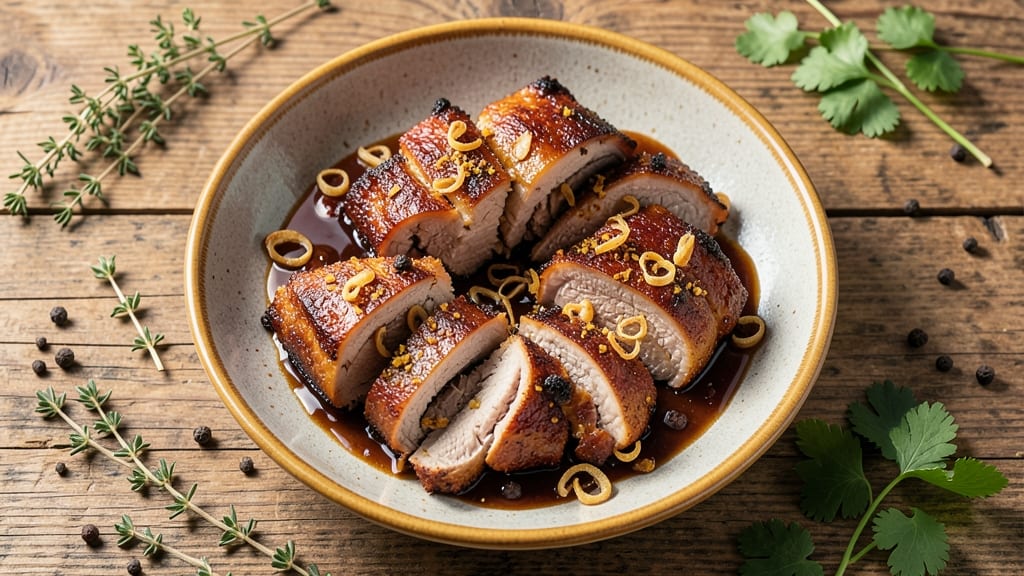
This lechon belly roll recipe transforms simple pork belly into a showstopping centerpiece with layers of crispy lard and pull-apart tenderness. The secret lies in proper scoring and slow roasting—techniques that unlock the dish’s signature texture and rich, savory flavor.
I’ve perfected this method over years of testing, ensuring every bite delivers that satisfying contrast between crispy edges and melt-in-your-mouth fat.
The process begins with a simple brine to tenderize the meat, followed by strategic scoring to encourage even cooking and crispiness. As the belly roasts, the fat renders slowly, creating pockets of golden, lard-layered magic.
This isn’t just a snack—it’s an experience, perfect for gatherings where guests can’t resist pulling off crispy pieces for themselves.
By the time it’s done, you’ll have a crispy, caramelized masterpiece with a glossy sheen and irresistible aroma. The key is patience: letting the meat rest before slicing ensures clean cuts and maximum flavor. Serve with traditional Filipino sides like sinigang or atchara for an authentic touch.
Whether you’re hosting a fiesta or craving a decadent snack, this recipe delivers restaurant-quality results at home. The method is straightforward, but the payoff is undeniable—every bite is worth the wait.
Ingredients for lechon belly roll
Pork belly transforms into crispy, caramelized perfection with these aromatic spices and precise technique.
| Ingredient | Amount | Notes |
|---|---|---|
| Pork Belly (Lechon) 🐖 | 4 lb | Skin-on, thick-cut preferred |
| Kosher Salt 🧂 | ½ cup | Diamond Crystal preferred |
| Brown Sugar 🍯 | ¼ cup | Lightly packed for balance |
| Garlic Cloves 🧄 | 8 cloves | Minced for marinade |
| Black Peppercorns 🌶️ | 1 tbsp | Freshly cracked for depth |
| Bay Leaves 🍃 | 4 whole | Dried, for aromatic base |
| Ground Black Pepper 🌶️ | 1 tsp | Freshly ground for heat |
| Olive Oil 🫒 | ¼ cup | Extra-virgin for crisping |
| Fresh Lemongrass 🌿 | 1 stalk | Bruised for infusion |
| Whole Cloves 🌶️ | 6 whole | Studded for warmth |
| Cinnamon Sticks 🌿 | 2 whole | For subtle sweetness |
| Fresh Turmeric 🍋 | 1 tbsp | Grated for golden hue |
| Whole Star Anise 🌶️ | 2 whole | Optional for depth |
| Fresh Ginger 🌿 | 1 tbsp | Grated for zing |
The pork belly is the foundation—seek thick-cut, skin-on pieces from a trusted butcher (I prefer Whole Foods or local Asian markets for quality). Look for even fat distribution and vibrant pink color (avoid grayish tones). The kosher salt should be Diamond Crystal for optimal dissolution, while brown sugar adds caramelization without overpowering. Garlic cloves and black peppercorns should be freshly cracked for maximum aroma. For the aromatic bundle, lemongrass must be bruised (not chopped) to release oils, and turmeric should be freshly grated for the signature golden hue. Whole spices like cloves and star anise can be sourced from Penzeys or bulk bins at specialty stores.
No lemongrass? Substitute 1 tbsp lime zest (though texture differs). Turmeric unavailable? 1/4 tsp curry powder mimics the color. Whole spices can be omitted if unavailable, but ground versions (like cinnamon) lose depth. For ginger, 1 tsp ginger powder works in a pinch, though fresh is ideal. Olive oil must be extra-virgin—cheap oils won’t crisp the skin properly. Brown sugar can be swapped for white sugar, but caramelization will be less pronounced. Pork belly substitutes like pork shoulder lack the fat layers, but if necessary, increase cooking time by 30-45 minutes.
Store uncooked pork belly in the fridge for up to 3 days wrapped tightly in plastic. Cooked lechon reheats best at 300°F (150°C) for 15-20 minutes to restore crispiness. Leftovers keep 4-5 days refrigerated or 3 months frozen (wrap tightly in foil). For large gatherings, double the batch—this recipe scales beautifully. Resting time (20-30 minutes) is critical before slicing to retain moisture and clean cuts. Garnish with extra black pepper just before serving for a restaurant-quality finish.
Why You'll Love This Recipe
- One-Pan Magic: Honestly, this is the kind of recipe where you barely need to move after the initial prep. The pork belly gets scored, rubbed with just salt and sugar, then roasted—no flipping, no fussing. I swear, I’ve made this while scrolling through my phone; the garlic and peppercorns do all the heavy lifting.
- Crispy-Creamy Bliss: That first bite? Pure satisfaction. The brown sugar crust locks in the fat, giving you a caramelized exterior that shatters at the touch of your fork, while the inside stays juicy and tender. Between us, I’ve had people ask for seconds before the plate even hits the table.
- Party-Proof Perfection: Here’s what sold me—this feeds a crowd without feeling like a chore. Slice it thin, and you’ve got enough for a family dinner or a potluck. (Yes, even on a Tuesday night.) The leftovers? Just as good cold the next day—ideal for lunchboxes or quick snacks.
- Budget-Friendly Luxury: Pork belly might sound fancy, but it’s actually one of the most cost-effective ways to feed a group. A single roll stretches across multiple meals, and the ingredients? Salt, sugar, garlic—stuff you already have. My wallet and my taste buds thank me every time.
Step-by-step instructions for crispy lechon belly roll
Master the art of transforming pork belly into a lard-layered masterpiece with perfect crispiness and pull-apart tenderness.
Prepare the Dry Rub for Maximum Flavor Infusion
In a medium bowl, combine the 0.5 cup kosher salt, 0.25 cup brown sugar, 1 tbsp freshly cracked black peppercorns, 1 tsp ground black pepper, 1 tbsp grated fresh ginger, 1 tbsp grated fresh turmeric, 6 whole cloves, 2 whole cinnamon sticks, 2 whole star anise, and 4 whole bay leaves. This aromatic blend creates the perfect balance of saltiness, warmth, and subtle sweetness that defines authentic lechon flavor.
Using your hands, thoroughly mix all ingredients until the salt and sugar create a coarse, even coating. The turmeric will give your pork belly that signature golden hue while the spices penetrate deeply during the curing process. Store this dry rub mixture in an airtight container until ready to use.
Cure the Pork Belly for Optimal Texture
Pat the 4 lb pork belly (lechon) completely dry with paper towels, removing any excess moisture from the skin and fat. This step is crucial for developing that coveted crispy exterior. Place the pork belly skin-side down on a wire rack set over a baking sheet to allow air circulation on all sides.
Generously apply the prepared dry rub all over the pork belly, pressing it firmly into the meat and fat cap. The rub should adhere evenly, especially in the thickest areas. Cover with plastic wrap and refrigerate for 24 hours, flipping the pork belly halfway through for even curing. This prolonged curing period ensures deep flavor penetration and proper moisture balance before cooking.
Create the Marinade for Enhanced Flavor Development
In a separate bowl, combine the 0.25 cup extra-virgin olive oil, 8 cloves minced garlic, and the 1 stalk bruised fresh lemongrass. The lemongrass should be lightly crushed to release its essential oils without breaking into pieces. Mix well to create a fragrant marinade that will infuse the pork belly with aromatic depth.
After the curing period, remove the pork belly from the refrigerator and let it sit at room temperature for 30 minutes. This allows the meat to come to a neutral temperature before cooking. Using your hands, gently massage the marinade into the pork belly, ensuring it penetrates the thickest parts. The olive oil will help create a barrier for even cooking while the garlic and lemongrass add complex layers of flavor.
Roll and Secure the Pork Belly for Perfect Shape
Carefully unwrap the pork belly and place it skin-side down on a clean work surface. Using a sharp chef's knife, score the fat cap in a diamond pattern, being careful not to cut into the meat. This creates channels for the rendered fat to escape during cooking, resulting in that signature crispy bark.
Starting from the thickest end, roll the pork belly tightly into a log shape, tucking the edges as you go. Secure the roll with kitchen twine at 2-inch intervals to maintain its shape during cooking. The roll should be compact but not overly compressed, allowing the fat layers to render properly. This rolling technique creates the signature pull-apart texture that makes lechon so irresistible.
Cook to Crispy Perfection with Precision
Preheat your oven to 325°F. Place the rolled pork belly seam-side down on a rack in a roasting pan, allowing air to circulate underneath for even cooking. Roast uncovered for 3 hours, basting with the rendered fat every 30 minutes to promote crispiness. The internal temperature should reach 160°F at the thickest part of the meat.
Increase the oven temperature to 425°F and continue roasting for an additional 30-45 minutes until the skin becomes deep golden brown and crispy. The pork belly should be fork-tender with a beautiful caramelized exterior. For extra crispiness, you can broil for 2-3 minutes at the end, watching closely to prevent burning. The contrast between the crispy exterior and tender interior is what makes this dish truly exceptional.
Pro Tips For Making Lechon Belly Roll
- SCORE THE BELLY FIRST: Run a sharp knife along the fat cap in a crosshatch pattern—about ¼-inch deep—before salting. This lets the salt and sugar penetrate faster and prevents a greasy, unseasoned mess when you roll it up. (Yes, it looks brutal, but trust me, your lechon won’t fall apart.)
- SALT LIKE A FILIPINO GRANDMA: Don’t just sprinkle—pack that kosher salt into the fat layers, then rub it in hard enough to make your hands sticky. After 30 minutes, flip the belly and repeat. The sugar should cling like glue; if it doesn’t, you’re not pressing hard enough. (Pro move: Toss the garlic and peppercorns in the sugar first—it’ll distribute evenly when you rub.)
- SEAR IN BATCHES: Your pan won’t hold all that belly at once, and crowding = steam = soggy crust. Work in two rounds: sear the fat side first until deep golden (5-6 minutes), then flip and crisp the meat side another 3-4 minutes. Skip the urge to rush—patience here means caramelized fat, not a sad, greasy puddle.
- REST UNDER FOIL: After roasting, tent that belly with foil for 10 minutes—before slicing. The residual heat keeps the meat tender while the fat firms up enough to slice cleanly. I learned this the hard way when my first roll oozed like a sad fondue. (Your knife will thank you.)
Flavor customization for these flavors
Spicy Filipino Twist
For a fiery kick, add 1 tbsp Calabrian chili paste to the marinade or brush 2 tbsp lechon sauce mixed with 1 tsp sriracha on the finished roll.
I like to sprinkle 1 tsp toasted black pepper flakes and ½ tsp ground coriander right before serving for a smoky, spicy finish. This variation works especially well with sweet potato fries on the side to balance the heat. 🌶️
Sweet & Sticky Glaze
Create a caramelized glaze by simmering ½ cup brown sugar, 2 tbsp soy sauce, 1 tbsp apple cider vinegar, and 1 tsp grated ginger until thickened. Brush this sticky mixture over the rolled pork belly during the final 15 minutes of cooking at 425°F.
The result? A glossy, amber crust with deep umami notes. I recommend pairing this with pickled red onions for acidity. 🍯
Herb-Infused Variation
Swap the cinnamon and star anise for 1 tbsp fresh thyme, 1 tbsp rosemary, and 1 tbsp chopped cilantro stems in the dry rub. The herbs add a bright, earthy contrast to the rich pork.
After roasting, garnish with chopped fresh cilantro and a squeeze of lime juice for a refreshing twist. This version pairs beautifully with mango salsa or avocado slices. 🌿
Smoky BBQ Fusion
Infuse the pork with smoked paprika and liquid smoke—add 1 tbsp smoked paprika to the dry rub and 1 tsp liquid smoke to the marinade. For extra depth, baste the roll with ½ cup BBQ sauce (I prefer St. Louis-style) during the final 30 minutes of cooking.
Serve with cornbread and baked beans for a Southern-Filipino mashup. 🔥
Citrus Zest Brightener
Add zest of 1 lime and zest of 1 orange to the marinade for a vibrant citrus note. After roasting, drizzle with a honey-lime reduction (simmer 2 tbsp honey, 1 tbsp lime juice, and 1 tsp grated lime zest until syrupy).
The acidity cuts through the richness beautifully. This version shines with cucumber salad or green papaya salad. 🍋
Creamy Garlic Sauce
For a luxurious finish, prepare a garlic-herb cream sauce by blending ½ cup sour cream, 3 cloves roasted garlic, 1 tbsp chopped parsley, ½ tsp salt, and ¼ tsp black pepper.
Serve the sliced lechon roll with this sauce drizzled on top. The cool creaminess balances the crispy, fatty pork perfectly. 🧈
Nutrition facts
Frequently asked questions about lechon belly roll
How do I prevent the pork belly from becoming too greasy?
Score the fat in a diamond pattern before rolling—this creates channels for excess fat to render out. Use a wire rack in your roasting pan to allow air circulation underneath, and pat the skin completely dry before seasoning. Basting with rendered fat (not extra oil) during cooking helps crisp the skin rather than making it soggy.
Can I make this recipe without a 24-hour curing time?
Yes, but expect less flavor depth. For a quicker version, apply the dry rub and refrigerate for at least 4 hours (overnight is ideal). The curing time enhances tenderness and lets spices penetrate the meat. If short on time, increase the roasting time by 15-20 minutes to compensate for reduced marinade absorption.
What’s the best way to slice the lechon belly roll?
Let the roll rest for 20-30 minutes after cooking to allow juices to redistribute. Use a sharp knife and cut against the grain at a 45-degree angle for thicker slices. For presentation, slice into ½-inch thick rounds and fan them out on a platter. The crispy skin should crackle with each bite.
How can I reheat leftovers without losing crispiness?
Reheat in a 400°F (200°C) oven for 10-12 minutes on a wire rack over a baking sheet. Avoid microwaving—it steams the meat and destroys the crispy texture. For extra crunch, broil for 1-2 minutes at the end. Store leftovers in the fridge for 4-5 days or freeze for up to 3 months.
What sides pair best with lechon belly roll?
Traditional Filipino sides like sinigang (sour soup) or atchara (pickled vegetables) balance the richness. For modern twists, try garlic green beans, coconut rice, or grilled pineapple slices. The acidity and freshness cut through the fatty pork beautifully.