
Snacks
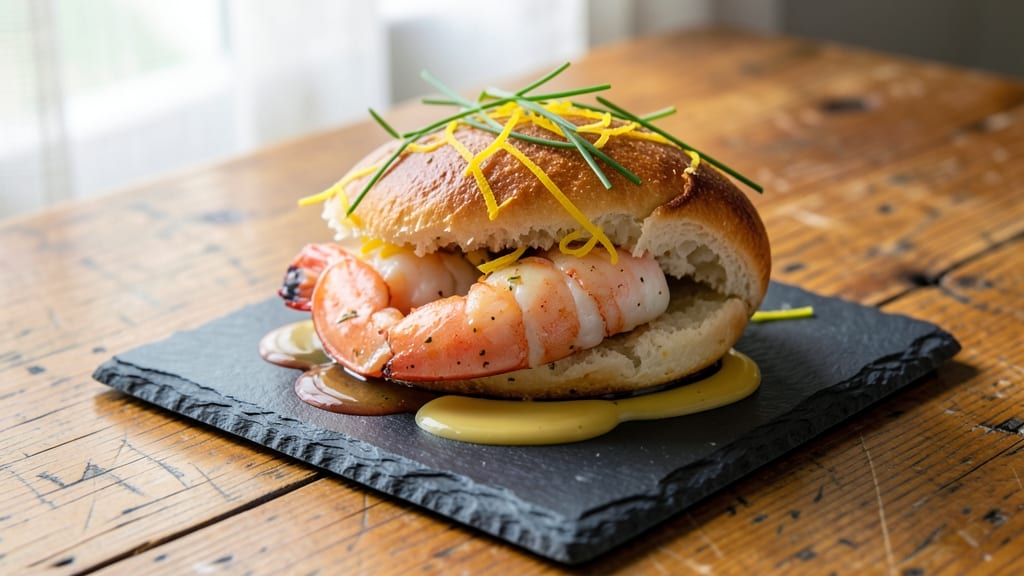
This libster roll recipe delivers the perfect balance of buttery, flaky layers and tender lobster meat infused with bright lemon-herb flavors. After years of perfecting the technique, I've cracked the code for achieving restaurant-quality texture at home—no shortcuts, just precise method.
The secret lies in properly poaching the lobster and toasting the buns just enough to create that signature crispy exterior while keeping the interior soft and pillowy.
The foundation of great libster rolls starts with quality ingredients: fresh, sweet lobster meat and a flaky brioche or potato bun that can handle the buttery treatment. I recommend poaching the lobster in court bouillon for maximum tenderness, then chilling it before chopping into bite-sized pieces.
The lemon-herb filling transforms ordinary lobster into something extraordinary—bright, aromatic, and perfectly balanced with just the right amount of zing.
What you'll end up with is a handheld masterpiece that's crispy on the outside, tender on the inside, and bursting with oceanic flavor in every bite. The buttery buns soak up just enough filling to create that signature "juicy" texture without falling apart.
This is the kind of dish that makes weeknight dinners feel like a coastal escape—elegant enough for company but simple enough for any occasion.
Serve with classic sides like crisp salad, lemon wedges for extra brightness, or a dollop of tartar sauce for dipping. The presentation is just as important as the taste—stack those flaky layers high and let the golden-brown buns shine. Let's get started on creating your perfect libster rolls.
Ingredients for libster roll
Four flaky buns meet tender lobster and bright lemon-herb filling for restaurant-quality libster rolls at home.
| Ingredient | Amount | Notes |
|---|---|---|
| Fresh Lobster Meat 🦞 | 1 ½ lb | Poached, chilled, chopped into bite-sized pieces |
| Brioche Rolls 🥖 | 4 whole | Flaky, slightly sweet, 3-4 inches in diameter |
| Unsalted Butter 🧈 | ½ cup | Cold, cubed for toasting buns |
| Lemon Zest 🍋 | 1 tbsp | Freshly grated from organic lemons |
| Lemon Juice 🍋 | 2 tbsp | Freshly squeezed from same lemons |
| Fresh Chives 🌿 | ¼ cup | Finely chopped, mild onion flavor |
| Fresh Dill 🌿 | ¼ cup | Finely chopped, bright herbal note |
| Garlic Cloves 🧄 | 2 cloves | Minced, fresh for maximum flavor |
| Heavy Cream 🥛 | ¼ cup | Full-fat for richness in filling |
| Salt 🧂 | ½ tsp | Kosher or sea salt for seasoning |
| Black Pepper 🌶️ | ¼ tsp | Freshly ground for optimal flavor |
| Court Bouillon 🍲 | 2 cups | Homemade or high-quality store-bought |
| Mayonnaise 🥫 | 2 tbsp | For binding filling (Duke's preferred) |
The lobster is non-negotiable—freshly poached in court bouillon ensures maximum tenderness. For the best quality, look for live lobsters at specialty seafood markets or order them pre-cooked from Whole Foods or Trader Joe's if you're short on time. The brioche rolls should be freshly baked (or reheated in the oven) to achieve that signature flaky texture. If you can't find brioche, potato rolls work well as a substitute—they hold up better to the buttery treatment. For the court bouillon, homemade is ideal (just simmer lobster shells with aromatics), but Gorton's or Trader Joe's sell pre-made versions that work in a pinch.
No fresh herbs? Dried chives and dill at one-third the amount will get you close, though the flavor won't be as bright. Short on heavy cream? Half-and-half or whole milk works, but the filling will be slightly lighter. The mayonnaise acts as a binder—Duke's or Hellmann's are reliable choices, but avoid light versions. For extra richness, add a splash of lobster stock to the filling. The lemon zest and juice should come from the same lemons for consistency—organic Meyer lemons add a subtle sweetness that pairs beautifully with the lobster. If you're making these ahead, prepare the filling and store it separately until ready to assemble.
The lobster meat keeps best for 2 days in the fridge once poached—store it in an airtight container with a splash of water to maintain moisture. Brioche rolls can be toasted up to 1 day ahead and reheated in the oven before assembling. The completed libster rolls reheat beautifully—wrap them in foil and warm in a 350°F oven for 10-15 minutes to restore that crispy exterior. For presentation, arrange the rolls on a platter with lemon wedges and a small bowl of tartar sauce on the side. These make elegant appetizers or a light lunch—double the recipe for a crowd, as they disappear quickly.
Why You'll Love This Recipe
- No Fuss Assembly: I swear, this comes together faster than you can say "brunch is served." Just butter the brioche, stuff it with lobster, fold, and bake—no fancy plating or last-minute stress.
- Buttery Lemon Magic: That first bite? Rich, tender lobster wrapped in buttery brioche, kissed by bright lemon zest. It’s like a hug for your taste buds—salty, sweet, and zesty all at once.
- Brunch or Dinner Hero: Serve it warm with a side salad for a fancy brunch, or chilled with cocktail sauce for a showstopping dinner. Honestly, it’s the one dish that works for both—and still feels special.
- Leftovers That Don’t Suck: Unlike most seafood dishes, these reheat like a dream. Toss them in a pan with a splash of lemon juice, and they’re just as good the next day—no sad, rubbery texture here.
Step-by-step instructions for libster rolls recipe
Here's how to create buttery, flaky lobster rolls with a bright lemon-herb filling that stays moist and delicious.
Poach the Lobster Meat in Court Bouillon
Bring the 2 cups court bouillon to a gentle simmer in a medium saucepan over medium heat. Add the 1.5 lb fresh lobster meat and cook for 8-10 minutes until the meat turns opaque and flakes easily with a fork. The court bouillon should infuse the lobster with subtle herbal notes while keeping it tender.
Remove the lobster from the broth and transfer it to a bowl. Let it cool for 5 minutes, then drain any excess liquid. Using two forks, gently flake the lobster into bite-sized pieces—about ½-inch chunks—and set aside. Reserve ½ cup of the poaching liquid for the filling later. This step ensures your lobster stays moist and absorbs the flavors of the broth.
Prepare the Lemon-Herb Filling
In a mixing bowl, combine the flaked lobster with the 2 tbsp mayonnaise, 0.25 cup heavy cream, 1 tbsp lemon zest, and 2 tbsp lemon juice. Add the 0.25 cup fresh chives, 0.25 cup fresh dill, 2 cloves minced garlic, 0.5 tsp salt, and 0.25 tsp black pepper. Gently fold everything together until fully incorporated—you want the lobster to be evenly coated without breaking it apart further.
Stir in 2 tablespoons of the reserved poaching liquid to add depth of flavor and help bind the mixture. Taste and adjust seasoning if needed, adding a pinch more salt or lemon juice for brightness. The filling should be creamy but not watery, with vibrant pops of lemon and fresh herbs. Cover and refrigerate while you prepare the rolls.
Toast the Brioche Rolls for Maximum Flakiness
Preheat your oven to 375°F. Cut each of the 4 whole brioche rolls in half horizontally, creating 8 soft, flaky halves. Place them on a baking sheet lined with parchment paper, cut-side up. Brush the tops generously with melted unsalted butter, using about 1 tablespoon per roll half. This butter will create a golden, crispy crust while keeping the interior tender.
Bake the rolls for 8-10 minutes until they're golden brown and puffed slightly at the edges. Watch closely—the brioche can go from perfect to overdone quickly. Remove from the oven and let them cool for 2 minutes before assembling. The warmth will help the butter set, ensuring each bite delivers that signature flaky texture.
Assemble and Serve the Libster Rolls
Spread a generous layer of the lemon-herb lobster filling onto the bottom half of each brioche roll. Be careful not to overfill—the rolls should be plump but not bursting. Top with the remaining roll halves, pressing gently to seal. For an extra touch, brush the outsides with a little more melted butter and sprinkle with a pinch of freshly ground black pepper and lemon zest for color and flavor.
Serve immediately while the rolls are warm and the filling is still creamy. The contrast of the buttery, flaky brioche with the bright, herby lobster filling makes every bite unforgettable. Pair with a crisp green salad and a chilled glass of sparkling wine for a complete seafood experience. If making ahead, assemble the rolls without toasting the buns until just before serving to maintain freshness.
Pro Tips For Making Libster Roll
- Preheat Your Pan: Cast iron or heavy stainless steel—get it screaming hot before adding butter. I learned this the hard way when my butter burned before the rolls even toasted. A quick wipe with a paper towel after melting guarantees a crisp crust without sticking.
- Pat Dry the Lobster: Fresh lobster meat holds moisture like a sponge. Wrap it in paper towels and press firmly for 10 seconds—this prevents soggy rolls. (Yes, even if it looks weirdly dry afterward.)
- Don’t Overstuff the Rolls: Brioche is delicate—pack too much lobster inside, and it’ll burst open when you slice. Aim for 2-3 ounces per roll, then seal the edges with a dab of butter before toasting. Trust me, your plating will thank you.
- Toast Rolls First: Warm the brioche in the oven at 375°F for 3-4 minutes before stuffing. This step locks in moisture and gives you that perfect buttery crust without making the lobster rubbery. (I skip this, and the rolls turn gummy every time.)
Essential equipment for this dish
Bun Prep Essentials
Start with high-quality brioche rolls—look for brands like Stouffer's or Pepperidge Farm for that signature flakiness. If you can't find brioche, potato rolls from Sara Lee work well as a substitute.
I recommend cutting the rolls horizontally with a sharp serrated knife (like Victorinox Fibrox) to ensure clean slices. A baking stone in your oven creates even heat distribution for perfect toasting.
For buttering, use European-style unsalted butter like Plugrá or Kerrygold—they melt beautifully and add rich flavor. A pastry brush (like OXO Good Grips) helps distribute butter evenly without over-saturating the buns. Preheat your oven to 375°F and use a wire cooling rack to prevent sogginess while toasting.
Lobster Prep Tools
A fine-mesh strainer (like OXO Good Grips) is essential for draining poached lobster without losing moisture. For flaking, I use two forks or a lobster pick (available at seafood suppliers) to gently separate the meat.
A small saucepan with tight-fitting lid (like All-Clad Stainless) keeps court bouillon at a consistent simmer for even cooking.
For measuring herbs, a microplane (like OXO Good Grips) makes quick work of lemon zest, while a sharp chef's knife (like Wüsthof) ensures precise mincing of garlic and herbs.
A small mixing bowl (like Pyrex) with a flexible silicone spatula helps combine the filling without breaking the lobster pieces.
Assembly & Serving Gear
Use a small offset spatula (like OXO Good Grips) to spread filling evenly—this prevents overfilling and maintains the rolls' structural integrity. For presentation, arrange rolls on a slate board or wooden platter (like Williams Sonoma) with lemon wedges and tartar sauce in small ramekins (like Le Creuset).
A kitchen torch (like Weck) adds a final crisp to the tops right before serving.
For make-ahead prep, store assembled rolls in an airtight container (like Rubbermaid) with parchment paper between layers. Reheat in a 350°F oven for 10-15 minutes to restore crispiness. A digital thermometer (like ThermoWorks Thermapen) ensures perfect internal temps for both lobster and buns.
Budget-Friendly Swaps
Skip expensive brioche by using homemade dinner rolls—just add 1 egg yolk and 1 tbsp melted butter to your dough for extra richness. For lobster, frozen cooked lobster meat (like Trader Joe's) works in a pinch, though fresh is ideal.
A basic mixing bowl and wooden spoon suffice for the filling if you don’t have specialty tools.
Instead of a baking stone, use a heavy oven-safe skillet (like Lodge Cast Iron) for toasting buns. For buttering, a butter knife works just as well as a pastry brush. The key is precision—even basic tools can yield restaurant-quality results with the right technique.
Nutrition facts
Frequently asked questions
Can I use frozen lobster meat instead of fresh?
Yes, but with a few adjustments! Thaw frozen lobster meat overnight in the fridge, then drain and pat dry completely before poaching. For best results, add 1 extra minute to the poaching time (9-11 minutes) since frozen meat can be slightly denser. Avoid using pre-cooked frozen lobster from the can—it lacks the tender texture you need for perfect rolls.
What's the best way to keep the buns from getting soggy?
Toast the buns just before assembling and let them cool for 2 minutes to set the butter. For extra insurance, brush the cut sides with a thin layer of melted butter before adding the filling. If making ahead, assemble the rolls without toasting the buns until the last moment—reheat in a 350°F oven for 10 minutes before serving.
How do I make these rolls without butter?
Use olive oil instead—opt for extra virgin for richness. Brush the buns with 1 tablespoon olive oil per half and toast at 375°F for 8-10 minutes. For the filling, replace the butter in the court bouillon with 1 tbsp olive oil and add ½ tsp lemon zest to compensate for the flavor difference.
Can I grill the lobster rolls instead of baking?
After assembling, grill over medium-high heat for 2-3 minutes per side until golden brown. For extra flavor, brush the outsides with melted butter and sprinkle with paprika before grilling. Keep a close eye—the buns can burn quickly. Grilling works especially well for summer gatherings when you want that smoky char.
What's the secret to getting flaky buns every time?
The key is high heat and butter. Use a baking stone for even heat distribution and toast the rolls until they're golden brown with slight puffiness. For extra flakiness, let the buns cool for 5 minutes after toasting before assembling—this helps the butter set properly. Never skip the butter; it's what creates those signature layers.