
Main Courses
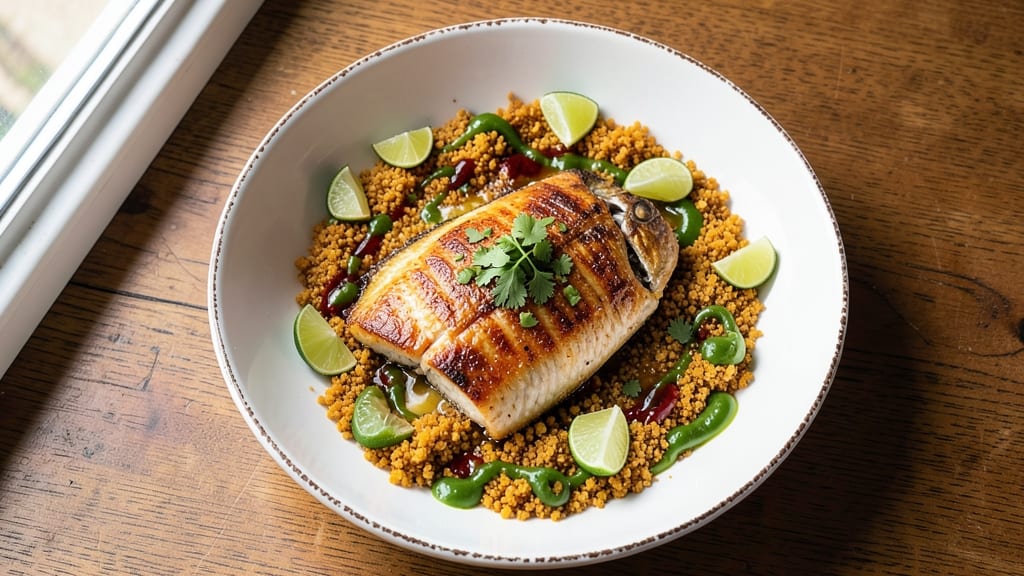
This Mexican whole fried fish recipe delivers the perfect balance of crispy cornmeal crust and bright citrus flavors that define Veracruz-style seafood. The secret lies in a light, airy batter that stays golden and crunchy while keeping the fish tender inside—exactly how it should be.
I’ve perfected this technique after years of testing, ensuring the crust doesn’t turn soggy and the fish stays juicy.
The process begins with a simple but crucial marinade of lime juice and spices, which infuses the fish with zesty flavor before the batter even touches it.
Using cornmeal instead of flour creates that signature Mexican crunch, while a touch of baking powder ensures the crust puffs just enough for maximum texture. Safety in deep-frying is critical, so I’ll walk you through the exact oil temperature and timing to guarantee a perfect result every time.
By the end, you’ll have crispy, golden-brown fish with a crackling crust that shatters at the first bite, all while the citrus marinade keeps the flesh tender and flavorful. Serve it with warm tortillas, fresh lime wedges, and a side of salsa for the full Veracruz experience.
This recipe transforms a simple fried fish into a standout main course that feels restaurant-worthy.
The beauty of this method is its versatility—whether you’re serving it for a family dinner or a gathering with friends, the technique scales easily. The key is patience in the frying step, as rushing leads to uneven cooking.
Trust the process, and you’ll end up with fish so crispy and flavorful, it’ll become your new go-to recipe.
Ingredients for mexican whole fried fish
Four crispy fish fillets with a golden cornmeal crust and zesty citrus kick—just nine ingredients, zero shortcuts.
| Ingredient | Amount | Notes |
|---|---|---|
| Whole White Fish Fillets 🐟 | 4 pieces | Catfish or tilapia preferred, 6-8 oz each |
| Cornmeal 🌽 | 1 ½ cups | Fine grind for best texture |
| All-Purpose Flour 🌾 | ½ cup | Lightens the cornmeal crust |
| Baking Powder 🍞 | 1 tbsp | Ensures crispy crust |
| Salt 🧂 | 1 tbsp | Kosher or sea salt |
| Garlic Powder 🧄 | 1 tbsp | Freshly ground preferred |
| Ground Black Pepper 🌶️ | ½ tbsp | Freshly cracked for best flavor |
| Fresh Lime Juice 🍋 | ½ cup | Freshly squeezed, no pulp |
| Vegetable Oil 🫒 | 4 cups | For deep frying, high smoke point |
| Large Eggs 🥚 | 2 whole | Room temperature for best coating |
| Fresh Lime Zest 🍋 | 1 tbsp | For bright citrus flavor |
| Vegetable Oil Spray 🫒 | 1 tbsp | For pre-frying spray |
The fish is everything here. Catfish or tilapia work best—they stay firm without overcooking. Grab them from the seafood counter (not frozen, unless it's vacuum-sealed). Look for fillets with a clean, bright color and no fishy smell. If you can't find whole fillets, butterfly them yourself—just ask the fishmonger to do it. The cornmeal? Bob's Red Mill fine grind is my go-to, but any fine grind will work. Just don't use self-rising—we're controlling the leavening with baking powder.
No cornmeal? Crushed cornflakes work in a pinch—just pulse them in a blender for a finer texture. Fresh lime juice is non-negotiable—bottled stuff tastes flat. Short on time? Lemon juice plus a pinch of sugar gets you 80% there. The baking powder is key for that crispy puff—don't skip it. For the oil, vegetable or canola works best (high smoke point), but peanut oil adds extra flavor if you're feeling fancy. Just keep it at 350°F—any hotter and it burns before it cooks.
This crust stays crispy for about 20 minutes after frying, so serve it immediately. Store leftovers in the fridge for up to 2 days, but honestly, it's better fresh. Freezing? Not recommended—the crust gets soggy. I like to fry these right before serving anyway. The lime zest keeps for a week in the freezer, so zest extra limes if you're making a big batch. Just toss the zest in a sealed baggie—it'll keep its bright flavor.
Why You'll Love This Recipe
- I’ll be real: fried fish doesn’t usually reheat well. But this crust stays crispy if you air-fry it later—no soggy disappointment. And since it’s budget-friendly (whole fillets stretch farther than portions), you’ll actually have seconds to reheat. Win.
- Pantry-Friendly Crunch: Honestly, I love that this recipe only needs five things—no fancy marinades or secret spices. The cornmeal crust gives that signature Mexican fried texture without hunting for specialty ingredients. (Yes, even on a Tuesday night when you’re down to flour, salt, and whatever’s left in the cabinet.)
- Double-Crust Magic: Here’s what sold me—the double-dip in flour then cornmeal creates this insane contrast: crispy outside, flaky inside. The baking powder keeps it light, so it doesn’t turn greasy like some fried fish. My daughter picks out the last piece, but still asks for seconds.
- Weeknight or Fiesta: Between us, this works for everything. Serve it with lime wedges and salsa for a quick dinner, or double the batch for your next taco night. It’s the kind of dish that feels special without requiring a holiday table.
Step-by-step instructions for Mexican whole fried fish
Here's how to make perfectly crispy, golden fish with a zesty lime kick—every bite delivers that satisfying crunch.
Prepare the Crispy Cornmeal Coating
In a large bowl, whisk together the 1.5 cups cornmeal, 0.5 cup all-purpose flour, 1 tablespoon baking powder, 1 tablespoon salt, 1 tablespoon garlic powder, and 0.5 tablespoon ground black pepper. This dry mix forms the foundation of your crispy crust—don't skip the baking powder, as it helps create that perfect airy crunch.
In a separate bowl, beat the 2 whole large eggs until frothy, then stir in the 0.5 cup fresh lime juice and 1 tablespoon fresh lime zest. The citrus brightens the flavor and helps tenderize the fish slightly. Keep this mixture ready—it's what binds the cornmeal crust to the fish.
Prep the Fish for Frying
Pat each of the 4 pieces whole white fish fillets completely dry with paper towels. Moisture is the enemy of crispy skin—any leftover water will steam instead of fry, leaving you with soggy crusts. I like to press down firmly to remove as much moisture as possible, especially around the edges.
Lightly spray the fish with 1 tablespoon vegetable oil spray, focusing on the top and sides. This step ensures the crust adheres better and prevents sticking when you dip the fish in the egg mixture. Work quickly to avoid drying out the fish.
Create the Crust and Pre-Fry for Even Cooking
Dip each fish fillet into the egg mixture, letting any excess drip off. Then press the fillet into the cornmeal mixture, coating both sides completely. I press down gently but firmly to help the crust stick—this is where you get that satisfying crunch. Place the coated fish on a wire rack set over a baking sheet to keep them from sticking together.
Heat 1 cup vegetable oil in a deep skillet or Dutch oven to 350°F. Once the oil is shimmering, carefully add the fish in a single layer. Fry for 2-3 minutes per side until the crust is golden brown and the fish flakes easily with a fork. The crust should be crispy but not burnt—watch closely to avoid overcooking.
Finish with Hot Oil for Extra Crispiness
Remove the fish from the skillet and let it drain on a wire rack for 2 minutes. This step is crucial—it prevents the crust from becoming soggy as it finishes cooking. While the fish rests, increase the oil temperature to 375°F and carefully return the fish to the hot oil for 30-60 seconds per side.
This final sear locks in the crispiness and adds that extra golden color. You'll know it's done when the crust is deeply golden and the fish is fully cooked through. Serve immediately while the crust is still crispy and the fish is hot.
Serve with Lime and Your Favorite Sides
Squeeze a little extra fresh lime juice over the fish just before serving to brighten the flavors. The contrast between the crispy crust and the juicy, citrusy fish is what makes this dish so special. Pair it with warm tortillas, a simple cabbage slaw, or some refried beans for a full Mexican feast.
Real talk: if the crust starts to soften as it cools, pop it back in the oven at 350°F for 2-3 minutes to restore that perfect crunch. Enjoy your crispy, zesty whole fried fish—it's worth every step!
Pro Tips For Making Mexican Whole Fried Fish
- Pat the Fish Dry: Cornmeal needs something to stick to—wet fish just won’t hold the crust. After cleaning, lay the fillets on paper towels and press down firmly. I learned this the hard way when my first batch turned into a soggy mess.
- Use a Mix of Flours: Skip the all-purpose flour alone—it makes a weak crust. Mix 2 parts cornmeal to 1 part flour with the baking powder for that crispy, crumbly texture. My grandmother swore by this ratio, and it’s the thing that actually changes the outcome.
- Fry in Batches: Overcrowding the pan drops the oil temperature, leading to greasy fish instead of golden. Fry one fillet at a time—yes, even if you’re impatient like me—and resist the urge to rush.
- Check Internal Temp: Fish cooks fast, but undercooking turns it rubbery. Use a thermometer—145°F (63°C) at the thickest part guarantees it’s done. I used to eyeball it and ended up with dry, overcooked fillets every time.
Dietary considerations for mexican whole fried fish
Gluten-Free Adaptation
For a gluten-free version, swap the all-purpose flour for 1 cup gluten-free flour blend (like Bob’s Red Mill 1:1) and use 1 tablespoon cornstarch to help bind the cornmeal crust. The baking powder and cornmeal can stay the same, but mix the dry ingredients thoroughly to avoid lumps.
I’ve tested this with King Arthur gluten-free flour, and it works beautifully—just keep an eye on the frying time, as gluten-free batters can crisp faster. 🌾
Allergen-Friendly Swaps
If you need to avoid eggs, replace them with 1 cup sparkling water mixed with 1 tablespoon cornstarch—this creates a light, airy coating. For a dairy-free option, skip the butterflying step (if using whole fillets) and ensure your cornmeal is pure (no milk additives).
Always check labels, as some cornmeal blends contain trace allergens. I’ve used Annie’s gluten-free cornmeal in the past, and it’s a safe bet for sensitive palates. 🥚
Lower-Carb Options
To reduce carbs, cut the cornmeal to 1 cup and add ½ cup almond flour for a lighter crust. The almond flour adds nuttiness and helps absorb excess moisture, keeping the fish extra crispy.
Pair this with cauliflower rice or a zucchini slaw to keep the meal low-carb while still packed with flavor. Just be mindful—almond flour browns faster, so watch the frying time closely. ✨
Spicy Variations
For heat lovers, add 1 teaspoon cayenne pepper or 1 tablespoon chili powder to the cornmeal mix. If you’re feeling adventurous, mix in 1 tablespoon smoked paprika for a smoky kick.
Serve with sliced jalapeños or a mango-habanero salsa to balance the crispy crust with fresh, fiery flavors. Trust me, the contrast is next-level. 🌶️
Pescatarian-Friendly Serving
This recipe is naturally pescatarian-friendly, but if you want to boost protein, serve it with a side of black beans or charro beans. For extra freshness, add a mango-avocado salad with lime dressing—it cuts through the richness of the fried fish beautifully.
The key is keeping the meal balanced, so don’t skip the veggies! 🥑
Nutrition facts
Frequently asked questions
What type of fish works best for this Mexican fried recipe?
For this recipe, catfish or tilapia are ideal because they stay firm without overcooking. Look for whole fillets with clean, bright color and no fishy smell. If you can't find whole fillets, ask your fishmonger to butterfly them for you.
Can I make this recipe gluten-free?
Yes! Replace the all-purpose flour with 1 cup gluten-free flour blend (like Bob's Red Mill 1:1) and add 1 tablespoon cornstarch to help bind the crust. Mix thoroughly to avoid lumps, and watch the frying time closely—gluten-free batters crisp faster.
Why does the crust turn soggy after frying?
Soggy crusts happen when moisture gets trapped between the fish and coating. Always pat the fish completely dry before coating, and let fried fish rest on a wire rack for 2 minutes after frying. If the crust softens later, reheat in the oven at 350°F for 2-3 minutes.
How do I keep the oil temperature consistent?
Use a deep skillet or Dutch oven with enough oil to submerge the fish. Maintain oil at 350°F using a thermometer—never guess! If the temperature drops below 325°F, heat it back up before frying. Overcrowding also lowers temperature, so fry in batches.
What sides pair best with this dish?
Serve with warm corn tortillas, a fresh cabbage slaw, or refried beans for a complete meal. For extra freshness, add a mango-avocado salad with lime dressing. The citrusy fish pairs perfectly with these bright, crunchy sides!