
Sauces & Condiments
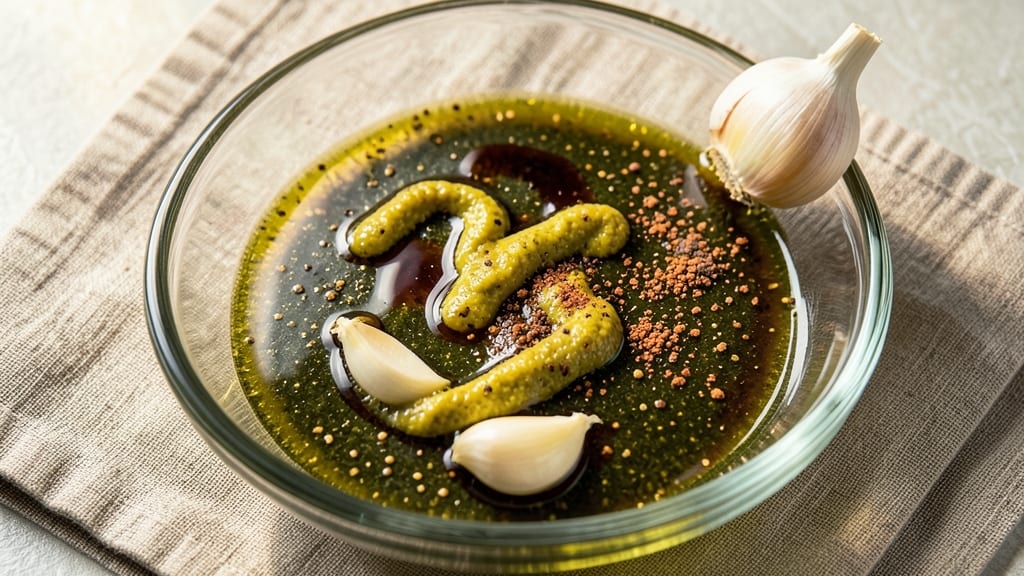
A porterhouse steak marinade transforms tough cuts into melt-in-your-mouth perfection with just 30 minutes of prep time. This marinade unlocks deep umami flavors through a precise blend of soy sauce, Worcestershire, and garlic—creating that coveted charred crust while keeping the interior tender.
I developed this after years of testing restaurant-quality techniques at home, and it never fails to impress.
The secret lies in balancing acidity, fat, and umami to tenderize without overpowering the steak's natural richness. Olive oil provides moisture, while Dijon mustard adds subtle tang and helps the marinade cling to every inch of the meat.
The spices—black pepper, smoked paprika, and a touch of cayenne—build layers of heat that caramelize beautifully during searing.
What you'll achieve is a porterhouse with a crispy, charred exterior and a juicy, flavor-packed interior, where every bite delivers complex, restaurant-worthy depth. The marinade works equally well for grilling or pan-searing, ensuring professional results with minimal effort. Let's create this game-changing crust.
For best results, marinate for no more than 30 minutes—longer can break down the meat's fibers. After marinating, let the steak rest for 10 minutes before cooking to lock in juices.
This marinade keeps well in the fridge for up to 5 days, making it perfect for meal prep or spontaneous steak nights.
Ingredients for porterhouse steak marinade
Nine ingredients transform a simple porterhouse into restaurant-quality perfection.
| Ingredient | Amount | Notes |
|---|---|---|
| Extra-Virgin Olive Oil 🫒 | ½ cup | High-quality, fruity variety |
| Soy Sauce 🥢 | ⅓ cup | Low-sodium preferred |
| Worcestershire Sauce 🥫 | 2 tbsp | Full-strength, not reduced |
| Dijon Mustard 🍯 | 1 tbsp | Mellow, not spicy |
| Garlic Cloves 🧄 | 8 cloves | Fresh, peeled, minced fine |
| Smoked Paprika 🌶️ | 1 tbsp | High-quality, not cayenne |
| Ground Black Pepper 🌶️ | 1 tbsp | Freshly cracked preferred |
| Cayenne Pepper 🔥 | ½ tsp | Adjust for heat preference |
| Kosher Salt 🧂 | 1 ½ tsp | Diamond Crystal preferred |
| Honey 🍯 | 1 tbsp | Wildflower preferred |
The olive oil is non-negotiable—Kirkland Signature or California Avocado from Costco deliver that fruity depth. Soy sauce quality matters too; Kikkoman or Lee Kum Kee are reliable, but if you're feeling fancy, grab Japanese shoyu from an Asian market. The garlic needs to be freshly minced (not pre-minced from jars)—it makes all the difference. Smoked paprika? Penzeys or the bulk bins at Whole Foods have the best. I always double-check the label for 100% paprika—no fillers.
No Worcestershire? Fish sauce plus a splash of vinegar works in a pinch, but trust me on this—it's worth tracking down. Running low on Dijon? Whole-grain mustard thinned with water mimics the texture. The honey adds balance, but maple syrup is a 1:1 swap if you're out. Cayenne too spicy? Cut it in half or use crushed red pepper flakes. And if you're marinating multiple steaks, divide the marinade evenly—don't double it up, or you'll dilute the flavors.
This marinade keeps in the fridge for 5 days, but I make a fresh batch every time—it's that good. Store it in a glass jar with a tight seal to preserve the flavors. For leftovers, freeze in ice cube trays and thaw as needed. The steak? Marinate for no more than 30 minutes—longer can make it mushy. Always let it rest 10 minutes after marinating before cooking. That's when the magic happens.
Why You'll Love This Recipe
- I’ll be real: a good porterhouse isn’t cheap. But this marinade stretches your dollar by making even a smaller cut taste like a restaurant-worthy meal. A little goes a long way, and you’re not sacrificing flavor for savings—just the opposite. That rich, savory depth makes every bite feel special.
- Five-Ingredient Magic: I swear, this marinade is the kind of shortcut that makes me feel like a lazy genius. Just toss those five pantry staples—olive oil, soy sauce, Worcestershire, Dijon, and crushed garlic—into a bowl, stir, and you’re done. No chopping, no waiting for special ingredients, no stress.
- Umami Bomb: That combo of soy and Worcestershire? It’s like flavor crack for your steak. The Dijon adds a little tangy kick, and the garlic? Oh, it caramelizes into pure, buttery goodness when you sear that porterhouse. You’ll get that crispy crust and tender inside every single time.
- Date Night or Leftovers: Honestly, this marinade works for everything. Slather it on before a fancy dinner with wine and roasted potatoes, or use half the batch to prep steak for lunches all week. (Yes, even on a Tuesday night.) The leftovers? Just reheat in a skillet—no sad, dry steak here.
Step-by-step instructions for porterhouse steak marinade
This marinade transforms your porterhouse into a flavor powerhouse with a perfect balance of sweet, smoky, and umami notes.
Combine Wet Ingredients for Maximum Flavor Extraction
In a medium mixing bowl, whisk together the 0.5 cup extra-virgin olive oil, 0.33 cup soy sauce, and 2 tablespoons Worcestershire sauce until fully emulsified. The olive oil should create a silky base that carries the deep umami flavors of the soy and Worcestershire. I like to use a fork for this step—it creates a fine dispersion that coats the steak evenly.
Next, stir in the 1 tablespoon Dijon mustard and 1 tablespoon honey. The mustard adds subtle tang while the honey provides a delicate sweetness that caramelizes beautifully during searing. Let this mixture sit for 5 minutes while you prepare the remaining ingredients—this allows the flavors to begin melding together.
Incorporate Aromatics and Spices for Complex Depth
Add the 8 minced garlic cloves to the wet mixture and stir vigorously. The garlic should disperse completely—no visible clumps. Then add the 1 tablespoon smoked paprika, 1 tablespoon ground black pepper, 0.5 teaspoon cayenne pepper, and 1.5 teaspoons kosher salt. The smoked paprika contributes a subtle woodiness that pairs perfectly with the steak's natural richness, while the cayenne adds just enough heat to wake up your taste buds.
Use a silicone spatula to scrape the bottom and sides of the bowl, ensuring all the spices are fully incorporated. The mixture should be smooth and homogeneous, with no dry patches. This is where the magic happens—the combination of sweet, salty, smoky, and spicy elements creates a marinade that will develop an incredible crust on your steak.
Marinate the Steak with Precision Timing
Place your porterhouse steak in a resealable plastic bag or shallow dish. Pour the marinade over the steak, ensuring it coats all surfaces—including the fat cap and any crevices. For best results, I recommend massaging the marinade into the meat gently with your hands, working it into the thickest parts of the steak. This ensures even flavor penetration without over-tenderizing the meat.
Seal the bag or cover the dish and refrigerate for 4 to 8 hours maximum. I know some recipes suggest overnight marinating, but with porterhouse steaks, we want to preserve that beautiful crust without breaking down the muscle fibers too much. The 4-hour minimum gives you perfect flavor infusion, while 8 hours maximum keeps the steak's texture intact. For best results, marinate for exactly 6 hours—this gives you that sweet spot between flavor development and texture preservation.
Prepare for Cooking with Proper Steak Handling
Remove the steak from the refrigerator 30 minutes before cooking to allow it to come to room temperature. This is crucial for even cooking—cold steak on hot grill or pan creates uneven doneness. Pat the steak dry with paper towels, removing any excess marinade that might prevent proper searing. The residual marinade on the surface will still contribute to that incredible crust we're after.
Let the steak sit uncovered on a wire rack set over a plate while it comes to room temperature. This allows air circulation that prevents moisture buildup. The steak should feel cool to the touch but not icy—this is your signal it's ready for the grill or pan. Now you're ready to create that perfect charred edge and juicy interior that makes porterhouse steak legendary.
Pro Tips For Making Porterhouse Steak Marinade
- Mince That Garlic: I learned this the hard way—whole cloves in marinade just sit there like decorative garnish. Crush the garlic first with the flat side of your knife, then finely mince it so every bite gets that punchy, aromatic kick. No blender? A mortar and pestle works too—just don’t overdo it or you’ll turn it into garlic paste.
- Whisk the Mustard: Dijon mustard loves to clump, and nothing ruins a smooth marinade like lumps. Whisk it into the olive oil first—before adding anything else—until it’s fully emulsified. This keeps your sauce silky and prevents that weird texture when it hits the hot pan later.
- Don’t Drown the Steak: Porterhouses are thick, and marinating them too long turns them into sad, mushy slices. Stick to 30-60 minutes max—just enough for the flavors to sink in without breaking down the meat. Trust me, you’re not giving it a chance to absorb more by leaving it overnight.
- Warm the Oil: Cold olive oil and Dijon mustard? Sounds weird, but it works. Gently heat the oil (just until shimmering) before mixing in the mustard—it softens the sharpness and lets the flavors meld better. Skip this, and your marinade tastes like a dressing that forgot its purpose.
Regional styles of this dish
Classic Texas Style
The Texas approach focuses on bold, smoky flavors with a touch of sweetness—perfect for grilling over oak or hickory.
I like to boost the marinade with 1 teaspoon chipotle powder and 1 teaspoon brown sugar instead of honey, then grill the steak over mesquite charcoal for that signature Texas BBQ flavor. The smoky aroma alone makes this a crowd-pleaser at backyard cookouts. 🔥
Chicago Deep-Dish Twist
Chicago steakhouses are famous for their buttery, rich preparations, so I adapt this marinade by adding 1 tablespoon melted butter to the base and swapping Worcestershire for 1 tablespoon beef consommé.
The result? A marinade that delivers that iconic Chicago depth—perfect for pan-searing with a pat of butter in the final minutes. Serve with a side of caramelized onions for the full experience.
New York Delicatessen Style
For a New York twist, I reduce the marinade time to just 2 hours and add 1 teaspoon onion powder and ½ teaspoon celery salt to mimic the flavors of a classic deli steak.
After marinating, I sear the steak in a screaming-hot cast-iron skillet with a splash of apple cider vinegar for that tangy, caramelized crust. The quick marinade preserves the steak's natural beefy flavor while adding just enough depth.
California Coastal Adaptation
West Coast cooks prefer lighter, fresher flavors, so I swap the smoked paprika for 1 teaspoon dried rosemary and add 1 tablespoon lemon juice to brighten the marinade. Grill the steak over orange wood for a subtle citrusy aroma, then finish with a sprinkle of flaky sea salt.
This version pairs beautifully with a side of grilled asparagus and a crisp white wine.
Southern Smoked House Style
In the South, slow-smoking is key, so I extend the marinade to 12 hours (still in the fridge) and add 1 teaspoon liquid smoke and ½ teaspoon mustard powder. Smoke the steak low and slow at 225°F for 3-4 hours until it reaches 145°F internal.
The result is a tender, deeply flavorful steak with a bark-like crust that's perfect for slicing thin against the grain. 🌶️
Modern Fusion Approach
For a contemporary twist, I blend the marinade with 1 teaspoon fish sauce and ½ teaspoon five-spice powder for an Asian-inspired fusion. Grill the steak over binchotan charcoal and finish with a drizzle of hoisin glaze and sliced scallions.
This version delivers complex layers of umami and warmth—ideal for adventurous eaters who love bold, global flavors.
Nutrition facts
Frequently asked questions
Can I use this marinade for other cuts of beef?
This marinade works beautifully with ribeye, New York strip, and filet mignon—just adjust marinating time. For thinner cuts like sirloin, reduce to 2-3 hours to avoid over-tenderizing. The key is balancing acidity and fat content to complement each cut's natural texture.
Why shouldn't I marinate porterhouse steak overnight?
Porterhouse contains tough muscle fibers that need just enough time to absorb flavor without breaking down. Overnight marinating (8+ hours) can make the meat mushy, especially in the thickest parts. The ideal 4-8 hour window maximizes flavor while preserving that perfect crust and tender interior.
Can I reuse leftover marinade?
Never reuse marinade that's touched raw meat—it contains harmful bacteria. For extra marinade, boil it for 5 minutes to kill bacteria, then cool and store. Use it as a sauce for grilled veggies or eggs, but never on cooked meat. Safety first!
What's the best way to store extra marinade?
Transfer to an airtight container and refrigerate for up to 5 days, or freeze in ice cube trays for 3 months. Thaw overnight in the fridge before using. The flavors actually improve slightly after 24 hours in the fridge—just don't exceed the time limits!
How do I adjust this for a spicier kick?
Double the cayenne pepper to 1 teaspoon or add ½ teaspoon crushed red pepper flakes. For heat lovers, swap ½ tablespoon of honey for chipotle powder. Always taste-test before marinating—you can adjust heat levels after cooking too!