
Main Courses
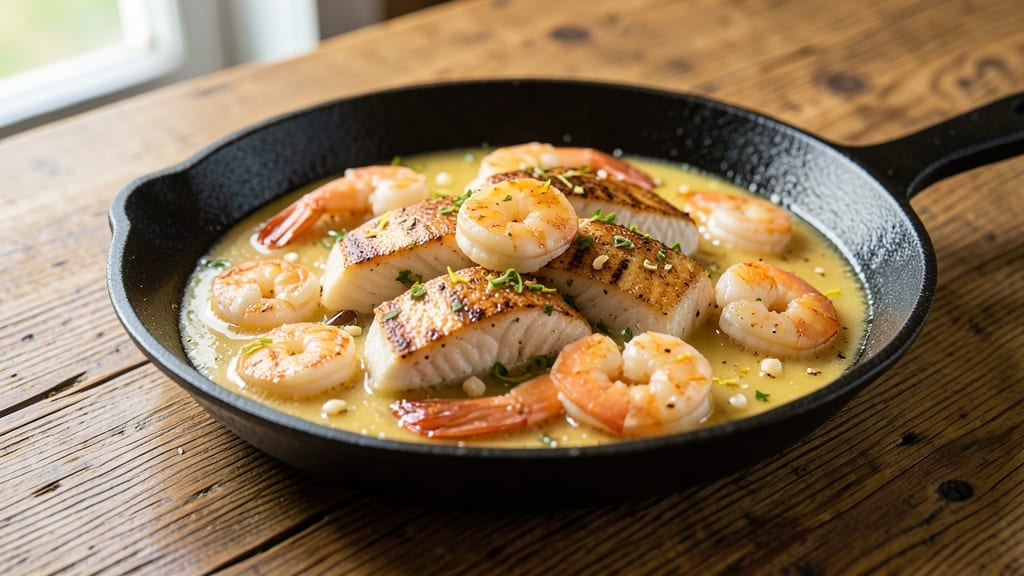
This seafood pot recipe transforms a simple one-pan approach into a restaurant-worthy dish that highlights fresh seafood with minimal effort. The secret lies in a lemon-garlic butter simmer that infuses delicate flavors without overpowering the natural taste of the fish, shrimp, or scallops.
I developed this method after years of testing different seafood braising techniques, and it consistently delivers tender, flavorful results every time.
The beauty of this recipe is its versatility—it works with any combination of seafood you love, from firm white fish like cod or halibut to delicate shrimp or scallops.
A 30-minute simmer in a flavorful broth ensures the seafood stays moist and absorbs the aromatic garlic, lemon, and herbs, while a crispy pan-seared finish adds texture. This approach eliminates the need for multiple pans or complicated techniques, making it perfect for weeknight dinners or special occasions.
By the end, you’ll have a dish that’s elegant yet effortless, with tender seafood swimming in a rich, golden sauce that’s bright from lemon and deep from garlic. The one-pan method also means easy cleanup, leaving you more time to enjoy the meal.
Whether you're cooking for two or a crowd, this recipe delivers professional-quality results with minimal fuss.
Pair it with crusty bread to soak up the sauce, or serve over a bed of steamed greens for a complete meal. The key is using the freshest seafood you can find—this recipe rewards quality ingredients with exceptional flavor.
Let’s get started on creating this foolproof seafood simmer that’s sure to impress.
Ingredients for seafood pot
Fresh seafood plus a few pantry staples—this one-pan simmer delivers restaurant-style flavor with zero fuss.
| Ingredient | Amount | Notes |
|---|---|---|
| Fresh White Fish Fillets 🐟 | 1 ½ lb | Cod, halibut, or similar firm white fish |
| Large Shrimp 🦐 | 1 lb | Peeled, deveined, tails on or off |
| Bay Scallops 🦪 | ½ lb | Fresh, dry-packed preferred |
| Unsalted Butter 🧈 | ½ cup | Cold, cut into small pieces |
| Garlic Cloves 🧄 | 6 cloves | Fresh, thinly sliced |
| Lemon Zest 🍋 | 1 tbsp | From 1 large lemon |
| Lemon Juice 🍋 | ¼ cup | Freshly squeezed |
| Fresh Parsley 🌿 | ¼ cup | Chopped, flat-leaf preferred |
| Dry White Wine 🍷 | ½ cup | Sauvignon Blanc or Pinot Grigio |
| Fish or Seafood Stock 💧 | 1 cup | Homemade or quality store-bought |
| Heavy Cream 🥛 | ¼ cup | Full-fat for best texture |
| Salt 🧂 | 1 ½ tsp | Kosher or sea salt |
| Ground Black Pepper 🌶️ | ½ tsp | Freshly ground preferred |
| Olive Oil 🫒 | 2 tbsp | For searing |
| Fresh Thyme Leaves 🌿 | ½ tsp | Or 1 sprig, finely chopped |
The seafood quality makes or breaks this dish. Ask your fishmonger for the freshest catch—look for fish with clear, bright eyes and firm flesh that springs back when pressed. Shrimp should smell clean and sweet, not fishy. For scallops, dry-packed is key—wet-packed ones release too much water. I usually grab mine from Whole Foods or my local seafood market, but the frozen section at Trader Joe's works in a pinch (just thaw overnight in the fridge). The butter matters too—Plugrá or Land O'Lakes are my go-tos, but any unsalted works if it's cold and fresh out of the fridge.
No white wine? Seafood stock plus a splash of lemon juice keeps the same bright flavor. Fresh thyme out of season? Dried works at one-third the amount, but toss it in early so it rehydrates. Short on parsley? Fresh basil or cilantro gives a different vibe but still looks great. The fish stock can be subbed with chicken or vegetable stock in a pinch, though it won't have the same depth. And if you're using frozen seafood, thaw it overnight in the fridge—never at room temperature, or it gets rubbery.
This sauce reheats beautifully—just warm it gently on the stove with a splash of water or stock. Keeps for 3 days in the fridge, though the seafood is best eaten fresh. For leftovers, freeze the sauce separately if you're not using it all—it'll last 3 months. I always make extra sauce because it's perfect for dipping crusty bread or tossing with pasta later. The seafood itself? Eat it fresh if possible, but it reheats well in the sauce too—just 1 minute in the microwave or until just warmed through.
Why You'll Love This Recipe
- One-Pan Magic: I swear by this—just toss everything in one pot, and the butter and garlic melt into a golden sauce that clings to every bite. No chopping, no fuss, and the scallops stay plump while the shrimp sizzles. (Yes, even on a Tuesday night.)
- Buttery Garlic Bomb: That first bite? The shrimp’s tail curls from the heat, the fish flakes effortlessly, and the garlic butter pools around it like a hug. Honestly, the scallops add a briny sweetness that makes this feel like a restaurant dish without the pretension.
- Weeknight to Dinner Party: Same recipe, different vibes—serve it over rice for a quick family meal or pile it high on crusty bread for guests. The fish fillets hold together enough for lazy weeknights, but the scallops make it feel special enough for company.
- Leftovers That Don’t Suck: Most seafood dries out when reheated, but this? Toss the leftovers in a skillet with a splash of water, and the butter sauce revives everything. My daughter picks out the scallops first, but still asks for seconds—proof it’s worth making extra.
Instructions for one-pan lemon-garlic butter seafood simmer
This one-pan wonder delivers restaurant-quality seafood with minimal cleanup.
Sear the Seafood in Stages
Heat the 2 tablespoons olive oil in a large, deep skillet over medium-high heat until shimmering. Add the 1.5 pounds of fresh white fish fillets first, skin-side down if they have it. Cook for 2-3 minutes per side until golden brown and just beginning to flake easily with a fork. Remove and set aside on a plate.
In the same skillet, add the 1 pound of large shrimp and cook for 1-2 minutes per side until they turn pink and opaque. Remove and set aside with the fish. Finally, add the 0.5 pound of bay scallops and cook for 1-2 minutes per side until they develop a golden crust. Remove all seafood and set aside.
Build the Flavor Base
Reduce heat to medium and add the 0.5 cup of cold unsalted butter, cut into small pieces. Let it melt completely, about 1 minute, until it turns a pale golden color. Add the 6 cloves of sliced garlic and cook for 30 seconds until fragrant but not browned.
Stir in the 1 tablespoon lemon zest and 0.5 teaspoon fresh thyme leaves, cooking for another 30 seconds until the garlic is just softened. This step forms the aromatic foundation that ties everything together.
Deglaze and Simmer
Pour in the 0.5 cup dry white wine and scrape up any browned bits from the bottom of the pan. Let it simmer for 2-3 minutes until reduced by half. Add the 1 cup fish or seafood stock and bring to a gentle simmer.
Return all the seafood to the skillet, spooning the sauce over the top. Add the 0.25 cup lemon juice and 1.5 teaspoons salt. Cover and simmer gently for 4-5 minutes until the fish is just cooked through and flakes easily.
Finish with Cream and Garnish
Remove the skillet from heat and stir in the 0.25 cup heavy cream and 0.5 teaspoon ground black pepper. The cream will thicken slightly from the residual heat. Taste and adjust seasoning if needed.
Sprinkle with the 0.25 cup chopped fresh parsley and serve immediately from the pan, dividing the seafood and sauce evenly among 4 plates. The sauce should coat the seafood beautifully, with bright lemon notes and rich butter flavor.
Pro Tips For Making Seafood Pot
- Cook Shrimp Last: Shrimp turn rubbery fast—wait until the fish is nearly done before adding them. If you toss them in too early, they’ll overcook while the fish finishes, and that’s a flavor crime. I used to rush this, and the shrimp would end up tough and gray. Trust me, timing here is everything.
- Dry Scallops Thoroughly: Pat those bay scallops with paper towels until they’re bone-dry before searing. Wet scallops release steam instead of browning, and you’ll end up with sad, pale discs instead of golden, crispy edges. This isn’t the prettiest method, but it’s the tastiest—skip it at your own risk.
- Sear Butter in Batches: Don’t try to melt all that unsalted butter at once—it’ll turn into a greasy mess. Work in 2-tablespoon chunks, letting each melt and sizzle before adding more. This builds real flavor layer by layer, and your pan won’t look like a science experiment gone wrong.
- Mince Garlic Fine: No, a quick chop won’t cut it here. Use the flat side of your knife to smash the garlic cloves first, then mince into a paste—this releases more aroma and blends smoother into the butter. I was skeptical until I tried it, and now I never go back. Your nose (and taste buds) will thank you.
Wine and beer pairings for these flavors
Crisp White Wine
For this bright, lemony seafood dish, a dry white wine like Sauvignon Blanc or Pinot Grigio is ideal. Their crisp acidity cuts through the richness of the butter and complements the lemon beautifully.
I always reach for a New Zealand Sauvignon Blanc—the citrus notes mirror the dish’s flavors perfectly. 🍷
Light Beer Pairing
A crisp lager like Peroni or Heineken balances the dish’s richness without overpowering it. The light body and subtle maltiness won’t compete with the seafood’s delicate flavors. For a craft option, try a Belgian witbier—its coriander and citrus notes enhance the lemon-garlic profile. 🍺
Rich Red Alternative
If you prefer red, a light-bodied Pinot Noir works surprisingly well. Its bright acidity and red fruit notes pair beautifully with the butter and garlic. Look for a Willamette Valley Pinot—it’s elegant enough to complement the seafood without dominating. 🍇
Sparkling Twist
For a festive touch, serve with Prosecco or Cava. The bubbles cleanse the palate between bites, making the dish feel even more special. A Veneto Prosecco with its green apple and almond notes is my go-to for this recipe. ✨
Non-Alcoholic Option
Skip the alcohol and opt for a sparkling apple cider or ginger beer. The effervescence and slight tartness mimic wine’s acidity, while the ginger adds a refreshing contrast to the buttery sauce. Try Martinelli’s Sparkling Apple Cider for a crowd-pleaser. 🍏
Nutrition facts
Frequently asked questions
Can I use frozen seafood in this recipe?
Yes, but thaw it properly first! Place frozen seafood in a sealed bag in the fridge overnight for even thawing. Never microwave or leave it out at room temperature, as this can make the texture rubbery. For best results, use fresh seafood whenever possible—it cooks faster and absorbs flavors better.
How do I adjust this recipe for spicier flavors?
Add 1/4 teaspoon of red pepper flakes or 1/2 teaspoon of cayenne to the butter while building the flavor base. For a smoky kick, swap 1/2 teaspoon of thyme with smoked paprika. Always taste the sauce before serving to balance heat with the bright lemon notes.
What's the best pan for this one-pot recipe?
Use a deep, heavy-bottomed skillet (like cast iron or stainless steel) for even heat distribution. Avoid nonstick—it can't handle the high heat needed for searing. A 12-inch pan works perfectly for 4 servings. If your pan isn't deep enough, transfer the sauce to a saucepan for simmering after searing.
Can I make this dish ahead of time?
Prepare the sauce base (without seafood) up to 3 days ahead and refrigerate. Reheat gently, then add fresh seafood and simmer for just 5 minutes before serving. For leftovers, store seafood and sauce separately—seafood reheats best in the sauce for 1 minute in the microwave.
What if I don't have white wine?
No problem! Replace it with 1/4 cup lemon juice plus 1/4 cup seafood stock. The acidity mimics wine's brightness, while the stock adds depth. For extra richness, add 1 tablespoon of pasta water or chicken stock. The flavor will still be delicious—just slightly lighter.