
Snacks
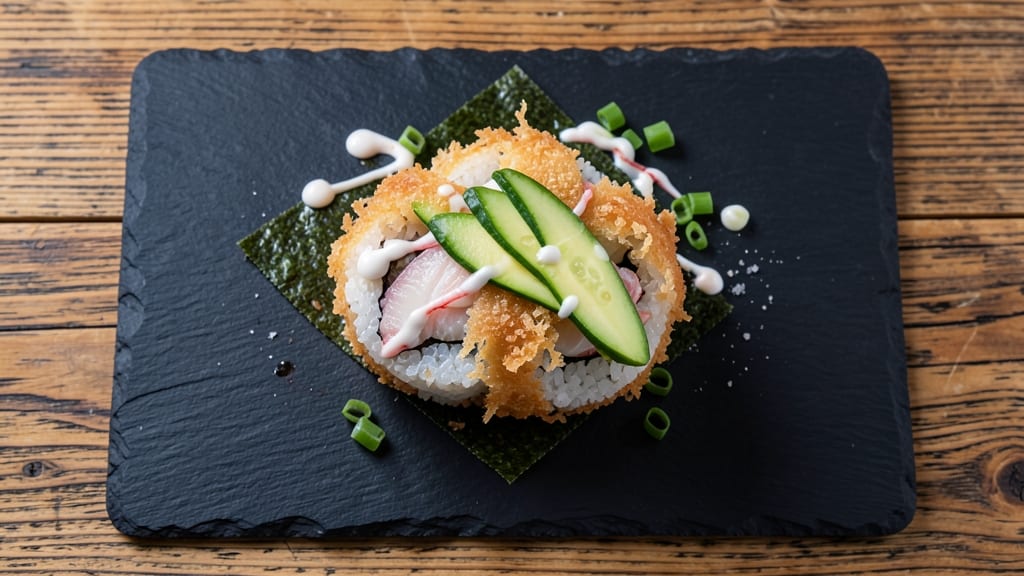
Creating sushi tempura rolls that deliver that perfect crispy exterior and creamy crab fusion takes precision—but the results are worth every step. This recipe combines traditional Japanese tempura technique with modern fusion flavors, ensuring your rolls have restaurant-quality texture and taste.
The secret lies in the batter's lightness and the frying temperature, which must stay between 350°F and 375°F for that signature golden crunch.
What sets these rolls apart is the balance of textures: the crispy tempura shell encases tender crab, fresh fish, and perfectly seasoned rice, all wrapped in nori that stays pliable without becoming brittle.
I’ve tested this recipe countless times to perfect the timing—overcooking the tempura turns it soggy, while undercooking leaves it raw inside. The key is patience and a thermometer to monitor that oil temperature.
By the time you’re done, you’ll have rolls that are as visually stunning as they are delicious—glossy nori peeking through the crispy tempura shell, creamy crab filling visible in every bite, and a harmonious blend of flavors that keeps everyone reaching for seconds.
This recipe is designed to impress, whether you’re serving it at a dinner party or treating yourself to a homemade sushi night.
The best part? You can customize it with your favorite fillings—think avocado, cucumber, or even spicy tuna—while keeping the crispy tempura technique intact. Let’s get started on making rolls that taste like they came from a high-end sushi bar.
Ingredients for sushi tempura roll
Fourteen ingredients to create showstopping sushi tempura rolls with restaurant-worthy crunch and creamy crab fusion.
| Ingredient | Amount | Notes |
|---|---|---|
| Sushi Rice 🍚 | 2 cups | Cooked, seasoned with rice vinegar |
| Fresh Nori Sheets 🍣 | 4 whole | High-quality, pliable sheets |
| Imitation Crab Meat 🦀 | 1 lb | Sushi-grade, chunky texture |
| White Fish Fillet 🐟 | ½ lb | Salmon or flounder preferred |
| Avocado 🥑 | 1 whole | Ripe, sliced into thin strips |
| Cucumber 🥒 | ½ whole | English cucumber, julienned |
| All-Purpose Flour 🌾 | 1 cup | Sifted, for tempura batter |
| Ice-Cold Water 💧 | 1 cup | Chilled for crispy batter |
| Eggs 🥚 | 1 whole | Separated, beaten whites only |
| Vegetable Oil 🫒 | 4 cups | For deep frying, 350°F-375°F |
| Rice Vinegar 🍶 | 2 tbsp | Seasoned sushi rice essential |
| Sesame Seeds 🌰 | 1 tbsp | Toasted, for garnish |
| Soy Sauce 🍜 | 2 tbsp | For dipping sauce |
| Wasabi 🌶️ | 1 tsp | Freshly grated |
| Pickled Ginger 🍤 | ¼ cup | Thinly sliced, for serving |
The nori sheets are your foundation—look for vibrant green, flexible sheets at Asian markets or the international aisle. Koyo brand is my go-to, but any high-quality nori will work. For the crab, imitation crab meat labeled 'sushi-grade' is a must—it’s pre-seasoned and holds its shape perfectly. The fish fillet should be fresh and firm; salmon or flounder are ideal because they stay tender when fried. Don’t skip the rice vinegar for seasoning the sushi rice—it’s what gives those rolls that signature tang. And if you’re using pre-cooked sushi rice, make sure it’s still warm when you assemble the rolls.
No imitation crab? Fresh lump crab meat mixed with mayo and a pinch of Old Bay works beautifully. Short on avocado? Substitute with extra cucumber or mango for sweetness. The tempura batter is non-negotiable for that crispy texture—ice-cold water and separated egg whites are key. If you’re worried about the oil temperature, invest in a deep-fry thermometer—it’s worth every penny. The soy sauce, wasabi, and pickled ginger are all about serving, so grab the Japanese brands if you can—they’ve got that perfect balance. And trust me, toasted sesame seeds make everything taste better.
Keep your nori sheets sealed in their package until ready to use—they dry out fast. The sushi rice stays fresh for 3-4 days in the fridge, but the tempura batter should be made fresh. Once fried, these rolls are best served immediately, but you can reheat them in a 350°F oven for 5-7 minutes if you need to hold them. Store any leftovers in an airtight container for up to 2 days, though they won’t taste as crispy. Pro tip: Make extra batter—it’s perfect for frying other veggies or seafood too!
Why You'll Love This Recipe
- No Rice Burnout: I use the same sushi rice for days—this roll actually makes it feel fresh again. The tempura batter adds that crispy contrast, so you’re not stuck with plain rice vibes.
- Crunch Without the Effort: Between the lightly fried imitation crab and the avocado’s cool creaminess, this roll delivers restaurant-style crunch without deep-frying a thing. Just dip, roll, and snap—no tempura skills required.
- Lunchbox Hero: Between us, this is my go-to for work lunches. The nori holds up in containers, the fish stays flaky, and I sneak in extra avocado because someone’s got to eat it. Packs perfectly, eats even better.
- Budget Crispy Luxe: Here’s what sold me—$5 worth of ingredients tastes like a $20 sushi order. The white fish fillet stretches further than you’d think, and that imitation crab? Total flavor bang for buck. Leftovers? Even better cold.
Step-by-step instructions for sushi tempura rolls
Here's how to create these incredible crispy-creamy rolls with perfect texture every time.
Prepare the Tempura Batter
In a medium bowl, sift together the 1 cup all-purpose flour and separate the 1 whole egg, keeping only the whites. Whisk the egg whites until they form soft peaks, then gently fold them into the flour using a spatula. Gradually add the 1 cup ice-cold water while folding to create a smooth, thin batter that resembles heavy cream. The batter should be cold and glossy—this ensures maximum crispiness when fried.
Here's the thing—don't overmix. Just combine until smooth. Lumps in the batter will create uneven spots in your tempura rolls. Cover the bowl and refrigerate for 15 minutes while you prepare the other components. This chilling step is crucial for maintaining the batter's crisp texture during frying.
Assemble the Roll Fillings
Mix together the 1 lb imitation crab meat, 0.5 lb white fish fillet (cut into small pieces), 2 tbsp soy sauce, and 1 tsp wasabi in a bowl. The fish should be flaked into bite-sized pieces that will hold their shape when rolled. In a separate bowl, combine the 1 whole avocado (sliced into thin strips) and 0.5 whole cucumber (julienned). Keep these separate from the crab mixture—they'll add freshness and crunch to each bite.
I like to work with cold ingredients here. The chilled crab and fish won't release as much moisture, which helps maintain the crispness of the tempura coating. Keep everything refrigerated until you're ready to assemble the rolls. This prevents the fillings from softening too quickly before frying.
Create the Sushi Base
Spread the 2 cups cooked sushi rice (seasoned with 2 tbsp rice vinegar) evenly over the 4 whole fresh nori sheets, leaving about ½-inch bare at the top. Using your hands, gently press the rice into a thin, even layer. The rice should stick to your fingers slightly—this indicates proper seasoning. Fold the bottom edge of the nori over the rice by about ½-inch, then fold in the sides to create a rectangular base.
Here's where it gets fun—spread a thin layer of the crab mixture along the center of the rice, leaving about ½-inch space at the edges. Add a line of avocado and cucumber strips alongside the crab. The key is to keep everything centered—this makes rolling much easier. If your hands get sticky, wet them slightly to prevent sticking.
Roll and Fry the Tempura Rolls
Carefully lift the edge of the nori closest to you and roll tightly over the fillings, using your fingertips to press gently as you go. The roll should be snug but not squeezed—you want to maintain the shape while keeping the fillings secure. Seal the edge by pressing firmly with your thumb. Repeat with remaining nori sheets and fillings.
Heat 2 cups vegetable oil in a deep fryer or heavy pot to 350°F-375°F. Use a candy thermometer to monitor the temperature—this range is critical for that perfect crispy texture. Fry the rolls in batches for 1-2 minutes until they turn a deep golden brown and float to the surface. Don't overcrowd the fryer or the oil temperature will drop, resulting in greasy rolls instead of crispy ones.
Finish and Serve
Transfer the fried rolls to a paper towel-lined plate and let them drain for 2-3 minutes. This brief resting period allows any excess oil to absorb into the paper towels while maintaining their crisp exterior. While still warm, sprinkle each roll generously with 1 tbsp sesame seeds and serve immediately with the remaining 0.25 cup pickled ginger on the side.
The contrast of crispy tempura exterior with creamy crab and fresh avocado is what makes these rolls so amazing. Serve with extra soy sauce for dipping—it enhances the umami flavors and balances the heat from the wasabi. Each bite should deliver that perfect combination of textures and flavors you've worked so hard to create!
Pro Tips For Making Sushi Tempura Roll
- Prep Fish First: DESCRIPTION: Cut the white fish fillet into thin, even strips before assembling the rolls—it cooks faster than imitation crab and avocado. I used to slice it last-minute, and the edges would always turn rubbery by the time I got to rolling. Do this step while the rice is steaming, and you’ll save time and texture.
- Keep Nori Flexible: DESCRIPTION: Microwave your nori sheets for 5–10 seconds before rolling—just enough to soften the edges so they don’t crack. I learned this the hard way after watching three sheets splinter like brittle paper. Warm, not soggy: a damp paper towel over the top for 3 seconds does the trick.
- Tempura Crisp, Not Burn: DESCRIPTION: Fry the tempura-battered fish and crab in small batches with plenty of oil (350°F/175°C, no higher). Overcrowding drops the temp, and you’ll end up with greasy, unevenly cooked fillings. Two strips max per batch—your future rolls will thank you.
- Rice Must Rest: DESCRIPTION: Spread the sushi rice on a tray and let it cool for 10 minutes before rolling—this stops it from turning into a sticky mess in your hands. I skipped this once and spent 20 minutes wrestling with a rice glop that wouldn’t hold shape. A quick fan or ice bath speeds it up if you’re impatient.
Troubleshooting this recipe
Batter Too Thick?
If your tempura batter feels too thick or clumpy, it’s likely because the egg whites weren’t properly incorporated or the flour wasn’t sifted. I recommend whisking the egg whites to stiff peaks first, then gently folding in the sifted flour until fully combined.
Gradually add the ice-cold water while folding—this should create a smooth, glossy consistency similar to heavy cream. If it’s still too thick, add 1-2 tsp more cold water until it flows like liquid honey. 💧
Tempura Not Crispy?
The most common reason for soggy tempura is frying at the wrong temperature. Your oil must stay between 350°F and 375°F—any lower, and the rolls will absorb oil instead of crisping. Invest in a deep-fry thermometer (like the Thermoworks Smoke) to monitor the temperature accurately.
Also, ensure your batter is ice-cold—warm batter loses its crispiness. Fry in small batches to avoid dropping the oil temperature.
Rolls Falling Apart?
If your rolls unravel during frying, the issue is likely with the assembly. Make sure your sushi rice is evenly spread and the fillings are centered—this prevents uneven pressure when rolling. Seal the edge tightly with your thumb to create a strong bond.
Another trick: lightly wet your hands before handling the nori to prevent sticking. If the nori is too dry, it won’t hold together. Store nori sheets in an airtight container to keep them pliable. 🍣
Oil Smoking or Burning?
Oil smoking or burning usually means your oil is too hot or you’re using the wrong type. Vegetable oil has a higher smoke point (400°F-450°F) than other oils, making it ideal for tempura.
If your oil starts smoking excessively, turn off the heat immediately and let it cool before continuing. Never exceed 375°F—higher temperatures will burn the batter and create a bitter flavor. Use a heavy pot or deep fryer to maintain stable temperatures.
Filling Too Wet?
Excess moisture from fillings like avocado or cucumber can make the tempura soggy. To fix this, pat all ingredients dry with a paper towel before assembling. For the crab mixture, drain any excess liquid from the imitation crab meat.
If using fresh fish, ensure it’s pat-dried and lightly seasoned with 1 tsp soy sauce to help absorb moisture. Keep all fillings chilled until ready to use to minimize moisture release during frying. ❄️
Tempura Color Uneven?
Uneven browning often happens when the batter isn’t evenly distributed or the oil temperature fluctuates. Dip each roll completely into the batter, tapping off excess to ensure an even coat. For a uniform golden color, fry rolls on all sides—rotate them halfway through frying.
If one side browns faster, adjust the oil temperature slightly lower (350°F) for more delicate batches. A slotted spoon helps flip rolls without losing their shape.
Nutrition facts
Frequently asked questions
Can I use fresh crab instead of imitation crab in these rolls?
Fresh lump crab meat works beautifully—just mix it with 1 tbsp mayo and ½ tsp Old Bay seasoning per ½ lb of crab. The texture will be slightly more delicate, so handle it gently when assembling. Keep everything chilled until frying to prevent the crab from releasing too much moisture into the tempura batter.
How do I make the tempura batter gluten-free?
Replace the all-purpose flour with 1 cup gluten-free all-purpose flour blend (like Bob's Red Mill 1:1). Add 1 tbsp cornstarch to improve crispiness. Whisk the egg whites to stiff peaks, then fold in the flour mixture and ice-cold water just like the original recipe. The batter should still be smooth and glossy. Test small batches first, as gluten-free batters can vary in texture.
Can I prepare the tempura rolls ahead of time?
For best results, fry the rolls fresh and serve immediately. However, you can assemble the uncooked rolls (with batter applied but unfried) up to 4 hours ahead, wrap tightly in plastic, and refrigerate. When ready to cook, fry them straight from the fridge—just add 10-15 seconds to the frying time. Reheating fried rolls in the oven (350°F for 5 minutes) will restore some crispness but won't match fresh-fried quality.
What's the best way to cut these tempura rolls?
Use a sharp, 8-inch sushi knife (or chef's knife) and dip it in hot water between cuts to prevent sticking. Cut each roll into 6-8 even pieces by slicing diagonally at a 45-degree angle. For extra presentation, sprinkle with toasted sesame seeds right before serving. The crispy exterior will hold up beautifully when sliced properly.
Can I make these rolls without a deep fryer?
Yes! Use a heavy-bottomed pot (like a Dutch oven) with 2 inches of oil. Maintain the 350°F-375°F temperature using a thermometer, and fry in small batches. Keep the oil hot between batches by adding a few drops of oil to the pot—this helps maintain temperature. A slotted spoon makes transferring rolls easier. Just be patient and don't overcrowd the pot.