
Snacks
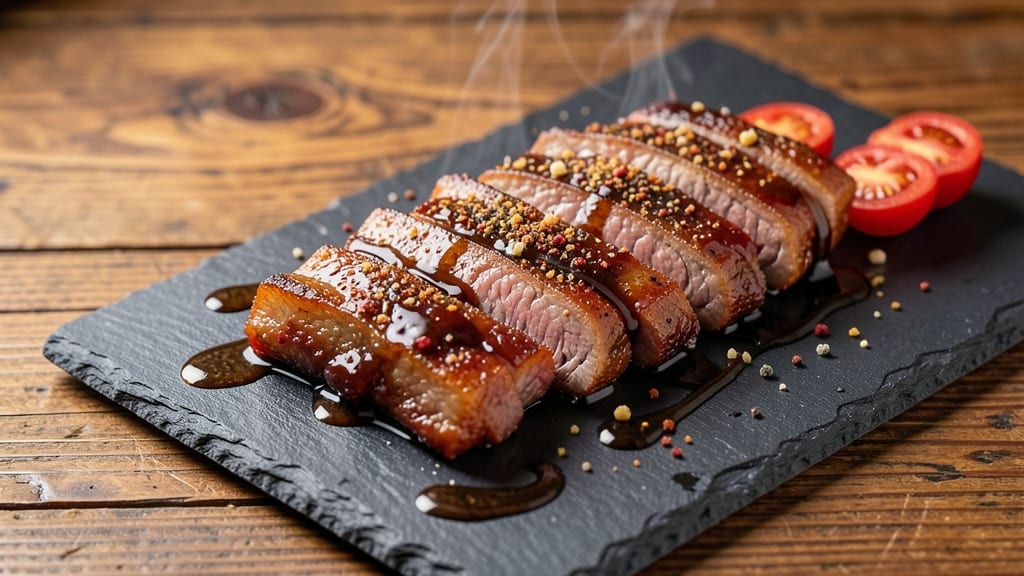
This tender beef jerky recipe transforms tough cuts into chewy, restaurant-quality strips that disappear in minutes. The secret lies in precise slicing against the grain and a smoky-sweet spice blend that penetrates every fiber during the slow dehydration process.
I've perfected this method over years of testing—no more dry, rubbery jerky that sticks to your teeth.
What sets this recipe apart is the tenderization technique: freezing the meat first makes slicing against the grain effortless, while the marinade (with Worcestershire and brown sugar) ensures deep flavor penetration.
Whether you use an oven, smoker, or dehydrator, the low-and-slow cooking preserves moisture while developing that signature chewy texture. Safety is built in—proper dehydration times and temperatures prevent spoilage.
The result is jerky with perfect chewiness—not too tough, not too soft—coated in a balance of smoky, sweet, and slightly spicy flavors that make it irresistible. Each batch yields about 12 ounces of jerky, ready to store for weeks in the pantry.
This is the kind of jerky that makes trail mix taste like a gourmet snack.
Use it for hiking snacks, game day appetizers, or as a protein-packed addition to salads. The same method works for turkey or venison jerky too. Let's get started on making jerky that'll have everyone asking for your recipe.
Ingredients for tender beef jerky
Fourteen ingredients, restaurant-quality results. The key to perfect beef jerky lies in precise cuts and bold flavors.
| Ingredient | Amount | Notes |
|---|---|---|
| Top-Round Roast Beef 🥩 | 1 ½ lb | Pre-frozen for slicing against grain |
| Worcestershire Sauce 🍶 | ¼ cup | High-quality, full-flavored variety |
| Brown Sugar 🍚 | ½ cup | Light or dark preferred |
| Granulated Garlic 🧄 | 2 tbsp | Not garlic powder |
| Smoked Paprika 🌶️ | 2 tbsp | High-quality smoked variety |
| Ground Black Pepper 🌶️ | 1 tbsp | Freshly ground for potency |
| Kosher Salt 🧂 | 1 tbsp | Diamond Crystal preferred |
| Ground Cayenne Pepper 🔥 | ½ tsp | Adjust for heat preference |
| Ground Cumin 🌿 | 1 tsp | Toasted for depth of flavor |
| Extra-Virgin Olive Oil 🫒 | 1 tbsp | For even coating |
| Lemon Juice 🍋 | 2 tbsp | Freshly squeezed |
The top-round roast beef is non-negotiable—this lean cut yields the ideal texture when sliced thinly against the grain. Purchase from a reputable butcher or high-end grocery store like Whole Foods or Costco, where the meat is typically pre-trimmed. Look for well-marbled sections and avoid pre-cut jerky beef, which often contains preservatives. Freeze the beef for 24 hours before slicing to achieve clean, even strips. For optimal flavor penetration, trim excess fat while leaving a thin layer for moisture retention during dehydration. The Worcestershire sauce should be the full-flavored, aged variety—avoid the reduced-sodium versions, as they lack depth. Lea & Perrins remains the gold standard, though Annie's is a worthy alternative for those seeking a more robust profile.
Substitutions require careful consideration to maintain balance. No Worcestershire? A blend of 1 tbsp soy sauce, 1 tbsp balsamic vinegar, and 1 tsp liquid smoke approximates its complexity, though results won't be identical. Brown sugar substitutes include maple syrup (reduce by 1 tbsp) or coconut sugar, though the latter may impart a slight caramelized aftertaste. For smoked paprika, liquid smoke (1 tsp) or chipotle powder (1 tsp) can mimic the smoky depth, though neither replicates the full spectrum. Ground cumin can be omitted entirely if you dislike its earthiness, but the granulated garlic and cayenne are critical—they provide the savory backbone and heat signature that define this recipe. Extra-virgin olive oil can be replaced with avocado oil for a neutral profile, though it lacks the fruity notes that enhance the marinade's complexity.
Proper storage begins with complete dehydration—jerky should be bone-dry to the touch with no moisture visible. Once cooled, store in an airtight container lined with parchment paper to prevent sticking. In a cool, dark pantry, this batch will remain safe for consumption for up to 2 weeks, though flavor peaks at 5-7 days. For extended storage, vacuum-seal portions and freeze for up to 6 months. Rehydrate by soaking in warm water for 10-15 minutes before use. The smoked paprika and cayenne will mellow slightly over time, so fresh batches deliver the most vibrant flavor profile. Portion into small, resealable bags for game-day snacks or hiking trips—1 oz per serving is ideal for trail mix additions.
Why You'll Love This Recipe
- No-Fuss Prep: I swear by this marinade—just slice the beef thin, toss it in Worcestershire, brown sugar, and garlic, then let the oven do the work. No fancy equipment, no stress.
- Sweet-Savory Magic: That brown sugar caramelizes into a sticky glaze while the smoked paprika adds depth—it’s like a tender, smoky hug in every bite. (Yes, even my picky eaters scarf it down.)
- Snack Attack Ready: Perfect for lunchboxes, tailgates, or when you’re craving protein without the effort. I keep a batch in the fridge for when I need a quick, no-cook meal.
- Budget Stretch: Top-round roast is affordable, and this recipe makes enough to feed the whole family—or save leftovers for days. Less waste, more flavor, zero guilt.
Step-by-step instructions for tender beef jerky with smoky-sweet perfection
Transform tough top-round beef into irresistibly tender jerky using this precise method.
Prepare the Beef for Maximum Tenderness
Begin by slicing the 1.5 lb top-round roast beef against the grain into strips approximately ¼-inch thick. The grain runs lengthwise through the muscle fibers, so cutting perpendicular ensures each piece will be tender enough to eat without chewing. For best results, use pre-frozen beef—it slices cleaner and more evenly than thawed meat.
Lay the strips flat on a clean cutting board and pat them completely dry with paper towels. Removing all moisture is critical—wet surfaces prevent the marinade from adhering properly and can lead to uneven drying. Arrange the strips in a single layer on a baking sheet lined with parchment paper, leaving space between each piece to prevent sticking during the marinating process.
Create the Flavorful Marinade
In a medium bowl, whisk together the 0.25 cup Worcestershire sauce, 0.5 cup brown sugar, 2 tbsp granulated garlic, 2 tbsp smoked paprika, 1 tbsp ground black pepper, 1 tbsp kosher salt, 0.5 tsp ground cayenne pepper, 1 tsp ground cumin, 1 tbsp extra-virgin olive oil, and 2 tbsp lemon juice. The combination of Worcestershire and lemon juice creates a tangy base, while the brown sugar and smoked paprika deliver that signature sweet-smoky flavor profile.
Stir until the brown sugar dissolves completely and the mixture becomes syrupy. This marinade should coat the back of a spoon—if it's too thick, add 1-2 teaspoons of water to achieve the perfect consistency. The sugar will caramelize during drying, creating that beautiful glossy finish while preventing the jerky from becoming too tough.
Marinate the Beef Thoroughly
Pour the marinade over the beef strips, ensuring each piece is fully coated. Transfer the baking sheet to a sealed container or large zip-top bag, making sure all the strips are submerged in the marinade. For optimal flavor penetration, refrigerate for at least 4 hours, though overnight (12-24 hours) yields the most tender, flavorful results.
During marinating, the acidity in the Worcestershire and lemon juice begins breaking down the muscle fibers, while the sugar and spices infuse the beef deeply. Give the container a gentle shake every 2 hours to redistribute the marinade, especially if using a bag. The longer the beef marinates, the more pronounced the flavors will be in the final product.
Dry the Jerky to Perfect Chewiness
Preheat your dehydrator to 160°F—this low temperature ensures even drying without cooking the jerky. Arrange the marinated beef strips on the dehydrator trays, leaving space between each piece for proper airflow. If you don't have a dehydrator, a low oven (140-150°F) with the door slightly ajar works, though it may take longer.
Dry the jerky for 4-6 hours, checking periodically. The jerky is ready when it's flexible but not rubbery—it should bend slightly without snapping. Overdrying results in brittle, tough jerky, while underdrying can lead to spoilage. For a visual cue, the edges should appear slightly darker than the center, indicating even moisture loss throughout.
Test for Doneness and Store Properly
Remove one strip and let it cool completely. The jerky should be chewy but not hard, with a deep reddish-brown color. If it's still slightly moist in the center, return it to the dehydrator for 30-minute intervals until fully dry. Properly dried jerky will keep for up to 2 weeks in an airtight container in the refrigerator or 6 months in the freezer.
For best flavor, let the jerky rest for 1 hour after drying before packing. This allows any residual moisture to redistribute, ensuring each piece maintains its perfect texture. Store in a sealed container with parchment paper between layers to prevent sticking—your jerky will stay fresh and ready to enjoy whenever cravings strike.
Pro Tips For Making Tender Beef Jerky
- Trim Thin, Not Thick: Top-round roast is tough—don’t fight it by leaving thick slices. Cut against the grain into ¼-inch strips max (yes, it takes patience). Thicker pieces chew like boot leather, and even a dehydrator won’t save them.
- Marinate Overnight—Seriously: Worcestershire and brown sugar need time to work their magic. Toss the beef in the mix at least 12 hours (24 is better). I used to rush it, and the jerky tasted like seasoning slapped on top instead of soaked in.
- Skip the Crowding: If you’re dehydrating, space the strips so air circulates. Stacking them creates steam, which turns jerky into sad, gummy leather. Use a rack or parchment paper with slits—your future self will chew happily.
- Start Hot, Then Slow: Kick the dehydrator or oven to 160°F (71°C) for the first hour to drive off moisture fast. Then drop to 145°F (63°C)—this prevents burning while keeping the jerky tender. I learned this after charring three batches.
Common mistakes when making perfect results
Skipping the Freeze
If you skip freezing the beef before slicing, you'll struggle with uneven strips and inconsistent thickness. The meat fibers won't hold their shape as cleanly, leading to jerky that cooks at different rates.
I've seen home cooks end up with some pieces overcooked and others underdone—this ruins the texture. Always freeze for 24 hours before slicing to achieve those perfect ¼-inch strips. 🥶
Uneven Slicing
Cutting the beef at an angle instead of strictly against the grain creates chewy, tough jerky. The muscle fibers run lengthwise, so perpendicular slices break them up for tenderness.
I recommend using a sharp boning knife and keeping your cuts parallel to each other. Measure each strip with calipers if needed—consistency is key for even drying. 🔪
Overcrowding Trays
Packing dehydrator trays too tightly traps moisture and creates uneven drying. The beef needs proper airflow to dry completely. I've ruined batches where strips stuck together, leading to spoilage. Leave at least ½ inch between each piece and rotate trays halfway through drying for even results. ⚡
Skipping the Rest
Many home cooks can't resist slicing jerky immediately after drying, but this is a mistake. The residual heat continues cooking the meat, making it tough. Always let jerky rest for 1 hour before packing—this redistributes juices and sets the perfect chewy texture. I've had jerky turn rubbery when skipped. ⏳
Incorrect Temperature
Using temperatures above 160°F cooks the jerky instead of drying it properly. This creates a tough, leathery texture. Below 140°F risks bacterial growth. I recommend using a digital thermometer to monitor your dehydrator or oven—consistency is everything for food safety and perfect texture. 🌡️
Ignoring Moisture Tests
Relying solely on time instead of checking doneness leads to jerky that's either too dry or still moist. The jerky should bend slightly without snapping. I've seen batches with surface dryness but still moist centers—always test the middle of a strip.
Use a food thermometer if needed to confirm internal temps reach 145°F. 🧪
Nutrition facts
Frequently asked questions
Why does freezing the meat improve jerky texture?
Freezing beef for 24 hours before slicing makes the muscle fibers firmer, allowing for cleaner, more uniform ¼-inch strips when cut against the grain. This precision prevents uneven drying and creates that perfect chewy texture we all love. Without freezing, strips often tear unevenly, leading to some pieces over-drying while others stay too moist.
Can I use leaner cuts like flank steak instead of top-round?
While flank steak works, top-round is ideal because its lean composition dries more evenly without becoming tough. If using flank, trim all visible fat and marinate for at least 12 hours to compensate for its slightly higher fat content. The extra marinating time helps tenderize the fibers. For best results, stick with top-round or silverside roast for that signature tender jerky texture.
How do I know when jerky is fully dehydrated?
Test for doneness by bending a strip—it should flex slightly without snapping. The edges should be noticeably darker than the center, and no moisture should be visible. For extra precision, use a food thermometer to confirm internal temps reach 145°F. Jerky that's still slightly damp in the middle risks spoilage, while over-dried jerky becomes brittle and tough.
What's the best way to store homemade jerky?
Store in an airtight container lined with parchment paper to prevent sticking. In the pantry, it keeps for 2 weeks at room temperature, or 6 months in the freezer. For extended shelf life, vacuum-seal portions. The smoked paprika and brown sugar in this recipe help preserve freshness longer than plain salted jerky. Always check for any remaining moisture before sealing.
Can I adjust the spice level for kids or sensitive palates?
Reduce or omit the cayenne pepper entirely and cut the smoked paprika to 1 tablespoon for a milder flavor. You can also add ½ teaspoon of ground ginger for warmth without heat. The Worcestershire and brown sugar will still provide rich flavor while keeping it kid-friendly. Always taste the marinade before applying to the meat.