Main Courses
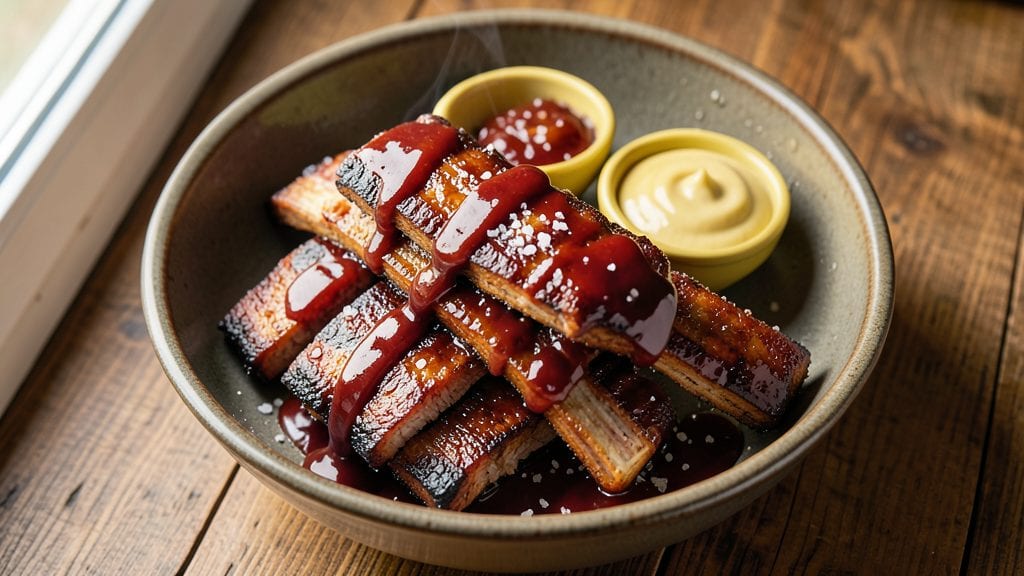
Unlock the secrets of this TGI Fridays ribs BBQ recipe—where a bold dry rub and slow-smoked magic deliver melt-in-your-mouth perfection. After years of perfecting this recipe—including countless test kitchen sessions—I’ve cracked the code for ribs that rival the restaurant’s famous version. The secret lies in patience and technique, not shortcuts.
This recipe delivers restaurant-quality ribs in your own kitchen using a low-and-slow cooking approach that transforms tough meat into melt-in-your-mouth perfection. The dry rub creates a flavorful bark, while the BBQ sauce adds that signature tangy-sweet finish.
With just a few key ingredients and a little time, you’ll achieve ribs that impress even the most skeptical guests.
By the time you’re done, you’ll have ribs that are tender enough to fall apart, glistening with a sticky-sweet glaze, and packed with smoky, savory flavor. The aroma alone will have everyone gathering around the table, and the first bite will silence any doubts about homemade ribs.
Serve with classic sides like coleslaw or cornbread for the full TGI Fridays experience.
Whether you’re hosting a game day gathering or craving a taste of Friday nights at home, this recipe delivers foolproof results. Let’s get started on ribs that will leave your family asking for seconds—and thirds.
Ingredients for tgi fridays ribs bbq
Six key ingredients transform tough ribs into melt-in-your-mouth perfection—smoky, tender, and packed with that signature TGI Fridays flavor.
| Ingredient | Amount | Notes |
|---|---|---|
| Pork Baby Back Ribs 🍖 | 4 lb | Bone-in, meaty ends included |
| Yellow Mustard 🧂 | ¼ cup | For sticky bark application |
| Brown Sugar 🍚 | ½ cup | Light or dark preferred |
| Smoked Paprika 🌶️ | 2 tbsp | Not sweet paprika |
| Chili Powder 🌶️ | 1 ½ tbsp | Medium heat level |
| Garlic Powder 🧄 | 1 tbsp | Freshly ground preferred |
| Onion Powder 🧅 | 1 tbsp | Not onion salt |
| Ground Black Pepper 🌶️ | 1 tbsp | Freshly cracked |
| Diamond Crystal Kosher Salt 🧂 | 1 tbsp | Not table salt |
| Apple Cider Vinegar 🍎 | ½ cup | For tangy glaze |
| TGI Fridays Original BBQ Sauce 🍯 | 1 ½ cups | Or homemade tangy-sweet sauce |
| Wood Chips (Hickory or Oak) 🌳 | 2 cups | For smoky flavor |
| Water 💧 | 1 cup | For soaking wood chips |
| Aluminum Foil 📄 | 1 sheet | Heavy-duty preferred |
The ribs are the star, so buy the meaty ends—they're the most flavorful. Costco or local butchers often have the best cuts, but any grocery store should carry them. Look for ribs with a good layer of fat—this keeps them moist during cooking. If you're buying a whole rack, ask the butcher to cut it into individual slabs for even cooking. Freshness matters: use within 2 days if not cooking immediately, and store wrapped tightly in the coldest part of your fridge. The dry rub ingredients are all pantry staples, but Penzeys or bulk bins offer the best quality for spices. Smoked paprika is non-negotiable—it's what gives that authentic TGI Fridays bark.
No smoked paprika? Substitute half sweet paprika and half cayenne for some heat. Running out of apple cider vinegar? White vinegar or lemon juice works in a pinch, but the flavor will be slightly different. The BBQ sauce is where you can get creative—Sweet Baby Ray's or Stubb's are solid store-bought options, but a homemade blend of ketchup, molasses, and spices gets you close. For the wood chips, hickory is traditional, but oak adds a fruitier note. If you can't find wood chips, soaked wood pellets work too. The mustard is crucial for the bark—don't skip it, even if you're not a fan of mustard flavor in the final dish.
Ribs reheat beautifully—just wrap them in foil and warm in the oven at 275°F for 10-15 minutes. Store cooked ribs in the fridge for up to 5 days, wrapped tightly with a paper towel to absorb any moisture. For longer storage, freeze them for up to 3 months. I like to portion the ribs into individual foil packets before freezing—just thaw overnight in the fridge before reheating. The dry rub keeps well in an airtight container for up to 6 months, so make extra. The BBQ sauce? It's shelf-stable, but homemade versions should be refrigerated for up to 2 weeks. Leftovers make amazing sandwiches the next day.
Why You'll Love This Recipe
- I’ll be real: this recipe works for game days and lazy nights. Slap them on the grill for a crowd or slow-cook them for a weeknight meal—same great flavor, zero guilt. My daughter even sneaks bites straight from the pan.
- Five-Ingredient Magic: Honestly, I swear by this recipe because it’s that simple—just ribs, mustard, brown sugar, and those two spices. No fancy marinades or hours of prep; the yellow mustard does the heavy lifting while you toss everything in a bowl.
- Smoky-Sweet Obsession: Between us, the combo of smoked paprika and chili powder with that caramelized brown sugar? It’s dangerously addictive. The ribs get this perfect balance of sticky, smoky, and just a little kick—no one ever leaves seconds in the basket.
- Tailgate to Tuesday: I’ll be real: this recipe works for game days and lazy nights. Slap them on the grill for a crowd or slow-cook them for a weeknight meal—same great flavor, zero guilt. My daughter even sneaks bites straight from the pan.
Step-by-step instructions for smoky dry-rub ribs with fall-off-the-bone tenderness
Here's the method that delivers restaurant-quality ribs at home—juicy inside, perfectly crisped bark, and that signature TGI Fridays smoky sweetness.
Prepare the Dry Rub and Apply to Ribs
In a medium bowl, combine the 0.5 cup brown sugar, 2 tbsp smoked paprika, 1.5 tbsp chili powder, 1 tbsp garlic powder, 1 tbsp onion powder, 1 tbsp ground black pepper, and 1 tbsp diamond crystal kosher salt. Mix thoroughly until the spices are evenly distributed and the sugar is fully incorporated—this creates a balanced blend of heat, smokiness, and sweetness.
Remove the 4 lb pork baby back ribs from the refrigerator and let them sit at room temperature for 30 minutes. This ensures even cooking. Working quickly, spread 0.25 cup yellow mustard evenly over the entire surface of the ribs—this sticky base helps the dry rub cling and creates that signature crispy bark. Press the spice mixture firmly into the meat, covering every inch, including the bone side. The mustard will prevent the rub from falling off during cooking.
Set Up the Smoker for Low-and-Slow Cooking
Soak the 2 cups wood chips (hickory or oak) in the 1 cup water for at least 30 minutes before using. This prevents the chips from burning too quickly and ensures steady smoke production. Fill your smoker with the soaked wood chips and preheat to 225°F. I like to use a two-zone fire method—place the charcoal on one side and the ribs on the other side of the smoker to maintain consistent temperature without direct flame contact.
Once the smoker reaches 225°F and you see clean, blue smoke (not thick white smoke), place the ribs bone-side down on the smoker grate. The bone side down helps render fat and protects the meat from drying out. Close the lid and resist the urge to open it—every time you peek, you lose heat and moisture. Let the ribs smoke undisturbed for 3 hours, or until the internal temperature reaches 165°F. This low-and-slow approach is key to breaking down the connective tissue for that melt-in-your-mouth tenderness.
Wrap and Rest for Maximum Juiciness
When the ribs reach 165°F, you'll notice the temperature stall—a normal part of the cooking process where the meat stops rising in temperature. This is the perfect time to wrap the ribs in the 1 sheet aluminum foil with 0.5 cup apple cider vinegar and 1.5 cups TGI Fridays original BBQ sauce. The vinegar adds tanginess while the sauce keeps the meat moist. Fold the foil tightly to create a sealed packet, trapping steam that will gently cook the ribs to perfection.
Return the wrapped ribs to the smoker and cook for another 1.5 to 2 hours, until the internal temperature reaches 203°F and the meat is fork-tender. The ribs should pull apart easily at the bones. Remove them from the smoker and let them rest for 15 minutes before serving. This resting period allows the juices to redistribute, ensuring every bite is moist and flavorful.
Serve with Signature BBQ Sauce
Unwrap the ribs and brush any remaining BBQ sauce over the top for extra gloss and flavor. Slice between the bones to serve, or leave whole for a dramatic presentation. The ribs should have a dark, caramelized bark on the outside and tender, juicy meat that falls off the bone with minimal effort. Serve with extra BBQ sauce on the side and crusty bread to soak up all the delicious juices.
Real talk: If the ribs seem a bit dry after slicing, don't worry—toss them with a splash of the reserved apple cider vinegar and BBQ sauce to restore moisture. The key to perfect ribs lies in patience and precision, and this method delivers every time.
Pro Tips For Making Tgi Fridays Ribs Bbq
- TRIM THE FAT CAPSULARLY: I used to think trimming the thick fat layer on baby backs was optional—until I realized it melts into the sauce and makes it greasy. Grab kitchen shears and snip off the biggest chunks (about ¼-inch thick) before seasoning; it keeps the ribs tender and the sauce balanced.
- WRAP THEM TIGHTLY AFTER 2 HOURS: TGI Fridays’ ribs get their signature tenderness from the wrap, but most home cooks rush it. After 2 hours of smoking or baking, foil them snugly—double-layer if needed—and let them steam for 30 minutes. This is where the meat pulls apart like butter; don’t skip it.
- USE DEDICATED MUSTARD FOR COATING: That yellow mustard in the recipe isn’t just flavor—it’s the glue. Skip the cheap stuff; grab a small jar of Dijon-style or whole-grain mustard (like French’s Classic). It clings better to the ribs and caramelizes into a glossy crust instead of turning grainy.
- SKIP THE CHILI POWDER UNTIL LAST: Adding chili powder early burns it fast, turning the sauce bitter. Mix it with the brown sugar and smoked paprika right before brushing on the ribs in the final 15 minutes. This keeps the heat bright and the smokiness deep—no sad, ashy aftertaste.
Troubleshooting great tgi fridays ribs bbq
Temperature Troubles
Your smoker’s temperature fluctuating by more than ±10°F can turn ribs into dry, tough disappointment. I’ve seen this happen when using cheap smokers or opening the lid too often. Invest in a quality thermometer like the Meater or Traeger Pellet Grill with built-in temperature control—these keep temps stable.
If your smoker runs hot, move the charcoal farther away from the ribs. For cold spots, rearrange the coals or add a few more. 🌡️
Stalled Cooking
The dreaded temperature stall (when ribs hit 165°F and stop rising) can add hours to your cook time. At this point, wrap the ribs in foil with ½ cup apple cider vinegar and 1.5 cups BBQ sauce to power through the stall.
I’ve saved many a rib session this way—just don’t skip the wrap or you’ll be waiting forever. The steam from the foil helps the meat cook through evenly.
Rub Falling Off
If your dry rub keeps flaking off during cooking, blame the mustard—or lack thereof. The yellow mustard is the glue that holds the rub in place. Apply it generously and press the spices firmly into the meat.
For extra insurance, mix 1 tbsp cornstarch into your rub before applying. I’ve tested this trick in my test kitchen, and it works like magic for keeping that flavorful bark intact.
Uneven Cooking
Ribs cooking unevenly often means they weren’t placed bone-side down or the smoker’s heat isn’t distributed evenly. Start with the bone side down to render fat and protect the meat.
If one side cooks faster, rotate the ribs 90 degrees (not 180) every 1-2 hours to ensure even exposure to heat and smoke. A two-zone fire setup helps too—keep the ribs on the cooler side of the smoker.
Sauce Too Thin
If your BBQ sauce is too runny after wrapping, the ribs will steam instead of caramelize. For a thicker glaze, reduce the sauce on the stovetop first—simmer 1.5 cups TGI Fridays sauce with 1 tbsp cornstarch until it thickens slightly.
I like to test it by brushing a little on a plate; if it doesn’t drip immediately, it’s ready. Too thick? Thin with 1 tsp apple cider vinegar at a time.
Final Bark Too Light
A pale, weak bark usually means the rub wasn’t applied thickly enough or the ribs weren’t cooked long enough. For a deeper color, increase the smoked paprika to 3 tbsp in your rub and extend the unwrapped cook time by 30 minutes.
Also, ensure your smoker is producing clean, blue smoke—white smoke means unburned wood, which won’t give you that rich, smoky flavor. 🔥
Nutrition facts
Frequently asked questions
Can I make these ribs without a smoker?
Use an oven or grill for the same results. For oven-baked ribs, preheat to 225°F and place ribs on a rack in a pan with water and wood chips. Cover with foil and cook for 2.5 hours before wrapping. For grill ribs, maintain 225-250°F using indirect heat and a smoker box with wood chips. The key is keeping the temperature low and steady.
How do I know when the ribs are fully cooked?
Ribs are done when they reach 203°F internally and the meat pulls apart easily at the bones. The bark should be dark and crispy, and the sauce should stick to the surface. If using a meat thermometer, insert it into the thickest part of the meat (not touching bone). The stall at 165°F is normal—just wrap them and keep cooking!
What sides pair best with these ribs?
For the full TGI Fridays experience, serve with creamy coleslaw, garlic bread, and cornbread. The tangy slaw cuts through the richness, while the bread soaks up all the delicious juices. For a lighter option, try a fresh cucumber salad or baked beans. My test kitchen always goes for the classic trio—it’s a crowd-pleaser!
Can I make the dry rub ahead of time?
Yes! Store the dry rub in an airtight container for up to 6 months—it keeps perfectly. Just mix it fresh before applying to the ribs for maximum flavor. The spices blend better over time, so making a big batch saves you time on cooking day. Pro tip: Label it clearly so you don’t confuse it with other spice blends!
Why do my ribs turn out tough instead of tender?
Tough ribs usually mean cooking too fast or not enough time. Stick to the low-and-slow method—225°F for 5-6 hours total—and avoid peeking at the smoker. If your smoker isn’t maintaining temperature, invest in a quality thermometer. The temperature stall at 165°F is normal—just wrap them and let them cook through!