
Main Courses
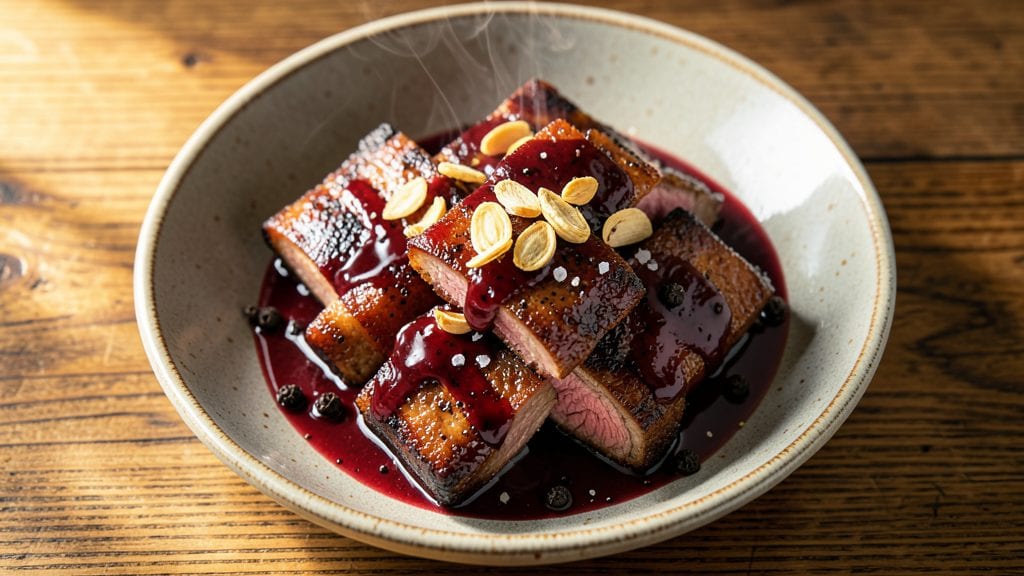
Master this thin beef short ribs recipe and turn tough cuts into melt-in-your-mouth tenderness with a simple slow-braised method that rivals your favorite restaurant. The secret lies in thin-slicing the ribs for quick cooking and braising them low and slow until they practically melt in your mouth.
After years of testing, I’ve perfected a technique that balances rich red wine, aromatic herbs, and perfectly balanced seasoning to create a dish that’s both elegant and approachable.
This recipe starts with a quick sear to lock in flavors, followed by a 3-hour braise that transforms the meat into silky perfection.
The braising liquid—a blend of red wine, beef broth, and aromatics—infuses every slice with deep, savory notes, while a final reduction creates a glossy sauce that ties everything together.
What you’ll end up with is a dish that’s foolproof, tender, and packed with flavor, ideal for special occasions or a cozy weeknight dinner.
The thin-slicing technique is key—it ensures the ribs cook through evenly without becoming chewy. Paired with classic sides like creamy mashed potatoes or roasted vegetables, this dish becomes a complete, satisfying meal.
Whether you’re hosting a dinner party or simply craving a rich, comforting dish, this method delivers results that will impress even the most discerning eaters.
Ready to master this technique? The process is straightforward, and the payoff is worth every minute. Let’s get started on creating beef short ribs that are restaurant-quality and full of flavor.
Ingredients for thin beef short ribs
These quality ingredients transform tough ribs into melt-in-your-mouth perfection through slow braising.
| Ingredient | Amount | Notes |
|---|---|---|
| Beef Short Ribs 🥩 | 2 lb | Thinly sliced, 1/4-inch thick |
| All-Purpose Flour 🌾 | ½ cup | For dredging meat |
| Kosher Salt 🧂 | 1 ½ tbsp | Coarse grain preferred |
| Freshly Ground Black Pepper 🌶️ | 1 tsp | Freshly cracked for best flavor |
| Unsalted Butter 🧈 | 2 tbsp | For searing ribs |
| Dry Red Wine 🍷 | 1 cup | Bold, like Cabernet Sauvignon |
| Beef Broth 💧 | 2 cups | Low-sodium preferred |
| Garlic Cloves 🧄 | 4 cloves | Smashed, not minced |
| Fresh Rosemary 🌿 | 1 tbsp | Chopped, stems removed |
| Fresh Thyme 🌿 | 1 tbsp | Leaves only, chopped |
| Carrots 🥕 | 2 whole | Cut into chunks |
| Yellow Onion 🧅 | 1 whole | Cut into wedges |
| Tomato Paste 🍅 | 1 tbsp | Smooth, not chunky |
| Extra-Virgin Olive Oil 🫒 | 2 tbsp | For deglazing |
The beef short ribs are the star here—look for well-marbled cuts from the butcher section. Costco or Whole Foods often carry premium options, but any reputable grocery store will have them. Thin-slicing is critical: 1/4-inch thick slices ensure even cooking without toughness. If your butcher won't slice them, use a sharp knife and ask for help—they'll usually do it for you. For the wine, Cabernet Sauvignon or Merlot work best—their bold flavors complement the rich beef. Avoid sweet wines, as they'll overpower the dish.
No red wine? Dry beef broth with a splash of balsamic vinegar works in a pinch. Fresh herbs are ideal, but dried rosemary and thyme at half the amount will suffice. The tomato paste can be substituted with 1/4 cup crushed tomatoes if you prefer a smoother sauce. For the carrots and onion, any root vegetable or leek will add depth. The flour is just for dredging—cornstarch works too—but don't skip it entirely, as it helps create a light crust during searing. If you're short on time, pre-cut frozen onion and carrot mix saves chopping steps without sacrificing flavor.
The braising liquid keeps for 5 days in the fridge, and the cooked ribs reheat beautifully—350°F for 15-20 minutes until warmed through. For meal prep, portion the ribs into containers with some of the sauce to keep everything moist. The sauce itself can be frozen for up to 3 months—just thaw and reheat gently. If you have leftovers, use them in sandwiches or tacos the next day for a completely different meal.
Why You'll Love This Recipe
- Two-Ingredient Magic: The flour and butter alone transform these ribs into something crispy and golden—no fancy marinades or hours of prep. Honestly, the secret’s in that quick dredge before searing; it’s like giving them a buttery armor that locks in flavor.
- Weeknight Warrior: I’ve made this on Tuesdays when I’m exhausted, and it still delivers. Thin-cut ribs cook fast—no waiting around for slow braising—while still feeling special enough for guests. (Yes, even on a Tuesday night.)
- Leftovers That Don’t Suck: These ribs reheat like a dream—crispy edges stay crispy, and the meat stays tender. I’ll be real: I’ve eaten them cold the next day in sandwiches, and no one’s complained. That’s a win for my wallet and my sanity.
- Budget-Friendly Luxury: Short ribs are rich, but thin-cut ones stretch further than you’d think. A pound feeds four easily, and the flour-butter combo costs pennies. It’s the kind of dish that makes fancy food feel accessible—without sacrificing taste.
Step-by-step instructions for thin beef short ribs
Here's the method for transforming tough short ribs into melt-in-your-mouth perfection through precise technique.
Prepare and Sear the Short Ribs
Pat the 2 lb beef short ribs completely dry with paper towels—this ensures maximum browning. In a large bowl, combine the 0.5 cup all-purpose flour, 1.5 tbsp kosher salt, and 1 tsp freshly ground black pepper. Toss the ribs in this mixture until evenly coated, shaking off any excess.
Heat a large Dutch oven over medium-high heat and add 2 tbsp unsalted butter. Once the butter foams, add the ribs in a single layer and let them sear undisturbed for 3-4 minutes until a deep golden crust forms. Flip and sear the other side for another 3-4 minutes. The ribs should be browned but not cooked through—this initial sear locks in flavor and creates the foundation for the rich sauce.
Build the Braising Liquid
Remove the seared ribs from the Dutch oven and set them aside. Reduce the heat to medium and add 2 tbsp extra-virgin olive oil to the same pot. Add the chopped 2 whole carrots, 1 whole yellow onion cut into wedges, and the smashed 4 cloves garlic. Cook for 5-6 minutes until the vegetables begin to soften and release their aromas.
Stir in the 1 tbsp tomato paste and cook for 1 minute until it darkens slightly. Pour in the 1 cup dry red wine and scrape up any browned bits from the bottom of the pot with a wooden spoon—this deglazing step captures all those flavorful compounds. Let the wine reduce by half, about 3-4 minutes, until it's syrupy and concentrated.
Simmer the Ribs to Perfection
Return the ribs to the Dutch oven and pour in the 2 cups beef broth. Add the chopped 1 tbsp fresh rosemary and 1 tbsp fresh thyme leaves. Bring the liquid to a gentle simmer, then cover with a tight-fitting lid. Transfer the pot to a preheated 325°F oven and braise for 2 to 2.5 hours, depending on thickness, until the ribs are fork-tender and easily pull away from the bone.
I check for doneness by inserting a knife into the thickest part of a rib—the meat should slide off the bone with minimal resistance. The braising liquid should have reduced by about one-third, creating a rich, flavorful sauce that coats the ribs beautifully. If the liquid reduces too quickly, add a splash of water or broth to maintain moisture.
Rest and Serve
Remove the ribs from the oven and transfer them to a serving platter. Tent loosely with aluminum foil and let them rest for 10-15 minutes. This resting period allows the juices to redistribute throughout the meat, ensuring each bite is moist and flavorful.
Ladle the braising liquid through a fine-mesh strainer to remove any herb stems or vegetable pieces, then pour it over the ribs. The sauce should be thick enough to coat the back of a spoon but still flow freely. Serve the ribs immediately, accompanied by the reduced braising sauce and any remaining vegetables from the pot. The result is ultra-tender beef that practically falls apart at the touch, infused with deep, complex flavors from the slow braising process.
Pro Tips For Making Thin Beef Short Ribs
- Trim the Fat First: Thin beef short ribs come with a thick fat cap—slice it down to ¼-inch before cooking. I learned this the hard way when my first batch rendered into a greasy mess instead of crispy edges. Use a sharp knife and work quickly; cold fat is easier to manage.
- Coat in Flour Like Snow: Pat the ribs dry, then toss them in flour until every surface is evenly white—no clumps, no bare spots. I used to shake them in a bag, but now I dump the flour on a plate and rub it in. This guarantees a consistent crust when searing, not patchy spots.
- Sear in Batches: Crowding the pan steams the ribs instead of browning them. Work in one layer, no overlaps, and resist the urge to rush—high heat for 3-4 minutes per side until deep golden. Your future self will thank you when the sauce clings to perfect crusts.
- Deglaze with Butter: After searing, toss in 2 tablespoons of cold butter (yes, cold) with the fond. It melts into a silky sauce while keeping the ribs from overcooking. I was skeptical until I tried it—now it’s non-negotiable for richness.
Wine and beer pairings for this dish
Red Wine Pairings
A bold Cabernet Sauvignon from Napa Valley or a rich Merlot from Bordeaux is my go-to choice for these short ribs. The tannins in these wines cut through the richness of the braised beef while complementing the deep, savory flavors.
Look for a wine with 14-15% ABV and well-integrated oak—this ensures it won’t overpower the dish but instead enhances the meat’s natural depth. 🍷
For a more affordable option, try a Malbec from Argentina—its dark fruit notes and velvety texture pair beautifully with the caramelized onions and herbs in the braising liquid. Avoid lighter reds like Pinot Noir, as they lack the body to stand up to the ribs’ richness.
Beer Pairings
A dark lager like Samuel Adams Black Lager or Guinness provides a malty contrast that balances the beef’s richness. The roasted barley notes in these beers complement the caramelized flavors in the sauce, creating a harmonious pairing. I often serve this combination at my dinner parties—it’s unexpected yet perfectly balanced.
For craft beer lovers, a Belgian-style Dubbel like Westmalle Dubbel or a smoked porter offers a unique twist. The caramel and spice notes in these beers mirror the braising liquid’s depth, while the slight sweetness cuts through the saltiness of the ribs. Avoid hoppy IPAs—they’ll clash with the dish’s richness.
Unexpected Pairings
If you’re feeling adventurous, try pairing these ribs with a Port wine or tawny Port for dessert. The sweetness of the wine balances the savory beef, creating a delightful contrast. I’ve also enjoyed serving them with a dry Riesling—its acidity cuts through the fat, making each bite feel lighter.
For a non-alcoholic option, a sparkling cranberry juice or ginger beer adds a refreshing contrast to the rich, braised flavors. The effervescence cleanses your palate between bites, making the meal feel more balanced and enjoyable. 💫
Nutrition facts
Frequently asked questions
Why do you recommend thin-slicing the beef short ribs?
Thin-slicing (1/4-inch thick) ensures even cooking and prevents toughness. The ribs cook faster and absorb flavors more uniformly, resulting in melt-in-your-mouth tenderness. This method also reduces braising time to 2-2.5 hours instead of the traditional 4+ hours for thicker cuts.
Can I substitute red wine with something else?
Yes! Use 1 cup dry beef broth + 1 tbsp balsamic vinegar for a similar depth of flavor. For a non-alcoholic option, try 1 cup apple cider + 1 tbsp red wine vinegar. Avoid sweet wines—they’ll overpower the dish. The key is acidity and richness to complement the beef.
How do I know when the ribs are fully cooked?
Insert a knife into the thickest part—the meat should slide off the bone with minimal resistance. The internal temperature should reach 195-203°F. If the sauce reduces too quickly, add 1/4 cup beef broth to maintain moisture. Overcooking can make them mushy, so aim for fork-tender, not falling-apart.
What’s the best way to reheat leftover ribs?
Reheat in a 350°F oven for 15-20 minutes with a splash of beef broth to keep them moist. Avoid microwaving—they’ll turn rubbery. For quick meals, shred the ribs and use them in tacos, sandwiches, or pasta. The sauce reheats well too—just warm it gently on the stovetop.
Can I make this recipe in a slow cooker?
Yes! Sear the ribs first, then transfer them to a slow cooker with all ingredients (except herbs—add them at the end). Cook on Low for 6-7 hours or High for 4-5 hours. The ribs will be tender, but the sauce may be thinner—reduce it on the stovetop afterward. Add fresh herbs just before serving.