
Beverages
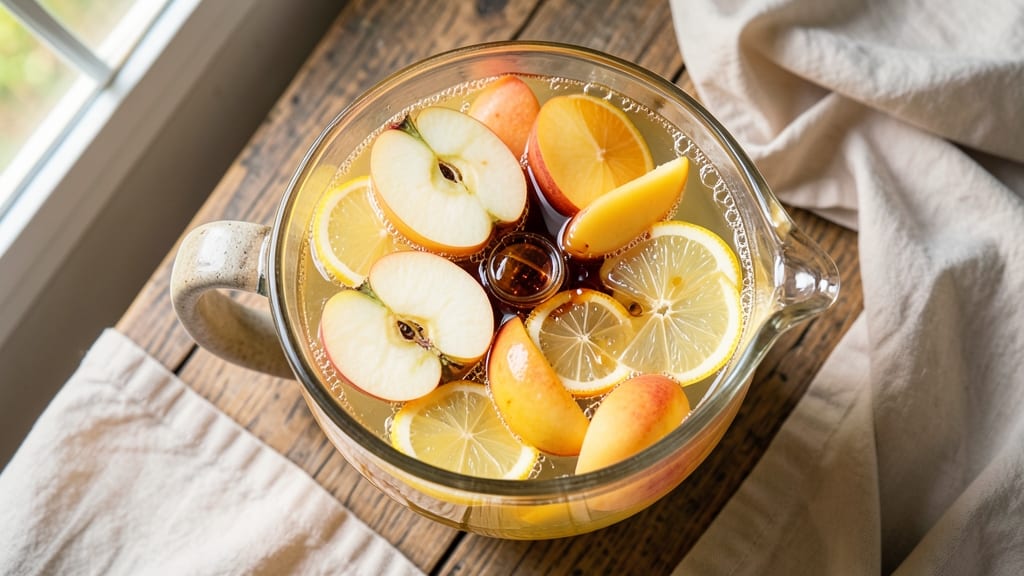
This traditional white sangria recipe captures the refreshing essence of Spain's most beloved chilled wine—where crisp white wine meets juicy fruit in perfect harmony. The key lies in balancing sweetness, acidity, and texture, creating a drink that’s both nostalgic and vibrant.
I’ve perfected this method over years of summer gatherings, where every sip transports you to a sunlit terrace in Andalusia.
The foundation begins with a quality dry white wine like Sauvignon Blanc or Albariño, paired with classic Spanish fruits such as apples, peaches, and citrus. Adding a splash of brandy or sherry deepens the flavor profile, while a touch of honey or simple syrup ensures the right balance of sweetness.
The magic happens during the chilling process—at least 4 hours, but overnight yields the most refined taste.
What you’ll achieve is a drink that’s crisp, aromatic, and layered with fruity depth—golden in color, effervescent with bubbles, and bursting with the bright flavors of ripe fruit. The texture is light yet satisfying, with each sip offering a refreshing contrast of tart and sweet.
This is the sangria your guests will ask for again and again.
Serve it chilled in a pitcher with ice, garnished with fresh fruit slices or mint sprigs for an authentic touch. Perfect for picnics, garden parties, or lazy afternoons by the pool, this recipe stays true to tradition while inviting modern twists. Let’s make it together.
Ingredients for traditional white sangria
Eight ingredients. One pitcher. The Spanish summer classic you’ll crave all year round.
| Ingredient | Amount | Notes |
|---|---|---|
| Dry White Wine 🍷 | 750 ml | Sauvignon Blanc or Albariño preferred |
| Granny Smith Apples 🍎 | 2 whole | Peeled, cored, thinly sliced |
| Peaches 🍑 | 2 whole | Ripe, peeled, pitted, sliced |
| Lemon 🍋 | 1 whole | Juiced, plus slices for garnish |
| Orange 🍊 | 1 whole | Juiced, plus slices for garnish |
| Brandy 🍷 | ½ cup | Or substitute sherry if preferred |
| Honey 🍯 | ¼ cup | Or simple syrup (equal parts sugar/water) |
| Fresh Mint Leaves 🍃 | ¼ cup | Loosely packed, for garnish |
| Ice Cubes ❄️ | 2 cups | For serving, optional |
| Sparkling Water 💧 | 1 cup | Optional, for extra bubbles |
| Club Soda 🍹 | ½ cup | For final fizz adjustment |
| Cinnamon Stick 🌿 | 1 whole | Optional, for infusion |
The wine is non-negotiable here. Sauvignon Blanc or Albariño from Spain’s Rioja or Ribera del Duero regions bring that signature crispness. Trader Joe's or Total Wine usually have solid options, but if you’re splurging, hit up a local wine shop—they’ll point you right to the good stuff. Granny Smith apples add tartness, while peaches bring sweetness. Buy organic if you can—the skin-on slices add texture. The citrus? Navel oranges work, but blood oranges add a stunning deep hue. Pro tip: slice the fruit just before adding to the wine to keep it vibrant.
No brandy? Sherry or even a splash of peach schnapps works in a pinch. Short on honey? Simple syrup or agave keeps it balanced. The sparkling water and club soda are optional but worth it for that authentic effervescence—LaCroix or San Pellegrino are my go-tos. Fresh mint is a must for garnish, but dried won’t ruin it if that’s all you’ve got. The cinnamon stick? Infuse it for 10 minutes first—it adds warmth without overpowering. And if you’re making this ahead, skip the ice and sparkling water until serving.
This tastes better the longer it chills—overnight is ideal. Store leftovers in the fridge for up to 3 days, but add ice and a splash of sparkling water before serving. I always make a double batch—half for the pitcher, half for solo sipping in mason jars. The fruit keeps its color best if you strain it out before serving, but I like the rustic look of it floating in there. Garnish with fresh slices and mint sprigs right before pouring—that’s when it looks most inviting.
Why You'll Love This Recipe
- Five-Ingredient Magic: I swear by this combo—just wine, apples, peaches, and citrus. No fussy measurements or obscure spices; it’s the kind of drink that proves good things don’t need to be complicated.
- Balanced Bite: The Granny Smith’s tart punch cuts through the wine’s crispness while the peaches add just enough sweetness. That lemon-orange zing? It’s the secret handshake that makes every sip feel like a little celebration.
- Weekend or Weeknight: Pour it when guests drop by unexpectedly or chill a pitcher for your own lazy Sunday. It’s equally at home on a patio table or in a mason jar by the couch—no occasion too small or too big.
- Leftovers? Better: This stuff only gets better after a day or two in the fridge. The flavors meld like old friends, and honestly? I’ve never had sangria go bad before I finish it. (My partner’s the one who keeps “accidentally” drinking it.)
Step-by-step instructions for traditional white sangria
Here's how to make the classic Spanish drink that balances wine, fruit, and spices perfectly.
Prepare the Fruit and Infusion Base
Start by peeling, coring, and thinly slicing the 2 whole Granny Smith apples and 2 whole peaches. The thinner the slices, the faster they'll infuse flavor into the wine. Place these in a large pitcher or bowl.
Add the juiced lemon and orange (about ½ cup juice from each) along with the sliced lemon and orange for garnish. Drop in the whole cinnamon stick and pour in the 750 ml dry white wine. Let this mixture sit at room temperature for at least 1 hour, stirring occasionally. This allows the fruit to release its natural sugars and flavors into the wine, creating a well-rounded base.
Sweeten and Add Brandy
After the initial infusion, stir in the 0.25 cup honey to sweeten the mixture. This step is crucial for balancing the wine's acidity with natural sweetness. Add the 0.5 cup brandy and gently mix to combine. The brandy adds depth and a warming quality to the sangria.
Let the sangria sit for another 30 minutes to allow the brandy to mellow and integrate with the other flavors. This resting period ensures that all the components meld together harmoniously, creating a cohesive taste profile that's both refreshing and complex.
Chill and Garnish
Transfer the sangria to the refrigerator and chill for at least 2 hours. This ensures it's properly chilled and ready to serve. Before serving, add the 0.25 cup fresh mint leaves and gently stir. The mint adds a bright, refreshing note that complements the fruity flavors.
Add the 2 cups ice cubes just before serving to keep the sangria cold and refreshing. Garnish each glass with additional fruit slices and mint leaves for presentation. The ice will also help maintain the drink's temperature as you serve it.
Add Sparkling Water and Club Soda for Fizz
Just before serving, pour in the 1 cup sparkling water and 0.5 cup club soda. This step is optional but adds a delightful effervescence that makes the sangria even more refreshing. Stir gently to combine without over-diluting the mixture.
Serve immediately in chilled glasses. The combination of sparkling water and club soda creates a light, bubbly texture that contrasts beautifully with the rich, fruity flavors of the sangria. This final step is what makes this sangria feel truly special and celebratory.
Pro Tips For Making Traditional White Sangria
- CHILL THE WINE FIRST: I learned this the hard way—pouring room-temperature wine into the pitcher makes the whole drink taste flat and dull. Grab a bottle from the fridge, let it sit out for 10 minutes max, then pour. Cold wine keeps its brightness and prevents the fruit from turning the sangria into a sad, watery mess.
- CORE THE FRUIT: Peeling and coring Granny Smiths and peaches is a pain, but skipping it means your sangria will taste like you’re chewing through a fruit salad. Use a small melon baller or spoon to scoop out the cores—it’s faster than you think, and the texture stays clean.
- ZEST DON’T JUICE: I used to just squeeze lemons and oranges, but the bitter pith ruins the balance. Instead, zest the outer layer (no white stuff) and add just a splash of juice—about 2 tablespoons per fruit. The aroma stays bright, and the drink won’t turn sour overnight.
- STIR DAILY, NOT HOURLY: Sangria needs time to marry, not constant babying. Stir it once in the morning and once before serving—overmixing releases tannins from the fruit and makes the wine taste harsh. Let the flavors meld naturally, like a lazy Sunday afternoon.
Wine and beer pairings for these flavors
Spanish Wine Pairings
Stick with Spanish wines to keep your sangria authentic. A crisp Albariño from Ribera del Duero or a zesty Verdejo from Rueda complements the fruit beautifully. These wines have bright acidity that cuts through the sweetness, just like the original sangria from Andalusia.
I always reach for Marqués de Riscal Albariño—it’s my go-to for that perfect balance. 🍷
Sparkling Wine Upgrade
For a festive twist, swap out the sparkling water with Cava—Spain’s answer to Champagne. A dry Reserva Cava adds elegant bubbles and a citrusy note that pairs perfectly with the peaches and apples.
Look for Freixenet Elyssia Brut for a crowd-pleaser that won’t break the bank. Serve chilled in flutes for a sophisticated touch.
Beer Pairings
A light Spanish lager like Estrella Galicia or Mahou Clásica works surprisingly well alongside sangria. The crisp, clean profile lets the fruity flavors shine without overpowering them. For something bolder, try a Spanish wheat beer like Alhambra Especial—its subtle citrus notes mirror the sangria’s brightness.
Serve both in the same pitcher for a fun, casual vibe.
Non-Alcoholic Twist
For a virgin version, use sparkling grape juice (like Martinelli’s) instead of wine, and add a splash of ginger beer for fizz. The San Pellegrino Aranciata also works—its blood orange flavor echoes the citrus in the sangria.
Garnish with extra fruit and mint to keep it vibrant. This version is perfect for kids or early-morning brunches. 💧
Seasonal Adjustments
In summer, lean into peach and nectarine sangria with a splash of peach schnapps for extra sweetness. For fall, swap peaches for pear slices and add a cinnamon stick infusion.
Winter calls for blood orange sangria with a touch of orange liqueur—think Cointreau for depth. Each season brings a new twist while staying true to the classic. ✨
Nutrition facts
Frequently asked questions
Can I make this sangria without brandy?
Swap the brandy for ½ cup sherry or a splash of peach schnapps for a fruity twist. If you prefer a completely alcohol-free version, use ½ cup extra fruit juice or a splash of ginger beer to maintain balance. The key is keeping the same volume to avoid over-diluting the wine.
How long should I let the fruit steep in the wine?
For the best flavor, let the fruit steep for at least 4 hours—overnight is ideal. This allows the fruit to release its natural sugars and aromas into the wine. If you're short on time, 2 hours will work, but the flavor will be less developed. Pro tip: Thinly sliced fruit infuses faster than chunks.
Can I use red wine instead of white?
While traditional sangria uses white wine, you can experiment with red! Opt for a light, fruity red like Tempranillo or Pinot Noir—these won’t overpower the fruit. Red sangria will have a deeper color and richer taste, but it won’t be as crisp. If you try it, reduce the fruit steeping time to 2-3 hours to avoid bitterness.
Why does my sangria taste too sweet?
Too much sweetener can happen if your wine is already sweet or if you overdo the honey/syrup. Start with ¼ cup honey and taste before adding more. If it’s still too sweet, balance it with a splash of lemon juice or a few ice cubes to dilute slightly. Remember, sangria should taste like fruit-forward wine, not dessert!
How do I keep the fruit from turning brown?
To prevent browning, toss sliced fruit in 1 tablespoon lemon juice before adding it to the wine. This preserves color and freshness. For extra vibrancy, use a mix of peeled and unpeeled fruit—the skins add texture and nutrients. If browning still occurs, strain out the fruit before serving and garnish with fresh slices.