Desserts
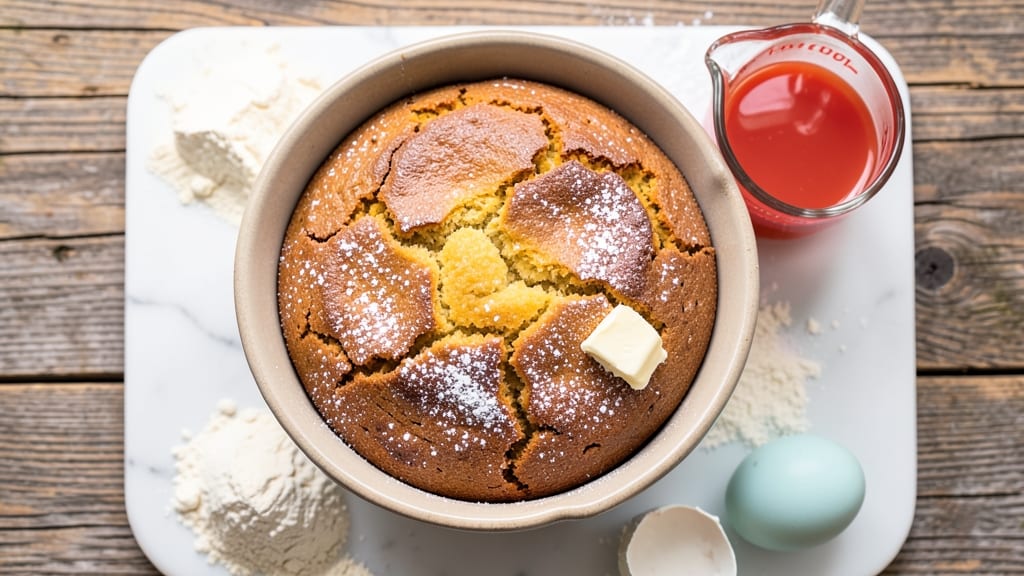
This yeasted cake recipe delivers the perfect balance of a light, fluffy rise and rich, vanilla-infused moisture that keeps slices tender for days. The secret lies in properly activated yeast and a precise dough development process that creates that signature airy texture without sacrificing moisture.
I've perfected this technique over years of baking, and it consistently produces cakes with an open crumb structure that's impossible to resist.
The process begins with yeast activation in warm milk, which kickstarts fermentation and ensures your cake rises properly. We'll use a combination of butter and eggs to create a tender crumb, while vanilla bean paste infuses deep flavor without overpowering the delicate sweetness.
The dough requires careful handling—kneading just until smooth develops gluten for structure while preserving that melt-in-your-mouth tenderness.
What makes this recipe truly special is the baking technique that guarantees a moist interior and golden crust. The cake bakes at a controlled temperature to prevent over-browning while allowing the yeast to fully expand.
When sliced, you'll see that perfect open crumb structure with pockets of air throughout, and each bite will deliver that signature moistness that keeps it fresh for days.
Perfect for special occasions or everyday indulgence, this cake adapts beautifully to fillings like jam or custard. The recipe delivers professional-quality results with simple techniques any home baker can master. Let's get started on creating your perfect yeasted cake.
Ingredients for yeasted cake
Simple yet transformative ingredients for that signature airy, moist yeasted cake you crave every time.
| Ingredient | Amount | Notes |
|---|---|---|
| Active Dry Yeast 🍞 | 2 ¼ tsp | Ensure freshness by testing in warm milk |
| Warm Whole Milk 🥛 | 1 cup | 110-115°F for proper yeast activation |
| Granulated Sugar 🍚 | ½ cup | Divided: 0.25 cup for yeast, 0.25 cup for dough |
| Unsalted Butter 🧈 | ½ cup | Cold, cubed for proper dough texture |
| Large Eggs 🥚 | 2 whole | Room temperature for even incorporation |
| All-Purpose Flour 🌾 | 3 cups | Sifted for light, airy crumb |
| Vanilla Bean Paste 🍯 | 2 tsp | High-quality for authentic flavor |
| Diamond Crystal Kosher Salt 🧂 | ½ tsp | Adjust to taste for balance |
| Cake Flour 🌾 | ½ cup | Optional for ultra-tender crumb |
| Vegetable Oil 🫒 | ¼ cup | Light, neutral flavor for moisture |
| Baking Powder 🍞 | 1 tsp | Ensures proper rise |
| Cornstarch 🌾 | 1 tbsp | For tender, moist crumb structure |
The yeast is your secret weapon—Bob's Red Mill active dry yeast is my go-to, but check the expiration date. If it's been sitting in your pantry for months, test it in warm milk first. The milk should be 110-115°F—too hot and you kill the yeast, too cold and it won't activate properly. For the butter, Plugrá or Land O'Lakes work beautifully, but make sure it's cold when you cube it. Room temperature butter gets incorporated, cold butter creates those pockets of air. The vanilla bean paste? Madagascar Bourbon from a specialty shop elevates this from good to extraordinary—it's worth the splurge for the depth of flavor.
No cake flour? Substitute with 0.4 cup all-purpose flour minus 1 tbsp from your total amount. Running low on vegetable oil? Melted butter works 1:1, but the flavor will be richer. The baking powder is non-negotiable—Aluminum-free, double-acting is key for that professional rise. For the sugar, Domino or C&H granulated works perfectly, but if you're feeling fancy, try turbinado for a subtle caramel note. The cornstarch might seem like an odd addition, but trust me—it's what keeps this cake moist for days. And if you're making this ahead? Add 0.25 tsp more baking powder to compensate for any loss of lift during storage.
This cake keeps beautifully—3 days at room temperature wrapped tightly in plastic, or 1 week refrigerated. For longer storage, freeze portions wrapped individually. The secret to reheating? 30 seconds in the microwave with a damp paper towel—it revives that fresh-baked moisture without making it gummy. I always bake two cakes when I know we'll be eating them over several days—one for immediate enjoyment, one to save for later. The flavor actually deepens as it sits, developing that complex vanilla character that makes it irresistible.
Why You'll Love This Recipe
- No Yeast Nightmares: I’ve made enough dense, sad cakes to know yeast intimidates people—but this? The warm milk blooms the yeast in minutes, no waiting around. Just toss it in, let it puff, and you’re golden. (Yes, even if you’re a “I burned my toast” kind of baker.)
- Buttery Rich Payoff: That first slice? It’s like a hug from a bakery. The butter and sugar create this melt-in-your-mouth crumb, while the eggs add that silky richness. Honestly, I’ve skipped dessert for this.
- Weekend or Weeknight: Too fancy for Tuesday, too simple for Sunday? Perfect. Double the batter, bake it in a loaf pan for sandwiches or a tube pan for showy slices. My kids grab it straight from the oven—no judgment here.
- Leftovers That Last: This cake keeps for days (if it lasts that long). Slice it for breakfast toast, crumble it into oatmeal, or freeze slices for lazy mornings. Between us, I’ve eaten it cold at 2 a.m. and still craved more.
Step-by-step instructions for yeasted cake recipe
Here's how to achieve that perfect fluffy rise and moist crumb every time—simple steps for an incredible result.
Activate the Yeast in Warm Milk
In a small bowl, combine the 2.25 teaspoons active dry yeast with 1 cup warm whole milk (between 110-115°F). Stir gently and let sit for 5-10 minutes until frothy. This step ensures your yeast is alive and ready to work its magic—if it doesn't foam, your yeast is likely inactive, and you'll need to start fresh.
Here's the thing—this activation step is non-negotiable. Cold milk kills yeast, while milk too hot above 115°F will also deactivate it. The frothy foam confirms your yeast is active and ready to create that perfect rise in your cake. If you're unsure about the milk temperature, test it by sprinkling a pinch of yeast on the surface—it should foam within 10 seconds if it's properly warmed.
Cream Butter, Sugar, and Eggs
In a large mixing bowl, combine the 0.5 cup unsalted butter (cold, cubed), 0.25 cup granulated sugar, and 2 whole large eggs (room temperature). Beat on medium speed for 3-4 minutes until light and fluffy. You're looking for a mixture that nearly doubles in volume and has a pale, creamy texture—this incorporates air, which is crucial for that light, airy crumb.
Don't rush this step. The butter needs to emulsify with the sugar and eggs to create a stable base for the cake. If you're in a hurry, you might be tempted to increase the speed, but that can lead to a dense cake. Instead, focus on the texture—it should be thick enough to hold peaks when you lift the beaters. This ensures your cake will rise beautifully in the oven.
Combine Wet Ingredients with Dry Ingredients
Gradually add 3 cups all-purpose flour, 0.5 teaspoon diamond crystal kosher salt, 1 teaspoon baking powder, 1 tablespoon cornstarch, and 0.5 cup cake flour to the creamed mixture. Mix on low speed just until combined—you should still see a few flour streaks. This prevents overmixing, which can lead to a tough cake.
In a separate small bowl, whisk together the remaining 0.25 cup granulated sugar with 2 teaspoons vanilla bean paste. This creates a smooth, flavorful syrup that will infuse every bite of your cake. Once combined, pour this mixture into the flour mixture and mix gently until just incorporated. The dough should be soft and slightly sticky, but not wet—this is the perfect consistency for a moist, tender crumb.
Incorporate the Oil and Yeast Mixture
Slowly pour in the 0.25 cup vegetable oil and the activated yeast mixture. Mix on low speed until everything is fully combined and the dough is smooth. The oil adds moisture and tenderness, while the yeast mixture ensures that rise we're all chasing. Stop mixing as soon as the dough comes together—overmixing develops gluten, which can make your cake dense.
Here's where it gets fun—the dough should be soft, slightly tacky, and just cohesive enough to hold its shape when pressed. If it feels too dry, add 1 teaspoon warm milk at a time until it reaches the right consistency. The goal is a dough that's moist but not sticky enough to cling to your fingers. This balance is key for achieving that perfect, moist crumb without compromising the structure.
First Rise and Prepare for Baking
Transfer the dough to a lightly greased 9-inch round cake pan (or two 8-inch round pans if you prefer thinner layers). Smooth the top with a spatula and let it rise in a warm place for 1-1.5 hours, or until it has doubled in size. You'll know it's ready when the dough puffs up noticeably and springs back slowly when pressed gently with a finger.
While the dough rises, preheat your oven to 350°F. This gentle rise allows the yeast to do its work slowly, creating a fine, even crumb. If your kitchen is cold, place the pan in a slightly warmed oven for the first 10 minutes of rising—this helps the dough get off to a strong start. Once the dough has doubled, it's time to bake, and you're just minutes away from that incredible, moist cake.
Pro Tips For Making Yeasted Cake
- TEST YEAST FIRST: Skip the guesswork—mix a tiny pinch of yeast with ¼ cup warm milk and a teaspoon of sugar in a separate bowl. If it bubbles within 5–10 minutes, your yeast is alive and ready. No bubbles? Toss it and start fresh—dead yeast means a dense, flat cake no matter how long you wait.
- USE WHOLE MILK AT 110°F: Warm the milk until it’s hot to the touch but not scalding (110°F is ideal). Too cold and the yeast sleeps; too hot and it dies instantly. I learned this the hard way—once I poured in milk straight from the fridge and my cake took three hours to rise. A thermometer is worth its weight in butter here.
- CREAM BUTTER AND SUGAR LONG: Whip the softened butter and sugar until it’s pale, fluffy, and leaves a ribbon trail when the beaters lift. Rushing this step means less air in the batter, which translates to a denser cake. My grandmother swore by this, and she was right: the extra 3–4 minutes pay off in a lighter crumb.
- LET THE BATTER REST: After mixing, let the batter sit covered at room temp for 20–30 minutes. This gives the yeast one last chance to activate fully before baking. I was skeptical until I tried it—the cake rose higher and baked more evenly. (Yes, even if you’re impatient like me.)
Creative variations of this recipe
Classic Vanilla Twist
Infuse the dough with 1 teaspoon bourbon or 1 teaspoon almond extract along with the vanilla bean paste for a sophisticated depth. The bourbon adds a subtle caramel note that pairs beautifully with the vanilla, while almond extract introduces a nutty complexity that elevates the flavor profile.
For an extra touch, sprinkle ½ teaspoon ground cinnamon into the dry ingredients—it enhances the warmth and makes every slice feel like a cozy hug. 💫
Chocolate-Dipped Layers
Divide the dough into two portions and bake them separately in 8-inch round pans. Once cooled, spread a layer of ½ cup chocolate ganache (melt 4 oz dark chocolate with ¼ cup heavy cream) between the layers.
For a showstopper effect, dip the entire cake in melted white chocolate and decorate with chocolate shavings or crushed hazelnuts. This variation transforms your cake into a decadent dessert that feels like a bakery masterpiece.
Citrus Zest Brightness
Add 1 tablespoon lemon zest or orange zest to the dry ingredients for a refreshing twist. The citrus brightens the vanilla flavor and adds a subtle tang that cuts through the richness.
For a more pronounced effect, reduce the sugar by 1 tablespoon—the natural sweetness of the zest balances the flavor perfectly. Pair this variation with a lemon glaze (powdered sugar + lemon juice) for a burst of brightness that feels like sunshine in every bite. 🍊
Spiced Chai Variation
Replace the vanilla bean paste with 1 teaspoon chai spice blend (a mix of cinnamon, cardamom, ginger, cloves, and black pepper). The warm spices create a cozy, aromatic profile that’s perfect for fall or winter.
For extra depth, steep 1 black tea bag in the warm milk before activating the yeast—this infuses the dough with a subtle tea flavor that complements the spices beautifully. Top with a honey glaze for a sticky, sweet finish.
Nutty Crunch Addition
Fold ½ cup toasted walnuts or pecans into the dough during the final mixing step for added texture. The nuts provide a satisfying crunch that contrasts with the soft, moist crumb. For a more elegant presentation, press chopped nuts into the top of the cake before baking.
This variation works especially well with the chocolate-dipped layers or citrus zest versions, adding another dimension of flavor and texture. 🌰
Alcohol-Infused Dough
Swap the warm milk for ½ cup warm coffee and ½ cup warm milk to create a mocha-inspired yeasted cake. The coffee deepens the chocolate notes if you add cocoa powder, or it stands alone as a rich, aromatic base.
For a boozy twist, replace ¼ cup of the milk with rum or Grand Marnier—the alcohol enhances the yeast activity while adding a subtle, sophisticated flavor. This variation is a crowd-pleaser for coffee or dessert lovers alike. ☕
Nutrition facts
Frequently asked questions
Why does my yeasted cake turn out dense instead of light and fluffy?
Overmixing the dough or killing the yeast are the most common culprits. Always activate yeast in 110-115°F milk and let it foam for 5-10 minutes. Mix just until combined—stop when flour streaks disappear. Also, avoid overbaking; check doneness at 325°F internal temperature.
Can I substitute butter with oil in this recipe?
Yes, but texture will differ slightly. Use 0.25 cup vegetable oil instead of butter for a more tender, moist crumb. For richness, replace oil with melted butter (1:1 ratio), but chill it first to mimic cold butter's effect on texture.
How do I know when the dough has risen enough?
Look for the dough to double in size and spring back slowly when gently pressed with a finger. In a 9-inch pan, this typically takes 1-1.5 hours. If your kitchen is cold, place the pan in a slightly warmed oven for 10 minutes to kickstart the rise.
What's the best way to store leftover yeasted cake?
Wrap tightly in plastic wrap and store at room temperature for 3 days, or refrigerate for 1 week. For longer storage, freeze slices wrapped individually. To revive, microwave for 30 seconds with a damp paper towel for fresh-baked moisture.
Can I make this cake without cake flour?
Replace 0.5 cup cake flour with 0.4 cup all-purpose flour minus 1 tbsp. For extra tenderness, add 1 tbsp cornstarch to the dry ingredients. The texture will be slightly denser but still delicious.