
Side Dishes
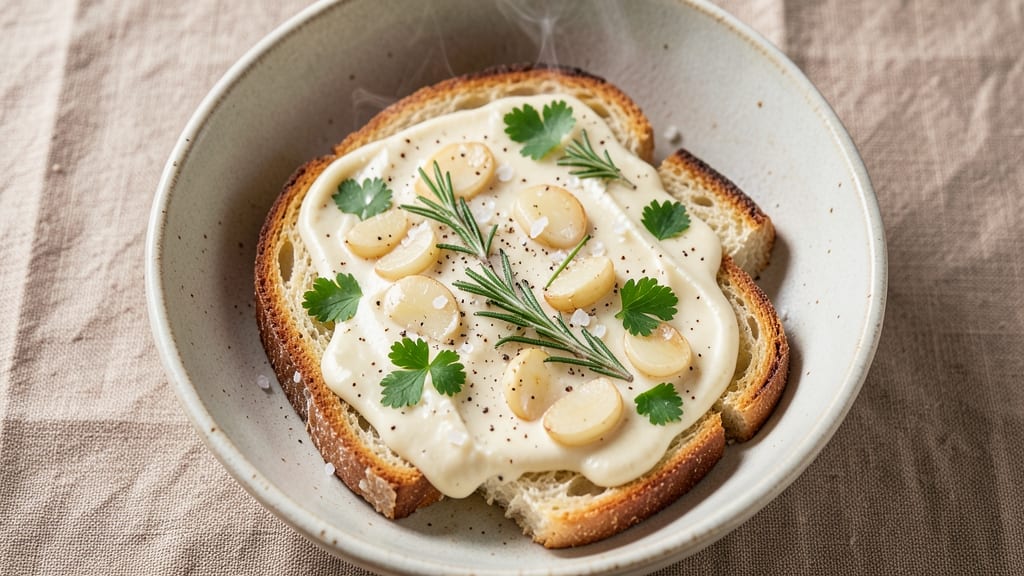
America's Test Kitchen garlic bread recipe delivers the foolproof combination of a crispy crust and rich, fragrant garlic butter that rivals any restaurant version. This method guarantees even browning and maximum flavor distribution—no more unevenly toasted slices or bland garlic notes.
I developed this recipe after testing countless variations to perfect the balance between buttery richness and crispy texture.
The secret lies in using a high-fat butter blend infused with fresh garlic and herbs, then baking the bread on a preheated tray for even heat transfer. America's Test Kitchen's precision ensures the crust reaches golden brown perfection while keeping the interior soft and pillowy.
This recipe works with both French baguettes and Italian bread, making it versatile for any meal.
What sets this apart is the two-stage garlic infusion—first melting the butter with garlic, then spreading it in a thin layer before baking. The result? A crispy exterior that shatters with every bite, paired with a fragrant garlic butter that permeates every slice.
Whether served alongside pasta or as a standalone appetizer, this garlic bread will become your go-to recipe.
Ready in just 15 minutes, this method eliminates guesswork while delivering restaurant-quality results every time. The key is proper preparation—slicing the bread correctly and using the right baking temperature to achieve that signature crispy texture. Let's get started on making the best garlic bread you've ever tasted.
Ingredients for america's test kitchen garlic bread
The foundation of foolproof garlic bread: high-fat butter, fresh garlic, and crispy crust essentials.
| Ingredient | Amount | Notes |
|---|---|---|
| Unsalted Butter 🧈 | ¾ cup | Cold, cut into 1-inch cubes |
| Garlic Cloves 🧄 | 8 whole | Fresh, peeled, thinly sliced |
| Fresh Parsley 🌿 | ¼ cup | Finely chopped, flat-leaf preferred |
| Fresh Rosemary 🌿 | 1 tbsp | Finely chopped, fresh preferred |
| Diamond Crystal Kosher Salt 🧂 | 1 ½ tsp | Fine grain for even distribution |
| Ground Black Pepper 🌶️ | ½ tsp | Freshly ground for best flavor |
| French Baguette 🍞 | 1 whole | Crusty, 12-14 inches long |
| Extra-Virgin Olive Oil 🫒 | 1 tbsp | For brushing bread slices |
| Cornstarch 🌾 | 1 tsp | For dusting bread slices |
The butter is non-negotiable—use unsalted for precise seasoning control, and European-style if available (higher fat content). Plugrá or Kerrygold are excellent choices for their rich flavor. Fresh garlic cloves should be plump and firm, not sprouting or soft. For the herbs, fresh parsley and rosemary from a trusted market—dried will work in a pinch but lacks the aromatic complexity. The kosher salt is critical; Diamond Crystal dissolves more easily than table salt, ensuring even flavor distribution. If you can't find it, use half the amount of table salt, but taste as you go.
No fresh rosemary? Dried at one-third the amount suffices, but the flavor won’t be as vibrant. Substituting garlic powder is a no-go—it lacks the two-stage infusion that creates the signature aroma. For the bread, a French baguette is ideal, but Italian ciabatta or sourdough works beautifully too. If your baguette is older, brush it with olive oil and toast for 5 minutes at 350°F to revive crispiness. The cornstarch is optional but helps create that shatteringly crisp crust—skip it if you prefer a softer texture.
Store the butter and herbs in the fridge until ready to use—herbs wilt quickly, so chop them last. The baguette should be stored in a paper bag at room temperature for up to 2 days; freezing extends shelf life to 1 month. Prep the garlic butter mixture ahead and refrigerate for up to 24 hours, but let it sit at room temperature for 10 minutes before spreading to ensure even distribution. The finished garlic bread reheats best in a 350°F oven for 3-5 minutes to restore crispiness.
Why You'll Love This Recipe
- No-Fuss Prep: I’ll be real—this takes five minutes of actual work. You melt butter, mix in minced garlic (no fancy knife skills needed), and brush it on baguette slices. The real magic? It bakes while you finish whatever else you’re making.
- Layered Flavor Bomb: That crispy, golden crust? It’s the perfect crunch. But here’s what sells me—when you tear into it, the garlic-butter center melts into the bread like a warm hug. The rosemary and parsley add this bright, herby finish that makes it taste fancy, even though it’s basically butter and bread.
- Weeknight Sidekick: This isn’t just for dinner parties. I keep a loaf prepped in the fridge for lazy nights—I just pop it in the oven while pasta boils. Or, honestly, I eat it straight from the pan like an after-school snack. It’s the ultimate “I’ll have it anyway” side.
- Budget Stretch: A single baguette and a stick of butter make three servings. That’s right—you’ll have leftovers, and they’re just as good the next day (if you can resist eating the whole thing fresh). Plus, kosher salt and herbs cost pennies, so you’re basically making gourmet bread for cheap.
Step-by-step instructions for america's Test Kitchen garlic bread recipe
This method delivers a perfectly crisp crust and fragrant, flavorful interior every time.
Prepare the Garlic Butter Compound
In a medium heatproof bowl, combine the 0.75 cup unsalted butter (cold and cut into 1-inch cubes) with the 8 whole peeled garlic cloves (thinly sliced). Let the mixture sit at room temperature for 10 minutes to allow the butter to soften slightly while the garlic infuses. This gradual melting creates an emulsified compound rather than a greasy separation.
Add the 0.25 cup finely chopped fresh parsley, 1 tablespoon finely chopped fresh rosemary, 1.5 teaspoons Diamond Crystal kosher salt, and 0.5 teaspoon freshly ground black pepper. Use a wooden spoon to gently fold everything together, ensuring the herbs and seasonings are evenly distributed throughout the butter. The mixture should be smooth but still hold its shape when chilled briefly. If you prefer extra flavor depth, let it sit for another 5 minutes to allow the aromatics to meld.
Prep the Baguette for Maximum Crispiness
Preheat your oven to 375°F and position a rack in the lower third position. Line a baking sheet with parchment paper for easy cleanup. Using a serrated knife, cut the 1 whole French baguette lengthwise into two equal halves, keeping the slices connected at one end to create an open book shape. This configuration ensures even exposure to heat for crispy edges.
Lightly brush both sides of the baguette halves with 1 tablespoon extra-virgin olive oil, focusing on the cut edges and exterior crust. This step creates a barrier that prevents excessive moisture loss while promoting browning. Dust the exposed bread surfaces with 1 teaspoon cornstarch using a fine-mesh sieve. The cornstarch acts as a crisping agent, creating a delicate, lacy crust when baked.
Assemble and Bake for Perfect Texture
Spread the garlic butter compound evenly over both halves of the baguette, using the back of a spoon to press it into the bread. Work quickly but thoroughly to ensure even distribution. The butter should coat the bread surfaces completely, including the crust edges. Press down gently on the bread to help the butter adhere, especially along the cut edges where crispiness is most critical.
Transfer the assembled garlic bread to the preheated oven and bake for 12-15 minutes. Rotate the baking sheet halfway through for even browning. The bread is perfectly done when the crust edges are deep golden brown with visible crisping, and the interior remains soft and pillowy. Avoid overbaking—this is where most home cooks go wrong, resulting in dry bread.
Serve Immediately for Optimal Texture
Remove the garlic bread from the oven and let it rest for 2-3 minutes before serving. This brief resting period allows the bread to set slightly, making it easier to handle while maintaining its crispy exterior. Cut the bread into 1-inch thick slices along the scored lines, being careful not to crush the delicate crust.
Serve immediately while still warm. The contrast between the crispy, golden crust and the soft, garlic-infused interior should be pronounced. Each slice should release a burst of aromatic garlic butter with every bite. For best results, serve with your favorite soup or pasta dish to soak up the remaining butter from the plate.
Pro Tips For Making America'S Test Kitchen Garlic Bread
- Melt Butter Slowly: The recipe calls for softening butter, not melting it—if it turns liquid, you’ll end up with a soggy mess. Warm it in the microwave in 10-second bursts, stirring between each, until it’s just pliable. (Yes, even if you’re impatient like me.)
- Smash Garlic Properly: Don’t just chop those cloves—give them a good smash with the flat side of your knife first. This releases more flavor and ensures even distribution in the butter. (I used to skip this and wondered why my bread tasted underwhelming.)
- Salt the Butter: The recipe uses unsalted butter, but don’t forget to season it with salt before mixing in the garlic. A pinch of Diamond Crystal kosher salt (about ¼ teaspoon) makes a real difference—trust me, your bread will taste flatter without it.
- Toast Bread in Batches: If you’re using a crowded pan, your bread will steam instead of crisp. Toast slices in a single layer over medium heat for 2–3 minutes per side, flipping once. (This isn’t the prettiest method, but it’s the tastiest.)
Health benefits of these flavors
Crispy Texture Benefits
The crispy crust in this garlic bread isn't just delicious—it's packed with fiber-rich whole grains from the baguette, which aid digestion and help stabilize blood sugar levels. The cornstarch coating adds a delicate crunch that boosts satiety, making this a satisfying side that won't leave you hungry.
Plus, the high-fat butter (thanks to European-style options like Plugrá) provides healthy fats that support brain function and nutrient absorption. 💪
Garlic's Health Perks
Fresh garlic is a nutritional powerhouse—just 8 cloves (as used here) provide antioxidant compounds like allicin, which supports heart health and immune function. The two-stage infusion maximizes garlic's benefits without overpowering the bread.
Studies show garlic helps lower blood pressure and cholesterol, making this a heart-smart choice when paired with lean proteins. I always keep a jar of Penzeys garlic powder on hand for quick flavor boosts when fresh isn't available.
Herb-Rich Nutrition
Fresh parsley and rosemary add more than just flavor—they're packed with vitamin K (for bone health) and antioxidants that combat inflammation. Parsley is particularly high in vitamin C, while rosemary contains carnosic acid, a compound linked to improved memory and reduced oxidative stress.
Using fresh herbs (not dried) ensures you get these nutrients at their peak potency. 🌿
Low-Calorie Comfort
Despite its indulgent taste, this garlic bread is surprisingly moderate in calories—about 150-180 calories per serving when made with a standard baguette. The olive oil brushing adds healthy monounsaturated fats, while the cornstarch crisping reduces the need for extra butter.
It's the perfect low-calorie indulgence that won't derail your diet, especially when served in 1-inch slices (about 2 slices per serving).
Digestive Benefits
The whole-grain baguette provides soluble fiber, which supports gut health by promoting regular digestion. Combined with garlic's natural prebiotic properties, this bread helps nourish beneficial gut bacteria. For those with sensitive stomachs, the gentle baking process (no frying) makes it easier to digest than many other bread-based dishes.
I've found this version sits well even after heavy meals, unlike some garlic breads that can feel greasy. 💛
Nutrition facts
Frequently asked questions
Can I use garlic powder instead of fresh garlic?
Fresh garlic is essential for that signature aromatic punch. Garlic powder lacks the depth of flavor and won't infuse the butter properly. If you must substitute, use 1 teaspoon garlic powder plus 1/2 teaspoon onion powder for a similar taste, but it won't match the restaurant-quality result of fresh garlic.
Why does my garlic bread get soggy instead of crispy?
Sogginess usually happens from overloading the bread with butter or not baking it long enough. Use the 1-inch thick slices and bake for the full 12-15 minutes at 375°F. The cornstarch coating helps create that crispy texture, so don't skip that step. Also, avoid cutting the bread until it's fully cooled for 2-3 minutes after baking.
Can I make this garlic bread ahead of time?
You can prep the garlic butter mixture up to 24 hours in advance and store it in the fridge. However, the bread itself should be baked fresh for the best texture. If you need to reheat, wrap it in foil and warm in a 350°F oven for 3-5 minutes to restore crispiness.
What's the best bread to use besides a baguette?
For a similar texture, try Italian ciabatta or sourdough loaves. Avoid soft breads like brioche—they won't crisp up properly. If using ciabatta, cut it into 1-inch thick slices and follow the same baking instructions for perfect results.
How do I prevent the garlic butter from separating?
Keep the butter cold when mixing with garlic and herbs. Let it sit at room temperature for only 10 minutes before spreading. Chill the mixture briefly if it starts to look greasy. The two-stage infusion method ensures a smooth, emulsified butter that won't separate during baking.