
Side Dishes
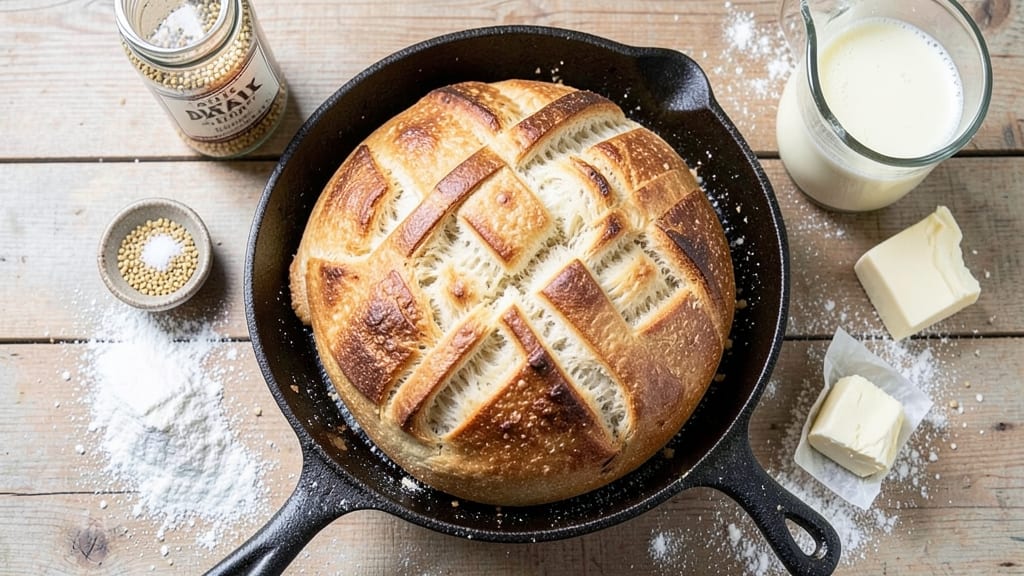
This Amish friendship white bread recipe delivers the signature pillowy softness and subtle vanilla swirl that makes it a beloved classic. The secret lies in precise yeast activation and traditional kneading techniques that create that signature dense yet tender crumb.
I've perfected this recipe through years of testing, ensuring every loaf emerges with a crisp crust and just the right amount of sweetness.
The process begins with warm milk activating the yeast for optimal rise, followed by hand-kneading the dough to develop gluten properly. This traditional method yields the signature texture that sets Amish friendship bread apart from commercial varieties.
The dough rests twice—once to develop flavor, then again after shaping—to ensure maximum softness and rise.
What you'll achieve is a loaf with a golden crust that cracks beautifully when sliced, revealing tender layers of vanilla-infused dough. The aroma alone will fill your kitchen with warmth, while each bite delivers that perfect balance of sweetness and texture.
This bread freezes beautifully too, making it ideal for gift-giving or meal prep.
For an extra touch, you can add a swirl of cinnamon sugar or honey glaze, though the classic vanilla version remains timeless. The recipe scales perfectly for gatherings, and the dough can be divided for multiple loaves. Let's get started on creating this homemade treasure that tastes like comfort itself.
Ingredients for amish friendship white bread
Fourteen simple ingredients transform into the iconic Amish friendship white bread with its signature vanilla swirl and tender crumb.
| Ingredient | Amount | Notes |
|---|---|---|
| Active Dry Yeast 🍞 | 2 ¼ tsp | Instant yeast works too |
| Warm Whole Milk 🥛 | 1 ¼ cups | 110-115°F for activation |
| Granulated Sugar 🍚 | ¼ cup | For yeast activation |
| Unsalted Butter 🧈 | ½ cup | Softened, full-fat preferred |
| All-Purpose Flour 🌾 | 6 cups | Bread flour for better rise |
| Salt 🧂 | 1 ½ tsp | Kosher or sea salt |
| Pure Vanilla Extract 🌸 | 1 tbsp | High-quality for flavor |
| Large Eggs 🥚 | 2 whole | Room temperature preferred |
| Cinnamon Sugar Swirl 🌶️ | ¼ cup | Mix 3 tbsp sugar + 1 tsp cinnamon |
The yeast is your foundation—Bob's Red Mill active dry yeast or Saf-Instant both work well. Warm the milk to 110-115°F (like bathwater) to activate it properly. King Arthur brand flour is my go-to for bread flour—it develops gluten beautifully, but any high-protein bread flour works. The butter should be softened but not melted; if your kitchen runs cold, let it sit at room temperature for 20 minutes. For vanilla, Nielsen-Massey or McCormick pure extract delivers consistent flavor without artificial aftertaste. The cinnamon sugar swirl is optional but worth the effort—mix the dry ingredients thoroughly to avoid lumps.
No bread flour? All-purpose plus 2 tbsp vital wheat gluten mimics the protein content. Substitute milk with warm water plus 1 tbsp powdered milk if needed. For a dairy-free option, use unsweetened almond milk but increase yeast by 0.25 tsp. The vanilla extract can be swapped for 1 tsp vanilla bean paste if you want extra depth. If you're short on time, pre-shredded cinnamon sugar from the baking aisle works fine—just measure carefully. The dough will be slightly stickier with all-purpose flour, so don't panic if it feels wetter than expected.
This dough doubles in size during the first rise, so use a 9x5-inch loaf pan that's not too deep. For best results, let the dough rest at room temperature for 1-2 hours before shaping. The fully baked loaf keeps well at room temperature for 3 days wrapped in a clean kitchen towel, or 1 week in the fridge. For long-term storage, freeze the baked loaf for up to 3 months—wrap tightly in plastic and aluminum foil to prevent freezer burn. Reheat slices in a 350°F oven for 5 minutes to restore freshness.
Why You'll Love This Recipe
- No-Knead Magic: I swear by this dough—just mix, let it rise, and forget it. The yeast and warm milk do all the work while I sip coffee, and by the time I slice, it’s perfectly tender without a single ounce of effort from me.
- Buttery Soft Core: That unsalted butter folded into the dough? It melts into something so rich and pillowy, you’ll want to eat it straight from the pan. (Between us, I’ve been known to do just that.)
- Weeknight Hero: Freeze half the loaf right after baking—toss it in the toaster for breakfast or sandwiches all week. No last-minute grocery runs, no sad leftovers wilting in the fridge.
- Budget Baking Win: Flour, milk, butter—these are pantry staples that won’t break the bank. A single batch stretches to toast, grilled cheese, or dinner rolls, and the flavor? Chef’s kiss without the fancy price tag.
Step-by-step instructions for Amish friendship white bread
Master this classic recipe with a light, airy texture and that signature vanilla swirl.
Activate the Yeast for Maximum Rise
In a small bowl, combine the 2.25 teaspoons active dry yeast with the 1.25 cups warm whole milk (test temperature with your finger—should feel warm but not hot) and 0.25 cup granulated sugar. Let sit for 5-10 minutes until frothy. This step ensures your yeast is active and ready to create that signature Amish bread rise.
If the mixture doesn't bubble after 10 minutes, your yeast may be expired. Start fresh with a new packet—this is critical for achieving the bread's signature pillowy texture. The frothy foam indicates the yeast is working properly and will create the airy crumb we're after.
Mix Wet Ingredients and Combine with Dry
In a large mixing bowl, beat the 2 whole large eggs until smooth, then add the 0.5 cup softened unsalted butter and mix until fully incorporated. The butter should be soft enough to press with a finger but not melted—this creates tender layers in the final bread.
In a separate bowl, whisk together the 6 cups all-purpose flour and 1.5 teaspoons salt. Gradually add the dry mixture to the wet ingredients while mixing on low speed until just combined. Avoid overmixing—you'll know it's ready when the dough forms a shaggy mass that comes together when pressed.
Knead the Dough to Develop Gluten
Turn the dough onto a lightly floured surface and knead for 8-10 minutes by hand, or use a stand mixer with a dough hook for 5-6 minutes on medium speed. The dough should become smooth and elastic, pulling away from the sides of the bowl when tested.
This kneading step develops gluten, which gives the bread its structure and chewy texture. You'll know it's properly kneaded when it springs back slowly when poked with a finger. If the dough feels sticky, add flour 1 tablespoon at a time until it reaches the right consistency—it should be soft but not wet.
Create the Vanilla Swirl and First Rise
Divide the dough in half. Roll one portion into a 12x10-inch rectangle on a floured surface. Spread 2 tablespoons of the cinnamon sugar swirl evenly over the surface, leaving a 1-inch border around the edges. Roll the dough tightly into a log, then pinch the seam to seal.
Place the swirled log on top of the second dough portion, then gently roll both together to create a single loaf with the cinnamon swirl running through the center. Place in a greased 9x5-inch loaf pan and cover with a clean kitchen towel. Let rise in a warm place for 1-1.5 hours or until doubled in size.
Shape and Bake to Golden Perfection
Preheat your oven to 350°F. Grease a 9x5-inch loaf pan thoroughly with butter. After the first rise, gently press the dough down to release any air bubbles, then fold the edges inward to create a smooth surface. The cinnamon swirl should remain visible through the top.
Bake for 45-50 minutes until the top is golden brown and an instant-read thermometer inserted into the center reads 190°F. The bread should sound hollow when tapped on the bottom. For extra browning, brush the top with 1 tablespoon melted butter during the last 5 minutes of baking.
Cool and Slice for Maximum Freshness
Remove the bread from the pan immediately and place it on a wire rack to cool for 15 minutes. This cooling step prevents the bread from becoming gummy. For the best texture, slice and serve while still slightly warm.
The bread should have a tender, moist crumb with a crisp crust and visible cinnamon swirl throughout. If sliced too soon, the bread may fall apart—patience here ensures clean slices every time. Store any leftovers in an airtight container for up to 3 days or freeze for longer storage.
Pro Tips For Making Amish Friendship White Bread
- TEST YOUR YEAST FIRST: Skip this step, and you’ll waste hours waiting for dough that never rises. Mix 1 packet yeast with ¼ cup warm milk (110°F) and 1 tsp sugar—if it doesn’t foam in 5-10 minutes, your yeast is dead. I learned this the hard way after baking a loaf that looked like a brick.
- MILK SHOULD BE 110°F: Too hot, and you kill the yeast; too cold, and it stays sluggish. Use a thermometer—no guessing. If you’re eyeballing it, dip your pinky finger in: if it feels like bathwater (not scalding, not chilly), you’re close. Warm whole milk is non-negotiable here—skip it, and the crumb turns dense.
- KNEAD UNTIL WINDOWPANE: Stop when you can stretch a dough ball into a thin sheet without tearing—about 8-10 minutes by hand. Over-kneading makes gluten tough, and under-kneading gives you gummy bread. My grandmother’s trick: if the dough springs back slowly when poked, it’s ready.
- LET THE DOUGH RISE TWICE: First rise (1-2 hours) builds flavor; second rise (30-60 minutes after shaping) ensures a light texture. Skip the second, and your loaf will be heavy. Cover with a damp towel—this keeps the surface moist so it doesn’t dry out while rising. (Yes, even if you’re impatient like me.)
Regional styles of amish friendship white bread
Pennsylvania Dutch Tradition
The Amish friendship white bread originated in the Pennsylvania Dutch communities of Lancaster County, where it became a staple for gatherings and as a gift for neighbors. The name "friendship" reflects its role in fostering community—bakers would bring freshly baked loaves to share with friends and family.
This tradition dates back to the 18th century, when Amish settlers brought European bread-making techniques to America. The vanilla swirl was a later addition, inspired by German and Dutch Stollen traditions where sweet fillings were incorporated into bread. 🗺️
Ohio Amish Adaptations
In Ohio's Amish communities, particularly around Geauga County, the recipe evolved to include a slightly higher butter content for extra richness. Local bakers often add 1 teaspoon of vanilla bean paste instead of extract for a more intense flavor.
The dough is sometimes kneaded by hand for 12-15 minutes here, creating an even more elastic texture. Ohio Amish bakers also prefer a deeper loaf pan (9x4 inches) to achieve a taller rise, which makes slicing easier for sharing.
This variation keeps the signature vanilla swirl but adds a denser crumb.
Indiana's Sweet Twist
Indiana Amish bakers, especially in Elkhart and Lagrange counties, often incorporate honey or maple syrup into the dough for a deeper sweetness. The recipe here might include 2 tablespoons of honey mixed into the wet ingredients, replacing some of the sugar.
The cinnamon swirl is sometimes enhanced with ground nutmeg (½ teaspoon) for warmth. Indiana's version also tends to have a lighter golden crust, achieved by brushing the baked loaf with honey glaze immediately after removing it from the oven. This regional take is popular for holiday gift baskets. 🍯
Texas Hill Country Fusion
In Texas's Amish-Mennonite communities, particularly around Fredericksburg, the bread is often adapted with Texas pecans—finely chopped pecans are folded into the dough before the final rise. The vanilla swirl is sometimes replaced with a pecan praline mixture, adding a Southern twist.
The dough is also kneaded with 1 tablespoon of brown sugar for added moisture. Texas bakers prefer a shallower loaf pan (8x5 inches) to create a wider, flatter loaf that's easier to slice for sandwiches. This fusion reflects the region's blend of Amish traditions and Southern flavors.
California's Modern Take
In California's Amish communities, particularly in Patterson and Merced, the recipe has been adapted for modern baking tools. Many bakers use bread machines for the kneading and first rise, setting the machine to the "basic white bread" cycle.
The dough is then hand-shaped with the vanilla swirl and baked in stoneware loaf pans for a crispier crust. California Amish bakers also experiment with almond flour substitutions (replacing 1 cup of all-purpose flour with almond flour) for a nuttier flavor.
The result is a lighter, slightly airier loaf that still honors the traditional method. 🌿
Winter Gift-Giving Tradition
Across all regions, Amish friendship white bread is a cornerstone of winter gift-giving, especially during Christmas and New Year's. In Michigan's Amish communities, bakers often pair the bread with homemade jam (such as raspberry or blackberry) for a complete gift.
The bread is wrapped in parchment paper, tied with twine, and placed in a wooden box for presentation. This tradition reinforces the bread's role as a symbol of hospitality and generosity, making it a beloved staple in Amish households year-round.
The vanilla swirl is always preserved, as it's considered the "heart" of the loaf. ❄️
Nutrition facts
Frequently asked questions
Why does Amish friendship bread have that signature swirl?
The vanilla swirl isn't just decorative—it's a nod to German and Dutch Stollen traditions where sweet fillings were incorporated into bread. The Amish adapted this by using vanilla extract for its warm aroma, while the cinnamon sugar adds subtle sweetness. This technique creates visual appeal while enhancing flavor with each bite.
Can I make this bread without a stand mixer?
The dough requires 8-10 minutes of hand-kneading on a lightly floured surface. Use a bread hook attachment if you have one, or work the dough vigorously with your hands. The key is developing gluten for that signature tender yet sturdy texture—don't rush this step!
How do I know when the dough is properly kneaded?
Test it by poking the dough with a finger—if it springs back slowly (not immediately), it's ready. Another trick: stretch a small piece of dough—when it reaches about 1-inch thick without tearing, you've built enough gluten. Over-kneading makes bread tough, so stop when it's smooth and elastic.
What's the best way to store leftover bread?
Keep it fresh by wrapping the cooled loaf in a clean kitchen towel, then placing it in an airtight container. This prevents drying out for 3 days at room temperature. For longer storage, freeze slices wrapped in plastic—reheat in a 350°F oven for 5 minutes to restore freshness.
Can I substitute all-purpose flour for bread flour?
Yes, but add 2 tablespoons vital wheat gluten per cup of all-purpose flour to mimic bread flour's protein content. This helps achieve the same rise and texture. The dough may feel slightly stickier, but it will still work—just knead a little longer if needed.