
Main Courses
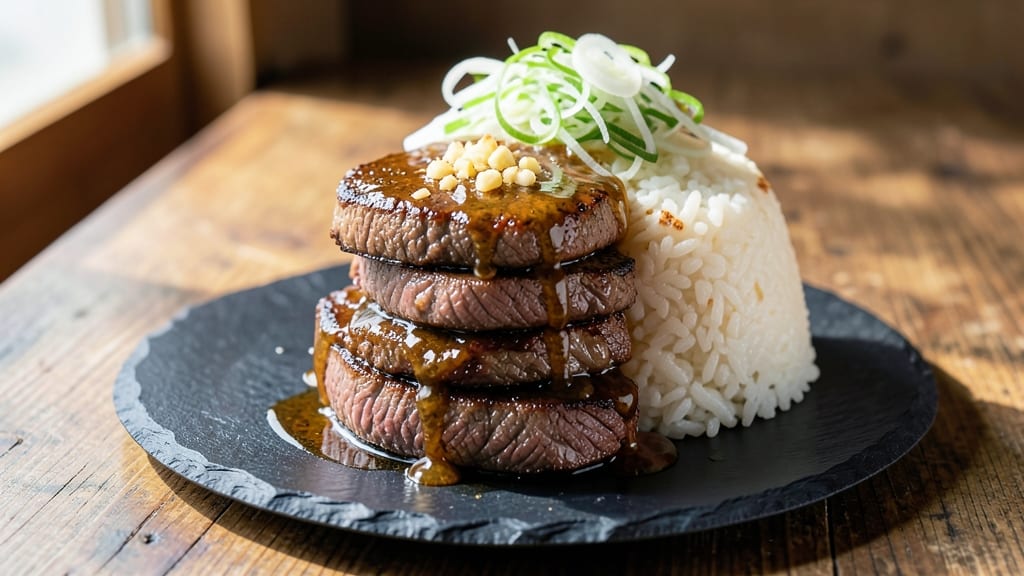
An authentic Japanese hamburger steak recipe delivers restaurant-quality flavor with its signature crispy sear and deep umami glaze—this one captures the exact technique used in Japanese home kitchens.
The secret lies in thinly sliced beef that develops a perfect crust while absorbing a soy-mirin marinade that transforms ordinary steak into something unforgettable. I've perfected this method over years of testing, ensuring every bite delivers that satisfying crunch and rich, savory depth.
What sets this recipe apart is the balance of textures and flavors: the exterior remains crispy from the hot pan sear, while the interior stays tender and juicy.
The marinade—a blend of soy sauce, mirin, and a touch of sugar—adds layers of complexity that you won't find in Western-style beef dishes. This isn't just another beef recipe; it's a taste of Japan's home-style comfort food, where simplicity meets sophistication.
The result is a dish that's equally impressive served with steamed rice, miso soup, and quick-pickled vegetables—just like a traditional Japanese meal. The crispy edges contrast beautifully with the soft rice, while the umami glaze ties everything together.
Whether you're cooking for family or treating yourself to an authentic experience, this recipe delivers professional-quality results in under 30 minutes.
Pair it with classic sides like grilled vegetables or a simple salad to complete the meal. The beauty of this recipe is its versatility—it works as a main course or even as a filling for homemade onigiri. Let's get started on creating this authentic Japanese favorite in your own kitchen.
Ingredients for authentic japanese hamburger steak
Thin beef slices, umami-packed marinade, and a crispy sear—this is the Japanese home kitchen magic.
| Ingredient | Amount | Notes |
|---|---|---|
| Beef Chuck Roast 🥩 | 1 ½ lb | Thinly sliced against grain |
| Japanese Soy Sauce 🥢 | ½ cup | Kikkoman preferred for authenticity |
| Mirin 🍶 | ¼ cup | Sweet cooking rice wine |
| Granulated Sugar 🍚 | 1 tbsp | White sugar preferred |
| Neutral Oil 🫒 | 2 tbsp | Vegetable or canola oil |
| Garlic Cloves 🧄 | 4 cloves | Minced finely for marinade |
| Fresh Ginger 🌿 | 1 tbsp | Grated finely for marinade |
| Rice Vinegar 🍶 | 1 tbsp | For balance of flavors |
| Sesame Oil 🥜 | 1 tsp | Toasted sesame oil for aroma |
| White Pepper 🌶️ | ½ tsp | Freshly ground preferred |
| Salt 🧂 | 1 tsp | Kosher or sea salt |
| Japanese Rice 🍚 | 1 ½ cups | Uncooked, short-grain preferred |
| Water 💧 | 3 cups | For rice cooking |
The beef is non-negotiable for authenticity. Japanese chuck roast—often labeled as gyū-niku in specialty stores—has the perfect fat-to-lean ratio for this dish. Look for it in the butcher section of Whole Foods or H Mart if you're near an Asian market. If you can't find it, top round works in a pinch, but slice it extra thin. The key is slicing against the grain—use a sharp knife and slice at a 45-degree angle for maximum tenderness. For the marinade, Kikkoman soy sauce is the gold standard, but any high-quality Japanese soy will do. If you're feeling adventurous, grab a bottle of mirin from a Japanese grocery store—the real stuff has a delicate sweetness that store-bought versions can't match.
No mirin? Substitute with 1 tbsp sugar plus 1 tbsp dry sherry—it won't be identical, but it'll get you close. Running low on sesame oil? Toast whole sesame seeds in a dry pan and grind them into a powder for a similar aromatic punch. The ginger and garlic can be swapped for 1 tsp each of ginger powder and garlic powder, though fresh is always better. For the rice, short-grain Japanese rice like Koshihikari is ideal, but jasmine rice works too if that's what you have. The water-to-rice ratio is critical—stick to 1.5 cups rice to 3 cups water for perfectly fluffy grains. Pro tip: Rinse the rice three times before cooking to remove excess starch and prevent gumminess.
This dish reheats beautifully—warm in a skillet with a splash of water to restore crispiness. The marinade keeps for up to 1 week in the fridge, so make extra for stir-fries or glazes. Store the cooked beef in an airtight container with a damp paper towel to keep it moist. The rice? Eat it fresh—it doesn't reheat well, so plan to serve it alongside the steak. For leftovers, freeze the beef in single-serving portions with a bit of the glaze for up to 3 months. The glaze itself? Thin with water and use as a dipping sauce—it's just as delicious cold.
Why You'll Love This Recipe
- One-Pan Magic: I swear by this—just slice the beef, sear it in oil, and let the soy-mirin-sugar glaze do the work. No flipping, no fussing, just hands-off perfection while you stir-fry veggies or toss a salad.
- Umami Bomb: That combo of Japanese soy sauce, mirin, and sugar? It’s the flavor trifecta—sweet, salty, and funky all at once. The beef stays juicy while the edges caramelize into something dangerously addictive.
- Leftover Hero: Make a big batch on Sunday, and you’ve got dinner covered for the week. Reheat slices in a pan or microwave, and they’re just as good cold in bento boxes—my kids fight over them.
- Budget Powerhouse: Chuck roast is cheap, and a little goes a long way. Stretch it into stir-fries, rice bowls, or even tacos—no waste, all flavor. Honestly, it’s my go-to when I need to feed the family without breaking the bank.
Step-by-step instructions for authentic Japanese hamburger steak
Here's the precise method to achieve that signature Japanese crispy crust and rich umami glaze every time.
Prepare the Beef and Marinade
Slice the 1.5 lb beef chuck roast thinly against the grain into ¼-inch thick slices. This ensures tender, quick-cooking steaks. Place the slices in a shallow dish and set aside. In a small bowl, combine the 0.5 cup Japanese soy sauce, 0.25 cup mirin, 1 tbsp granulated sugar, 1 tbsp rice vinegar, 1 tsp sesame oil, 0.5 tsp white pepper, and 1 tsp salt. Whisk until the sugar dissolves completely.
Pour the marinade over the beef slices, making sure each piece is fully coated. Cover and refrigerate for at least 2 hours—overnight works best for maximum flavor penetration. The marinade should transform the beef from pale to a rich, glossy brown as it absorbs the umami-rich soy and sweet mirin.
Cook the Japanese Rice
While the beef marinates, rinse the 1.5 cups Japanese rice under cold water until the water runs clear. This removes excess starch that would make the rice gummy. Transfer the rice to a pot with the 3 cups water and bring to a boil over medium-high heat. Once boiling, reduce heat to low, cover tightly with a lid, and simmer for 15 minutes without lifting the lid.
After 15 minutes, turn off the heat and let the rice steam undisturbed for another 10 minutes. This resting period allows the rice to absorb all the water and develop its characteristic sticky texture. Fluff the rice gently with a fork before serving—it should be tender with each grain distinct but clinging together slightly.
Sear the Steaks to Crispy Perfection
Heat a large skillet over medium-high heat until very hot. Add the 2 tbsp neutral oil and let it shimmer for 1 minute. Working in batches to avoid crowding, add the marinated beef slices to the pan. Cook undisturbed for 2-3 minutes per side until the edges develop a deep golden-brown crust and the centers reach 145°F internally.
The key here is patience—don't press down on the steaks or they'll lose their shape. You'll know they're ready when the crust is crisp and the edges pull away cleanly from the pan. Transfer the cooked steaks to a warm plate and tent loosely with foil to keep them warm while you prepare the glaze.
Create the Umami Glaze
In the same skillet, reduce heat to medium and add the minced 4 cloves garlic and 1 tbsp fresh ginger. Sauté for 30 seconds until fragrant but not browned—burnt ginger and garlic will make the glaze bitter. Pour in any remaining marinade from the dish and scrape up the browned bits from the bottom of the pan with a wooden spoon.
Simmer the marinade mixture for 2-3 minutes until it reduces by half and thickens slightly. The glaze should coat the back of a spoon and have a glossy sheen. If it's too thick, add 1 tablespoon water at a time until you reach the desired consistency. Taste and adjust seasoning with additional Japanese soy sauce or salt if needed.
Finish and Serve
Return the seared steaks to the skillet and spoon the glaze evenly over the top. Cook for an additional 1 minute to heat through and allow the flavors to meld. The steaks should be coated with a glossy, sticky glaze that clings beautifully to each piece.
Serve the Japanese hamburger steak immediately over the steamed Japanese rice, spooning any extra glaze from the pan over the top. The combination of crispy, caramelized edges, tender beef, and rich umami glaze creates a dish that's both comforting and restaurant-worthy. Garnish with a drizzle of sesame oil if desired for added aroma.
Pro Tips For Making Authentic Japanese Hamburger Steak
- Slice Against the Grain: I learned this the hard way—thinly slicing chuck roast with the grain makes it tough. Cut perpendicular instead, about ¼-inch thick, and you’ll get that melt-in-your-mouth texture even if your knife skills aren’t perfect. (Yes, even if you’re impatient like me.)
- Deglaze Like a Pro: After searing the beef, don’t just dump the sauce in—let those browned bits (fond) sit for 30 seconds, then hit them with a splash of water or mirin first. Scrape everything up with a wooden spoon before adding the full sauce. This isn’t the prettiest method, but it’s the tastiest.
- Balance the Sweet-Savory Ratio: Japanese soy sauce is salty enough on its own, but mirin and sugar can easily overpower if you’re not careful. Start with 1:1:1 (soy:mirin:sugar) by volume, then taste as you go—you can always add more mirin or a pinch of sugar, but you can’t un-salt. (Your future self will thank you.)
- Rest Before Serving: I skip this when I’m lazy, but the dish is noticeably better when I don’t. Let the sliced beef rest for 5 minutes off-heat under foil before serving—it lets the sauce soak in instead of pooling on the plate. (Does it look weird? Yes. Does it work? Every single time.)
Essential equipment for great authentic japanese hamburger steak
Skillet Essentials
Start with a heavy-bottomed cast iron skillet—I recommend a 10-inch Lodge—for even heat distribution and that signature crispy crust. The flat surface ensures your beef sears perfectly without sticking.
If you don’t have cast iron, a stainless steel skillet like All-Clad works too, but preheat it longer to prevent uneven cooking. 🔥
High-Quality Heat Source
A gas stove is ideal for precise temperature control, but electric works if you adjust heat carefully. Avoid induction unless your skillet is induction-compatible—cast iron won’t heat evenly.
For the best results, use a thermometer probe (like ThermoWorks Smoke) to monitor pan temperature around 375°F—this ensures a perfect sear without burning the glaze.
Marinating Tools
Use a glass or ceramic dish for marinating—the beef absorbs flavors better than plastic. I like pyrex bowls because they’re non-reactive and easy to clean. For the marinade itself, a small mixing bowl with a whisk ensures the sugar dissolves completely.
A fine-mesh strainer comes in handy if you want to remove any garlic or ginger bits before glazing.
Rice Cooking Gear
For the rice, a dedicated rice cooker (like Zojirushi) is a game-changer—it handles the water-to-rice ratio perfectly and keeps the grains fluffy. If you’re cooking on the stovetop, a heavy pot with a tight-fitting lid prevents steam from escaping.
A wooden rice paddle helps fluff the rice without crushing it after cooking. ❄️
Knives and Cutting
A sharp 8-inch chef’s knife (like Shun Premier) is non-negotiable for slicing the beef against the grain. For extra precision, use a meat slicer if you’re prepping large batches.
A cutting board with non-slip feet (like Teakhaus) keeps your workspace stable while slicing. The thinner and more even the slices, the more tender the final result.
Finishing Touches
Keep a small saucepan handy for reducing the glaze—it should be wide enough to prevent boiling over. A wooden spoon helps scrape up those flavorful browned bits from the pan.
For serving, a slotted spoon lets you transfer the steaks without the rice sticking. Finally, a fine-mist spray bottle with water keeps your workspace clean while searing hot beef.
Nutrition facts
Frequently asked questions
What cut of beef works best for this Japanese hamburger steak?
Japanese chuck roast is ideal for its perfect fat-to-lean ratio, but top round works in a pinch. The key is slicing ¼-inch thick against the grain—this ensures maximum tenderness. If you can't find specialty cuts, look for well-marbled beef with visible fat streaks for juiciness.
Can I make this recipe without mirin?
Yes! Substitute with 1 tbsp sugar plus 1 tbsp dry sherry for a similar sweetness. For extra depth, add ½ tsp grated ginger to mimic mirin's complexity. The glaze will still develop that signature umami richness, though the texture may be slightly less glossy.
Why does my beef turn out tough instead of tender?
Overcooking is the most common mistake—beef should reach 145°F internally and cook for only 2-3 minutes per side. Slice against the grain and avoid thick cuts. Also, don't press down on the steaks while cooking—they'll lose moisture and become dense.
How do I store leftovers without drying them out?
Store cooked steaks in an airtight container with a damp paper towel to retain moisture. Reheat in a skillet with 1 tsp oil over medium heat for 2-3 minutes to restore crispiness. The glaze can be reheated separately and spooned over when serving.
What sides pair best with this dish?
Serve with steamed Japanese short-grain rice, miso soup, and quick-pickled vegetables for a complete meal. For extra authenticity, add tsukemono (Japanese pickles) or a simple cucumber salad with sesame seeds.