
Main Courses
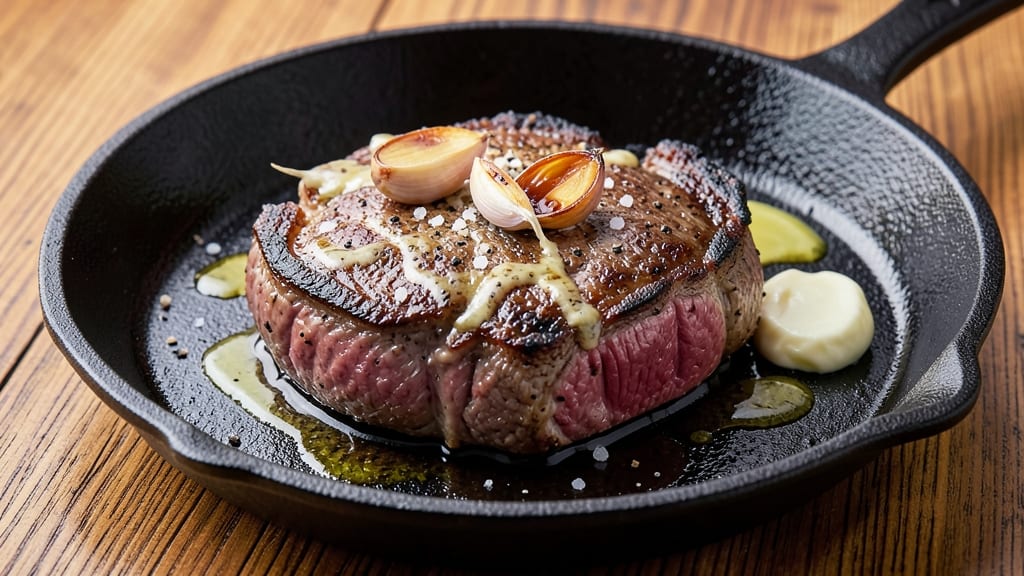
The rib eye steak in a cast iron skillet delivers that perfect combination of blistering crust and juicy pink hearts that steakhouse-quality meals promise. This method leverages cast iron's unmatched heat retention to create an ideal sear while keeping the interior tender.
I've refined this technique over countless weekends, ensuring every bite delivers that satisfying contrast between crispy exterior and melt-in-your-mouth interior. The secret lies in proper seasoning, high heat, and precise timing—no guesswork needed.
What sets this recipe apart is how it transforms a simple piece of meat into a restaurant-worthy dish with minimal effort. A well-seasoned cast iron skillet distributes heat evenly, preventing hot spots that can ruin your steak.
The high heat creates that coveted crust while the thick cut ensures even cooking throughout. For a 1.5-inch thick rib eye, you're looking at about 4-5 minutes per side for medium-rare, with an internal temperature of 130-135°F.
This isn't just about cooking—it's about mastering the art of steak preparation.
Once you pull that steak from the pan, you'll want to let it rest for 5-10 minutes before slicing against the grain. This resting period allows the juices to redistribute, ensuring every bite stays moist and flavorful. The result?
A steak with a caramelized crust that practically sings when you cut into it, revealing that perfect pink center. Pair it with garlic butter, roasted potatoes, or a fresh salad to complete the meal—this is comfort food at its finest.
This recipe isn't just about the steak itself; it's about the experience. The sizzle of the pan, the aroma filling your kitchen, and the anticipation as you wait for that first bite all come together to create a moment worth savoring.
Whether you're cooking for a special occasion or treating yourself to a weeknight indulgence, this method guarantees a steak that will impress even the most discerning palates. Let's get started on creating your perfect rib eye.
Ingredients for rib eye steak in a cast iron skillet
Juicy rib eye steak meets cast iron magic—just eight essential ingredients transform simple meat into restaurant-worthy perfection.
| Ingredient | Amount | Notes |
|---|---|---|
| Rib Eye Steak 🥩 | 1 ½ lb | 1.5-inch thick, bone-in preferred |
| Kosher Salt 🧂 | 1 ½ tbsp | Diamond Crystal preferred, coarse grain |
| Freshly Ground Black Pepper 🌶️ | 1 ½ tsp | Freshly cracked for maximum flavor |
| Extra-Virgin Olive Oil 🫒 | 2 tbsp | High smoke point, fruity variety |
| Unsalted Butter 🧈 | 2 tbsp | Cold, cut into small cubes |
| Garlic Cloves 🧄 | 4 cloves | Fresh, roughly chopped for butter |
| Fresh Rosemary 🌿 | 2 sprigs | Woody stems removed, finely chopped |
| Fresh Thyme 🌿 | 2 sprigs | Leaves only, finely chopped |
| Cast Iron Skillet 🍳 | 1 whole | 10-12 inch, well-seasoned |
| Meat Thermometer 🌡️ | 1 whole | Instant-read preferred |
| Flour 🌾 | ½ cup | All-purpose, for dredging |
| Heavy Cream 🥛 | ¼ cup | Optional, for basting |
The rib eye steak is where this all begins—bone-in cuts from the butcher's counter deliver the most flavor, but any 1.5-inch thick steak works. USDA Choice or Prime is ideal, but don't stress if you grab Select—just sear it properly. For best results, let the steak sit at room temperature for 30 minutes before cooking. I always ask the butcher to trim excess fat while keeping the cap intact—Costco or Whole Foods butchers do this perfectly. If you're buying pre-cut, look for steaks with good marbling (those white flecks of fat) and a vibrant red color—never grayish or dull. The cast iron skillet? Preheat it for 10 minutes on high heat—it's the secret to that perfect crust.
No Diamond Crystal salt? Morton Kosher salt works fine, but measure carefully—it's finer. Running short on fresh herbs? Dried rosemary and thyme at half the amount will work, but trust me, fresh makes all the difference. The butter should be cold when you add it—if it melts too fast, grab another cube from the fridge. For the garlic, roast it first (400°F for 10 minutes) if you want extra depth. The flour isn't just for dredging—it helps create that crispy crust when the steak hits the skillet. And if you're feeling fancy, swap the heavy cream for beef fat (rendered from steak trimmings) for a richer finish. Every little upgrade makes this taste like a steakhouse.
This steak is best served immediately, but if you must wait, keep it warm in a low oven (170°F) for up to 30 minutes. The cast iron skillet stays hot for hours—just wipe it clean with a paper towel, rub with oil, and store it dry. Leftovers? Slice and reheat in the skillet for 2-3 minutes per side—it reheats beautifully. For maximum flavor, rest the steak for 10 minutes before slicing—this isn't just a rule, it's the difference between juicy perfection and dry disappointment. And save those fat cap pieces! They're steakhouse-worthy bites all on their own.
Why You'll Love This Recipe
- One-Pan Magic: I swear by this recipe when I’m too tired to scrub pots—just salt, sear, and butter. That’s it. The cast iron does all the heavy lifting while I sip wine and pretend I’m a fancy chef.
- Butter-Basted Bliss: The moment I add those last cubes of butter to the hot pan? Pure, salty, golden satisfaction. The crust crackles, the butter pools around the edges, and suddenly, my steak tastes like a restaurant’s worth of effort.
- Date Night or Lazy Sunday: Between us, this steak works for both my "I’ll wear lipstick" nights and my "let’s just eat in pajamas" Sundays. Throw on some roasted potatoes or a simple salad, and you’ve got a meal that feels special without the fuss.
- Leftovers That Don’t Suck: Here’s what sold me—leftover rib eye is actually better. Slice it thin, toss with olive oil and pepper, and it’s the easiest protein for wraps, salads, or even a quick breakfast hash. No sad, dry meat here.
Step-by-step instructions for rib eye steak in cast iron skillet
Here's how to transform a simple rib eye into a restaurant-worthy masterpiece with a blistering crust and tender pink center.
Season and Rest the Rib Eye Steak
Remove the rib eye steak from the refrigerator and let it sit at room temperature for 30 minutes before cooking. This crucial step ensures even cooking throughout the thick cut. While it rests, generously coat both sides with 1.5 tablespoons kosher salt and 1.5 teaspoons freshly ground black pepper, pressing the seasoning into the meat so it adheres completely. I like to use my fingertips to create a textured surface—this helps the crust form more dramatically during searing.
Real talk: Don't skip the resting time. Cold meat cooks unevenly, leading to a tough exterior and undercooked interior. The salt will also draw out moisture from the surface, which evaporates during cooking to create that coveted crust. Trust the process—this is where the magic begins.
Create the Herb Butter and Preheat the Cast Iron Skillet
In a small bowl, combine the 2 tablespoons unsalted butter, 4 cloves roughly chopped garlic, 2 sprigs finely chopped rosemary, and 2 sprigs finely chopped thyme. Let this mixture sit at room temperature for 10 minutes to allow the flavors to meld. Meanwhile, place the cast iron skillet on the stove over medium-high heat for 5 minutes to preheat thoroughly.
Here's the thing—this herb butter isn't just for flavor, it's for moisture. As the steak cooks, the butter will baste the meat continuously, preventing dryness while adding layers of aromatic complexity. The preheated skillet ensures instant contact with high heat, which is essential for that perfect sear.
Sear the Steak to a Blistering Crust
Add 2 tablespoons extra-virgin olive oil to the preheated skillet and let it shimmer for 30 seconds. Place the seasoned steak in the skillet, pressing down gently with a spatula during the first 1 minute of cooking to ensure even contact with the hot surface. This prevents curling and guarantees an even crust. Cook for 4-5 minutes total on the first side until you see deep golden-brown crust forming with some blackened spots.
You'll know it's ready to flip when the steak releases easily from the skillet with a gentle shake. Don't rush this step—patience here ensures that perfect crust. If you see the crust forming too quickly, reduce heat slightly to medium to prevent burning. The goal is a balance between dramatic crust and juicy interior.
Finish with Herb Butter and Rest
Flip the steak and add the herb butter mixture to the skillet. Spoon the melted butter over the steak continuously for the final 3-4 minutes of cooking, basting both sides. This basting technique is what makes the steak incredibly juicy—those flavorful fats penetrate the meat as it cooks. For medium-rare doneness, aim for an internal temperature of 130-135°F measured with your meat thermometer.
Once the steak reaches your desired temperature, transfer it to a cutting board and let it rest for 10-15 minutes. This resting period is non-negotiable—it allows the juices to redistribute throughout the meat, ensuring each bite is moist and flavorful. If you cut into it too soon, all those precious juices will pool on your plate instead of staying in the steak.
Create a Quick Pan Sauce (Optional)
While the steak rests, increase heat to high and let any remaining butter in the skillet brown for 1 minute. Add 0.25 cup heavy cream and scrape up all the browned bits from the bottom of the skillet with a wooden spoon. These bits are packed with flavor—don't miss this step! Simmer the sauce for 2-3 minutes until slightly thickened, then season with additional salt and pepper if needed.
Slice the steak against the grain into ½-inch thick pieces and serve immediately with the pan sauce spooned over the top. The contrast of the creamy sauce against the blistered crust and tender meat creates an experience that's nothing short of spectacular. This is where all your hard work pays off—each bite should deliver that perfect combination of textures and flavors.
Pro Tips For Making Rib Eye Steak In A Cast Iron Skillet
- Preheat Cast Iron Like It’s 1985: Cast iron takes time—no, more time than you think. Crank the heat to max for at least 5 minutes before adding oil, then drop that steak in. I learned this the hard way when my first sear turned into a sad, greasy mess because the pan wasn’t hot enough. Trust me, your crust will thank you.
- Salt the Steak 40 Minutes Early: Rib eye has a thick crust to cut through, but the salt needs time to work its magic. Sprinkle that kosher salt now—not right before cooking—and let it sit uncovered in the fridge. Sounds weird, but it works: the seasoning penetrates deeper, and the crust forms better. (Yes, even if you’re impatient like me.)
- Don’t Crowd the Butter: After searing, you’re tempted to dump all that butter in at once. Resist. Melt 1 tablespoon first, let it foam and brown slightly, then add the rest. Crowding the pan with cold butter just steams the steak instead of basting it. This isn’t the prettiest method, but it’s the tastiest.
- Test with a Thermometer, Not Guesswork: Pull that steak when it hits 130°F for medium-rare—not when you think it’s done. I used to eyeball it and always ended up overcooking. A cheap instant-read thermometer solves this forever. (Your future self will thank you.)
Storing and reheating this recipe
Refrigerator Storage
If you have leftover rib eye steak, store it properly to maintain its juiciness and flavor. Let the steak cool to room temperature (90°F or below) for no more than 2 hours before refrigerating.
Wrap it tightly in plastic wrap or place it in an airtight container—I use Glasslock containers for best results. Store in the fridge at 40°F or below for up to 3 days. The cast iron skillet retains heat, so avoid storing hot steak directly in it. 🥩
Freezer Storage
For longer storage, freeze your rib eye steak in freezer-safe heavy-duty plastic bags or vacuum-sealed bags (like FoodSaver). Slice it first if you plan to reheat portions separately. Label with the date—it stays safe for up to 3 months.
When ready to eat, thaw overnight in the fridge, not at room temperature. The freezer preserves texture and flavor better than refrigeration. ❄️
Reheating in Cast Iron
Reheating in the same cast iron skillet is ideal—it preserves that perfect crust. Place the cold steak in the skillet over medium heat with a splash of water or beef broth. Cover with a lid and heat for 5-7 minutes until reaching 165°F internal temperature.
For sliced steak, use medium-high heat for 2-3 minutes per side. This method keeps it moist and adds a subtle smoky flavor. 🔥
Microwave Reheating
For quick reheating, use the microwave on 50% power for 1-2 minutes per slice. Cover with a damp paper towel to retain moisture. Stir halfway through to ensure even heating.
Avoid microwaving whole steaks—they cook unevenly. If using, slice first and reheat portions separately. This method is fast but lacks the crust quality of cast iron reheating. ⏰
Oven Reheating
Preheat your oven to 275°F for gentle reheating. Place sliced steak on a wire rack over a baking sheet to prevent sogginess. Heat for 10-12 minutes until reaching 165°F.
This method maintains texture better than microwave but isn't as flavorful as cast iron. Perfect for batch reheating multiple servings. 🌡️
Resting Before Slicing
No matter how you store or reheat, always let the steak rest for 5 minutes before slicing. This allows juices to redistribute, preventing dryness. For freshly cooked steak, the 10-15 minute rest is critical—skip it, and you'll lose those precious juices. Even reheated steak benefits from this step. 💡
Nutrition facts
Frequently asked questions
What's the best thickness for a rib eye when cooking in cast iron?
Aim for 1.5-inch thick cuts—this thickness gives you that perfect balance between a blistering crust and juicy interior. Thinner cuts (1-inch) will overcook faster, while thicker cuts (>2-inches) may not sear properly in a skillet. The 1.5-inch standard is ideal for medium-rare doneness in 4-5 minutes per side.
How do I know when my steak is done without a thermometer?
Use the finger test—press your thumb and index finger together lightly. For medium-rare, the steak should feel like the space between your first two knuckles. For medium, it should be like the second knuckle. Remember: 130-135°F is medium-rare, and the steak continues cooking 5°F after removing from heat. Practice makes perfect!
Why does my rib eye stick to the cast iron skillet?
This happens when the skillet isn't hot enough or the steak isn't properly seasoned. Always preheat your cast iron on high for 10 minutes and make sure to pat the steak dry before seasoning. A light coat of olive oil (just enough to coat the surface) helps too. If it still sticks, your heat isn't high enough—turn it up to medium-high and wait for the oil to shimmer before adding the steak.
Can I cook a frozen rib eye in cast iron?
Not recommended! Frozen steak will release moisture unevenly, leading to steaming instead of searing. Thaw your steak in the fridge overnight (24 hours) or use the cold water method (sealed in a bag, change water every 30 minutes). Never thaw at room temperature—it promotes bacterial growth. A properly thawed steak ensures that perfect crust and juicy interior.
What's the best way to reheat sliced rib eye steak?
Use your cast iron skillet on medium heat for 2-3 minutes per side—this preserves the crust while reheating evenly. Add a splash of beef broth to prevent drying. Avoid microwaving sliced steak—it makes the meat rubbery. For whole steaks, cover with foil and warm in a 275°F oven for 10 minutes. Always let it rest 5 minutes before serving.