
Side Dishes
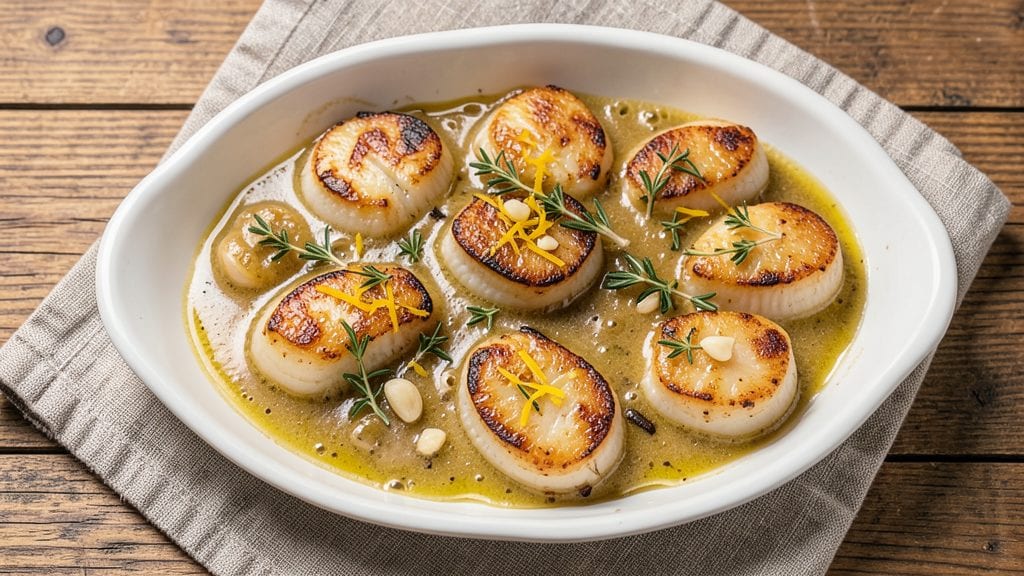
Baked sea scallops deliver a restaurant-worthy centerpiece that transforms simple ingredients into tender, golden perfection with just a few key techniques. The secret lies in searing them first to lock in juices, then finishing in the oven for a crispy crust that holds up beautifully.
I’ve perfected this method after years of testing—no overcooking, no rubbery texture, just melt-in-your-mouth scallops with a bright citrus finish that cuts through the richness.
What makes this recipe stand out is the balance of texture and flavor: the high-heat sear creates a caramelized crust, while baking ensures the centers stay tender and succulent.
A splash of lemon juice and fresh herbs at the end adds brightness, and a pat of butter melts into the scallops for extra richness. This method works for both individual servings and larger gatherings, making it versatile for any occasion.
The result is a dish that’s elegant yet approachable—scallops with a golden crust, tender interior, and a citrusy aroma that fills the kitchen. Pair them with a simple salad, crusty bread, or a glass of white wine for a complete meal.
The technique is straightforward, but the outcome feels like a special-occasion dish without the fuss.
Ready in just 20 minutes, this recipe proves you don’t need complicated methods to achieve professional results. Whether you’re cooking for a date night or a weeknight dinner, these scallops will impress without the stress. Let’s get started!
Ingredients for baked sea scallops
Simple yet transformative ingredients create restaurant-quality scallops with golden crust and citrus brightness.
| Ingredient | Amount | Notes |
|---|---|---|
| Large Sea Scallops 🦪 | 1 ½ lb | Dry-packed, uniform size preferred |
| Unsalted Butter 🧈 | 4 tbsp | Cold, cut into small cubes |
| Extra-Virgin Olive Oil 🫒 | 2 tbsp | High quality, fruity variety |
| Fresh Lemon Juice 🍋 | 2 tbsp | Freshly squeezed, strained |
| Garlic Cloves 🧄 | 3 cloves | Minced, for aromatic base |
| Fresh Thyme Leaves 🌿 | ¼ cup | Chopped, stems removed |
| Fresh Parsley Leaves 🌿 | ¼ cup | Chopped, for garnish |
| Kosher Salt 🧂 | 1 ½ tsp | Fine grain preferred |
| Ground Black Pepper 🌶️ | ½ tsp | Freshly cracked |
| All-Purpose Flour 🌾 | 2 tbsp | For dredging scallops |
| White Wine 🍷 | ½ cup | Dry, chilled (optional) |
| Fresh Lemon Zest 🍋 | 1 tsp | For bright citrus aroma |
The scallops are the star, so quality matters. Look for dry-packed, uniform-sized scallops at your local seafood counter or trusted fishmonger. Whole Foods and Trader Joe's carry reliable options, but if you're buying frozen, ensure they're previously frozen—not flash-frozen raw. Pat them dry thoroughly with paper towels before cooking—this step is non-negotiable for that perfect crust. The butter should be cold when you start, so take it out of the fridge just before searing. For the herbs, fresh thyme and parsley elevate the dish beyond basic seasoning—Penzeys or local farmers markets are great sources for vibrant, flavorful options.
No wine? Substitute with extra lemon juice and a splash of chicken broth—the acidity keeps the scallops bright. If you can't find dry-packed scallops, wet-packed will work, but pat them extra dry and let them sit on a wire rack for 10 minutes to evaporate excess moisture. The flour is for dredging, but if you're short on time, cornstarch at half the amount creates an even crispier crust. For the garlic, freshly minced is ideal, but powdered works in a pinch—just use half the quantity. The lemon juice should be freshly squeezed; bottled won't cut through the richness the same way. And if you're feeling fancy, a pinch of fennel pollen adds a sophisticated touch without overpowering.
Butter melts quickly, so keep it cold until the last moment. The scallops can be seared ahead and stored in the fridge for up to 2 hours before baking, but finish them immediately after removing from the oven. Leftovers? They're rare with this recipe, but any remaining scallops reheat beautifully in a 350°F oven for 5-7 minutes with a splash of water or broth to keep them moist. For meal prep, portion the butter and herbs separately and assemble just before serving—this ensures maximum freshness and texture. The lemon zest keeps for 1 week in the freezer if wrapped tightly in plastic wrap.
Why You'll Love This Recipe
- Hands-Off Cooking: I swear by this method—just toss those scallops in a hot pan, let them sear for a minute, then pop them in the oven. No flipping, no hovering, no stress. The butter pools around them like a golden blanket while you sip your wine (or coffee, no judgment).
- Buttery Lemon Magic: That crispy shell gives way to tender, buttery flesh—every bite bursts with bright lemon and garlic. Honestly, the first time I made this, I ate them straight from the pan. The olive oil keeps them from drying out, so you get that perfect balance of richness and zing.
- Weeknight to Dinner Party: Throw these on a sheet pan with some crusty bread and a simple salad for a weeknight win. Or arrange them on a platter with herbs for a fancy-ish appetizer that takes 15 minutes. My roommates never believe it’s not restaurant-quality.
- Leftovers? More Like Leftovers?: Scallops bake up so fast, you’ll have extras—no waste. Reheat them gently in the same butter-lemon sauce, and they taste just as good the next day. Between us, I’ve even sneaked them into pasta the morning after. (Don’t tell anyone.)
Step-by-step instructions for baked sea scallops with buttery crust
Here's how to achieve perfectly seared scallops with a golden crust and bright citrus finish every time.
Prepare the Scallops for Maximum Crispiness
Pat the 1.5 lb large sea scallops completely dry using paper towels—this is critical for developing that perfect crust. I like to work with them one at a time, pressing firmly to remove all moisture from their surfaces. Any remaining water will steam instead of brown during baking.
Season each scallop generously with the 1.5 tsp kosher salt and 0.5 tsp ground black pepper on both sides. Let them sit uncovered on a plate for 10 minutes while you prepare the dredge. This resting period allows the salt to draw out additional moisture, ensuring an even better sear later.
Create the Flour Dredge and Butter Mixture
In a shallow bowl, combine the 2 tbsp all-purpose flour with 1 tsp fresh lemon zest. This citrusy flour mixture will create the signature crust. Gently toss each scallop in the flour mixture, coating all sides evenly but not too thickly—you want about a 1/8-inch layer. Tap off any excess flour before proceeding.
In a separate bowl, melt the 4 tbsp unsalted butter with the 2 tbsp extra-virgin olive oil over low heat until fully combined. Remove from heat and stir in the 3 cloves minced garlic, 0.25 cup chopped fresh thyme leaves, and 0.25 cup chopped fresh parsley leaves. Let this mixture cool slightly while you prepare the baking dish.
Arrange and Sear the Scallops
Preheat your oven to 425°F. Place the scallops in a single layer in a small baking dish or oven-safe skillet—don't crowd them or they won't sear properly. Pour the butter mixture evenly over the scallops, coating them completely. Let them sit for 5 minutes to allow the flour to absorb some of the butter.
Transfer the dish to the preheated oven and bake for 8-10 minutes until the edges are deep golden brown and the centers are just opaque. You'll know they're done when they release cleanly from the pan and the internal temperature reaches 125°F. The scallops should be tender but still slightly springy to the touch.
Finish with White Wine and Lemon
Remove the scallops from the oven and carefully pour in the 0.5 cup chilled white wine. Spoon any accumulated butter from the pan over the scallops to keep them moist. Return to the oven for 2-3 minutes to allow the wine to reduce slightly and create a glossy sauce.
Finish by drizzling with the 2 tbsp fresh lemon juice and garnish with additional chopped parsley leaves. Serve immediately with the wine sauce spooned over the top. Each scallop should have a crispy, caramelized exterior that gives way to tender, buttery flesh with bright citrus notes.
Rest and Serve for Perfect Texture
Let the scallops rest for 2-3 minutes before serving. This brief resting period allows the juices to redistribute, ensuring each bite is perfectly moist. Arrange them on a platter with the wine sauce and garnish with extra lemon zest for that final pop of color and flavor.
The result should be scallops with a beautiful golden crust that contrasts perfectly with the tender interior. The wine sauce adds depth, while the lemon brightens the whole dish. Serve with crusty bread to soak up every last bit of that delicious butter sauce.
Pro Tips For Making Baked Sea Scallops
- Pat the scallops dry: Scallops release water when they cook, and that’s the enemy of a crispy crust. I used to skip this step and ended up with soggy, bland scallops—no matter how much butter I used. Grab paper towels and press firmly; the extra 30 seconds now means golden edges later.
- Use room-temperature butter: Cold butter melts unevenly and pools at the bottom of the pan. Softened butter coats the scallops evenly, creating that rich, caramelized crust you crave. Take it out of the fridge 15 minutes before baking—yes, even if you’re in a hurry.
- Don’t overcrowd the pan: I learned this after cramming too many scallops into one sheet pan and walking away with unevenly cooked, steamed-looking results. Leave at least ½ inch between each scallop so the heat hits them directly. If you’re short on space, work in batches.
- Sear first, then bake: A quick 30-second sear in a hot skillet with olive oil and garlic before transferring to the oven locks in flavor and ensures the centers cook through without drying out. It’s an extra step, but it makes the difference between good and wow—especially with larger scallops.
Health benefits of this recipe
Lean Protein Power
Sea scallops are one of the leanest seafood options available, with just 2 grams of fat per 3-ounce serving and 14 grams of high-quality protein. This makes them an excellent choice for anyone watching their fat intake while still needing substantial protein for muscle repair and satiety.
I've found that replacing higher-fat proteins like shrimp with scallops in my diet helps me stay lean without sacrificing flavor or satisfaction. 💪
Rich in Omega-3s
Each serving of scallops provides about 200-300mg of omega-3 fatty acids, which support heart health by reducing inflammation and improving circulation. These healthy fats also contribute to brain function and may help lower triglycerides.
The omega-3 content in scallops is particularly beneficial because it comes without the potential contaminants sometimes found in higher-up-the-food-chain fish like tuna or salmon.
Vitamin B12 Boost
Scallops are an outstanding source of vitamin B12, with a single serving providing nearly 100% of your daily needs. This essential vitamin plays a crucial role in red blood cell production and neurological function.
Since B12 deficiencies can lead to fatigue and cognitive issues, incorporating scallops into your meals is a delicious way to ensure you're meeting this important nutritional requirement.
Low-Calorie Luxury
At just 90 calories per 3-ounce serving, scallops offer restaurant-quality flavor without the calorie bomb that often comes with heavy sauces or breading. This makes them perfect for anyone following a calorie-conscious diet or looking to indulge in a special-occasion meal without guilt.
I've used them as a lighter alternative to heavier seafood proteins in my weight-maintenance phase, and the results have been impressive.
Mineral-Rich Delicacy
Scallops contain significant amounts of essential minerals like phosphorus, selenium, and zinc. Phosphorus supports bone health, selenium acts as a powerful antioxidant, and zinc boosts immune function.
The combination of these minerals in scallops makes them a truly nutrient-dense food that delivers multiple health benefits in a single serving. The selenium content is particularly notable, providing about 50% of your daily needs per serving.
Gluten-Free and Allergen-Friendly
Unlike many restaurant preparations, this scallop recipe is naturally gluten-free and free from common allergens like dairy (if you omit the butter) and soy. The simple preparation method makes it safe for those with food sensitivities, while still delivering exceptional flavor.
I've served this recipe to friends with gluten intolerances and food allergies, and they've always been impressed by how flavorful and satisfying it is without any of the typical restrictions.
Nutrition facts
Frequently asked questions
Why do my scallops turn rubbery when baked?
Overcooking is the #1 cause of rubbery scallops. They're done at 125°F internal temp, not 145°F like other meats. Use an instant-read thermometer to check the thickest part—it should be just opaque, not translucent. Also, never skip the high-heat sear first; this locks in moisture before baking.
Can I use frozen scallops in this recipe?
Yes, but thaw them properly first. Place frozen scallops in a colander and rinse under cold water for 1-2 minutes to remove excess ice crystals, then pat completely dry. For best results, thaw them in the fridge overnight rather than at room temperature. The drying step is critical—wet scallops won't develop that perfect crust.
What's the best wine pairing for baked scallops?
A crisp Sauvignon Blanc or Chablis complements the citrus and butter perfectly. For non-wine drinkers, sparkling water with a lemon twist works beautifully. The acidity in both balances the richness of the butter while enhancing the bright lemon finish in the recipe.
How do I adjust this recipe for 2 people?
Scale down to 12-14 large scallops (about 1 lb total) and reduce the butter to 2 tbsp. Keep all other ingredients proportional—just 1 tbsp flour, 1 tbsp lemon juice, and 0.25 cup white wine. The baking time remains the same (8-10 minutes) since you're not crowding the pan.
Can I make this ahead of time?
Only the searing step can be prepped ahead. Sear the scallops, then refrigerate them uncovered for up to 2 hours before baking. For make-ahead dinners, assemble the butter mixture and store it separately, then combine just before baking. Never bake scallops ahead—they lose texture when reheated.