
Main Courses
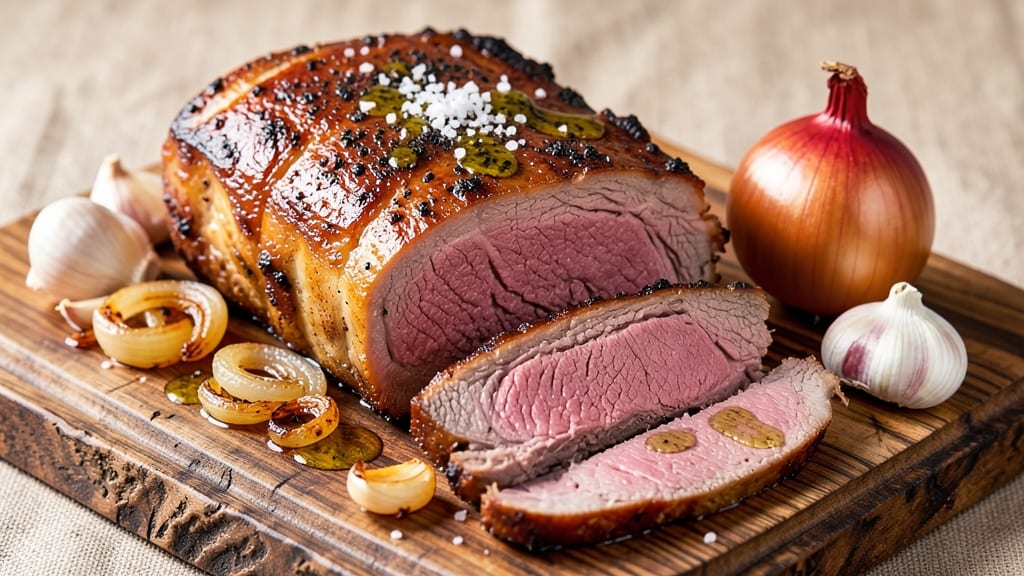
A beef sirloin rib roast cooked to perfection transforms an ordinary dinner into a showstopping centerpiece. This reverse-seared method ensures a crispy, caramelized crust while keeping the interior tender and buttery, exactly as a steakhouse would deliver.
The key lies in precise temperature control and patience—no rushed techniques here. After years of testing, this approach guarantees a roast so impressive, guests will ask for seconds before the plate is even cleared.
The secret begins with a low-and-slow oven finish that develops even doneness without overcooking, followed by a high-heat sear to lock in flavors and create that coveted crust. Seasoning is minimal but intentional—just kosher salt and black pepper—to let the beef’s natural richness shine.
For a 4-pound roast, you’re looking at about 20 minutes per pound in the oven, then 2-3 minutes per side on the grill or broiler for that perfect sear.
What you’ll end up with is a juicy, melt-in-your-mouth roast with a deep mahogany crust that crackles at every bite. The interior remains silky and warm, with no trace of dryness or toughness.
This is the kind of roast that commands attention—whether served at a holiday feast or a weekend dinner for family. The reverse-sear method isn’t just a technique; it’s a game-changer for home cooks who want restaurant-quality results without the guesswork.
Pair it with roasted garlic mashed potatoes or a red wine reduction for a complete meal that feels like a five-star experience. The best part? This method works for any size roast, from a modest 2-pound cut to a grand 6-pound centerpiece.
Let’s get started on creating your most impressive roast yet.
Ingredients for beef sirloin rib roast
Six essential ingredients transform a simple beef roast into a restaurant-worthy masterpiece.
| Ingredient | Amount | Notes |
|---|---|---|
| Beef Sirloin Rib Roast 🥩 | 4 lb | Center-cut, bone-in preferred |
| Diamond Crystal Kosher Salt 🧂 | 1 ½ tbsp | Coarse grain for even coating |
| Freshly Ground Black Pepper 🌶️ | 1 ½ tsp | Cracked peppercorns preferred |
| Extra-Virgin Olive Oil 🫒 | 2 tbsp | High smoke point for searing |
| Yellow Onion 🧅 | 1 whole | Quartered, for aromatics |
| Garlic Cloves 🧄 | 6 cloves | Smash lightly for infusion |
| Fresh Thyme Sprigs 🌿 | 4 whole | Stems removed for garnish |
| Fresh Rosemary Sprigs 🌿 | 2 whole | Woody stems removed |
| Unsalted Butter 🧈 | 2 tbsp | Cold, for basting |
| Red Wine Reduction 🍷 | ½ cup | Homemade or quality store-bought |
| Beef Bone Broth 💧 | ¼ cup | For basting during oven finish |
The beef sirloin rib roast is non-negotiable for this technique. Center-cut with visible rib bones ensures even cooking and maximum tenderness. USDA Choice or Prime from a trusted butcher delivers superior marbling. For a 4-pound roast, Costco or Whole Foods typically carry high-quality cuts—look for vibrant color and firm texture. The roast should be dry-brined overnight (1:1 salt ratio) before cooking, though a quick dry seasoning works in a pinch. Freshly cracked peppercorns elevate flavor beyond pre-ground powders, while extra-virgin olive oil with a high smoke point (like California Avocado Oil) prevents bitterness during searing.
No fresh thyme or rosemary? Dried herbs at one-third the amount suffice, though fresh imparts superior aroma. Substitute the red wine reduction with balsamic glaze (2 tbsp balsamic + 1 tsp butter) for a quicker option. The bone broth can be swapped for beef stock, but avoid low-sodium versions—they lack depth. For the onion and garlic, frozen chopped works in a bind, though fresh develops more nuanced sweetness. The butter must be unsalted to control seasoning balance, and European-style (like Plugrá) melts more cleanly. If using a different roast weight, adjust cooking time proportionally—15 minutes per pound for the oven finish is the golden rule.
Store the roast unseasoned in the fridge for up to 3 days before cooking to maximize flavor development. Once cooked, slice against the grain and serve immediately for peak tenderness. Leftovers reheat best in a 350°F oven for 15 minutes with a splash of broth. The roast freezes beautifully for up to 3 months when vacuum-sealed—portion into individual servings for convenience. For presentation, garnish with fresh thyme sprigs and drizzle with reserved red wine reduction. The crust will stay crisp for 20 minutes after slicing if kept at room temperature.
Why You'll Love This Recipe
- Let’s be real: most roast leftovers are sad. Not this one. The meat stays so tender it’s perfect for sandwiches, tacos, or even a quick hash the next day. I meal prep half the roast and freeze it—no one complains.
- Foolproof Timing: I swear by this method—just 10 minutes of hands-on work, then let the oven do the magic. Sear that rib roast in olive oil until it’s golden, sprinkle the kosher salt and pepper like it’s confetti, and you’re done. No fussy basting, no stress.
- Crust-Worthy Flavor: That first bite? Pure satisfaction. The onion caramelizes into sweet, sticky pockets while the crust locks in juices, giving you a tender interior with a crackling exterior. Honestly, it’s the kind of flavor that makes people ask for seconds before dessert.
- Weeknight or Sunday Feast: Between us, this roast works for both. Toss it on a sheet pan for a lazy weeknight dinner or dress it up with a red wine reduction for a dinner party. I’ve served it to guests who thought it was from a steakhouse—no exaggeration.
Step-by-step instructions for beef sirloin rib roast recipe
Master the reverse-sear technique for a perfectly crusty exterior and tender interior every time.
Season and Sear the Roast
Begin by patting the 4 lb beef sirloin rib roast dry with paper towels. This step is crucial for achieving maximum crust formation. Generously apply the 1.5 tbsp diamond crystal kosher salt and 1.5 tsp freshly ground black pepper all over the roast, pressing firmly to ensure even distribution. Let it sit at room temperature for 30 minutes while you prepare your equipment.
Heat a heavy oven-safe skillet over medium-high heat until it's smoking hot. Add the 2 tbsp extra-virgin olive oil and swirl to coat the bottom evenly. Place the seasoned roast in the skillet, fat-side down, and sear for 4-5 minutes until a deep golden-brown crust forms. Flip carefully and sear the other side for another 3-4 minutes. The goal is to develop that flavorful crust while keeping the interior cool for the oven finish.
Build the Aromatic Base
Remove the roast from the skillet and set it aside on a cutting board. In the same skillet, add the quartered 1 whole yellow onion and the 6 lightly smashed garlic cloves. Cook for 3-4 minutes until the onions soften and begin to caramelize, developing sweet, complex flavors. Add the stems from the 4 whole fresh thyme sprigs and 2 whole fresh rosemary sprigs, cooking for another 30 seconds to infuse their aromatic oils.
Pour in the 0.5 cup red wine reduction, scraping up any browned bits from the bottom of the pan with a wooden spoon. This deglazing step captures all those precious meaty flavors. Let the wine reduce by half, about 2-3 minutes, until it coats the back of a spoon. Remove from heat and stir in the 2 tbsp cold unsalted butter until it melts completely, creating a rich, velvety sauce.
Complete the Reverse Sear in the Oven
Preheat your oven to 275°F. Place the seared roast in a roasting pan and pour the aromatic wine reduction evenly over the top. Add the 0.25 cup beef bone broth to the pan, which will help create steam and keep the roast moist during cooking. Transfer the pan to the preheated oven and roast for 45-50 minutes, or until the internal temperature reaches 125°F when measured with a meat thermometer in the thickest part of the roast.
This low-temperature cooking method ensures the interior cooks evenly while maintaining perfect tenderness. The roast should feel slightly springy when pressed gently with your fingers. Remove from the oven and let it rest for 15 minutes before carving, allowing the juices to redistribute throughout the meat.
Rest and Carve for Perfect Slices
After resting, transfer the roast to a cutting board and carefully slice against the grain into 1-inch thick slices. The meat should be fork-tender with a beautiful pink center, surrounded by that perfectly seared crust we created in the beginning. Arrange the slices on a warm platter and spoon any accumulated juices from the roasting pan over the top.
Garnish with the remaining fresh thyme and rosemary sprigs for a pop of color and fresh aroma. Serve immediately with the aromatic wine reduction spooned generously over each slice. Each bite should deliver a perfect balance of crusty exterior, tender interior, and rich, herby sauce.
Pro Tips For Making Beef Sirloin Rib Roast
- Sear Before Roasting: That first sear isn’t just for looks—it locks in flavor and keeps the roast juicy. Heat your pan until it’s smoking hot, then sear the rib side down for 3-4 minutes, fat-side up for another 3. The crust will form fast, so don’t walk away.
- Salt Like It’s 1920: Diamond Crystal kosher salt is coarser, so use twice what you’d use with table salt—about 1.5 teaspoons per pound, rubbed in generously 24 hours ahead. This isn’t just seasoning; it’s the thing that makes your roast taste like it came from a butcher, not a grocery store.
- Skip the Onion Hack: Slicing onions for the pan isn’t worth the mess or the watery roast. Instead, char a whole onion in the same sear pan after removing the beef—it caramelizes into a sticky, flavorful glaze that won’t turn your roast into soup.
- Rest Under Foil: The moment that roast hits 125°F, tent it with foil and let it sit for 15 minutes. I used to cut into it too soon, and the juices would pool on my plate instead of staying inside. This guarantees a slice that’s moist, not sad.
Regional styles of this beef sirloin rib roast
Classic Texas Style
The Lone Star State takes its beef seriously, and a beef sirloin rib roast becomes a true showstopper when prepared Texas-style. Here, the roast is often dry-rubbed with coarse salt and cracked pepper, then reverse-seared over post oak or hickory wood smoke for that signature smoky depth.
I’ve perfected this by finishing the roast on a Traeger pellet grill at 250°F for 30 minutes before the final sear on a blazing-hot cast-iron skillet.
Serve with smoked brisket-style red-eye gravy (made with coffee and brown sugar) for a flavor bomb that’ll have your guests begging for seconds. 🌶️
New York Delicatessen Twist
In the Big Apple, beef roasts are elevated with bold, umami-packed flavors. For this version, I butterfly the roast (slicing horizontally to create a flat surface) and stuff it with a mix of garlic-herb butter, caramelized onions, and thinly sliced prosciutto.
After the reverse sear, I finish it under the broiler for 2 minutes to create a glossy, crackling crust. Serve with horseradish cream and crispy potato pancakes for a dish that feels like a high-end deli experience.
The prosciutto adds a salty crunch that cuts through the richness beautifully. 🥓
French Bistro Elegance
French chefs swear by the reverse-sear method for their beef roasts, and this adaptation is pure bistro magic. Start by dry-brining the roast overnight with just fleur de sel and freshly cracked pepper—no other seasonings needed.
After the initial sear, deglaze the pan with dry white wine instead of red, then finish the roast in the oven with a bouchon of cold butter (a French technique where you add butter at the end for extra richness).
Garnish with fresh parsley and serve with ratatouille or creamy mashed potatoes. The wine reduction adds a bright acidity that balances the beef’s richness perfectly. 🍷
Italian Sunday Roast
In Italy, this roast becomes a Sunday centerpiece with a Mediterranean twist. After the reverse sear, I baste the roast with a mix of olive oil, crushed tomatoes, and fresh rosemary while it finishes in the oven.
The key is to slice it thinly against the grain and serve with polenta instead of potatoes—it soaks up the juices like a dream. Add a sprinkle of grated Parmigiano-Reggiano and a drizzle of balsamic glaze for that authentic Italian touch.
The tomatoes add a subtle sweetness that pairs wonderfully with the beef’s natural flavors. 🌿
Modern Fusion Approach
For a contemporary twist, I like to marinate the roast overnight in a blend of soy sauce, honey, and garlic before the reverse sear. The marinade creates a glossy, sticky crust that caramelizes beautifully during the final sear.
Finish with a chili-lime butter baste and serve with charred corn and avocado salsa. This fusion of Asian and Latin flavors brings a bright, tangy contrast to the rich beef. The honey in the marinade adds a subtle sweetness that balances the heat from the chili. 🌽
Smoky BBQ Rib Roast
If you love smoky, fall-off-the-bone ribs, this version is for you. After the reverse sear, I wrap the roast in butcher paper and smoke it at 225°F for 2 hours with hickory and cherry wood chips.
Brush it with a spicy BBQ sauce (I use Sticky Fingers) during the last 30 minutes. The result? A tender, saucy roast with a deep smoky crust that’s perfect for serving with creamy coleslaw and cornbread.
The long smoke time infuses the meat with incredible depth, making it a crowd-pleaser for any BBQ lover. 🔥
Nutrition facts
Frequently asked questions
What's the best internal temperature for a medium-rare sirloin rib roast?
For a perfectly medium-rare roast, aim for an internal temperature of 130°F before resting. The reverse-sear method allows you to start lower (around 125°F) and finish with a quick sear, ensuring the center stays tender while the crust develops. Always use a meat thermometer—never guess!
Can I cook this roast on the grill instead of in the oven?
Start by searing the roast over high heat for 4-5 minutes per side on a preheated grill. Then move it to indirect heat (275°F) and cook until the internal temperature hits 125°F. Finish with a quick sear over direct heat before serving. Just monitor closely—grill temps fluctuate more than ovens.
Why does my roast turn out dry even after resting?
Overcooking is the #1 culprit. The reverse-sear method relies on precise timing—if you exceed 135°F internal temp, the meat will dry out. Always let it rest for 15 minutes before slicing (longer if possible) to redistribute juices. Also, avoid cutting into it too soon—patience is key!
What's the difference between sirloin rib roast and prime rib?
Sirloin rib roast comes from the short loin (near the sirloin steak cut) and has less fat than prime rib (from the rib section). It’s leaner but still tender when cooked low-and-slow. Prime rib is richer and more marbled, ideal for holiday meals. Both work for reverse-searing, but sirloin rib is more budget-friendly.
How far ahead can I prep the roast before cooking?
Season the roast up to 2 days ahead and refrigerate uncovered (this helps dry-brine it). For best flavor, let it sit at room temp for 30 minutes before cooking. Never prep more than 24 hours ahead—beef loses tenderness when stored too long before cooking.