
Tips
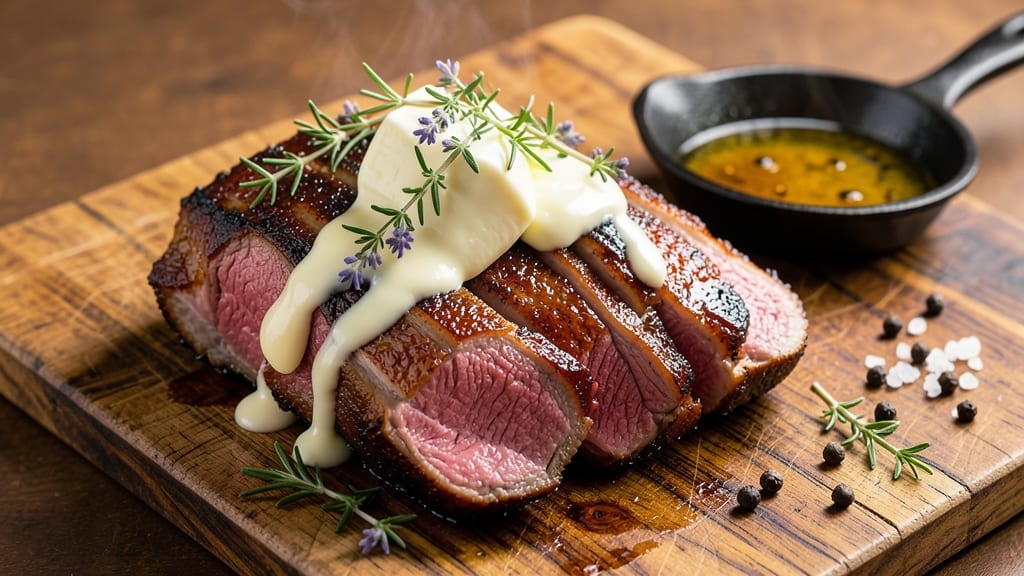
The Barefoot Contessa's sirloin tip roast delivers melt-in-your-mouth tenderness and deep caramelized flavor that transforms any dinner into a special occasion. This cut, when slow-roasted to perfection, develops a rich crust while staying incredibly juicy inside—a technique Ina Garten herself would approve of.
The key lies in proper seasoning, precise temperature control, and letting the meat rest before slicing.
What sets this recipe apart is the balance between searing and slow cooking, which creates that signature caramelized exterior without drying out the center. You'll start with a simple salt-and-pepper rub, then let the roast develop its own crust in the oven.
The result is a roast that's so tender it practically falls apart, with flavors that deepen as it rests. This method ensures every slice delivers maximum juiciness and rich beefy flavor.
Perfect for family dinners or holiday gatherings, this roast pairs beautifully with classic sides like creamy mashed potatoes, roasted root vegetables, or a fresh green salad. The recipe includes all the professional techniques—from proper resting times to ideal internal temperatures—to guarantee restaurant-quality results at home.
Let's get started on creating your most impressive roast yet.
This technique works equally well for smaller gatherings or larger crowds, making it versatile for any occasion. The secret to success is patience and attention to detail, which pays off in every tender, flavorful bite. You'll have a showstopping centerpiece that requires minimal effort but delivers maximum impact.
Ingredients for barefoot contessa sirloin tip roast
The secret to restaurant-quality sirloin tip roast lies in these carefully selected ingredients and techniques.
| Ingredient | Amount | Notes |
|---|---|---|
| Sirloin Tip Roast 🥩 | 4 lb | Center-cut for even cooking |
| Kosher Salt 🧂 | 1 ½ tbsp | Diamond Crystal preferred |
| Freshly Ground Black Pepper 🌶️ | 1 ½ tbsp | Coarse grind for texture |
| Unsalted Butter 🧈 | ½ cup | Cold, cut into 1-inch pieces |
| Fresh Rosemary 🌿 | 2 sprigs | Thick stems for handling |
| Fresh Thyme 🌿 | 4 sprigs | Leaves only, stems removed |
| Garlic Cloves 🧄 | 6 cloves | Peeled, smashed with side of knife |
| Extra-Virgin Olive Oil 🫒 | 1 tbsp | High-quality, fruity variety |
| Red Wine 🍷 | ½ cup | Bold Cabernet Sauvignon |
| Beef Stock 🥫 | 1 cup | Homemade or high-quality store-bought |
| Balsamic Vinegar 🍶 | 1 tbsp | Aged 10+ years for depth |
| Yellow Onion 🧅 | 1 whole | Peeled, quartered lengthwise |
| Carrots 🥕 | 4 whole | Medium, peeled, halved lengthwise |
| Fresh Parsley 🌿 | ¼ cup | Chopped, for garnish |
The sirloin tip roast is the star here—center-cut for even cooking and maximum tenderness. Look for a well-marbled piece at your butcher shop or Whole Foods Market's meat counter, where they can cut it to your exact specifications. If you're buying pre-cut, ensure the roast is uniform in diameter for even searing. The Diamond Crystal kosher salt is preferred for its coarse texture, which clings better to the meat than table salt. For the herbs, fresh is non-negotiable—dried won't deliver the same aromatic punch. The extra-virgin olive oil should have a peppery finish; California Avocado or Colavita brands excel here.
No red wine? Substitute with beef stock plus 1 tbsp balsamic vinegar for depth. The rosemary and thyme can be swapped for 1 tbsp each of dried rosemary and thyme, but fresh is ideal. If you're short on time, pre-trimmed roasts from Costco or Kroger save effort without sacrificing quality. The onion and carrots add sweetness to the pan juices—baby carrots work if you're in a pinch, but whole carrots yield better flavor. For the beef stock, Kitchen Basics or Pacific Foods are reliable brands that won't dilute your roast's richness.
This roast develops best when rested for 15-20 minutes before slicing—never skip this step or you'll lose precious juices. Store leftovers in an airtight container for up to 4 days in the fridge, or freeze for 3 months by wrapping tightly in butcher paper. The pan juices from searing can be reduced into a glossy sauce by simmering with 1 tbsp cornstarch—a perfect drizzle over sliced roast. For large gatherings, double the recipe and use a meat thermometer to ensure even doneness throughout the larger roast.
Why You'll Love This Recipe
- Here’s what sold me: that first bite where the butter-basted crust gives way to rosemary’s bright, woodsy punch. It’s not overpowering—just enough to make you think, “Wait, is this how fancy food tastes?” The salt and pepper do all the heavy lifting, but the rosemary? That’s the secret weapon. (Yes, even on a Tuesday night.)
- Two-Handed Cooking: I swear by this recipe because it’s the kind of meal that lets you actually talk to your guests—or at least pretend to listen to your partner’s work stories. Season the roast, pop it in the oven, and the rosemary’s piney aroma fills the kitchen while you sip wine. No flipping, no frying, no stress—just a perfectly browned crust and tender inside that practically falls apart.
- Rosemary Magic: Here’s what sold me: that first bite where the butter-basted crust gives way to rosemary’s bright, woodsy punch. It’s not overpowering—just enough to make you think, “Wait, is this how fancy food tastes?” The salt and pepper do all the heavy lifting, but the rosemary? That’s the secret weapon. (Yes, even on a Tuesday night.)
- Leftovers That Win: Between us, I make this roast intentionally big because the leftovers are my lazy-day savior. Thinly slice it for sandwiches, cube it for pasta, or just reheat with a splash of broth—it’s always better the second time. My kids don’t even complain when I serve it cold in wraps. (That’s saying something.)
Step-by-step instructions for Barefoot Contessa sirloin tip roast
Master this slow-roasting technique for melt-in-your-mouth tenderness with a deeply caramelized crust.
Prepare and Season the Roast
Remove the sirloin tip roast from refrigeration and let it sit at room temperature for 1 hour before cooking. This ensures even cooking throughout. Pat the roast dry with paper towels—removing all moisture is critical for developing that perfect caramelized crust.
In a small bowl, combine the 1.5 tablespoons kosher salt and 1.5 tablespoons freshly ground black pepper. Generously rub this mixture all over the roast, including the cut edges. Then, in another bowl, mix the 2 sprigs fresh rosemary and 4 sprigs fresh thyme with the 6 peeled garlic cloves, crushing them lightly with your fingers. Press this herb-garlic mixture firmly into the surface of the roast, ensuring it adheres evenly.
Sear the Roast for Depth of Flavor
Preheat your oven to 300°F. Heat a Dutch oven or heavy oven-safe skillet over medium-high heat until very hot. Add the 1 tablespoon extra-virgin olive oil and swirl to coat the bottom. Place the roast in the skillet, fat-side down, and sear for 8-10 minutes until a deep golden-brown crust forms.
Flip the roast and sear the other side for another 6-8 minutes. The goal is to create a rich, flavorful crust while keeping the interior tender. If the roast releases easily from the pan when ready to flip, it's properly seared. Transfer the roast to the preheated oven and continue cooking.
Slow-Roast to Perfect Tenderness
Roast the sirloin tip roast for 3-3.5 hours, or until the internal temperature reaches 130°F on a meat thermometer inserted into the thickest part of the roast. This low-and-slow approach ensures the connective tissues break down, resulting in fork-tender meat.
About 30 minutes before the roast is done, prepare the vegetables. In the same Dutch oven, melt the ½ cup unsalted butter over medium heat. Add the 1 peeled and quartered yellow onion and 4 peeled and halved carrots, cooking for 5-7 minutes until they begin to soften. Pour in the ½ cup red wine, 1 cup beef stock, and 1 tablespoon balsamic vinegar, scraping up any browned bits from the bottom of the pan.
Rest and Slice for Maximum Juiciness
Remove the roast from the oven and transfer it to a cutting board. Tent loosely with aluminum foil and let it rest for 20-30 minutes. This resting period allows the juices to redistribute, ensuring each slice remains succulent and flavorful.
While the roast rests, return the Dutch oven to the stovetop and simmer the vegetable mixture over medium-low heat for 10-15 minutes, reducing it slightly to create a rich, flavorful sauce. To serve, slice the roast against the grain into ½-inch thick slices. Spoon the sauce over the top and garnish with the ¼ cup chopped fresh parsley for a pop of color and freshness.
Serve with Confidence
Each slice should be tender enough to pull apart with a fork, with a beautifully caramelized crust and a rich, savory flavor. The accompanying sauce adds depth and moisture, tying all the flavors together. Serve with crusty bread or roasted potatoes to soak up every last bit of the delicious juices.
This method guarantees a roast that's perfectly juicy and richly caramelized, just like Ina Garten's signature style. The key is patience—allowing the roast to cook slowly and rest properly ensures a result that's truly restaurant-quality.
Pro Tips For Making Barefoot Contessa Sirloin Tip Roast
- SEAR HARD FIRST: Get that pan screaming hot—we’re talking smoke-just-starting-to-rise heat—before adding the roast. I used to rush this, and the butter would just melt into a greasy mess instead of forming that golden crust. High heat for the first 2 minutes locks in flavor and texture better than anything else.
- SALT THE ROAST: Generously coat the roast with kosher salt at least 30 minutes before cooking—yes, even if it feels excessive. The salt draws out moisture, which then crisps into a crust when seared. I learned this the hard way after a dry, bland roast that tasted like it was missing something.
- REST UNDER FOIL: After roasting, give it a solid 5-10 minutes under foil before slicing—no peeking. The residual heat keeps it juicy, and the foil traps steam so the rosemary butter doesn’t dry out. I know, I know, you’re eager to serve it, but cutting too soon means a tough, dry slice.
- BUTTER THE ROAST: Use room-temperature unsalted butter for the final basting—it spreads evenly and melts into a glossy finish. Cold butter clumps and doesn’t stick, while melted butter pools instead of coating. Slather it on thick, then let it sizzle for 30 seconds to seal in flavor.
Health benefits of these flavors
Lean Protein Powerhouse
Sirloin tip roast delivers a high-protein, lower-fat option compared to other beef cuts, making it ideal for balanced meals. A 4-pound roast yields about 180 grams of protein—roughly 45 grams per serving—while keeping saturated fat in check at around 10 grams per serving.
This lean profile supports muscle maintenance and satiety, perfect for active lifestyles or muscle recovery. 💪
Rich in Iron and Zinc
This cut provides substantial amounts of iron and zinc, essential minerals for energy and immune function. A 6-ounce serving delivers about 30% of your daily iron needs and 40% of zinc, both critical for red blood cell production and wound healing.
The slow-roasting method enhances mineral bioavailability compared to quick-cooking techniques.
Collagen Breakdown Benefits
The low-and-slow roasting process breaks down collagen in the connective tissue, transforming it into gelatin—a nutrient-dense compound that supports joint health and gut integrity. This makes the roast particularly beneficial for those with active lifestyles or joint concerns. The resulting tender texture is both delicious and functional. 🌟
Heart-Healthy Fats
While sirloin tip contains some saturated fat, the monounsaturated fats present in the marbling contribute to heart health by improving cholesterol ratios. The slow-roasting method preserves these beneficial fats better than high-heat searing alone. Pairing this roast with vegetable sides further enhances its cardiovascular benefits.
Versatile Nutrient Pairings
Serve with roasted vegetables (like carrots and onions from the recipe) to create a nutrient powerhouse. The vegetables add fiber, vitamin A, and vitamin C, which work synergistically with the beef's protein and iron.
This combination makes the meal both satisfying and nutritionally complete, covering multiple dietary needs in one sitting. ✨
Meal Prep Advantages
Leftovers maintain their nutritional integrity for up to 4 days refrigerated or 3 months frozen, making this an excellent meal prep option. The slow-cooked method preserves more nutrients than quick-cooked beef cuts, and the rich flavors encourage balanced portion sizes—ideal for health-conscious home cooks. 💡
Nutrition facts
Frequently asked questions
Why does the Barefoot Contessa method use such a low oven temperature?
The 300°F temperature is key for breaking down connective tissue slowly, creating melt-in-your-mouth tenderness. High heat would cook the exterior too quickly while leaving the center tough. This method mimics traditional roasting techniques that transform tough cuts into luxurious, fork-tender beef.
Can I substitute another cut of beef if I can't find sirloin tip?
Yes, but choose a similarly well-marbled cut like top sirloin or tri-tip. Avoid lean cuts like flank steak—they won't develop the same rich flavor and texture. If substituting, reduce cooking time by 15-20 minutes since these cuts cook faster. The herb-garlic rub works beautifully on all of them.
How do I know when the roast is done without overcooking it?
Use a meat thermometer inserted into the thickest part—it should read 130°F for medium-rare tenderness. The internal temperature will rise to 135°F as it rests. Never rely on time alone; beef continues cooking after removal from heat. For extra insurance, check the probe every 15 minutes after 2.5 hours of cooking.
What if my roast turns out dry?
Dryness usually means overcooking or skipping the rest time. Always let the roast rest 20-30 minutes before slicing—this redistributes juices. If it's still dry, try slicing thinner (¼-inch instead of ½-inch) to expose more moist interior. For future attempts, reduce oven temp by 25°F and monitor closely.
Can I make this ahead of time for a holiday dinner?
Cook the roast up to 2 days ahead—it tastes even better after resting. Store in an airtight container in the fridge. Reheat gently in a 275°F oven for 30-45 minutes until warmed through. The flavors deepen overnight, making it perfect for stress-free entertaining.