
Tips
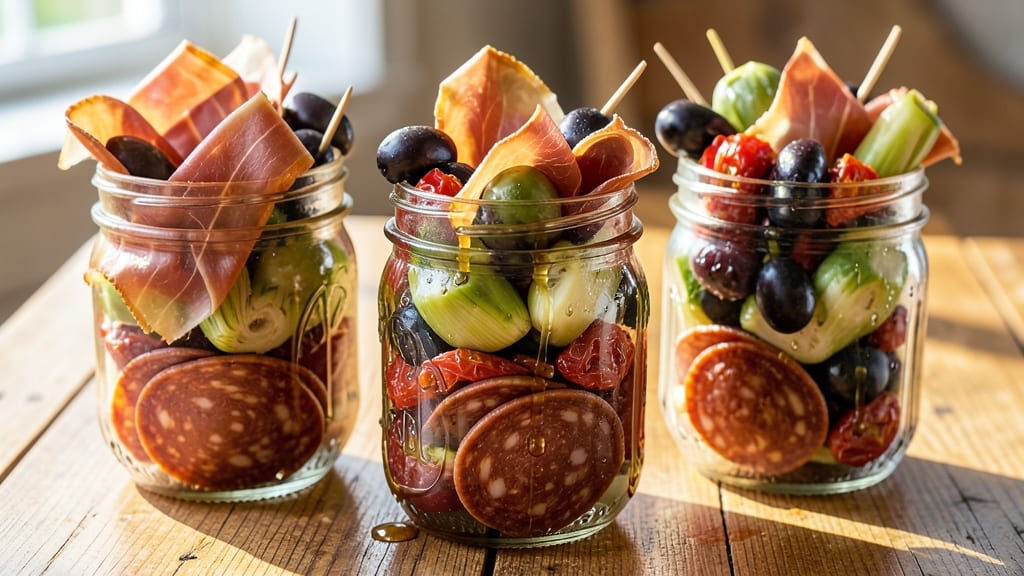
Creating the best antipasto recipe for canning means capturing Italy's bold flavors in a jar—where salty prosciutto, briny olives, and tangy marinated vegetables stay vibrant for months. I developed this method after years of perfecting traditional antipasto spreads, ensuring every component maintains its texture and flavor through the canning process.
The secret lies in balancing acidity, proper heat treatment, and layering ingredients strategically.
This recipe transforms classic antipasto into a shelf-stable masterpiece using a proven boiling water bath technique. You'll start with cured meats like salami and prosciutto, marinated artichokes, sun-dried tomatoes, and a mix of olives—all arranged in jars with a protective acidified brine.
The key is maintaining proper pH levels to prevent spoilage while preserving the authentic Mediterranean taste. This isn't just preservation; it's about creating a pantry staple that tastes like a trip to Italy.
What you'll end up with is a jar of restaurant-quality antipasto that stays fresh for up to a year. The cured meats remain tender, the vegetables retain their crispness, and the flavors develop even richer over time.
Perfect for holiday gifts, emergency meal prep, or simply enjoying a taste of Italy anytime. The best part? Every component is carefully selected and prepared to ensure safety and deliciousness.
Once canned, these antipasto jars become versatile additions to charcuterie boards, sandwiches, or as a quick appetizer spread. The recipe includes detailed instructions for proper sealing, storage, and even creative serving ideas. Let's preserve those bold flavors for months ahead—safely and deliciously.
Ingredients for best antipasto recipe for canning
Six jars of restaurant-quality antipasto—preserved with authentic Italian flavors for months ahead.
| Ingredient | Amount | Notes |
|---|---|---|
| Prosciutto di Parma 🥓 | ¾ lb | Thinly sliced, high-quality variety |
| Genova Salami 🥓 | ½ lb | Firm, well-cured slices |
| Marinated Artichoke Hearts 🍈 | 1 ½ cups | Packed in oil, drained |
| Sun-Dried Tomatoes 🍅 | ½ cup | Oil-packed, chopped |
| Kalamata Olives 🫒 | 1 ½ cups | Pitted, brined |
| White Wine Vinegar 🍷 | 1 cup | Distilled, 5% acidity |
| Granulated Sugar 🍚 | ½ cup | White, fine grain |
| Salt 🧂 | 2 tbsp | Diamond Crystal kosher |
| Fresh Rosemary 🌿 | ¼ cup | Finely chopped |
| Fresh Basil 🌿 | ¼ cup | Finely chopped |
| Garlic Cloves 🧄 | 4 cloves | Minced, fresh |
| Extra-Virgin Olive Oil 🫒 | ½ cup | For drizzling |
| Pint-Sized Mason Jars 🍶 | 6 whole | With lids, sterilized |
The cured meats are non-negotiable. Prosciutto di Parma and Genova salami from a specialty deli (like Eataly or Whole Foods) make all the difference—they're rich, flavorful, and hold up beautifully during canning. Look for thick-cut slices with visible marbling. If you can't find Prosciutto di Parma, San Daniele is a worthy substitute. The artichokes? Imported from Italy if possible—they're packed tighter and stay crisp longer. For sun-dried tomatoes, skip the jarred ones with oil; grab the dry-packed variety and rehydrate them in olive oil for 30 minutes before chopping. That extra step makes them plump and vibrant.
No Italian deli nearby? Trader Joe's has surprisingly good cured meats—just check the ingredients list for no added nitrates. Short on rosemary? Dried works at half the amount, but fresh is worth the effort. The vinegar needs to be 5% acidity or higher—check the label. White wine vinegar from Bragg or Heinz is reliable. For olives, Kalamata is ideal, but Manzanilla or Green Greek olives work too. The garlic should be freshly minced—pre-minced garlic loses flavor fast. And that olive oil? Use a fruity, peppery variety like Colavita or Bertolli. It's the finishing touch that ties everything together.
Sterilize those jars properly—boiling water bath for 10 minutes—and keep them hot until filling. The antipasto stays vibrant for up to a year in a cool, dark pantry. Once opened, transfer to the fridge and use within 2 weeks. I always make an extra jar for gifts—tie a ribbon around the lid and you've got an instant holiday present. The flavors actually improve with time, so don't be afraid to open a jar months later. Just give it a quick stir before serving to redistribute the juices.
Why You'll Love This Recipe
- No-Chop Necessary: I swear by this—just slice the salami and tomatoes into strips, then layer. No dicing, no mincing, no fuss. The artichokes are pre-marinated, so I’m basically assembling a gourmet spread while scrolling through my phone.
- Salty-Sweet Magic: That first bite of salty prosciutto with the briny olives and tangy sun-dried tomatoes? It’s like a flavor explosion in your mouth. Honestly, the balance of textures—crispy salami, chewy olives, tender artichokes—makes it impossible to stop eating.
- Party-Ready Any Day: Serve it in jars for a picnic, scoop it onto crusty bread for a charcuterie board, or pack it in lunchboxes for the week. My college-aged son still raves about the version I packed for his dorm—no fancy plates needed.
- Zero-Waste Pantry Hero: Use up those half-open jars of olives or that last slice of salami before it dries out. I’ll be real: this recipe saved me from tossing perfectly good ingredients more times than I can count. Plus, the leftovers keep for weeks in the fridge.
Step-by-step instructions for preserving antipasto flavors
Here's how to layer these Mediterranean ingredients into perfectly balanced, long-lasting antipasto preserves.
Sterilize Jars and Prepare Ingredients
Begin by sterilizing the 6 whole pint-sized mason jars and their lids in boiling water for 10 minutes. This ensures a perfect seal and prevents spoilage. While they sterilize, prepare all ingredients by draining the 1.5 cups marinated artichoke hearts and 1.5 cups kalamata olives thoroughly—pat them dry with paper towels to remove excess moisture, which could dilute flavors and weaken the seal.
Finely chop the 0.5 cup sun-dried tomatoes and 0.25 cup fresh rosemary, then mince the 4 cloves garlic cloves. This uniform texture ensures even distribution in each jar. I like to use a sharp chef's knife for precision—uneven pieces can lead to inconsistent flavor in every bite. Keep these components separate until assembly to maintain freshness.
Layer Cured Meats and Vegetables
In each sterilized jar, begin by adding a thin layer of the 0.75 lb prosciutto di parma, followed by a thin layer of the 0.5 lb genova salami. Use about 2-3 slices of each per jar—this creates a flavorful base while allowing room for other ingredients. Next, layer ¼ cup of the marinated artichoke hearts and ¼ cup of the kalamata olives in each jar, pressing them down gently to compact the mixture.
Add 1-2 sun-dried tomato pieces and 1-2 minced garlic cloves to each jar, then sprinkle with 1 teaspoon of the 0.25 cup fresh basil and 1 teaspoon of the 0.25 cup fresh rosemary. This distribution ensures every jar has balanced, vibrant flavors. Leave about 1 inch of headspace at the top of each jar—this prevents overflow during processing and ensures a proper seal.
Create the Preserving Liquid
In a saucepan, combine the 1 cup white wine vinegar, 0.5 cup granulated sugar, and 2 tbsp salt. Bring to a gentle simmer over medium heat for 5 minutes, stirring until the sugar and salt dissolve completely. This creates a flavorful brine that preserves the ingredients while enhancing their natural tastes. The liquid should be clear and slightly syrupy—if it's too thin, simmer for an additional 2 minutes to reduce.
Remove the pan from heat and let the liquid cool for 10 minutes. While it cools, add 0.25 cup of the 0.5 cup extra-virgin olive oil and stir gently to emulsify. This step adds richness and helps create a glossy finish on the preserved antipasto. The mixture should be at room temperature before pouring—hot liquid can cause jars to crack during processing.
Fill Jars and Process for Shelf Stability
Carefully ladle the warm preserving liquid into each jar, filling them to within ½ inch of the rim. Use a wooden spoon to gently press down the ingredients, ensuring they're fully submerged in the liquid. This prevents mold growth and ensures even preservation. Wipe the jar rims with a clean, damp cloth to remove any residue that could interfere with sealing.
Seal each jar tightly with the sterilized lids and place them in a large pot filled with 2 inches of water. Bring the water to a gentle boil and process the jars for 75 minutes. This extended processing time ensures the antipasto mixture reaches a safe internal temperature, preserving it for up to 12 months in a cool, dark place. After processing, remove the jars and let them cool completely on a wire rack—this allows the lids to seal properly and prevents condensation buildup.
Store and Enjoy Your Preserved Antipasto
Once the jars have cooled and sealed (you'll hear a satisfying ping as the lids seal), store them in a cool, dark pantry for up to 12 months. The flavors will deepen and meld over time, creating a complex, umami-rich antipasto that's perfect for charcuterie boards or quick appetizers. When ready to serve, open a jar and let the mixture sit at room temperature for 10 minutes—this allows the flavors to fully awaken and the textures to soften slightly.
Serve the preserved antipasto on crusty bread, alongside aged cheeses, or as a topping for grilled vegetables. The balance of salty meats, briny olives, and sweet-savory tomatoes creates an irresistible combination that's ideal for entertaining or enjoying as a simple snack. Each bite delivers the essence of Mediterranean flavors, perfectly preserved for months ahead.
Pro Tips For Making Best Antipasto Recipe For Canning
- Trim the Salami Properly: Use a sharp knife to slice the Genova salami against the grain—yes, it takes longer, but you’ll end up with tender, bite-sized pieces instead of chewy strips. I learned this the hard way after serving rubbery slices that had me cringing.
- Drain, Not Rinse, Olives: Pat Kalamata olives very dry with paper towels before packing them—wet olives make the jar soggy and dull the flavors. Skip the rinse; just blot them like you’re drying a glass after a storm.
- Layer Like a Stacked Sandwich: Alternate cured meats with artichokes and tomatoes in the jar, starting and ending with the driest ingredients (prosciutto, olives). This keeps everything separate and prevents a mushy middle—no one wants a jar of sad, blended antipasto.
- Skip the Jar Tightener: Leave about ½ inch of headspace at the top of the jar—yes, it looks unfinished, but it prevents the lid from warping when the contents expand. I used to cram it down, and half my batches ended up with bulging lids. Trust the process.
Dietary considerations for best antipasto recipe for canning
Gluten-Free Adaptations
This antipasto recipe is naturally gluten-free, but I always double-check labels on cured meats like salami and prosciutto—some brands add gluten as a binder. Look for certified gluten-free labels or brands like Applegate or Columbus Craft Meats, which use gluten-free curing methods.
The vinegar, sugar, and olive oil are all gluten-free by default, so the only potential concern is cross-contamination during prep. I like to use a separate cutting board and knife for gluten-free ingredients to avoid any accidental exposure. 🌾
Low-Sodium Options
If you're watching your sodium intake, you can reduce the salt in the preserving liquid by half—just use 1 tbsp instead of 2 tbsp. The cured meats already provide plenty of saltiness, so the flavor stays balanced.
For extra umami without extra sodium, add 1 tsp of nutritional yeast to each jar before sealing. It adds a cheesy, savory depth that complements the prosciutto and olives beautifully. Just be sure to process the jars for the full 75 minutes to maintain safety with the lower salt content.
Vegetarian-Friendly Swaps
Skip the cured meats entirely and replace them with marinated mushrooms (like shiitake or portobello) and grilled eggplant slices for a hearty vegetarian antipasto. Marinate the mushrooms in 2 tbsp balsamic vinegar, 1 tbsp olive oil, and 1 tsp dried oregano for 30 minutes before layering.
The eggplant should be sliced into ¼-inch rounds and lightly salted to draw out moisture before draining. This swap keeps the Mediterranean vibe while making the recipe accessible to vegetarians. 🍄
Allergen Safety
For those with olive allergies, replace the extra-virgin olive oil with avocado oil—it has a neutral flavor and similar smoke point. If you're avoiding olives entirely, swap them for pickled capers or marinated artichoke hearts (already included in the recipe).
Always check labels on olives and cured meats for potential allergens like sulfites or mustard, which some brands add as preservatives. I keep a separate jar of antipasto components on hand for guests with dietary restrictions, so I can customize portions easily.
Keto-Friendly Adjustments
This antipasto is already keto-friendly, but you can enhance it further by omitting the sugar entirely from the preserving liquid. The vinegar and salt will still create a flavorful brine, and the natural sweetness of the sun-dried tomatoes balances the dish.
For extra fat content (which is key for keto), drizzle each jar with an additional 1 tbsp of olive oil before sealing. The cured meats and olives provide plenty of sodium, so no adjustments are needed there.
Just remember to process the jars for the full time to maintain safety without the sugar.
Preservation for Special Diets
For those following a paleo diet, this recipe is already compliant—just ensure all ingredients are free of additives. The vinegar, olive oil, and fresh herbs are all paleo-approved, and the cured meats should be nitrate-free (look for brands like Upton's Naturals or Boar's Head).
If you're dairy-free, skip any cheese pairings when serving, but the antipasto itself remains perfectly safe. The key to preserving for special diets is always checking labels and sticking to whole, unprocessed ingredients.
The canning process itself doesn't alter the dietary compliance—it's all about what goes into the jars in the first place. 💡
Nutrition facts
Frequently asked questions about preserving antipasto
Can I use jarred sun-dried tomatoes instead of oil-packed ones?
Jarred sun-dried tomatoes work, but they're often packed in oil with added salt or preservatives that can alter the flavor balance in your preserved antipasto. For best results, use dry-packed sun-dried tomatoes and rehydrate them in olive oil for 30 minutes before chopping. This ensures cleaner flavor and better texture retention during canning.
How do I know if my sealed antipasto jars are properly preserved?
Check for a concave lid (it should pop inward slightly) and listen for the ping sound when pressed—this confirms a proper seal. If any lids stay convex or don't ping, refrigerate that jar immediately and use within 2 weeks. Also, inspect for any bubbles or mold before opening. Properly sealed jars should stay shelf-stable for 12 months in a cool, dark place.
What if I don't have white wine vinegar for the preserving liquid?
Apple cider vinegar or red wine vinegar work perfectly as substitutes—they provide the same acidity level (5% or higher) needed for safe preservation. Just ensure it's distilled vinegar (not synthetic) for consistent results. The flavor profile will shift slightly, but the texture and preservation quality remain excellent.
Can I adjust the salt content without affecting shelf life?
Yes, but with caution. Reduce salt to 1 tbsp (half the original amount) and add 1 tsp nutritional yeast per jar for umami depth. However, you must process jars for the full 75 minutes—lower salt levels require longer heat treatment for safety. Monitor closely during processing to prevent jar failures.
How should I serve canned antipasto that's been stored for 6+ months?
Let the jar sit at room temperature for 10-15 minutes before opening to allow flavors to meld. Stir gently to redistribute settled ingredients, then serve on crusty bread, alongside aged pecorino, or as a topping for grilled eggplant. The longer it stores, the more complex the flavors become—think deeper umami from the cured meats and richer olive notes.