
Main Courses
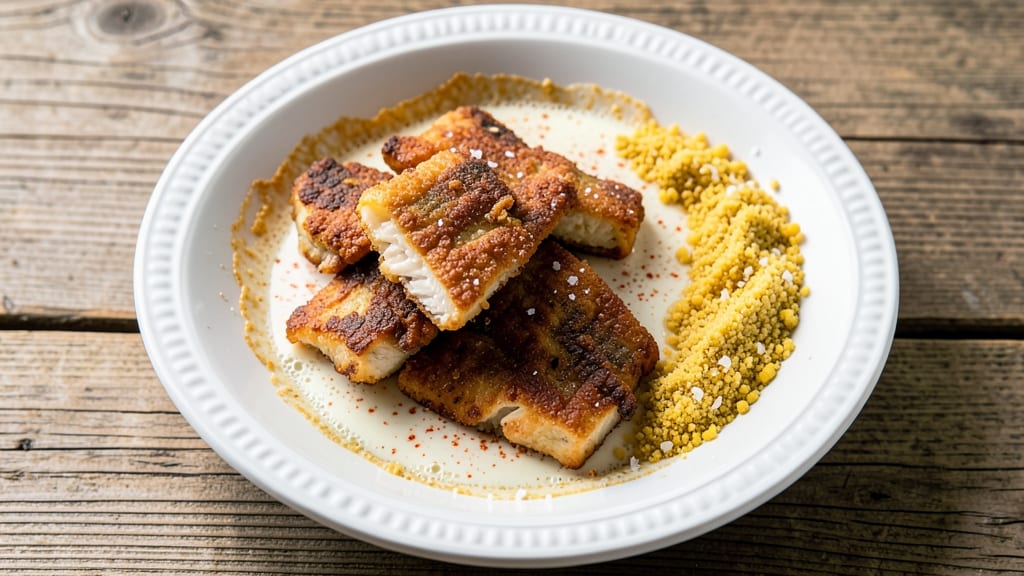
This Southern fried whiting fish recipe delivers the crispy, golden crust and bright lemon-zest tang that define coastal Southern cuisine. The secret lies in a precise cornmeal batter, fried at 350–375°F for that perfect crunch without grease overload.
I first learned this technique from my grandmother, who swore by the lemon twist—it cuts through the richness while keeping the fish tender inside.
The batter uses just five ingredients—cornmeal, flour, baking powder, salt, and a splash of buttermilk—for a coating that stays crispy even after draining. Frying in small batches ensures even cooking, and resting the fish on a wire rack prevents sogginess.
This method transforms simple whiting into a restaurant-worthy dish that tastes like a Sunday supper.
What makes this recipe stand out is the balance of textures: crispy on the outside, flaky and moist on the inside, with a zesty lemon finish that brightens every bite.
Serve with classic sides like collard greens or hushpuppies for an authentic Southern meal. The aroma alone will have everyone at the table asking for seconds.
This dish is foolproof once you master the oil temperature and draining technique—no experience required. The result is a crispy, golden crust that shatters with each bite, revealing tender fish beneath. Perfect for a weeknight dinner or a special occasion, this recipe brings Southern hospitality to your table.
Ingredients for best southern fried whiting fish
Five simple ingredients transform plain whiting into crispy Southern gold—just like Grandma used to make.
| Ingredient | Amount | Notes |
|---|---|---|
| Whiting Fish Fillets 🐟 | 1 ½ lb | Skin-on, boneless, 6-8 fillets |
| Fine Yellow Cornmeal 🌽 | 1 cup | Stone-ground preferred for texture |
| All-Purpose Flour 🌾 | ½ cup | Lightly sifted for smooth batter |
| Baking Powder 🧂 | 1 ½ tsp | Aluminum-free for best results |
| Buttermilk 🥛 | ½ cup | Full-fat for optimal crispiness |
| Kosher Salt 🧂 | 1 tsp | Fine grain for even seasoning |
| Lemon Zest 🍋 | 1 tbsp | Freshly grated from organic lemons |
| Vegetable Oil 🫒 | 3 cups | High smoke point, like peanut oil |
| Fresh Lemon Wedges 🍋 | 4 whole | For serving, seeds removed |
| Unsalted Butter 🧈 | 2 tbsp | Melted for basting fish |
| White Pepper 🌶️ | ¼ tsp | Freshly ground for subtle heat |
| Paprika 🌶️ | ½ tsp | Smoked variety for depth |
The whiting matters most here—look for fillets with bright, translucent flesh and minimal bruising. Local seafood markets often have the freshest cuts, but the grocery store seafood case works too if you check the sell-by date. Skin-on fillets create that perfect crispy edge, so don't peel them. For cornmeal, Bob's Red Mill stone-ground gives the best texture, but any fine yellow cornmeal will work. The buttermilk should be full-fat—it makes all the difference in crispiness. If you can't find it, substitute with ½ cup milk plus ½ teaspoon vinegar.
No buttermilk? Plain yogurt thinned with milk works in a pinch, though the flavor won't be identical. Short on cornmeal? Substitute half with all-purpose flour, but the crust won't be as crisp. For lemon zest, organic lemons have more flavor, but conventional works fine. The vegetable oil is non-negotiable—use peanut or avocado oil for high heat stability. If you're frying in batches, keep the oil temperature steady at 360°F using a candy thermometer. The fish should cook for 3-4 minutes per side—any longer and it turns rubbery.
This dish reheats poorly, so plan to serve immediately. Store any leftover batter in an airtight container for up to 1 week in the fridge. The fried fish keeps for 2 days in the fridge, but it's best enjoyed fresh. For extra crispiness, serve on a wire rack over paper towels. The lemon wedges should be served on the side—squeezing them over the fish right before eating keeps that bright zing. Freezing isn't recommended, as the coating loses its crunch.
Why You'll Love This Recipe
- No-Fuss Breading: I swear by the cornmeal-buttermilk combo—just dredge the fillets, dip, and fry. No rolling in flour like some fancy recipes; this stays light and crispy with minimal fuss.
- Crispy-Creamy Magic: That buttermilk tenderizes the fish while the cornmeal delivers a golden, shatteringly crisp crust. Honestly, the first bite makes you forget it’s even healthy.
- Tailgate to Tuesday: I’ve served this at summer cookouts and lazy weeknights—same recipe, different vibes. The cornmeal keeps it sturdy enough for a picnic basket or a quick dinner when you’re starving.
- Budget-Friendly Feast: Whiting’s cheap, and this recipe stretches it far. Leftovers? Reheat in a skillet for crispy seconds, or toss cold slices into a salad when you’re sick of fried fish.
Step-by-step instructions for Southern fried whiting fish
Here's how to achieve that signature Southern crispiness with a golden cornmeal crust.
Prepare the Batter for Maximum Crispiness
In a medium bowl, whisk together the 0.5 cup all-purpose flour, 1.5 teaspoons baking powder, 1 teaspoon kosher salt, 0.25 teaspoon white pepper, and 0.5 teaspoon paprika until completely combined. This dry mixture forms the foundation of your crispy crust. In a separate bowl, combine the 0.5 cup buttermilk and 1 tablespoon lemon zest, then whisk vigorously for 30 seconds—this helps create tiny air pockets that contribute to the lightness of your crust.
Gradually pour the buttermilk mixture into the dry ingredients while whisking continuously. You want a smooth, pourable batter with a consistency similar to heavy cream. Here's the thing—don't overmix. A few lumps are fine; they'll disappear during frying. The batter should coat the back of your spoon but still flow freely when poured. If it's too thick, add 1 teaspoon buttermilk at a time until you reach the perfect consistency.
Season and Prep the Fish Fillets
Pat each of the 1.5 lb whiting fish fillets completely dry with paper towels—this is absolutely critical for achieving that perfect crispy crust. Any moisture left on the skin will prevent the cornmeal from adhering properly and create steam instead of a golden crust. I like to press down firmly with the paper towels, especially around the edges where moisture tends to collect.
Place the dried fillets on a clean work surface and season both sides generously with the remaining 1 teaspoon kosher salt. This step ensures your fish is properly seasoned before it gets coated in the cornmeal mixture. The salt will penetrate the fish slightly during the brief resting period, creating a flavorful foundation for your crust.
Create the Crispy Cornmeal Coating
In a shallow dish large enough to accommodate all your fillets, combine the 1 cup fine yellow cornmeal with an additional 1 teaspoon kosher salt. The cornmeal should be sifted lightly to remove any lumps that could prevent even coating. Gently press each fillet into the cornmeal mixture, making sure to coat both sides completely and press the cornmeal firmly against the fish. This ensures the crust will stick during frying and create that satisfying crunch.
Here's where the magic happens: dip each cornmeal-coated fillet into the batter, allowing any excess to drip off, then immediately return it to the cornmeal dish. Press again firmly to create a thick, even coating. Work quickly but carefully—you want to maintain the integrity of the fillets while building that perfect double crust. Place the coated fillets on a wire rack set over a baking sheet to prevent sticking while you prepare for frying.
Fry to Golden Perfection
In a large, heavy skillet, heat 3 cups vegetable oil over medium-high heat until it reaches 350°F—this is your target frying temperature. Use a deep-fry thermometer to monitor the oil temperature precisely. If you don't have one, test the oil by dropping in a small piece of bread—it should sizzle and turn golden in about 30 seconds. Too hot, and your fish will burn before it cooks through; too cool, and you'll end up with greasy, soggy fish.
Carefully place the coated fillets in the hot oil, working in batches if necessary to avoid overcrowding. Fry for 3-4 minutes per side until the crust is deep golden brown and crispy. You'll know it's ready when the crust releases easily from the pan and the fish flakes gently with a fork. Here's the secret to perfect timing: the fish should reach an internal temperature of 140°F—use an instant-read thermometer to check the thickest part of the fillet.
Finish with Butter and Lemon
Transfer the fried fish to a paper towel-lined plate to drain excess oil. Immediately add the 2 tablespoons unsalted butter to the still-hot skillet and swirl to coat the bottom. After 30 seconds, return the fish to the skillet to baste both sides with the butter for 1 minute—this adds richness and helps maintain moisture. The butter should foam slightly but not brown.
Serve the fish immediately with the 4 whole fresh lemon wedges on the side. The contrast between the crispy cornmeal crust, tender fish, and bright lemon creates that perfect Southern balance of textures and flavors. Each bite should deliver that satisfying crunch followed by flaky, buttery fish. Don't skip the lemon—it cuts through the richness and enhances all the flavors in this classic dish.
Pro Tips For Making Best Southern Fried Whiting Fish
- DRY THE FILLETS WELL: Pat those whiting fillets dry with paper towels—really dry. I learned this the hard way when my first batch came out soggy inside. The cornmeal crust won’t stick properly if moisture lingers, and you’ll end up with a sad, greasy mess instead of that perfect crispy exterior.
- USE COLD BUTTERMILK: Chill that buttermilk before dredging the fish—yes, even if you’re impatient. Cold buttermilk creates a lighter, more stable batter that won’t soak into the fillets and turn them rubbery. I used to skip this, and my fish always ended up greasy instead of golden.
- FRIED IN BATCHES: Don’t crowd the pan—ever. Three or four fillets at a time is the max, even if it means extra turns. Overloading drops the oil temperature, and your crust will steam instead of fry, leaving you with a sad, limp coating. Trust me, the sizzle should sound like a tiny orchestra.
- ADD BAKING POWDER LAST: Whisk the baking powder into the cornmeal right before dredging—not hours ahead. It loses its lift fast, and your crust will taste flat. I used to mix it all at once, and my fish never got that satisfying crunch. A quick shake right before coating makes all the difference.
Creative variations of best southern fried whiting fish
Coastal Cajun Twist
Transform this classic Southern dish into a Cajun-inspired version by adding 1 teaspoon Cajun seasoning (like Tony Chachere's) to the cornmeal mixture. For extra heat, mix in ½ teaspoon cayenne pepper and 1 teaspoon smoked paprika.
Serve with a side of spicy remoulade sauce—combine ½ cup mayo, 1 tablespoon Dijon mustard, 1 teaspoon hot sauce, 1 chopped celery stalk, and 1 tablespoon chopped parsley. The bold flavors mirror Louisiana’s love for fried fish with a kick. 🌶️
Herb-Infused Butter
Swap the plain butter finish for a fragrant herb blend: melt 2 tablespoons unsalted butter with 1 tablespoon chopped fresh parsley, 1 teaspoon chopped fresh thyme, and 1 garlic clove (minced and cooked until fragrant).
Brush this over the fried fish just before serving for a bright, aromatic twist. Pair with a white wine and herb sauce made from ½ cup dry white wine, 1 tablespoon lemon juice, and 1 tablespoon chopped chives. This elevates the dish to restaurant-worthy elegance. 💫
Spicy Blackened Crust
For a smoky, spicy variation, replace the cornmeal with a blackened seasoning blend: mix 1 cup cornmeal with 1 teaspoon blackened seasoning (like Zatarain’s), ½ teaspoon garlic powder, and ½ teaspoon onion powder.
Fry the fish as usual, then finish with a squeeze of hot sauce and a sprinkle of chopped green onions. Serve with creamy corn chowder for a hearty, flavor-packed meal. This version is a crowd-pleaser at seafood boils and festivals. 🔥
Sweet and Tangy Glaze
Add a sweet-tangy finish by brushing the fried fish with a glaze made from 2 tablespoons honey, 1 tablespoon apple cider vinegar, and ½ teaspoon ground ginger. Simmer this mixture for 2 minutes until slightly thickened, then drizzle over the hot fish.
Garnish with crispy fried shallots for extra texture. This glaze balances the richness of the fried crust while adding a touch of sweetness that’s perfect for brunch or a light dinner. 🍯
Seafood Boil Style
For a true Southern seafood boil twist, cook the whiting alongside ½ lb shrimp, 1 ear of corn, and 4 oz andouille sausage.
Use the same cornmeal batter and fry the fish as usual, but boil the shrimp and sausage in 4 cups water with 2 bay leaves, 1 teaspoon cayenne pepper, and 1 tablespoon Cajun seasoning for 5 minutes.
Serve everything together with a side of hot sauce for dipping. This version is a celebration of Southern seafood traditions. 🍤
Lighter Air-Fryer Version
For a healthier take, coat the fish in the cornmeal batter as directed, then air-fry at 375°F for 8-10 minutes, flipping halfway. The result is a crispy, golden crust with significantly less oil.
Serve with a lemon-dill yogurt dip made from ½ cup Greek yogurt, 1 tablespoon lemon juice, and 1 teaspoon chopped dill. This version is perfect for weeknight dinners or when you want to cut back on oil without sacrificing flavor. 🌿
Nutrition facts
Frequently asked questions
Can I substitute whiting with another type of fish?
This recipe works well with tilapia, sole, or cod—all have mild flavors and firm textures that hold up to frying. For best results, choose fillets with skin-on and similar thickness to whiting. Avoid flaky fish like haddock or salmon, as they may fall apart during frying.
How do I keep the cornmeal crust extra crispy?
Pat the fish completely dry before coating, and use a wire rack instead of a plate to drain oil after frying. Keep fried fish warm in a 200°F oven for no more than 10 minutes—any longer and the crust loses its crunch. Serve immediately for maximum crispiness!
What's the best oil for frying?
Use high-smoke-point oils like peanut, avocado, or vegetable oil—they stay stable at 350–375°F. Avoid olive oil (too low smoke point) or butter (burns easily). For extra flavor, try bacon fat mixed with oil, but monitor temperature closely.
Can I make this recipe ahead of time?
Not recommended! The crust loses crispiness when reheated. However, you can prep the batter and cornmeal mixture up to 1 day ahead and store in airtight containers. Fry fresh and serve immediately for the best texture. For leftovers, store fried fish in the fridge for 1 day max.
Why did my fish turn out greasy instead of crispy?
Overcrowding the pan lowers oil temperature, causing greasy results. Fry in small batches (2-3 fillets at a time) and maintain 350–375°F oil. Also, ensure fish is completely dry before coating—any moisture creates steam instead of a crispy crust.