
Sauces & Condiments
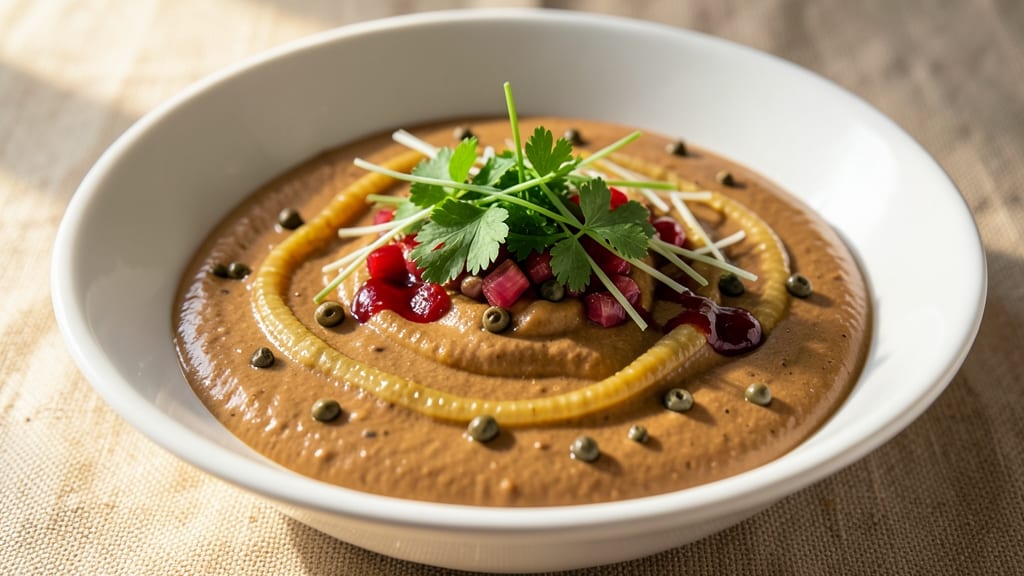
This classic remoulade sauce recipe delivers the bold, tangy Cajun kick that elevates everything from fried shrimp to po'boys. The secret lies in balancing creamy mayonnaise with sharp capers, Dijon mustard, and a touch of hot sauce—each ingredient playing its part in creating that signature remoulade depth.
I've perfected this version over years of testing, ensuring the flavors meld without overpowering the dish you're pairing it with.
The foundation of great remoulade is precision—measuring ingredients carefully and combining them in the right order. Start with the mayo base, then fold in the capers and mustard, followed by the herbs and hot sauce.
The sauce should be thick enough to cling but still smooth enough to drizzle, striking that perfect balance between richness and tang. This isn't just a sauce; it's the star of your meal.
What makes this recipe truly classic is how it transforms simple dishes into something extraordinary. Imagine crispy fried seafood coated in this sauce, or a sandwich where every bite delivers that perfect mix of spicy, tangy, and creamy.
The flavors develop even better after resting for an hour, allowing the capers to soften slightly and the spices to mingle more deeply. It's the kind of sauce that makes you want to keep making it—again and again.
Store it in an airtight container in the refrigerator for up to five days, or freeze for longer shelf life. For a vegan adaptation, simply swap the mayo for a high-quality vegan alternative—no other changes needed. Let's get started on this timeless Cajun favorite.
Ingredients for classic remoulade sauce
Nine simple ingredients transform into bold, tangy remoulade that'll make your po'boys unforgettable.
| Ingredient | Amount | Notes |
|---|---|---|
| Mayonnaise 🥛 | 1 cup | High-quality, full-fat preferred |
| Capers 🍅 | ¼ cup | Packed in brine, drained well |
| Dijon Mustard 🧄 | 2 tbsp | Fresh, not powdered |
| Hot Sauce 🌶️ | 1 tbsp | Like Crystal or Tabasco |
| Fresh Parsley 🌿 | ¼ cup | Finely chopped, stems removed |
| Fresh Chives 🌱 | 2 tbsp | Finely chopped, for brightness |
| Garlic Cloves 🧄 | 2 cloves | Minced, not powdered |
| Lemon Juice 🍋 | 1 tbsp | Freshly squeezed |
| Kosher Salt 🧂 | ½ tsp | Adjust to taste |
| Black Pepper 🌶️ | ¼ tsp | Freshly ground |
The mayo is the base, so Duke’s or Hellmann’s are my go-tos—they’re rich enough to carry the sauce without overpowering. Capers are the secret weapon here; look for the small, briny ones in jars at the grocery store. Fresh parsley and chives add that signature green pop, so grab them from the store’s produce section—they should smell vibrant, not wilted. Garlic? Freshly minced makes all the difference. I always double-check the hot sauce label too—some brands are way hotter than others, so start with a little and adjust.
No capers? Pickles or cornichons in a pinch, but drain them well. Out of Dijon? Yellow mustard works, though it’ll be a little sweeter. The lemon juice can be bottled, but fresh is brighter. For a vegan version, swap mayo for vegan mayo—just make sure it’s thick and creamy. The sauce should be thick but still drizzleable; if it’s too thin, let it sit for 10 minutes to thicken. If it’s too thick, add a splash of water or lemon juice to loosen it up.
This sauce keeps beautifully in an airtight container for 5-7 days in the fridge. For longer storage, freeze it in ice cube trays—just thaw and stir before using. The flavors actually improve after resting for an hour, so make it ahead if you can. I like to keep a jar in the fridge at all times—it’s perfect for quick sandwiches or as a dip. If you make extra, share it; it’s that good.
Why You'll Love This Recipe
- Here’s what sold me: the capers and hot sauce team up for a bright, briny punch that cuts through richness. Between us, that first bite of remoulade on grilled shrimp? It’s the kind of flavor that makes you pause mid-chew.
- Five-Ingredient Magic: I swear by this combo—mayo, capers, Dijon, hot sauce, and parsley. That’s it. No chopping mountains of veggies or simmering for hours. Just a quick whisk, and you’ve got a sauce that tastes like it belongs in a fancy restaurant.
- Tangy Kick Every Time: Here’s what sold me: the capers and hot sauce team up for a bright, briny punch that cuts through richness. Between us, that first bite of remoulade on grilled shrimp? It’s the kind of flavor that makes you pause mid-chew.
- Weeknight to Party Fix: Slather it on fish tacos for a weeknight win, or serve it with oysters at your next dinner party. Same sauce, zero extra effort. Honestly, I’ve even used it as a dip for veggies when I’m too tired to cook.
Step-by-step instructions for classic remoulade sauce
This sauce delivers that signature Cajun punch with a creamy, tangy kick—simple steps for bold flavor.
Prepare the Fresh Herbs and Aromatics
Start by finely chopping the 0.25 cup fresh parsley and 2 tbsp fresh chives—remove stems first for cleaner texture. I like to use a sharp knife and cut in small batches to keep the herbs bright and vibrant. Next, mince the 2 cloves garlic until you have a fine paste—this ensures even distribution throughout the sauce.
Fresh herbs and garlic are the foundation of remoulade's bright, herby character. If you're using dried herbs, skip this step entirely and measure them directly into the bowl later. The key here is freshness—it makes all the difference in that signature tangy aroma.
Combine the Base Ingredients
In a medium bowl, add the 1 cup mayonnaise, 2 tbsp Dijon mustard, and 1 tbsp hot sauce. Use a whisk or silicone spatula to mix these together until completely smooth. The mayonnaise should be fully incorporated with no streaks remaining.
This step builds the creamy backbone of the sauce. The Dijon mustard adds depth, while the hot sauce introduces that signature Cajun heat. I like to use a high-quality mayonnaise here—it makes the sauce richer and more stable. If your mixture looks too thick, we'll adjust it later with lemon juice.
Fold in the Capers and Seasonings
Drain the 0.25 cup capers thoroughly and pat them dry with a paper towel to remove excess moisture. Then, gently fold them into the mayonnaise mixture along with the minced garlic, 0.5 tsp kosher salt, and 0.25 tsp black pepper. Mix until everything is evenly distributed.
Capers bring that briny, tangy punch that defines remoulade. Be gentle when folding to avoid breaking them into tiny pieces—you want some texture in your sauce. The salt and pepper at this stage help balance the flavors before we add the bright citrus notes.
Finish with Lemon Juice and Adjust Consistency
Add the 1 tbsp lemon juice and mix thoroughly. The sauce should now have a bright, tangy character with a perfect balance of heat and creaminess. If the sauce is too thick, gradually add 1-2 teaspoons of water at a time until it reaches a smooth, spoonable consistency.
This is where the sauce comes together. The lemon juice brightens all the flavors and cuts through the richness of the mayonnaise. Taste as you go—you might want to adjust the salt or hot sauce to your preference. Remember, remoulade should be bold but balanced, with each component clearly present.
Rest and Serve
Cover the bowl and let the sauce rest at room temperature for 15-20 minutes. This allows all the flavors to meld together beautifully. When ready to serve, give it one final stir before spooning it over grilled shrimp, fried fish, or crispy chicken tenders.
The resting time is crucial—it lets the capers soften slightly and the flavors develop fully. Serve immediately over hot dishes to maintain that perfect texture contrast. This classic remoulade pairs beautifully with seafood, but it's also fantastic on burgers or as a dip for crispy fries.
Pro Tips For Making Classic Remoulade Sauce
- Drain and Rinse Capers: I learned this the hard way—salty capers will wreck your sauce if you don’t rinse them first. Dump them in a fine-mesh strainer, give them a quick pulse under cold water, and pat dry. That extra step keeps your remoulade balanced, not briny.
- Mix Mustard First: Don’t just dump everything in at once. Whisk the Dijon mustard into the mayo before adding capers or hot sauce. This creates a smoother base and prevents clumping—trust me, your sauce will thank you.
- Chill Before Serving: Remoulade tastes best when it’s had time to marry. Stir it together, cover it, and let it sit in the fridge for at least 30 minutes. Cold and rested = flavors that actually sing, not fight.
- Use Fresh Parsley: Dried parsley? Skip it. Fresh is the thing that matters most here—chop it fine and stir it in last. It brightens the sauce and keeps it from tasting flat. (Yes, even if you’re impatient like me.)
Regional styles of this recipe
Louisiana Cajun Roots
Remoulade sauce originated in the French-speaking regions of Louisiana, blending Creole and Cajun traditions with French influences. The name comes from the French "remuer," meaning "to stir," reflecting how this sauce is carefully folded together.
In New Orleans, it became a staple on fried seafood po'boys and shrimp dishes, where its briny, spicy kick cuts through the richness. I love how this sauce tells a story of cultural fusion—French technique, Cajun heat, and Creole herbs all coming together. 🌶️
French-Inspired Mayonnaise Base
The French connection is strongest in remoulade's mayonnaise foundation, which traces back to 18th-century French sauces like mayonnaise and aioli. Traditional versions often included anchovies or white wine vinegar, but the Cajun adaptation simplified it with hot sauce and capers.
I prefer using Duke's mayonnaise for its rich, stable texture—it stands up to the bold flavors without breaking. The French influence also explains why remoulade is often served with crusty baguettes or grilled fish.
Caribbean Creole Twist
In Caribbean Creole cuisine, remoulade gets a tropical turn with ingredients like mango chutney or pineapple juice. Some versions even include scallions and lime zest instead of lemon. The heat level often increases with habanero peppers or Scotch bonnet sauce.
I experimented with a Caribbean version once, adding 1 tbsp mango chutney and 1 tsp lime zest—it was a bright, fruity twist that worked beautifully with grilled mahi-mahi. 🌴
Texas Gulf Coast Adaptation
Along the Texas Gulf Coast, remoulade becomes a spicier, smokier sauce, often incorporating smoked paprika or chipotle powder. Some versions even use pickled jalapeños instead of capers for a Tex-Mex fusion.
I made a batch with 1 tsp smoked paprika and 1 tbsp chipotle in adobo—it added a deep, smoky backbone that paired perfectly with blackened catfish. The Texas version is bolder but maintains that creamy, tangy balance.
Modern Fusion Variations
Today's chefs are putting creative spins on remoulade, like avocado-based vegan versions or smoked remoulade with liquid smoke. One of my favorite experiments was a spicy peanut remoulade—I blended 2 tbsp peanut butter, 1 tsp sriracha, and 1 tsp soy sauce into the classic recipe.
It was a hit as a dip for fried tofu or spring rolls. The key is keeping the capers and herbs for that signature tangy brightness while letting other flavors shine. ✨
Nutrition facts
Frequently asked questions
Can I make this remoulade sauce without capers?
Yes! If you're out of capers, use 2 tablespoons finely chopped cornichons or 1 tablespoon pickles instead. For a stronger briny flavor, add ½ teaspoon fish sauce or ¼ teaspoon soy sauce. Just remember, capers give that signature tangy punch, so substitutions may slightly alter the classic taste.
How spicy should my remoulade be?
The classic version balances heat with creaminess—start with 1 tablespoon hot sauce and adjust to taste. For mild heat, reduce to ½ teaspoon or swap for lemon juice. If you love spice, add ½ teaspoon cayenne pepper or a dash of hot sauce after tasting. The key is harmony, not overwhelming heat.
Can I make remoulade ahead of time?
This sauce tastes even better after resting for 1-2 hours in the fridge. Store it in an airtight container for up to 5-7 days. For longer storage, freeze it in ice cube trays—thaw and stir before using. The flavors meld beautifully over time, making it perfect for meal prep.
What's the best way to thin remoulade if it's too thick?
If your sauce is too thick, add 1 teaspoon of water or lemon juice at a time while stirring gently. Avoid adding too much liquid at once—you want to maintain that creamy texture. For a smoother consistency, let it sit for 10 minutes before adjusting again. The goal is a spoonable, drizzle-friendly sauce.
How does vegan remoulade differ from the classic version?
Swap the mayonnaise for a high-quality vegan mayo (like Hellmann's Vegan or Just Mayo). Keep all other ingredients the same—capers, mustard, and herbs work perfectly. The texture may be slightly lighter, but the bold, tangy flavor remains. For extra richness, add 1 tablespoon vegan sour cream or avocado puree.