
Breakfast & Brunch
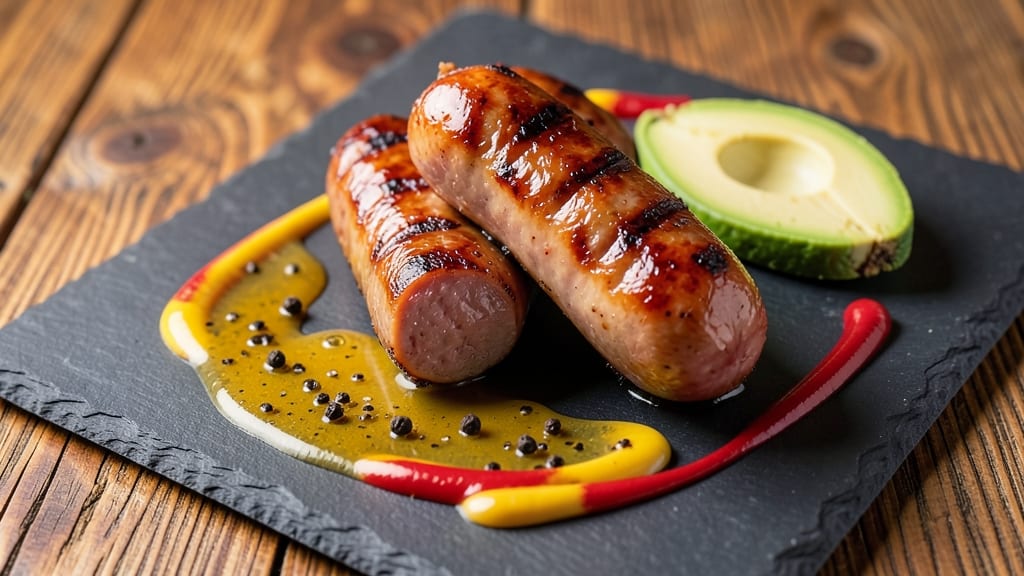
Mastering bratwurst cooking recipe means achieving that perfect balance of a crispy, golden-brown crust and juicy, flavorful centers—something that turns a simple breakfast into a standout meal. The secret lies in the right cooking method, whether you're searing in a skillet, grilling over open flames, or slow-smoking for deeper flavor.
I’ve perfected this technique over years of testing, and the results are always restaurant-quality at home.
What sets this recipe apart is the simplicity combined with precision. You’ll need just a few key ingredients—high-quality bratwurst, a hot skillet or grill, and a touch of oil to keep things from sticking.
The goal is to cook them long enough to develop that satisfying crust without drying out the inside. A quick sear in the pan locks in moisture, while the right heat ensures even cooking every time.
The outcome is bratwurst with a caramelized exterior that shatters at the slightest bite, revealing tender, juicy meat inside. Serve them with classic sides like sauerkraut, mustard, or grilled pretzels for a full brunch experience. This method guarantees results that will impress even the most skeptical breakfast lovers.
Whether you're cooking for a weekend brunch or a weeknight meal, this recipe delivers foolproof results. Let’s get started on creating bratwurst that’s worth every bite.
Ingredients for bratwurst cooking
High-quality bratwurst and precise cooking techniques transform breakfast into a restaurant-worthy dish.
| Ingredient | Amount | Notes |
|---|---|---|
| High-Quality Bratwurst 🥓 | 12 oz | Freshly made or vacuum-sealed, natural casing preferred |
| Unsalted Butter 🧈 | 2 tbsp | European-style preferred for higher smoke point |
| Avocado Oil 🫒 | 1 tbsp | High smoke point for skillet searing |
| Yellow Mustard 🍯 | 2 tbsp | Dijon or whole-grain for brunch presentation |
| Freshly Ground Black Pepper 🌶️ | ½ tsp | Coarsely cracked for visual appeal |
| Diamond Crystal Kosher Salt 🧂 | ½ tsp | Fine grain for even distribution |
| Fresh Caraway Seeds 🌿 | ¼ tsp | Toasted lightly for aromatic depth |
| Fresh Parsley 🌿 | ¼ cup | Chopped, for garnish and freshness |
| Sauerkraut 🥬 | 1 cup | Drained and rinsed for serving |
| Dark Beer 🍺 | ½ cup | Optional, for basting (like a German Dunkel) |
| Heavy Cream 🥛 | ¼ cup | For optional creamy mustard sauce |
| Cornstarch 🌾 | 1 tsp | For thickening beer reduction if used |
The bratwurst selection is non-negotiable—Johnsonville or Butcher Shop brands deliver consistent quality, but always check for natural casings and minimal additives. If buying fresh, opt for pre-cooked varieties like Thüringer or Bratwurst Wiener styles, which hold their shape better during searing. The natural casing ensures that iconic snap when biting through. For the best results, purchase from specialty butchers or Whole Foods meat counters, where you can verify freshness by the vibrant pink color and lack of graying at the cut ends. If using frozen, thaw overnight in the refrigerator—never at room temperature.
Substitutions should preserve the bratwurst's fundamental characteristics. No mustard? White wine vinegar or apple cider vinegar can add acidity, though mustard's tang is irreplaceable for that classic brunch balance. For the beer basting, dark malt vinegar or even reduced apple juice mimics the depth without alcohol. The caraway seeds are optional but essential for authenticity—if unavailable, anise seeds or fennel seeds provide a similar aromatic profile. The heavy cream in the optional sauce can be swapped for Greek yogurt for a lighter texture, though it loses some richness. Always ensure your oil has a high smoke point—avocado or refined olive oil outperforms extra-virgin in this application.
Proper storage extends the bratwurst's shelf life and maintains quality. Cooked bratwurst should be refrigerated in an airtight container for up to 4 days, though they're best enjoyed within 2 days for peak juiciness. For longer storage, freeze cooked bratwurst in a single layer before transferring to a sealed bag, where they'll keep for 3 months. The sauerkraut and mustard can be prepped ahead—store them separately in the fridge for up to 1 week. When reheating, use a skillet over medium heat with a splash of water to prevent drying. The beer reduction, if made, should be reheated gently and thickened with cornstarch slurry just before serving.
Why You'll Love This Recipe
- No-Fuss Weeknight Win: I swear by this recipe when I’m too tired to fuss. Slice those bratwurst, toss them in a pan with butter and pepper—boom—done in 15 minutes. The high-quality sausage holds up perfectly, so no one’s left waiting.
- Butter-Pepper Magic: That first sizzle of bratwurst in avocado oil? Chef’s kiss. The unsalted butter melts into a golden crust, while the fresh pepper cracks right open, releasing a punch that makes every bite sing. Yellow mustard ties it all together—tangy, rich, and impossible to resist.
- Tailgate or Tuesday: Serve it on buns with pickles for a classic burger vibe, or pile it on a sheet pan with roasted potatoes for a hands-off dinner. Honestly, I’ve even thrown it in a sandwich the next day—yes, even on a Tuesday—and no one complains.
- Budget-Friendly Leftovers: One batch feeds four, and the leftovers? They’re even better cold. Wrap them in foil, toss in the fridge, and reheat in a skillet—still juicy, still delicious. Between us, this is my go-to for feeding friends without breaking the bank.
Step-by-step instructions for skillet-sizzled bratwurst
Mastering this technique delivers perfectly browned exteriors with juicy, flavorful centers every time.
Prepare the Bratwurst for Cooking
Remove the 12 oz high-quality bratwurst from refrigeration and let them sit at room temperature for 15-20 minutes before cooking. This allows for even heat distribution and prevents cracking during searing. Pat the sausages dry with paper towels—this essential step ensures maximum browning and crispiness when they hit the skillet.
While the bratwurst warms, prepare your skillet by heating 1 tablespoon avocado oil and 2 tablespoons unsalted butter over medium-high heat until the butter begins to foam. You'll want the oil to shimmer but not smoke—this indicates the perfect temperature for creating that golden crust without burning. I like to add a pinch of the 0.25 teaspoon fresh caraway seeds to the oil as it heats, allowing their aroma to infuse the fat for added depth.
Sear the Bratwurst Until Crispy
Add the bratwurst to the skillet in a single layer, being careful not to overcrowd. Cook for 4-5 minutes per side, turning only once to maintain the integrity of the natural casing. You'll know they're ready when the surface develops a deep golden-brown crust and the internal temperature reaches 145°F when measured with an instant-read thermometer.
Here's the thing—don't rush this step. The first sear builds that irresistible crust while keeping the interior juicy. If you see any liquid pooling in the pan, tilt the skillet to pour it off occasionally. This prevents steaming, which would make the sausages soggy instead of crisp. I press down gently on the sausages during the first minute to ensure even contact with the hot surface.
Create the Sauerkraut and Beer Pan Sauce
Remove the cooked bratwurst from the skillet and set them aside on a warm plate. Reduce the heat to medium and add 1 cup sauerkraut to the same skillet, stirring to scrape up any browned bits from the bottom. Cook for 3-4 minutes until the sauerkraut softens slightly and releases its tangy juices.
Pour in 0.5 cup dark beer and bring to a gentle simmer. Let it reduce by half—about 3-4 minutes—until the liquid thickens slightly and the beer's maltiness intensifies. If you're using the optional 0.25 cup heavy cream for a richer sauce, now's the time to whisk it in. For a thicker consistency, whisk together 1 teaspoon cornstarch with 1 tablespoon cold water, then stir this slurry into the simmering mixture until it reaches your desired thickness.
Assemble and Finish with Mustard and Herbs
Return the bratwurst to the skillet and spoon the sauerkraut-beer mixture generously over and around them. Cover the skillet and let everything heat through together for 2-3 minutes—this allows the flavors to meld while keeping the sausages warm and juicy.
In a small bowl, combine 2 tablespoons yellow mustard with 0.5 teaspoon diamond crystal kosher salt and 0.5 teaspoon freshly ground black pepper. Spoon this mustard mixture over the bratwurst just before serving. Garnish each serving with 0.25 cup chopped fresh parsley for a pop of color and freshness. The mustard adds a bright contrast to the rich beer and sauerkraut flavors, while the parsley finishes the dish with a clean, aromatic note.
Pro Tips For Making Bratwurst Cooking
- CRANK THE HEAT FIRST: Bratwurst needs that initial sear to lock in flavor, so blast your pan on medium-high with avocado oil until it shimmers. I used to cook them on medium, and they’d steam instead of brown—now I get that crispy crust every time, even with high-quality sausages that don’t need extra fat.
- DON’T PIERCE THE SKIN: Stabbing bratwurst to check doneness lets the juices escape, turning them dry. Flip them once, then use a meat thermometer (160°F internal) if you’re unsure—your knife will ruin the texture otherwise.
- SALT THE BUTTER: Unsalted butter needs seasoning, and bratwurst deserves it. Toss in a pinch of salt with the butter while melting—it cuts through the richness and balances the mustard later. I learned this after eating bland butter pools that made the whole dish taste flat.
- REST THEM UNDER FOIL: Cooked bratwurst keeps cooking off the heat. Transfer them to a foil-lined plate for 5 minutes before serving—this guarantees juicy bites, not tough ends. (Yes, even if you’re impatient like me.)
Pro cooking tips for bratwurst cooking
Skillet Heat Control
The key to perfect bratwurst is mastering your skillet's heat—aim for medium-high where the oil shimmers but doesn't smoke. I use a 10-inch cast-iron skillet because it retains heat evenly and develops that prized crust.
If your pan isn't hot enough, the sausages will steam instead of sear. Test readiness by flicking a drop of water—if it sizzles immediately, you're golden. 🔥
Don't Overcrowd
Resist the urge to pile bratwurst in the pan—cook them in batches if needed. Overcrowding lowers the pan's temperature, leading to soggy results instead of crispy exteriors. I cook 2 bratwurst at a time in my skillet, giving each 4-5 minutes per side without touching them until fully browned.
This patience pays off with that satisfying crackle when you bite in.
Internal Temp Matters
Use an instant-read thermometer to check doneness—bratwurst should reach 145°F internal temperature. The casing can hide undercooked centers, so always verify with a probe. I insert the thermometer into the thickest part of the sausage, avoiding the casing itself.
If you don't have a thermometer, cut one open as a test—juices should run clear, not pink.
Beer Basting Trick
For extra flavor, deglaze the pan with ½ cup dark beer after removing the bratwurst. Let it reduce by half before spooning it back over the sausages—this creates a glossy, aromatic sauce.
I use German Dunkel beer for its malty depth, but any dark beer works. The alcohol burns off during cooking, leaving behind rich caramelized flavors that complement the mustard perfectly. 🍺
Mustard Timing
Add the mustard right before serving to prevent it from turning bitter in the heat. I mix 2 tbsp yellow mustard with ½ tsp salt and ½ tsp pepper, then spoon it generously over each bratwurst.
This final step balances the richness of the beer and sauerkraut with bright, tangy contrast. For extra flair, I drizzle a little mustard down the sides of the plate before arranging the bratwurst.
Rest Before Serving
Let the cooked bratwurst rest for 2-3 minutes after cooking to allow juices to redistribute. I place them on a warm plate and tent loosely with foil. This brief rest prevents them from falling apart when sliced or served.
It also gives everyone time to assemble their plates with sauerkraut, mustard, and fresh parsley—because presentation matters just as much as taste. ✨
Nutrition facts
Frequently asked questions
Can I cook bratwurst in the oven instead of a skillet?
Preheat your oven to 400°F and place bratwurst on a wire rack over a baking sheet. Bake for 15-20 minutes, turning halfway, until they reach 145°F internally. For extra crispiness, broil for 1-2 minutes at the end. This method works well for larger batches and keeps them juicy.
What's the best way to reheat cooked bratwurst?
Reheat in a skillet over medium heat with a splash of water for 3-4 minutes to prevent drying. Avoid the microwave—it makes them rubbery. For extra flavor, add a pat of butter and a splash of beer while reheating. Always cover the pan to trap moisture.
How do I know when bratwurst are fully cooked?
Use an instant-read thermometer—they're done at 145°F internally. If you don't have one, cut a test sausage: juices should run clear, not pink. The exterior should be deep golden-brown with a satisfying crackle. Never rely on time alone—thickness varies between brands.
Can I use regular sausages instead of bratwurst?
While you can substitute, bratwurst's unique texture and flavor profile make it ideal. For similar results, use high-quality German-style sausages with natural casings. Avoid pre-cooked sausages—they won't develop the same crispy exterior. The recipe's beer and mustard pairing works best with authentic bratwurst flavors.
How do I store leftover bratwurst?
Cool them completely, then store in an airtight container in the fridge for up to 4 days. For longer storage, freeze for 3 months. Reheat gently in a skillet with water to maintain moisture. Never freeze raw bratwurst—it changes their texture when cooked later.