
Beverages
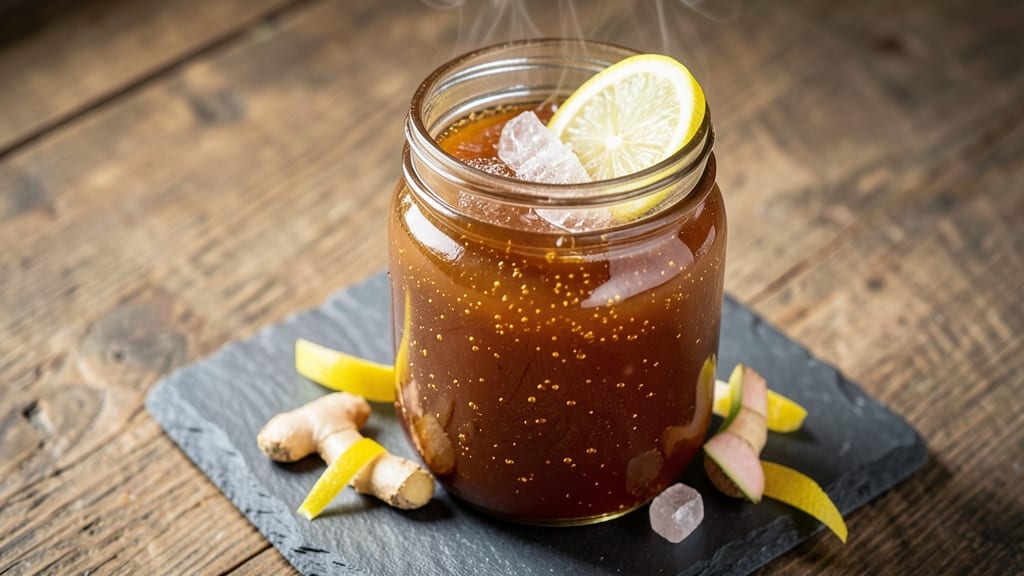
Transforming simple apple juice into probiotic-rich fermented fizz takes just seven days—and this recipe delivers restaurant-quality results at home. The process is straightforward once you understand the science behind fermentation, creating a tangy, effervescent drink packed with gut-friendly bacteria.
I’ve perfected this method over years of experimentation, ensuring safety while maximizing flavor.
At its core, this recipe relies on a symbiotic culture of bacteria and yeast (SCOBY) to ferment the juice, developing that signature tangy depth and natural carbonation. Unlike store-bought fermented drinks, this version uses organic apple juice and a live culture, preserving beneficial microbes that support digestion.
The fermentation period is critical—seven days at room temperature allows the SCOBY to work its magic while keeping the drink safe to consume.
What you’ll end up with is a crisp, lightly fizzy beverage with a bright apple flavor and subtle tartness—ideal for sipping as a refreshing alternative to soda or sparkling water. The probiotics make it a healthful addition to your routine, while the natural sweetness and effervescence keep it enjoyable.
This method also lets you customize flavors with herbs, spices, or fruit during the final days of fermentation.
Safety is paramount, so we’ll cover proper SCOBY handling, pH testing, and storage to ensure your fermented apple juice remains both delicious and safe. Let’s get started on creating your own batch of probiotic-packed fizz.
Ingredients for fermented apple juice
Seven simple ingredients transform into probiotic-packed apple fizz in just one week.
| Ingredient | Amount | Notes |
|---|---|---|
| Organic Unfiltered Apple Juice 🍎 | 4 cups | Unpasteurized, no preservatives |
| SCOBY Starter Culture 🍶 | 1 piece | Live culture from previous batch |
| Raw Organic Cane Sugar 🍚 | ¼ cup | Feeds fermentation process |
| Fresh Ginger Root 🌿 | 1 inch | OR 1 tbsp freshly grated |
| Fresh Ginger Root 🌿 | 1 tbsp | Freshly grated for flavor |
| Lemon Juice 🍋 | 2 tbsp | Freshly squeezed, acidifies mix |
| Filtered Water 💧 | 1 cup | For dilution if needed |
| Sea Salt 🧂 | ½ tsp | Non-iodized, for safety |
| Organic Vanilla Bean 🌸 | 1 piece | Split lengthwise for flavor |
| Fresh Mint Leaves 🌿 | 4 whole | For garnish and flavor |
The SCOBY is your secret weapon—grab one from a trusted source like Culture Brewing or save yours from a previous batch. Organic apple juice is non-negotiable; conventional brands often contain preservatives that inhibit fermentation. I always double-check labels for 'unpasteurized' and 'no added sugars'. For ginger, freshly grated makes all the difference—pre-minced loses potency fast. The vanilla bean adds complexity, but vanilla extract works in a pinch if you're in a hurry. Store your SCOBY in a clean glass jar with some starter liquid for future batches.
No SCOBY? Store-bought kombucha SCOBY works, but rinse it well first. Running low on ginger? Powdered ginger at half the amount gets you close, though fresh is ideal. Skip the lemon juice? White vinegar at 1 tsp provides the same acidification. The mint leaves can be swapped for fresh rosemary or basil if you prefer different flavors. Remember, fermentation is a science—if your juice tastes too sweet after 7 days, add a bit more sugar next time. Too tart? Reduce the sugar slightly.
Store your fermenting juice in a dark glass bottle away from direct sunlight to prevent mold. After opening, keep it refrigerated and consume within 3-5 days for maximum probiotic benefits. The SCOBY can be reused indefinitely—just keep it submerged in starter liquid. For long-term storage, freeze portions of the finished juice in ice cube trays. This keeps the probiotics alive for up to 3 months. Always taste before drinking—fermentation times can vary based on your climate.
Why You'll Love This Recipe
- Just Four Ingredients: I swear, this is one of those recipes where the ingredient list looks shorter than the grocery receipt. Organic apple juice, a SCOBY, a pinch of sugar, and ginger—no fancy techniques, no last-minute store runs. Honestly, if I can do it while scrolling through memes, so can you.
- Tangy-Sweet Magic: That first sip? It’s like autumn in a jar—bright apple tang with a slow-burning ginger warmth that lingers. The SCOBY adds this funky depth, but in the best way: think probiotic-packed apple cider with a grown-up twist. (Yes, even on a Tuesday night.)
- Weeknight & Party Star: Keep a batch in the fridge for when you forget to meal prep—pour it over salads, drizzle it on grilled chicken, or just sip it straight. And between us? It’s the crowd-pleaser I bring to potlucks because no one ever asks what’s in it.
- Cheaper Than Takeout: A liter costs less than a single fancy coffee drink, and it stretches for days. No waste, no guilt—just pure, fizzy goodness that tastes better than anything you’d order in. (My wallet thanks me every time.)
Step-by-step instructions for fermented apple juice
Let's transform simple ingredients into a vibrant, probiotic-rich ferment that's perfect for gut health and refreshing drinks.
Prepare the Ginger-Lemon Infusion
Begin by creating a fragrant ginger-lemon base that will infuse flavor into your ferment. Peel the 1-inch piece of fresh ginger root, then slice it thinly. In a small saucepan, combine the sliced ginger with the 1 cup of filtered water and bring to a gentle simmer over medium heat. Let it steep for 5 minutes until the water develops a golden hue and aromatic scent.
While the ginger infuses, split the organic vanilla bean lengthwise and scrape out the seeds using the back of a knife. You'll need about ½ teaspoon of seeds. Once the ginger water has steeped, remove it from heat and let it cool completely to room temperature. This infusion will add depth to your ferment while balancing the sweetness of the apple juice.
Combine Ingredients for Fermentation
In a large glass jar with an airtight lid, combine the 4 cups of organic unfiltered apple juice with the cooled ginger infusion. Add the 0.25 cup of raw organic cane sugar and stir until completely dissolved. This sugar will feed the SCOBY culture during fermentation, creating those beneficial probiotics.
Next, add the 2 tablespoons of freshly squeezed lemon juice and the 0.5 teaspoon of sea salt. Stir gently to distribute these ingredients evenly throughout the liquid. The lemon juice helps acidify the mixture, creating an environment that's perfect for SCOBY growth while preserving flavor. The salt adds complexity and prevents contamination.
Incorporate the SCOBY and Fresh Ginger
Gently place the 1 piece of SCOBY starter culture into the jar, making sure it's fully submerged beneath the liquid surface. Using a clean spoon, press it down lightly to help it settle. Add the 1 tablespoon of freshly grated ginger root and the scraped vanilla bean seeds, distributing them evenly throughout the mixture.
Cover the jar with a breathable cloth or coffee filter secured with a rubber band, then place the airtight lid loosely on top. This setup allows airflow for the SCOBY while keeping out contaminants. The vanilla bean and fresh ginger will infuse their flavors as fermentation progresses, creating a complex, aromatic profile.
Ferment at Room Temperature
Store the jar in a dark, warm place where the temperature remains consistently between 68-75°F. This ideal temperature range allows the SCOBY to thrive while developing flavor. Let it ferment for 5-7 days, checking daily for signs of activity. You'll notice bubbles forming on the SCOBY surface and along the jar sides - this indicates active fermentation.
After 4 days, taste the mixture through the cloth covering. It should develop a subtle tanginess and mild effervescence. If it's to your liking, you can proceed to the next step. If you prefer a more pronounced flavor, continue fermenting for another 1-2 days. The longer it ferments, the more complex the flavor becomes, but don't exceed 7 days or the SCOBY may over-acidify the mixture.
Finish with Fresh Mint and Bottle
Once your ferment has reached your desired flavor profile, remove the SCOBY and set it aside for your next batch. Add the 4 whole fresh mint leaves to the jar and stir gently to distribute their aroma. The mint will add a bright, refreshing note that complements the apple's natural sweetness and the ferment's tang.
Transfer the fermented apple juice to clean glass bottles, leaving about 1 inch of headspace at the top. Seal the bottles tightly and store them in the refrigerator. The cold temperature will slow fermentation, preserving the flavors and probiotics. Your fermented apple juice will continue to develop subtle complexity over the next 2-3 weeks, making it even more delicious with time.
Pro Tips For Making Fermented Apple Juice
- STIR THE GINGER: Peel and slice that ginger root into thin, even pieces—no need to dice it small. A few wide slices (about 1/8-inch thick) will infuse flavor without turning your juice into a ginger slurry, and they’re easier to fish out later.
- USE COLD JUICE: Skip pouring warm or room-temperature juice over your SCOBY—it’s a fast track to mold. Chill the apple juice in the fridge for at least 30 minutes before mixing, and keep your tools cold too. Your starter will thank you with a cleaner ferment.
- WEIGH THE SUGAR: That raw cane sugar isn’t just for sweetness—it’s fuel for the SCOBY. Use a scale for precision: aim for 1/4 cup (50g) per quart of juice. Too little, and your brew might turn vinegary; too much, and it’ll slow fermentation to a crawl.
- FLOAT THE SCOBY: Tuck that SCOBY starter into the jar after adding the ginger and sugar, then gently press it down just enough to keep it submerged. If it floats too high, it’ll dry out and weaken—like a sailor stranded on a raft. A small weight (like a clean glass) works better than forcing it.
Flavor customization for this fermented apple juice
Citrus Twist Variations
Brighten your ferment with 1 tbsp lime zest or 2 tbsp blood orange juice during the final 24 hours of fermentation. These citrus notes add a zesty contrast to the apple’s natural sweetness while enhancing the drink’s effervescence.
I’ve found that 1 tbsp grapefruit juice (added on day 5) creates a sophisticated, slightly bitter complexity that pairs beautifully with the vanilla. 🍋
Spiced Warmth Additions
For a cozy, aromatic profile, steep 2 cinnamon sticks or 4 whole cloves in the ginger infusion before adding it to the juice. Remove them after 24 hours to prevent bitterness.
Alternatively, add ½ tsp ground cardamom directly to the jar on day 3—this spice develops a warm, floral depth that complements the apple’s crispness. 🌶️
Herbal Infusions
Fresh herbs elevate this ferment beyond basic apple flavor. Try 4 sprigs of rosemary or 6 basil leaves instead of mint—they add earthy, aromatic layers that work surprisingly well. For a floral touch, add 2 dried rose petals (food-grade) during the last 48 hours of fermentation.
I’ve also experimented with 1 tsp dried lavender, but use sparingly—it can overpower if not balanced with extra sugar.
Fruit Blends
Combine ½ cup pear juice with the apple juice for a sweeter, more floral ferment. Or add ¼ cup blackberry puree on day 4 to introduce tart berry notes. For a tropical twist, blend in 2 tbsp mango puree during the final 24 hours.
The key is to adjust the sugar slightly (add 1 tbsp extra) if using fruit purees, as they contain natural sugars that affect fermentation speed. 🍓
Smoky Depth
For a unique twist, add ½ tsp smoked sea salt (like Maldon Smoked Salt) when incorporating the vanilla and ginger. Alternatively, char ½ tsp applewood chips in a dry pan, then steep them in the ginger infusion for 10 minutes before straining.
This imparts a subtle, campfire-like smokiness that pairs wonderfully with the ferment’s tang. 🔥
Sweet & Tangy Balance
Adjust the sweet-tart ratio by adding 1 tbsp honey or 1 tbsp maple syrup during the final 24 hours if you prefer less acidity. Conversely, increase the lemon juice to 3 tbsp for a sharper, more tart profile.
I’ve also found that 1 tsp apple cider vinegar (added on day 5) intensifies the ferment’s tang without overpowering the apple flavor. 🍯
Nutrition facts
Frequently asked questions
Can I use store-bought apple juice instead of organic?
Store-bought juice often contains preservatives like sulfur dioxide or pasteurization, which can inhibit fermentation. For best results, use unpasteurized, organic apple juice with no added preservatives. If you must use conventional juice, choose brands labeled "raw" or "unfiltered" and reduce sugar by 1 tablespoon since commercial juices are often sweeter.
What if my SCOBY develops mold after 3 days?
Mold appears as fuzzy spots (often black, green, or white) and is a safety risk. If you see mold, discard the entire batch immediately. To prevent this, ensure your workspace is clean, use sterilized equipment, and keep the SCOBY fully submerged. Always start with a healthy SCOBY from a trusted source.
How do I know when the fermentation is complete?
Your ferment is ready when it develops a tangy, vinegary aroma and mild carbonation (like soda). Taste through the cloth after 5-7 days—it should be pleasantly tart but not overly sour. If bubbles are vigorous and the flavor is too sharp, refrigerate immediately to slow fermentation. The SCOBY should also look plump and white.
Can I reuse the SCOBY for multiple batches?
Yes! Your SCOBY can be reused indefinitely as long as you store it properly. After removing it from the jar, place it in a clean glass container with 1 cup of starter liquid (your finished ferment) and cover loosely. Keep it at room temperature until your next batch. This preserves the live culture for future use.
What’s the best way to store finished fermented apple juice?
Transfer to dark glass bottles and refrigerate immediately to halt fermentation. Consume within 3-5 days for maximum probiotic benefits. For longer storage, freeze in ice cube trays—thaw overnight in the fridge before drinking. Avoid metal containers, as they can react with the acidity.