Breakfast & Brunch
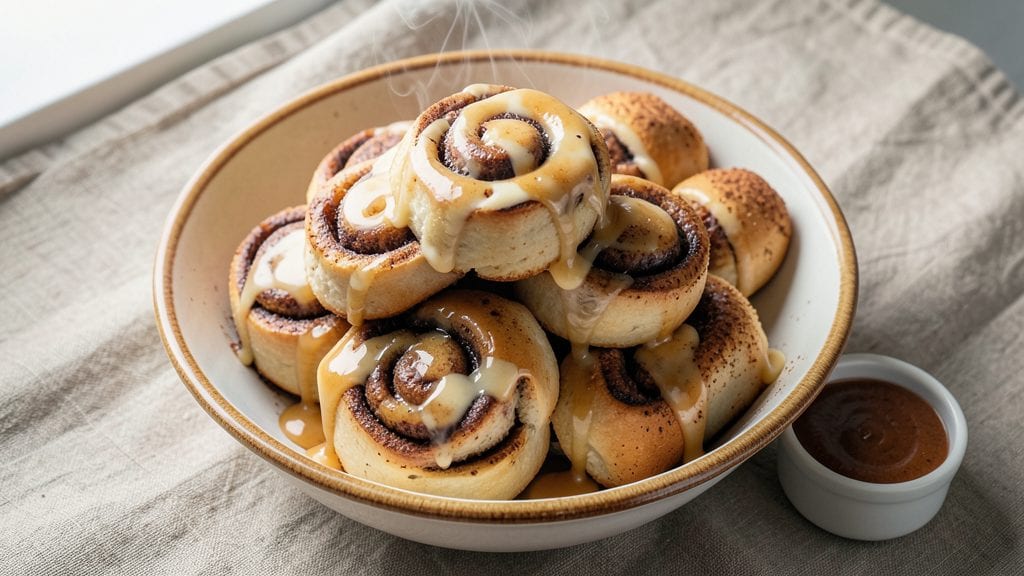
Mastering Carter's cinnamon rolls means achieving that signature pillowy dough, fragrant cinnamon-sugar filling, and velvety vanilla frosting that makes every bite worth the effort.
After years of perfecting this recipe—including the crucial step of rolling dough with a dowel for even swirls—I’ve developed a method that delivers restaurant-quality results at home. The secret lies in precise yeast activation and a slow proofing process that creates that signature tender crumb.
This recipe balances traditional techniques with modern shortcuts, so you can achieve professional-looking cinnamon rolls without spending all day in the kitchen.
Whether you're making a full pan of rolls for a brunch spread or individual servings for a special dessert, the dough's elasticity and the cinnamon butter's rich aroma will transform your kitchen into a bakery.
The key is patience—letting the dough rise properly ensures those airy, fluffy layers that melt in your mouth.
By the time you pull these golden-brown rolls from the oven, you’ll have a tray of perfectly swirled cinnamon rolls with crisp edges and a tender center, ready to be drizzled with that signature vanilla frosting.
The frosting isn’t just sweet—it’s creamy and rich, with a hint of vanilla that complements the warm cinnamon-spiced filling. Each bite delivers that perfect balance of textures and flavors that makes this dessert legendary.
Serve them warm with a dusting of powdered sugar or a scoop of vanilla ice cream for the ultimate indulgence. This recipe yields 12 individual rolls or a full 9x13-inch pan, making it perfect for holidays, brunch gatherings, or treating yourself to a homemade dessert.
Let’s get started on creating your own bakery-worthy cinnamon rolls.
Ingredients for carter's cinnamon roll
Twelve ingredients transform your kitchen into a bakery with pillowy cinnamon rolls that rival Carter's signature swirls.
| Ingredient | Amount | Notes |
|---|---|---|
| Active Dry Yeast 🍞 | 2 ¼ tsp | Freshly opened for best activation |
| Granulated Sugar 🍬 | ¼ cup | For yeast activation |
| Warm Whole Milk 🥛 | 1 ¼ cups | 110°F, not hot |
| Unsalted Butter 🧈 | ½ cup | Cold, cubed for dough |
| Large Eggs 🥚 | 2 whole | Room temperature |
| All-Purpose Flour 🌾 | 5 cups | Plus 1 tbsp for dusting |
| Diamond Crystal Kosher Salt 🧂 | 1 tsp | Fine grain preferred |
| Cinnamon-Sugar Filling 🌶️ | 1 ½ cups | Homemade blend below |
| Cream Cheese 🧀 | 4 oz | Room temperature, full-fat |
| Unsalted Butter 🧈 | ¼ cup | Melted for filling |
| Ground Cinnamon 🍃 | ½ cup | High-quality for aroma |
| Granulated Sugar 🍬 | 1 cup | For filling |
| Vanilla Bean Paste 🌿 | 1 tbsp | Or 1 tsp pure vanilla |
| Heavy Cream 🥛 | 1 cup | Cold for frosting |
| Powdered Sugar 🍬 | 3 cups | Sifted for smooth frosting |
| Wooden Dowel 🪵 | 1 whole | 1/2-inch diameter |
The yeast is non-negotiable—Bob's Red Mill active dry yeast is my go-to, but any brand works if it's fresh. Warm the milk to 110°F (like baby bath water) to activate it properly. For the butter, grab Land O'Lakes unsalted from the freezer section—it stays colder longer, perfect for cutting into the dough. The flour? King Arthur all-purpose has the protein for that signature tender crumb. Store your flour in the freezer to prevent rancidity, and let it sit at room temp before measuring. The cinnamon-sugar filling deserves the good stuff—Penzeys ground cinnamon adds depth, and use Domino sugar for consistent sweetness every time.
No cream cheese? Substitute 3 oz softened cream cheese plus 1 tbsp milk—the fat content matters for that rich filling. Running short on vanilla? Vanilla bean paste is worth the splurge, but McCormick pure vanilla extract works in a pinch. For the frosting, Land O'Lakes heavy cream whips up lighter than store brands. The powdered sugar should be sifted—clumps ruin the silky texture. Need to skip the dowel? Roll with a wooden spoon handle, but it might not be as even. The dough is sticky—don't fight it! Wet your hands if needed, but avoid overworking it after the first rise.
Dough keeps 24 hours in the fridge, wrapped tightly in plastic. The filling can be prepped 3 days ahead and stored in the fridge. For the frosting, whip it 10 minutes before serving—it thickens as it sits. These rolls reheat beautifully—350°F for 10 minutes with a damp paper towel over them restores that bakery-fresh warmth. Freeze the unbaked rolls for up to 3 months—bake straight from frozen, adding 10 minutes to the cook time. The dowel? Clean it with hot soapy water and dry thoroughly—it's your secret weapon for perfect swirls.
Why You'll Love This Recipe
- No-Knead Magic: I swear by this dough—just mix the yeast, warm milk, and butter, then let it rise while you sip coffee. No standing at the counter, no aching arms, just pure, effortless dough that actually puffs up right.
- Warm Spice Hug: That first bite of buttery dough wrapped around cinnamon-sugar? It’s like a hug from a bakery. The whole milk keeps it tender, and the butter—oh, the butter—makes every roll melt-in-your-mouth perfection.
- Breakfast or Snack: Honestly, I make these for lazy Sundays and after-school pick-me-ups. Freeze half the batch for when I’m too tired to bake, then reheat straight from frozen. Same taste, zero guilt.
- Budget Bakery Trick: Active dry yeast and pantry staples mean I’m not breaking the bank for a treat. A stick of butter and a handful of sugar stretch to feed four—or more, if we’re being real. Leftovers? They disappear faster than I can say “second helping.”
Step-by-step instructions for Carter's cinnamon rolls recipe
Let's create pillowy, golden cinnamon rolls with that perfect balance of spice and sweetness.
Prepare the Yeast and Combine Wet Ingredients
In a small bowl, dissolve the 2.25 tsp active dry yeast in the 1.25 cups warm whole milk (about 110°F) with the 0.25 cup granulated sugar. Let it sit for 5-10 minutes until frothy—this confirms your yeast is active. If it doesn't bubble, start over with fresh yeast.
In a stand mixer fitted with the dough hook, combine the yeast mixture with the 2 whole large eggs and 0.5 cup unsalted butter (cold, cubed). Mix on low speed until the butter softens and the mixture begins to come together. This step is crucial for developing gluten and creating that signature tender texture.
Incorporate Dry Ingredients and Knead the Dough
Gradually add the 5 cups all-purpose flour and 1 tsp diamond crystal kosher salt to the mixer while mixing on low speed. Increase to medium speed and knead for 5-7 minutes until the dough is smooth, elastic, and pulls away from the sides of the bowl. You'll know it's ready when it forms a windowpane—press your fingers into the dough and gently pull apart; if it stretches thin without tearing, you're good to go.
Transfer the dough to a lightly floured surface and shape it into a ball. Place it in a greased bowl, cover with a damp towel, and let it rise in a warm place for 1-2 hours or until doubled in size. This slow rise develops maximum flavor and tenderness.
Roll, Fill, and Shape the Cinnamon Rolls
Once the dough has risen, punch it down to release air and roll it out on a floured surface into a 12x18-inch rectangle (about ¼-inch thick). Spread the 1.5 cups cinnamon-sugar filling evenly over the dough, leaving a ½-inch border around the edges. This ensures your rolls stay intact during baking.
Starting from the long side, tightly roll the dough into a log using the wooden dowel as a guide. Cut the log into 12 equal pieces (about 2 inches thick) and place them cut-side up in a greased 9x13-inch baking pan. Cover with a towel and let them rise for 30-45 minutes until puffy and nearly touching each other.
Bake to Golden Perfection
Preheat your oven to 350°F while the rolls are rising. Bake the cinnamon rolls for 20-25 minutes until they're golden brown and the edges are set. The center should still look slightly soft—this ensures they stay pillowy. If the tops brown too quickly, tent with foil after 15 minutes to prevent over-browning.
While the rolls bake, prepare the frosting by beating the 4 oz cream cheese and 0.25 cup unsalted butter until smooth. Add the 3 cups powdered sugar, 1 tbsp vanilla bean paste, and 1 cup heavy cream, mixing until light and fluffy. This frosting should be thick enough to pipe but still spreadable.
Frost and Serve Warm
Once the rolls are baked, let them cool for 5 minutes before frosting. Spread or pipe the cream cheese frosting evenly over the top and sides of the rolls. The frosting should be thick enough to hold its shape but smooth enough to spread easily. For an extra touch, sprinkle with additional ground cinnamon or a dusting of powdered sugar.
Serve the cinnamon rolls warm for the ultimate experience—each bite should deliver a perfect balance of buttery dough, spiced filling, and creamy frosting. Store any leftovers in an airtight container for up to 3 days, though they rarely last that long!
Pro Tips For Making Carter'S Cinnamon Roll
- Test Milk Temp First: Stick your pinky finger in that warm whole milk—if it feels like bathwater, it’s ready. Too hot and you’ll kill the yeast faster than a microwave burrito. I learned this the hard way after a batch of flat, sad dough that looked like deflated balloons.
- Soften Butter Properly: Unsalted butter straight from the fridge? Nope. Carter’s recipe needs it just pliable—not melted, not rock-hard. Microwave in 10-second bursts, then press between two sheets of parchment to flatten. This makes rolling the dough a breeze, and your layers won’t tear like wet paper.
- Skip the Overproofing: Doubled in size? Stop there. Overproofed dough collapses like a house of cards when baked, and your cinnamon rolls will taste gummy instead of fluffy. Use a timer—yeast works faster than you think, especially in a warm kitchen.
- Brush with Egg Wash: That extra egg wash (1 egg + 1 tbsp milk) isn’t just for looks—it guarantees a golden crust and keeps rolls tender. Brush it on right after shaping, before the first rise. (Yes, even if you’re impatient like me.) Your rolls will thank you with that perfect bakery finish.
Regional styles of this dish
Southern Comfort Style
In the Deep South, cinnamon rolls often get a hearty twist with brown sugar swapped for some of the white sugar in the filling—about ¼ cup—and a splash of bourbon (just 1 tsp) in the frosting.
This adds a caramelized depth and a subtle warmth that pairs beautifully with morning coffee. I like using Muscle Shoals-style bourbon for that authentic Southern touch. 🌶️
Midwest Homestyle Twist
Midwestern bakeries often make their cinnamon rolls extra large—16x24-inch dough—and cut them into 16 thick slices for generous portions. The frosting here tends to be less sweet, using 2½ cups powdered sugar instead of 3, and sometimes includes a pinch of nutmeg for a cozy spice blend.
Serve with a scoop of vanilla bean ice cream for a true Midwest brunch classic.
Pacific Northwest Lighter Version
To keep things lighter, West Coast bakers often replace ½ cup of butter in the dough with apricot jam (about ½ cup), adding natural sweetness and moisture. The frosting gets a lemon zest kick (just 1 tsp) to cut through the richness.
This version is perfect for summer when you want something indulgent but not too heavy. 🌿
New England Maple Glaze
Up north, cinnamon rolls sometimes feature a maple glaze instead of traditional frosting. Mix ½ cup maple syrup with 1 cup powdered sugar and 1 tbsp cream cheese, then drizzle over the warm rolls.
The maple adds a subtle earthiness that balances the cinnamon perfectly. Pair with apple cider for a seasonal treat.
Texas-Style Spiced Butter
For a Texan twist, the filling gets an extra boost with 1 tsp smoked paprika and ½ tsp cayenne pepper mixed into the cinnamon-sugar blend. The frosting stays classic, but the heat from the filling makes every bite exciting. This version is especially popular during Thanksgiving brunch gatherings. 🔥
Modern Gluten-Free Adaptation
For those avoiding gluten, swap the all-purpose flour for a 1:1 gluten-free flour blend (like Bob’s Red Mill 1-to-1) and add 1 tsp xanthan gum to the dough.
The filling and frosting stay the same, but the dough will be slightly denser—bake at 325°F for 25-30 minutes to prevent over-browning. These rolls are a game-changer for dietary restrictions without sacrificing flavor. ✨
Nutrition facts
Frequently asked questions
Why does my Carter's-style dough turn out dense instead of pillowy?
The most common causes are over-kneading or skipping the proper rise time. Knead just until the dough forms a windowpane (stretches thin without tearing) and let it rise in a warm place until doubled in size—this creates those signature airy layers. Also, ensure your yeast is fresh and the milk is 110°F (not hot).
Can I make the dough the night before and bake in the morning?
Shape the dough into rolls, cover tightly with plastic wrap, and refrigerate overnight. Let them sit at room temperature for 30 minutes before baking (no need to re-rise). The cold dough bakes slower, giving you perfectly even rolls with crisp edges. Pro tip: Add 5 minutes to your bake time.
What's the secret to getting even swirls without a dowel?
Use a wooden spoon handle or rolling pin instead—just press firmly as you roll. For extra precision, chill the dough 15 minutes before rolling to firm it up. If the filling leaks, spread it ½ inch from the edges and roll tightly from the long side. A ¼-inch thick dough layer prevents cracks too.
How do I fix cinnamon rolls that didn't rise enough?
If your rolls look flat after baking, they likely didn't proof long enough. For next time, let them rise until they nearly touch each other in the pan. To salvage underproofed rolls, bake at 325°F instead of 350°F for 5-10 extra minutes—the lower heat helps them expand slightly. Spritz with water before baking to encourage browning.
Can I freeze the unbaked cinnamon rolls?
Yes! Arrange the shaped rolls in a single layer on a baking sheet, freeze until solid (1 hour), then transfer to a freezer bag. Bake straight from frozen at 350°F for 30-35 minutes, tenting with foil after 20 minutes to prevent over-browning. The frosting should go on after baking—it won't freeze well.