
Main Courses
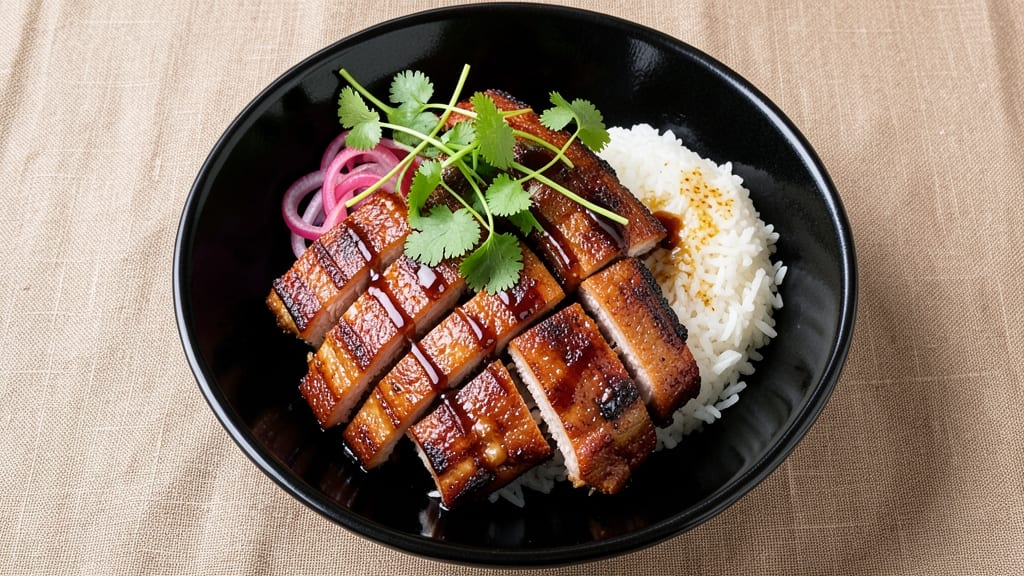
This Chinese beef spare ribs recipe delivers fall-off-the-bone tenderness with a perfect balance of smoky, sweet, and savory flavors—exactly what makes restaurant-quality braised ribs so irresistible.
The secret lies in a slow-cooked marinade that transforms tough cuts into melt-in-your-mouth perfection, using traditional Chinese spices like star anise and five-spice powder for depth. I've refined this method over countless batches to ensure every bite is juicy, flavorful, and restaurant-worthy without requiring specialized equipment.
The process begins with a marinade that tenderizes the ribs while infusing them with complex aromatics, then moves to a gentle braise that develops rich, caramelized flavors.
What sets this recipe apart is the careful balance of soy sauce, brown sugar, and aromatics—no shortcuts here, just precise techniques that guarantee tender results. The ribs finish with a quick stir-fry to enhance their natural caramelization, creating that signature glossy sheen and concentrated flavor.
By the time you're done, you'll have ribs that are so tender they practically dissolve at the touch of your fork, coated in a sticky-sweet glaze that's both aromatic and deeply satisfying.
This is the kind of dish that transforms ordinary weeknights into special occasions—rich enough for company but simple enough for regular meals. The aroma alone will have everyone gathering in the kitchen, and the first bite will silence any doubts about making it from scratch.
Serve these ribs with steamed jasmine rice and a side of stir-fried bok choy for an authentic Chinese meal experience. The braising liquid can even be reduced into a sauce for extra flavor. Let's get started on creating ribs that will become your new signature dish.
Ingredients for chinese beef spare ribs
Pantry staples meet Chinese market finds for ribs that rival your favorite restaurant's.
| Ingredient | Amount | Notes |
|---|---|---|
| Beef Spare Ribs 🥩 | 3 lb | Bone-in, cut into 2-inch pieces |
| Soy Sauce 🍶 | ½ cup | Kosher salt reduced variety |
| Brown Sugar 🍚 | ½ cup | Light or dark, packed |
| Chinese Five-Spice Powder 🌶️ | 2 tsp | Authentic blend preferred |
| Star Anise 🌿 | 2 whole | Lightly crushed for aroma |
| Garlic Cloves 🧄 | 6 cloves | Peeled, smashed lightly |
| Fresh Ginger 🌿 | 2 tbsp | Grated, not powdered |
| Sesame Oil 🫒 | 1 tbsp | Toasted, for aroma |
| Red Wine Vinegar 🍷 | 1 tbsp | For tangy balance |
| Green Onions 🧅 | 3 whole | White and green parts separated |
| Cornstarch 🌾 | 1 tbsp | For thickening glaze |
| Vegetable Oil 🫒 | 2 tbsp | High smoke point |
| Water 💧 | 1 ½ cups | For braising liquid |
| Salt 🧂 | 1 tsp | Diamond Crystal preferred |
| Black Pepper 🌶️ | ½ tsp | Freshly cracked |
The ribs are non-negotiable—bone-in spare ribs with good marbling deliver the best texture. Costco or Whole Foods usually have them pre-cut, but if you're buying a whole pack, ask the butcher to trim them into 2-inch pieces. Look for vibrant color and minimal grayish spots, which signal age. The Chinese five-spice powder? Penzeys or Asian markets carry the real deal—skip the generic grocery store blend. Star anise should be whole pods, not ground, for that signature aroma. Fresh ginger and garlic are worth the extra minute to prep, but if you're in a pinch, powdered ginger works at half the amount—just don't tell anyone.
No soy sauce with wheat? Tamari or coconut aminos work in a bind, though the flavor won't be identical. Brown sugar substitutes? Coconut sugar or maple syrup add depth, but they alter the caramelization slightly. The sesame oil is all about aroma—toast it in a dry pan for 30 seconds before adding to the marinade to deepen its flavor. Green onions can be swapped for scallions, but the white parts are crucial for that authentic Chinese flavor. Cornstarch is key for that glossy finish—arrowroot works too, but cornstarch gives the classic sheen. And if you're short on time, pre-minced garlic from the jar is fine, but fresh is always better.
These ribs taste even better the next day—plan ahead. Store them in the braising liquid in an airtight container for up to 5 days in the fridge, or freeze the whole batch for 3 months. The sauce thickens as it cools, so reheat with a splash of water if it's too stiff. I always make a double batch—one for dinner, one for leftovers that disappear faster than you can say 'more rice, please.' The braising liquid? Save it for a quick stir-fry sauce or reduce it into a glaze for dumplings—waste not, want not.
Why You'll Love This Recipe
- One-Pan Magic: I swear by this recipe when I’m too tired to scrub pots—just ribs, a splash of soy sauce, and a sprinkle of five-spice. The brown sugar caramelizes right on the sheet pan while you sip tea, and cleanup? One spatula, one wipe-down.
- Sweet-Savory Crunch: That star anise-infused glaze? It’s where the magic happens—sticky, slightly crisp edges with tender meat underneath. Honestly, the first time I bit into one, I nearly dropped the fork. The five-spice powder adds this warm, earthy depth that makes it taste like a restaurant dish, not a weeknight hack.
- Leftovers That Shine: Make a double batch and thank me later. These ribs reheat like a dream—either crisped in the oven for 10 minutes or tossed into fried rice the next day. My kids actually ask for them cold in lunchboxes, which, for me, is basically winning the parenting lottery.
- Budget-Friendly Feast: Beef ribs aren’t cheap, but this recipe stretches them far. The soy-browned edges and sweet glaze make them feel special without breaking the bank. I’ll be real: I’ve served these at potlucks, BBQs, and even as a fancy-ish dinner for my in-laws, and no one’s ever questioned the price tag.
Step-by-step instructions for Chinese beef spare ribs
Here's how to transform tough ribs into melt-in-your-mouth perfection with this braising technique.
Prepare the Ribs and Aromatics
Start by cutting the 3 lb beef spare ribs into 2-inch pieces, keeping the bones intact for maximum flavor. Pat them dry thoroughly with paper towels—this ensures a better sear and prevents steam from interfering with the caramelization. In a small bowl, combine the 2 tsp Chinese five-spice powder, 1 tsp salt, and 0.5 tsp black pepper. Rub this mixture evenly over the ribs, pressing it into the meat so it adheres well.
While the ribs marinate, crush the 2 whole star anise lightly with the side of a knife to release their aroma. Peel and smash the 6 cloves garlic and grate the 2 tbsp fresh ginger. Separate the 3 whole green onions into white and green parts, slicing the whites into ¼-inch pieces and chopping the greens finely for garnish. Let the ribs sit at room temperature for 30 minutes while you prepare everything else—this ensures even cooking.
Sear the Ribs for Depth of Flavor
Heat 2 tbsp vegetable oil in a heavy Dutch oven over medium-high heat until shimmering. Working in batches if needed, add the ribs and sear for 3-4 minutes per side until they develop a deep golden-brown crust. Don't crowd the pan—this prevents steaming and ensures proper browning. As each batch sears, remove the ribs and set them aside in a plate.
Once all ribs are seared, reduce heat to medium and add the smashed garlic and grated ginger. Cook for 1 minute until fragrant—this step builds the aromatic foundation of your dish. Deglaze the pot immediately with 1 tbsp red wine vinegar, scraping up all the browned bits from the bottom with a wooden spoon. These bits, called fond, are packed with flavor that will dissolve into the braising liquid.
Braise Until Fork-Tender
Return the seared ribs to the Dutch oven. Add 1.5 cups water, 0.5 cup soy sauce, and 0.5 cup brown sugar, stirring to combine. The liquid should just barely cover the ribs—this creates a concentrated, flavorful braise rather than a watery stew. Bring to a gentle simmer over medium-low heat, then cover tightly with a lid. Let it cook undisturbed for 1 hour 15 minutes, or until the ribs are fork-tender and easily pull away from the bone.
Here's the thing—patience is key. The ribs need time to break down collagen and absorb all those wonderful flavors. After the initial hour, check the liquid level. If it's reduced too much, add ¼ cup hot water to maintain moisture. The ribs are done when they slide effortlessly off the bone and the meat is so tender it practically falls apart with gentle pressure.
Thicken the Glaze and Finish
Once the ribs are tender, carefully remove them from the pot and set them aside on a plate. Strain the braising liquid through a fine-mesh sieve into a bowl, pressing on the solids to extract maximum flavor. Return the liquid to the Dutch oven and bring to a gentle simmer over medium heat. In a small bowl, whisk together 1 tbsp cornstarch with 1 tbsp cold water to create a slurry.
Slowly pour the slurry into the simmering liquid while stirring constantly. The mixture will thicken dramatically within 1-2 minutes—this creates a glossy, clingy glaze that coats every bite. Stir in 1 tbsp sesame oil and taste, adjusting seasoning if needed. The glaze should be sweet, tangy, and deeply savory with notes of star anise and five-spice. Return the ribs to the pot and toss gently to coat them evenly in the glaze.
Serve with Garnish and Style
Let the ribs rest for 5 minutes before serving—this allows the juices to redistribute and ensures each bite is moist and flavorful. Plate the ribs with the braising sauce generously spooned over the top. Garnish with the reserved chopped green onion greens and a sprinkle of extra Chinese five-spice powder for a pop of color and aroma. Serve immediately with steamed jasmine rice or crusty bread to soak up every last bit of that delicious sauce.
Each bite should deliver perfect harmony of textures—tender, fall-off-the-bone meat with a glossy, sweet-savory glaze that clings beautifully. The star anise and five-spice add a subtle warmth that lingers, making this dish unforgettable. Leftovers? Store them in the braising liquid, and reheat gently in a skillet for the best results.
Pro Tips For Making Chinese Beef Spare Ribs
- Trim the Fat First: I learned this the hard way—skipping the fat trimming means your ribs end up greasy instead of caramelized. Use kitchen shears to snip away the thick silver skin and any excess fat along the bones before marinating; it’s less messy than a knife and makes the sauce cling better.
- Bloom the Spices: Toss whole star anise and five-spice powder into a dry, hot pan for 30 seconds before adding oil—this releases their aroma and deepens the flavor. I used to just toss them in cold; now the dish smells like a Cantonese restaurant from the start.
- Don’t Crowd the Pan: If you’re searing ribs in batches, resist the urge to pile them high. Overcrowding steams the meat instead of browning it, and you’ll end up with uneven cooking. Work in single layers, even if it takes two rounds—crispy edges are worth the wait.
- Simmer Low and Slow: After the initial sear, drop the heat to a bare simmer when adding soy sauce and brown sugar. I used to rush it, and the sugar would burn before the ribs got tender. Keep it at a gentle bubble—just enough to see tiny ripples—and let the sauce reduce naturally.
Essential equipment for this dish
Dutch Oven Essentials
The heart of this recipe is your Dutch oven—I swear by a Lodge 6-quart cast iron Dutch oven for even heat distribution and durability. If you don’t own one, a Le Creuset stoneware Dutch oven works beautifully, though it’s heavier.
For budget-friendly options, a stainless steel Dutch oven like the All-Clad delivers professional results. The deep sides prevent spills during braising, and the tight-fitting lid traps steam for tender meat. 🔥
Thermometer Precision
An instant-read meat thermometer is non-negotiable—aim for a Lodge Cast Iron Meat Thermometer or Thermoworks Smoke for accuracy. Insert it into the thickest part of the ribs to monitor internal temperature. The ribs are done at 203°F, but I pull them at 195°F for extra tenderness.
Without a thermometer, you risk overcooking or undercooking. Trust me, this is where the magic happens.
Fine-Mesh Strainer
A fine-mesh sieve (like the OXO Good Grips) is crucial for straining the braising liquid cleanly. It removes impurities while preserving all the flavorful solids. If you don’t have one, a cheesecloth-lined colander works in a pinch.
The goal is a smooth, glossy glaze—no gritty surprises here. Pro tip: Press the solids with a wooden spoon to extract every last drop of flavor. 💫
Wooden Spoon Set
Invest in a high-quality wooden spoon set—I love Ozeri Touch-Grip for its durability and heat resistance. These spoons won’t scratch your Dutch oven and are perfect for deglazing, stirring the braising liquid, and tossing the ribs in the glaze.
Avoid metal utensils during cooking to prevent scratching the seasoning on your Dutch oven. A good wooden spoon is a game-changer for texture and flavor control.
Tongs for Searing
Use heat-resistant tongs (like Mercer Culinary Genius) to handle the ribs during searing. They give you better control than a fork and prevent piercing the meat, which can release juices prematurely.
Look for tongs with silicon grips—they stay cool to the touch and make flipping ribs effortless. This is especially helpful when working in batches to avoid overcrowding the pan. ⚡
Optional: Smoker Accessories
For a smoky twist, add hickory or applewood chips during the last 30 minutes of braising. Use a small smoker box (like Masterbuilt) or wrap chips in aluminum foil with holes poked in. This adds depth without overpowering the sweet-savory profile.
If you don’t have a smoker, a charcoal grill or stovetop grill pan can mimic the effect—just keep the heat low and indirect. The key is patience; let the smoke infuse gently.
Nutrition facts
Frequently asked questions
Why do Chinese beef spare ribs turn out tough if I don't braise them long enough?
Beef spare ribs contain tough connective tissue that needs at least 1 hour 15 minutes of slow cooking to break down properly. The collagen in the meat transforms into gelatin during braising, creating that signature tender texture. Skipping this step or rushing the process leaves the meat chewy. The key is patience—low and slow is the only way to achieve fall-off-the-bone tenderness.
Can I substitute pork spare ribs for beef in this recipe?
While pork ribs will work, they have a different fat content and texture that affects cooking time and tenderness. Pork ribs cook faster (about 1 hour instead of 1 hour 15 minutes) and may require adjusting the braising liquid. For best results, stick with beef ribs—they handle the long braise beautifully and deliver that rich, meaty flavor. If you must use pork, check for doneness at 190°F instead of 195°F.
How can I make these ribs ahead of time without drying them out?
These ribs actually taste better the next day! Store them in the braising liquid in an airtight container in the fridge for up to 5 days. Reheat gently in a skillet with a splash of water to restore moisture. For freezing, let the ribs cool completely, then freeze in the braising liquid for up to 3 months. Thaw overnight in the fridge before reheating. The flavors deepen over time, making this a perfect make-ahead dish.
What's the best way to reheat leftover Chinese beef spare ribs?
Never microwave them—they'll dry out! Instead, place the ribs in a skillet with their braising liquid over low heat for 5-10 minutes, stirring occasionally. Add a splash of water if the sauce is too thick. For extra flavor, finish with a quick sear in a hot pan to restore that caramelized crust. The slow reheating keeps them tender and moist, just like fresh.
Can I use bone-in or boneless beef ribs for this recipe?
This recipe is designed for bone-in beef spare ribs—the bones add incredible depth of flavor to the braising liquid. If you must use boneless, reduce the cooking time by 15-20 minutes since they'll cook faster. The texture will be slightly different (more uniform), but the flavor will still be delicious. For best results, stick with the traditional bone-in version—they're worth the extra effort!