
Soups & Stews
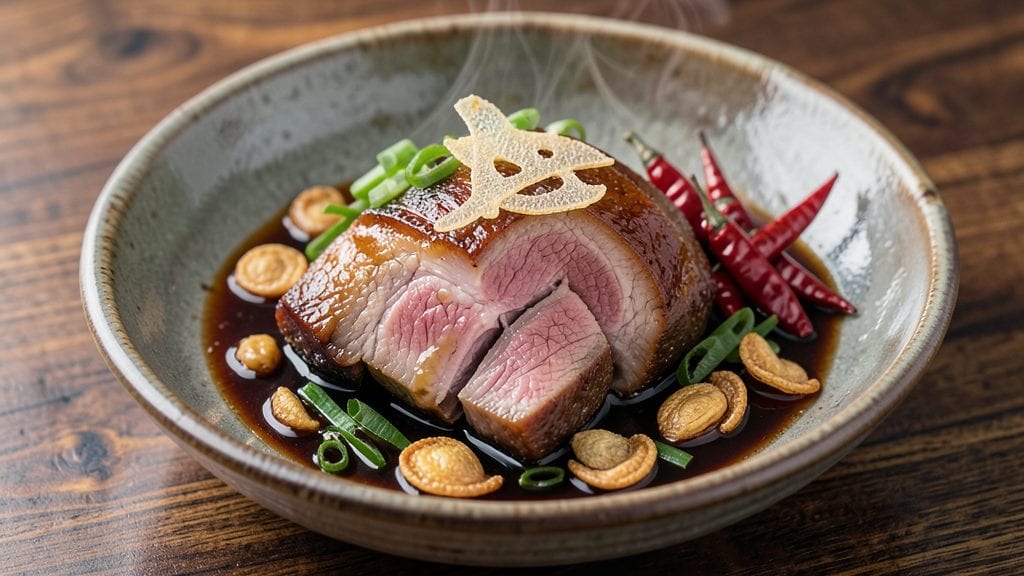
This Chinese braised beef tongue recipe transforms tough cuts into melt-in-your-mouth tenderness with a rich, soy-glazed sauce that carries deep umami flavors. The secret lies in proper preparation—soaking and boiling the tongue first removes impurities and ensures it absorbs the braising liquid perfectly.
I’ve perfected this technique over years of testing, balancing traditional methods with modern efficiency for restaurant-quality results at home.
The process begins with a thorough cleaning and boiling to tenderize the meat, followed by a slow braise in a soy-based sauce infused with aromatics like garlic, ginger, and star anky.
This method develops layers of flavor as the collagen breaks down, creating a sauce that’s both silky and deeply savory. The key is patience—low heat over several hours transforms the texture while keeping the meat juicy and the sauce rich.
What you’ll end up with is a dish that’s both elegant and comforting: tender, glossy beef tongue slices swimming in a glossy, caramelized sauce. The aroma alone will draw everyone to the table, and the first bite delivers that perfect balance of sweet, salty, and umami.
This recipe is ideal for special occasions or when you want to impress with a dish that feels luxurious yet is manageable at home.
Serve it with steamed rice or noodles to soak up every last drop of that flavorful sauce, and pair it with quick-pickled vegetables for contrast. The leftovers keep well for days, making it a practical yet impressive meal for busy weeks. Let’s get started on creating this timeless classic.
Ingredients for chinese braised beef tongue
Sixteen ingredients transform tough beef tongue into luxurious, melt-in-your-mouth bites with restaurant-quality umami sauce.
| Ingredient | Amount | Notes |
|---|---|---|
| Beef Tongue 🥩 | 3 lb | Fresh, uncooked, center-cut preferred |
| Light Soy Sauce 🍶 | 1 cup | High-quality, low-sodium preferred |
| Dark Soy Sauce 🍶 | ½ cup | For color and depth |
| Brown Sugar 🍯 | ½ cup | Packed, light or dark |
| Garlic Cloves 🧄 | 8 cloves | Peeled, smashed for infusion |
| Fresh Ginger 🌿 | ½ cup | Julienned, peeled |
| Star Anise 🌟 | 4 whole | For aromatic depth |
| Cinnamon Sticks 🌿 | 2 whole | For subtle warmth |
| Bay Leaves 🍃 | 4 whole | Fresh or dried |
| Red Wine 🍷 | ½ cup | Dry, bold variety |
| Water 💧 | 4 cups | Filtered preferred |
| Sesame Oil 🫒 | 1 tbsp | Toasted, for finishing |
| Green Onions 🧅 | ¼ cup | Sliced, for garnish |
| Salt 🧂 | 1 ½ tsp | Kosher or sea salt |
| Black Peppercorns 🌶️ | 1 tsp | Crushed, for texture |
The beef tongue is the foundation—center-cut delivers the best texture. Look for fresh, uncooked tongues at specialty butchers or Asian markets, as they’re more tender than pre-cooked options. If you can’t find center-cut, a whole tongue works, but trim excess fat. The key is thorough cleaning: soak in cold water with vinegar for 30 minutes to remove impurities before boiling. Fresh ginger and garlic from the produce section add layers of aroma, while star anise and cinnamon sticks—available at Penzeys or World Market—bring depth without overpowering. For soy sauces, Kikkoman or Pearl River Bridge brands offer reliable quality.
No light soy sauce? Dark soy sauce at half the amount works in a pinch, though the color will be deeper. Substitute brown sugar with honey or maple syrup, but reduce by one-third to account for moisture differences. Fresh ginger can be swapped for dried ginger powder at one-quarter the amount, but fresh is preferred for brightness. Star anise is non-negotiable for authenticity, but if unavailable, a pinch of anise extract (sparingly) can mimic its flavor. Red wine can be omitted entirely, replacing it with extra water and a splash of balsamic vinegar for acidity. For sesame oil, toasted is essential—untoasted will lack the nutty depth.
This dish rewards patience—braise for at least 3 hours for optimal tenderness. Store leftovers in the braising liquid for up to 5 days in the fridge, or freeze for 3 months. The sauce thickens as it cools, so reheat gently with a splash of water if needed. For serving, slice the tongue thinly against the grain, ensuring each bite is tender. Garnish with green onions and a drizzle of sesame oil just before eating to preserve freshness. The sauce can be reduced further for a glossier finish, but leave some liquid for moisture.
Why You'll Love This Recipe
- One-Pot Magic: I swear by this recipe because it’s literally hands-off after the initial prep. Simmer the beef tongue with soy sauces and garlic until it’s fork-tender—no flipping, no fussing, just rich, caramelized flavors developing on their own.
- Umami Bomb: That combo of light and dark soy sauce? It’s a flavor explosion in your mouth. The dark soy adds depth, the light keeps it bright, and the brown sugar gives it a subtle sweetness that makes every bite ridiculously satisfying—especially when the tongue gets that perfect crispy edge.
- Budget-Friendly Luxury: Beef tongue is cheaper than steak but feels like a special occasion dish. A single cut feeds four, and the ingredients? Basic pantry staples. Honestly, it’s one of those recipes where you spend less but end up feeling like you’ve treated yourself—and your wallet stays happy.
Step-by-step instructions for Chinese braised beef tongue
Master this technique for silky, deeply flavorful beef tongue with a glossy soy glaze.
Prepare and Parboil the Beef Tongue
Begin by rinsing the 3 lb beef tongue under cold water and patting it completely dry with paper towels. This step is crucial—any moisture left on the surface will prevent proper browning later. In a large stockpot, combine 4 cups water with 1.5 tsp salt and bring to a boil over high heat. Once boiling, carefully add the beef tongue and return to a rolling boil. Cook for exactly 10 minutes, then drain and rinse under cold water to stop the cooking process. This parboiling step removes impurities and begins tenderizing the meat.
After draining, place the tongue on a cutting board and use a sharp knife to score the surface in a crosshatch pattern, being careful not to cut through the meat. This creates more surface area for the marinade to penetrate and enhances texture. Set aside while you prepare the braising liquid.
Build the Aromatic Braising Liquid
In the same stockpot, add 1 cup light soy sauce, 0.5 cup dark soy sauce, 0.5 cup brown sugar, 8 cloves smashed garlic, 0.5 cup julienned fresh ginger, 4 whole star anise, 2 whole cinnamon sticks, 4 whole bay leaves, and 0.5 cup red wine. Stir to combine all ingredients, then bring the mixture to a simmer over medium-high heat. Allow it to reduce by half—about 10-12 minutes—until it thickens slightly and the aroma becomes deeply fragrant. This reduction concentrates the flavors and creates the foundation for your glaze.
I like to taste the mixture at this stage to adjust seasoning. If it needs more depth, add a pinch of salt or a splash of water to balance. The liquid should coat the back of a spoon with a rich, umami-forward consistency. Remove the pot from heat and let the aromatics steep for 5 minutes to infuse their flavors fully.
Braise the Beef Tongue Low and Slow
Return the pot to medium heat and carefully place the scored beef tongue into the braising liquid. The tongue should be completely submerged—add a splash of water if needed to cover it fully. Bring the liquid to a gentle simmer, then reduce heat to maintain a bare bubble at the surface. Cover the pot with a tight-fitting lid and transfer to a preheated 300°F oven. Braise for 2.5 hours, turning the tongue every 45 minutes to ensure even cooking and caramelization.
During this time, the collagen in the tongue will break down, transforming into gelatin that makes the meat incredibly tender. You'll notice the braising liquid gradually darken and thicken into a glossy glaze. The tongue is done when it's fork-tender and easily pulls apart with minimal resistance. If you don't have an oven, you can continue simmering on the stovetop over low heat for 3-4 hours, but oven braising yields more even results.
Finish and Serve with Garnish
Remove the beef tongue from the braising liquid and transfer it to a serving platter. Strain the braising liquid through a fine-mesh sieve to remove the aromatics, then return it to the pot. Skim off any excess fat that has risen to the surface. Stir in 1 tbsp sesame oil and simmer for 2-3 minutes to incorporate its nutty aroma. The finished sauce should be thick enough to coat the back of a spoon but still flow smoothly.
Slice the beef tongue into ½-inch thick pieces and arrange on a platter. Ladle the warm braising sauce over the top, then garnish with sliced green onions. Serve immediately with steamed jasmine rice to soak up every drop of that rich, umami-packed sauce. The contrast between the tender, gelatinous texture of the tongue and the glossy, slightly sticky glaze creates a truly satisfying dining experience.
Pro Tips For Making Chinese Braised Beef Tongue
- BLANCH BEFORE BRAISING: Toss the beef tongue in boiling water for 5–7 minutes first—this loosens the skin and collagen, so it absorbs the soy and sugar better. I skipped this once and ended up with a chewy, unyielding mess. Trust me, the extra 10 minutes now saves you frustration later.
- USE DARK SOY SAUCE SPARINGLY: Dark soy sauce adds color but can overpower the dish if you go heavy. Start with just 1 tablespoon, then adjust—you want the tongue to shine, not the sauce. My first batch looked like it was drowned in ink until I dialed it back.
- CRUSH GARLIC, DON’T CHOP: Smash those garlic cloves flat with the side of your knife before adding them. This releases more flavor without burning, and it blends into the sauce instead of sitting as chunks. (Yes, it’s messy, but so is burning garlic—pick your battle.)
- LOW AND SLOW AFTER SEALING: Once the tongue is browned and the aromatics are fragrant, drop the heat to the lowest setting and let it braise uncovered for 2+ hours. Rushing this step means tough, dry meat. I learned this after serving rubbery slices to skeptical in-laws—now they ask for seconds.
Wine and beer pairings for this chinese braised beef tongue
Red Wine Pairings
For this dish, I always reach for a dry, medium-bodied red wine with enough acidity to cut through the richness of the soy glaze.
A Chinese Cabernet Sauvignon from Ningxia or Shiraz from Australia works beautifully—their dark fruit notes and subtle spice complement the star anise and cinnamon in the braise. The tannins in these wines help cleanse your palate between bites of the tender, gelatinous meat. 🍷
Rice Wine Options
If you prefer something lighter, Shaoxing wine—a traditional Chinese rice wine—is a perfect match. It mirrors the umami depth of the soy sauce while adding a floral complexity.
Use a dry variety (not sweet) and serve it slightly chilled to highlight its crispness against the warm, caramelized flavors of the dish. I often keep a bottle of Kweichow Moutai (a stronger Chinese baijiu) on hand for sipping after the meal.
Beer Complements
A dry, slightly malty Asian lager like Sapporo or Asahi balances the dish without overpowering it. The crisp, clean finish contrasts nicely with the rich, sticky sauce.
For craft beer lovers, a wheat beer with citrus notes (like Blue Moon) adds a refreshing brightness that pairs well with the green onion garnish. Avoid heavy stouts or IPAs—they’ll clash with the delicate soy aromatics. 🍺
Non-Alcoholic Choices
For a non-alcoholic option, I recommend jasmine tea—its floral aroma enhances the dish’s complexity. Alternatively, a sparkling yuzu soda (like San Pellegrino Aranciata Rossa) provides a citrusy lift that cuts through the richness.
For something heartier, hot ginger tea with a splash of honey mirrors the ginger in the braise and soothes the palate.
Serving Temperature
Serve all beverages at room temperature for reds and whites, and slightly chilled (around 45-50°F) for beers and rice wines. The coolness helps balance the warm, umami flavors of the braised tongue.
I like to pour wine just before serving to preserve its freshness—this dish deserves a well-chosen drink to elevate the experience. ✨
Nutrition facts
Frequently asked questions
Why do I need to parboil the beef tongue before braising?
Parboiling removes impurities, blood, and surface moisture that would cloud your braising liquid. It also begins breaking down connective tissue, ensuring the meat becomes fork-tender during the long braise. Skipping this step risks a tough texture or off-flavors in the sauce.
Can I substitute beef tongue with pork or lamb?
While pork tongue works similarly, lamb tongue has a stronger flavor that may overpower the delicate soy glaze. For best results, stick with beef tongue—its neutral taste lets the aromatic braising sauce shine. If you must substitute, reduce braising time by 30 minutes as lamb cooks faster.
How do I know when the beef tongue is fully tender?
The tongue is done when it easily pulls apart with minimal resistance and a fork slides in smoothly. For a 3 lb tongue, this typically takes 2.5-3 hours in the oven. If you're unsure, slice a small piece—it should be silky, not rubbery.
What if my braising sauce turns out too thin?
Simmer the sauce uncovered for 10-15 minutes to reduce it naturally. If that's not enough, mix 1 tbsp cornstarch with 2 tbsp cold water, stir into the sauce, and cook until thickened. Avoid adding too much—you want a glossy, not gluey, consistency.
Can I make this recipe in a slow cooker?
Yes! Follow the same prep steps, then transfer everything to a slow cooker and cook on low for 6-7 hours or high for 4-5 hours. The texture will be slightly softer, but the flavors will still develop beautifully. Just check liquid levels occasionally and add water if needed.