
Sauces & Condiments
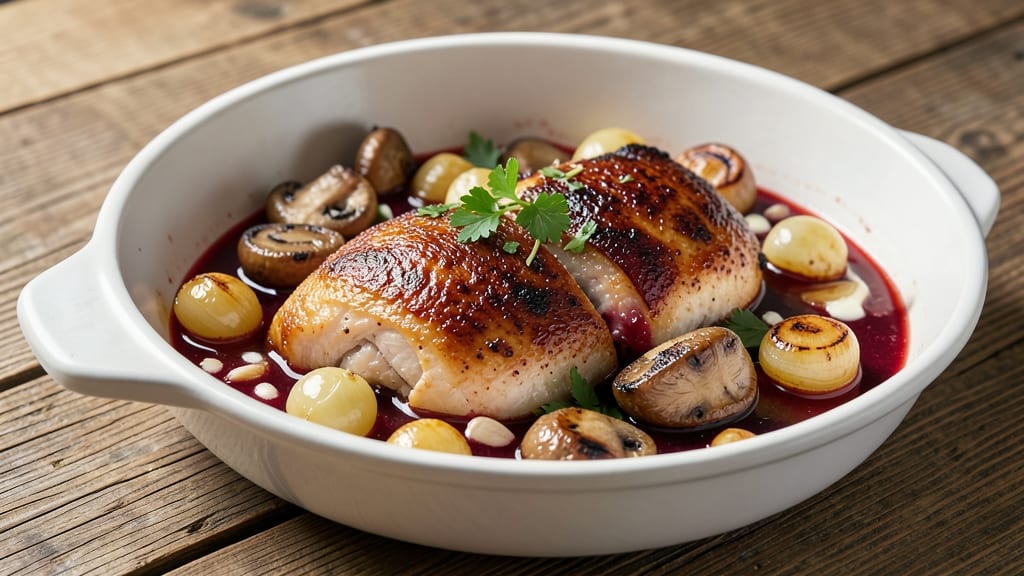
Ina Garten's coq au vin recipe transforms simple chicken thighs into a restaurant-worthy masterpiece through slow braising and rich wine reduction. The secret lies in her precise technique: browning the chicken, deglazing with red wine, then simmering until tender with mushrooms, onions, and herbs.
I've perfected this dish over years, ensuring every bite delivers deep, savory flavors without bitterness or overpowering alcohol notes.
This recipe demands patience—4 hours of slow cooking—but the result is worth every minute. The chicken becomes fork-tender, the mushrooms melt into the sauce, and the wine reduces into a velvety, aromatic liquid that coats every ingredient.
Ina's approach prioritizes quality ingredients over complex techniques, making it accessible yet impressive. The key steps include proper browning, careful deglazing, and balancing the wine's acidity with butter and cream at the end.
What you'll achieve is a dish that looks elegant on the plate and tastes even better: golden-brown chicken thighs nestled in a glossy, mushroom-infused sauce with just the right balance of tangy and rich.
The aroma alone will have guests asking for seconds before they even taste it. This is comfort food elevated to fine dining—simple enough for weeknights but sophisticated enough for company.
Serve with crusty bread to soak up every last drop of sauce or alongside buttery mashed potatoes for a complete meal. The technique scales perfectly for a crowd, making it ideal for dinner parties where you want to impress without stress. Let's get started on creating this timeless classic.
Ingredients for ina garten coq au vin
Fourteen ingredients transform into Ina Garten's legendary coq au vin masterpiece.
| Ingredient | Amount | Notes |
|---|---|---|
| Chicken Thighs 🍗 | 1 ½ lb | Bone-in, skin-on preferred |
| Red Wine 🍷 | 1 ½ cups | Dry, bold variety like Cabernet |
| Mushrooms 🍄 | 8 oz | Cremini or button, sliced |
| Yellow Onion 🧅 | 1 whole | Medium, sliced into half-moons |
| Garlic Cloves 🧄 | 4 cloves | Peeled, smashed slightly |
| Unsalted Butter 🧈 | ½ cup | Cold, cubed for browning |
| Fresh Thyme 🌿 | ¼ cup | Leaves only, chopped finely |
| Fresh Rosemary 🌿 | ¼ cup | Needles only, chopped |
| Heavy Cream 🥛 | ½ cup | Full-fat for richness |
| Chicken Stock 💧 | 1 ½ cups | Low-sodium preferred |
| All-Purpose Flour 🌾 | 2 tbsp | For thickening sauce |
| Kosher Salt 🧂 | 1 ½ tsp | Adjust to taste |
| Freshly Ground Black Pepper 🌶️ | ½ tsp | Freshly cracked preferred |
| Olive Oil 🫒 | 2 tbsp | For initial searing |
The chicken thighs are non-negotiable—bone-in, skin-on delivers the best flavor and texture. Trader Joe's or Whole Foods carry excellent cuts, but any quality grocery store will have them. Look for thighs with good marbling and vibrant color. For the red wine, Cabernet Sauvignon or Merlot work perfectly—they're bold enough to stand up to the mushrooms and herbs. If you're using a bottle you'd drink, save half for another night. The mushrooms should be firm, not slimy, and cremini or button varieties hold up best during the long braising time. Costco often has pre-sliced mushrooms in bulk, which saves time.
No red wine? Dry sherry or beef stock with a splash of balsamic works in a pinch, though the flavor will differ. Fresh thyme and rosemary can be swapped for one-third the amount of dried, but fresh is ideal here. The butter should be cold when you add it—this helps create a rich, flavorful sauce. For the flour, King Arthur or Gold Medal brands are reliable. If you're short on time, pre-minced garlic from a jar works, but fresh is always better. The chicken stock? Homemade is ideal, but low-sodium store-bought is perfectly fine.
This dish tastes even better the next day, so make it ahead if possible. Store in the fridge for up to 4 days or freeze for 3 months. The sauce thickens as it cools, so you may need to thin it with a splash of water or stock when reheating. I always portion it into individual containers for easy reheating—just pop in the microwave for 2-3 minutes. The aroma alone will have your kitchen smelling like a Parisian bistro.
Why You'll Love This Recipe
- One-Pan Magic: I swear by this recipe because it’s that kind of dish—just toss everything onto one pan, walk away for 45 minutes, and come back to golden-brown chicken thighs swimming in a sauce that tastes like it simmered all day. No chopping boards, no extra pots, no stress.
- Wine’s Secret Weapon: That red wine isn’t just for show—it’s the backbone. The acidity cuts through the richness of the chicken thighs while the mushrooms soak it up like a sponge, turning into these little umami bombs. Honestly, I’ve tried fancy versions, but this one? It’s the real deal without the pretension.
- Weeknight to Dinner Party: Between us, this is my go-to when I need to feed a crowd or impress someone special. The leftovers reheat like a dream (yes, even on a Tuesday night), and it’s got that restaurant-worthy vibe without requiring a white tablecloth. My in-laws think I’m a chef.
- Budget-Friendly Luxury: Chicken thighs are forgiving, wine is a pantry staple, and mushrooms stretch further than you’d think. I’ll be real: this recipe saved me from takeout more times than I can count. Plus, the flavor is so rich, a little goes a long way—meaning you’re not left with a fridge full of sad leftovers.
Step-by-step instructions for Ina Garten's coq au vin
This classic French dish delivers deep, wine-infused richness with tender chicken and earthy mushrooms.
Sear the Chicken Thighs Until Golden
Pat the chicken thighs dry with paper towels—this ensures a proper sear. Heat a large, heavy-bottomed skillet over medium-high heat and add the 2 tablespoons olive oil. Once shimmering, add the chicken thighs skin-side down and let them cook undisturbed for 6-8 minutes until the skin is golden brown and crispy.
The key here is patience—don't move the chicken until you see deep golden color forming. Flip the thighs and cook for another 5-6 minutes until the meat reaches an internal temperature of 165°F. Remove the chicken from the skillet and set it aside on a plate, leaving the rendered fat in the pan. This fat will form the flavor base for your sauce.
Develop the Flavor Base with Onions and Mushrooms
In the same skillet (no need to wipe it clean), reduce the heat to medium and add the cubed unsalted butter. When it melts and foams, add the sliced yellow onion and cook for 5-6 minutes until softened and translucent. Add the sliced mushrooms and cook for another 6-8 minutes until they release their moisture and begin to brown.
Here's where the magic happens: stir in the smashed garlic cloves and cook for 30 seconds until fragrant. This step builds layers of flavor that will carry through the entire dish. Season lightly with ½ teaspoon kosher salt and ¼ teaspoon freshly ground black pepper at this stage—just enough to enhance, not overpower.
Deglaze with Red Wine and Add Herbs
Pour in the 1.5 cups red wine, scraping up all the browned bits from the bottom of the pan with a wooden spoon. This deglazing step captures all the concentrated chicken flavor. Let the wine simmer for 5-6 minutes until reduced by about half, until it coats the back of a spoon and has a syrupy consistency.
Stir in the chopped fresh thyme and rosemary, adding their aromatic essence to the sauce. This is where the wine transforms from a simple liquid to the complex foundation of your coq au vin. The herbs will infuse the dish with their earthy notes, balancing the richness of the wine and butter.
Thicken the Sauce with Flour and Stock
Sprinkle the 2 tablespoons all-purpose flour over the wine mixture and stir vigorously for 1-2 minutes until fully incorporated. This creates a roux that will thicken your sauce. Gradually whisk in the 1.5 cups chicken stock, ensuring no lumps form. Return the chicken thighs to the skillet, skin-side up, and bring the mixture to a gentle simmer.
Simmer uncovered for 25-30 minutes, stirring occasionally, until the sauce has thickened to a velvety consistency. The chicken should be tender and the sauce should coat the back of a spoon. If the sauce reduces too quickly, add a splash of water or stock to maintain the proper consistency. This slow cooking process ensures the chicken becomes fork-tender while absorbing all the rich flavors.
Finish with Cream and Rest Before Serving
Reduce the heat to low and stir in the 0.5 cup heavy cream. Simmer gently for another 5 minutes, allowing the cream to meld with the wine and herb mixture. Taste and adjust seasoning with additional kosher salt and freshly ground black pepper if needed. The sauce should be rich but balanced, with the acidity of the wine cutting through the creaminess.
Remove the skillet from heat and let the coq au vin rest for 10 minutes. This resting period allows the flavors to meld completely and the sauce to thicken slightly. Serve immediately with crusty bread or over buttered egg noodles to soak up every last drop of that luxurious sauce. The dish should be warm, with tender chicken that falls apart easily and a sauce that coats each bite beautifully.
Pro Tips For Making Ina Garten Coq Au Vin
- Brown the Chicken Properly: Ina Garten’s version relies on deeply browned chicken thighs—don’t skip this. Use a heavy pot (like Dutch oven) and cook the thighs skin-side down for 8-10 minutes until the skin is crisp and golden. If your kitchen gets smoky, lower the heat slightly and give it time; rushed browning means flavorless sauce.
- Slice Onions Thinly: Thinly sliced yellow onions caramelize faster and sweeten the wine. Use a sharp knife and cut them lengthwise first, then slice into ⅛-inch strips—no need to peel them unless they’re bruised. Thick slices turn mushy and dull the dish.
- Deglaze with Wine Immediately: As soon as you remove the chicken, pour in the red wine hot and scrape the fond off the pot with a wooden spoon. Let it bubble for 2-3 minutes to cook off the alcohol—this builds the sauce’s depth. Skipping this step leaves you with a flat, watery base.
- Add Pearl Onions Last: If using pearl onions (a classic touch), toss them in the finished sauce for just 5-7 minutes—any longer and they’ll turn to mush. I learned this the hard way after serving rubbery onions that stole the show from the chicken. Keep them whole or halved, but don’t overcook.
Perfect pairings for this dish
Wine Pairing Perfection
Ina Garten's coq au vin demands a wine that mirrors its depth and complexity. A bold Cabernet Sauvignon from Napa Valley—like Robert Mondavi Reserve—complements the dish's rich, earthy flavors with its dark fruit notes and structured tannins.
The wine's acidity cuts through the creaminess, while its oak aging enhances the dish's aromatic profile. For a lighter option, try a Pinot Noir from Oregon like Domaine Serene, which offers red fruit brightness without overpowering the mushrooms and herbs. 🍷
Bread Pairings
Crusty baguette is a must for soaking up that luxurious sauce—look for a fresh loaf from Breads Bakery or your local artisan bakery. For extra indulgence, serve with garlic bread made with butter, olive oil, and fresh parsley.
If you prefer something heartier, sourdough with a chewy crust adds a delightful contrast to the tender chicken. I always slice the bread into thick pieces to handle the rich sauce without falling apart.
Vegetable Sides
Roasted haricots verts with Dijon mustard and butter provide a bright, crisp contrast to the dish's richness. Toss 1 lb haricots verts with 2 tbsp olive oil, 1 tbsp Dijon, 1 tbsp butter, and ½ tsp salt, then roast at 425°F for 12-15 minutes.
Alternatively, creamy mashed potatoes with chives and sour cream create a comforting pairing that balances the wine's acidity. For a lighter option, a simple arugula salad with lemon vinaigrette refreshes the palate between bites.
Cheese Course
Start your meal with a Brie or Camembert served with sliced baguette and apricot jam—the creamy cheese and fruity jam prepare your palate for the wine's bold flavors. For a vegetarian option, goat cheese with honey and walnuts adds a tangy contrast.
The cheese course should be light but flavorful, ensuring the coq au vin remains the star of the show. 🧀
Dessert Harmony
A classic crème brûlée with its caramelized sugar crust and vanilla custard provides the perfect sweet finish. The creamy texture and warm spices complement the meal's richness without overwhelming it.
For a lighter option, chocolate-dipped strawberries with a sprinkle of sea salt offer a refreshing contrast. Avoid overly sweet desserts—they can clash with the wine's lingering flavors.
Beverage Alternatives
If wine isn't your preference, a dark amber ale like Samuel Adams Noble Experiment pairs beautifully with the dish's depth. The malt sweetness and roasted notes mirror the caramelized flavors of the sauce.
For non-alcoholic options, sparkling grape juice with a splash of lemon provides a refreshing alternative that still complements the wine's acidity. 🍺
Nutrition facts
Frequently asked questions
Can I use white wine instead of red for this recipe?
Ina Garten's version specifically calls for red wine, but you can substitute with a dry white like Chardonnay in a pinch. The flavor will be lighter, so add 1 teaspoon of balsamic vinegar to mimic the depth of red wine. However, the classic richness comes from the bold Cabernet or Merlot used in the original.
How do I prevent the sauce from being too acidic?
The key is balancing the wine's acidity with the cream at the end. Simmer the wine reduction until it's syrupy before adding the heavy cream, which neutralizes the tang. Also, ensure your chicken stock is low-sodium to avoid overpowering the delicate flavors. Taste as you go—adding a pinch of sugar can help if needed.
Can I make this dish ahead of time?
This recipe tastes even better the next day. Store it in an airtight container in the fridge for up to 4 days or freeze for 3 months. Reheat gently on the stove with a splash of chicken stock to restore the sauce's consistency. The flavors meld beautifully overnight.
What's the best way to cook the chicken thighs?
Start by patting them completely dry and searing skin-side down until golden brown (6-8 minutes) without moving them. This creates a crispy skin that locks in moisture. Flip once and cook until the internal temperature reaches 165°F. The slow braising later will make them fork-tender.
Can I use bone-in, skinless chicken instead?
While bone-in, skin-on thighs are traditional, you can use skinless thighs if preferred. Just reduce the cooking time slightly (20-25 minutes instead of 25-30 minutes) since they'll cook faster without bones. The skin adds flavor and texture, but it's not mandatory. For extra richness, add a pat of butter to the pan when searing.