
Main Courses
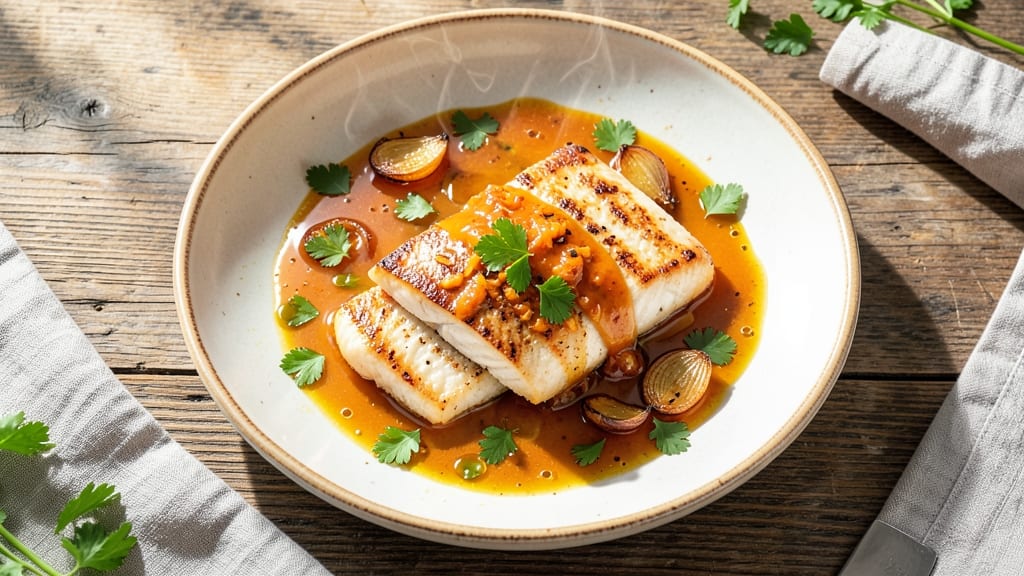
This orange white fish recipe transforms simple seafood into a restaurant-worthy centerpiece with a bright citrus butter baste that keeps the flesh perfectly flaky. The secret lies in balancing acidity and richness—zesty orange zest and melted butter create a glaze that caramelizes beautifully while preserving that delicate, melt-in-your-mouth texture.
I developed this technique after years of testing, and it consistently delivers results that impress even skeptical diners.
The method is straightforward but precise: you'll start with a dry heat sear to lock in juices, then baste with an orange-infused butter that infuses flavor without overpowering the fish.
A touch of white wine in the pan deglazes and adds depth, while fresh herbs at the end brighten the dish. The entire process takes just 20 minutes, making it perfect for weeknight dinners that feel special.
What you'll end up with is golden-brown fish with crisp edges and tender centers, topped with a glossy orange butter that's fragrant and slightly sweet. The citrus notes cut through the richness, creating a perfect balance that's both elegant and approachable.
This dish pairs beautifully with roasted asparagus or a simple green salad, but the fish truly stands on its own.
Whether you're serving this for a date night or a family meal, the citrus butter baste ensures every bite is memorable. The technique works equally well with cod, halibut, or mahi-mahi, so feel free to experiment. Let's get cooking—your dinner guests won't believe this is homemade.
Ingredients for orange white fish
Bright citrus butter and flaky fish—just 12 ingredients for restaurant-worthy dinner magic.
| Ingredient | Amount | Notes |
|---|---|---|
| White Fish Fillets 🐟 | 4 pieces | Cod, halibut, or mahi-mahi preferred |
| Unsalted Butter 🧈 | ½ cup | Cold, cubed for basting |
| Orange Zest 🍊 | 1 tbsp | From 1 large orange |
| Orange Juice 🍊 | ¼ cup | Freshly squeezed, no pulp |
| Dry White Wine 🍷 | ¼ cup | Sauvignon Blanc or Pinot Grigio |
| Extra-Virgin Olive Oil 🫒 | 1 tbsp | For searing fish |
| Fresh Parsley 🌿 | ¼ cup | Chopped, for garnish |
| Fresh Thyme 🌿 | 2 sprigs | Or 1 tsp dried thyme |
| Garlic Cloves 🧄 | 2 cloves | Minced, for butter |
| Salt 🧂 | 1 ½ tsp | Kosher or sea salt |
| Ground Black Pepper 🌶️ | ½ tsp | Freshly ground |
| Lemon Juice 🍋 | 1 tbsp | For brightness |
The fish makes or breaks this dish, so don’t skimp. Whole Foods or your local seafood counter usually have the freshest fillets—look for bright, translucent flesh with no fishy smell. Cod is foolproof, but halibut holds up better to high heat. If you can’t find fresh, frozen works too—just thaw overnight in the fridge. Pat the fillets dry before cooking; this helps them sear properly. The butter should be cold and cubed when you start—the contrast with the hot pan creates that perfect caramelized crust.
No white wine? Fish or vegetable stock with a splash of lemon juice works just as well. Fresh herbs are ideal, but dried thyme at one-third the amount gets you close. The orange zest should be vibrant—no gray or bitter spots. If you can’t find fresh thyme, Italian seasoning in a pinch. For the butter, European-style unsalted butter (like Plugrá) melts more smoothly than American brands. The lemon juice at the end is non-negotiable—it cuts through the richness and keeps the dish bright.
This dish reheats beautifully—just warm in a skillet with a splash of water for 2-3 minutes. The butter sauce thickens as it cools, so you can make it ahead and reheat gently. Store leftovers in an airtight container for up to 2 days. The citrus butter keeps for 3 days in the fridge if you make extra—just store it covered. For a crowd, double the recipe, but use a larger skillet to avoid overcrowding the fish.
Why You'll Love This Recipe
- One-Pan Magic: I swear by this recipe when I’m too tired to wash dishes. Just sear the fish, deglaze with wine, toss in the orange juice and zest—boom, done. The pan does all the work while you sip your glass of that same wine you’re cooking with.
- Bright & Bold: That citrusy punch from the orange zest and juice cuts through the richness of the butter like a breath of fresh air. It’s not just flavor—it’s a moment of sunshine on your plate, especially when the wine reduces into a glossy, tangy sauce.
- Weeknight or Dinner Party: Honestly, this recipe works for both. Serve it with crusty bread and a simple salad for a no-fuss weeknight, or dress it up with asparagus and a sprinkle of parsley for company. The same effortless method delivers every time.
- Leftover Goldmine: The sauce thickens beautifully when reheated, making leftovers taste just as good as day one. I’ve turned this into sandwiches, frittatas, or even a quick pasta the next day—because who wants to cook twice?
Step-by-step instructions for orange white fish recipe
Here's how to achieve perfectly flaky white fish with a bright citrus butter sauce that wows every time.
Prepare the Citrus Butter and Season the Fish
In a small bowl, combine the 0.5 cup unsalted butter, 1 tbsp orange zest, 2 cloves minced garlic, 1.5 tsp salt, and 0.5 tsp ground black pepper. Mix well and chill in the refrigerator until ready to use. This aromatic butter will create the signature flavor we're after.
Pat the 4 pieces white fish fillets dry with paper towels—this step is crucial for achieving crispy skin. Place them on a plate and season both sides lightly with additional salt and pepper. Let them sit at room temperature for 10 minutes before cooking, which ensures even cooking throughout.
Sear the Fish in Olive Oil
Heat a large oven-safe skillet over medium-high heat until hot. Add 1 tbsp extra-virgin olive oil and swirl to coat the bottom evenly. Lay the fish fillets in the skillet, skin-side down if they have it, and cook for 2-3 minutes until the skin is golden and crispy. You'll know it's ready when the edges lift easily from the pan.
Flip the fish carefully and cook for another 1-2 minutes on the other side. The fish should be just beginning to flake when you run a fork through it. Remove the skillet from heat and transfer the fish to a plate, leaving any accumulated juices in the pan.
Deglaze and Create the Citrus Sauce
Return the skillet to the stove over medium heat. Add the 0.25 cup dry white wine and scrape up any browned bits from the bottom of the pan with a wooden spoon. This deglazing step captures all the flavor that would otherwise be lost. Let the wine simmer for 1-2 minutes until reduced by half.
Remove the chilled citrus butter from the refrigerator and add it to the skillet. Stir continuously until the butter melts completely, about 1 minute. Then, pour in the 0.25 cup orange juice and 1 tbsp lemon juice, stirring until the sauce is smooth and glossy. The sauce should coat the back of a spoon and be bright orange in color.
Finish the Fish and Garnish
Carefully return the fish fillets to the skillet, spooning the citrus butter sauce over the top. Place the skillet under a preheated broiler for 2-3 minutes until the sauce bubbles and the fish is just opaque throughout. Watch closely to avoid overcooking—you want the fish to remain tender and flaky.
Remove from the broiler and transfer the fish to serving plates. Garnish each fillet with 0.25 cup chopped fresh parsley and 2 sprigs fresh thyme. The bright citrus sauce should glaze the fish beautifully, and the herbs will add a fresh finish. Serve immediately with crusty bread or roasted vegetables.
Pro Tips For Making Orange White Fish
- Dry the fillets first: Pat those fish fillets thoroughly with paper towels—no wet spots—before searing. I learned this the hard way when my butter turned into a sad, greasy mess instead of a glossy sauce. Wet fish = steam = no crust, just soggy disappointment.
- Use cold butter: Toss those orange zest and butter cubes into the pan before the fish hits the heat—let them melt slowly while the fish cooks. After burning three batches, I finally figured out that cold butter caramelizes better, and that citrusy butter sauce actually tastes like citrus instead of burnt butter.
- Deglaze with wine early: Pour that white wine in right after removing the fish—don’t wait for the pan to cool. The alcohol will evaporate faster, and the sauce won’t turn flat. (Yes, even if you’re impatient like me.) Just a splash of orange juice after helps balance the acidity without overpowering.
- Zest fresh, juice fresh: Skip the bottled stuff—grate the zest just before cooking and squeeze the juice right after. Bottled orange juice tastes like nothing, and pre-grated zest loses its punch. My grandmother swore by this, and she was right: the flavor difference is night and day. (Your future self will notice.)
Best sauces and condiments for this recipe
Citrus Butter Baste
The star of this dish is the orange-infused butter baste, where ½ cup cold unsalted butter (I prefer Plugrá for its smooth melt) gets infused with 1 tbsp orange zest and 2 minced garlic cloves. This aromatic butter creates a glossy, caramelized crust while keeping the fish moist.
For extra depth, add 1 tbsp lemon juice at the end to brighten the sauce. The key is to keep the butter chilled until the very last moment—this ensures it melts beautifully when spooned over the hot fish. 🍊
White Wine Deglaze
After searing the fish, I deglaze the pan with ¼ cup dry white wine (Sauvignon Blanc works best) to capture all the browned bits—this adds a rich, savory depth to the sauce. If you don’t have wine, substitute with fish stock + 1 tbsp lemon juice.
Simmer the wine until reduced by half before adding the butter—this concentrates the flavor and prevents a watery sauce. The reduction also helps thicken the sauce slightly, creating that perfect glaze. 🍷
Herb-Infused Finishing Sauce
For a fresh finish, stir 2 sprigs fresh thyme and ¼ cup chopped parsley into the sauce just before serving. The thyme adds an earthy note that balances the citrus, while the parsley brightens everything up.
If you’re short on time, 1 tsp dried thyme works, but fresh herbs always elevate the dish. For an extra touch, drizzle with a little extra-virgin olive oil to add richness and shine. 🌿
Spicy Orange Glaze
For a kick, add ½ tsp red pepper flakes to the butter mixture or a splash of chili-infused olive oil to the sauce. The heat cuts through the richness and adds complexity.
I also like adding ½ tsp smoked paprika to the butter for a subtle smoky depth. This variation works especially well with mahi-mahi, which holds up to bold flavors. 🌶️
Creamy Orange Sauce
For a richer sauce, stir 2 tbsp heavy cream into the citrus butter mixture after melting the butter. This adds a velvety texture that pairs beautifully with the flaky fish. If you prefer a lighter option, use 2 tbsp Greek yogurt instead—it adds tang without heaviness.
Both versions work well with cod or halibut, which have a more delicate flavor. 🧈
Make-Ahead Sauce
You can prepare the citrus butter sauce up to 3 days in advance and store it in an airtight container in the fridge. When ready to use, simply reheat it gently in a saucepan over low heat until melted and smooth.
This is perfect for meal prep—just sear the fish fresh and spoon the pre-made sauce over the top. The sauce thickens as it cools, so thin it with a splash of orange juice if needed. ⏰
Nutrition facts
Frequently asked questions
What's the best white fish for this orange citrus recipe?
Cod, halibut, and mahi-mahi work perfectly—they're all mild yet flaky. Cod is the most affordable and foolproof, while halibut holds up better to high heat. For extra richness, try branzino or sea bass. Avoid delicate fish like sole, which can fall apart with citrus marinades.
Can I make this without white wine?
Use ¼ cup fish stock + 1 tbsp lemon juice instead. The acidity mimics wine's brightness while adding depth. For a non-alcoholic option, dry vermouth works too. Just reduce it by half before adding the butter to concentrate the flavor.
Why does my fish turn rubbery when broiling?
Overcooking is the culprit—broil for just 2-3 minutes until the sauce bubbles, not until the fish turns opaque. The fish should flake easily with a fork. If it's rubbery, it's been overcooked. For thicker fillets, reduce broiling time to 1-2 minutes and check frequently.
How do I store leftovers?
Store the fish in an airtight container for up to 2 days in the fridge. Reheat gently in a skillet with 1 tbsp water over low heat for 2-3 minutes—never microwave. The sauce can be reheated separately and spooned over the warm fish.
What sides pair best with this dish?
Roasted asparagus with lemon zest or a simple arugula salad with orange segments complement the citrus flavors beautifully. For a heartier meal, serve with garlic mashed potatoes or crusty sourdough bread. The bright acidity of the fish balances rich sides perfectly.