
Main Courses
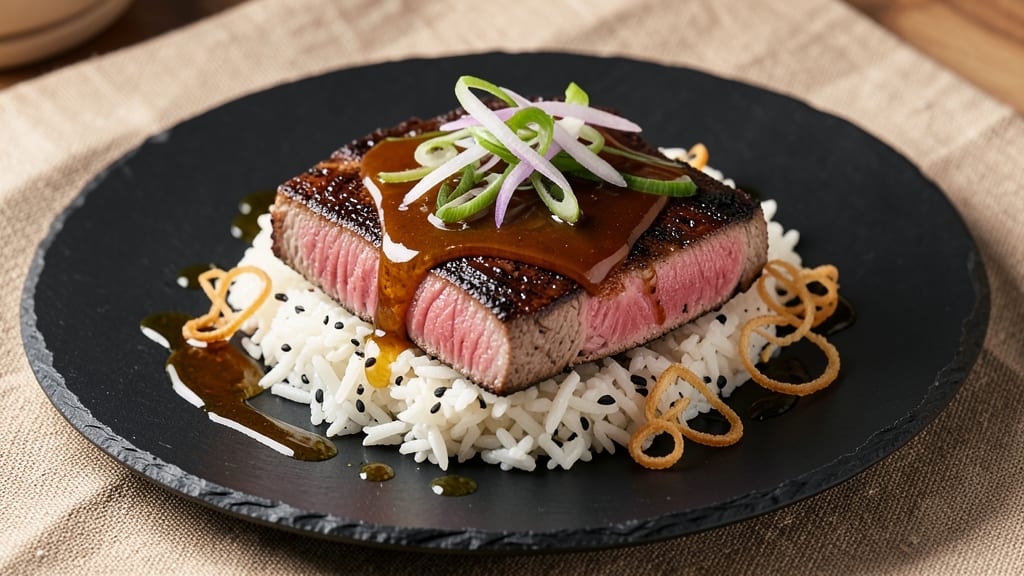
This oriental tuna steak recipe transforms simple ingredients into a restaurant-worthy dish with bold Asian flavors and a satisfying crunch. The secret lies in a precise soy-ginger marinade that tenderizes the tuna while building layers of umami and aromatic depth.
I've perfected this method over countless tests to ensure the perfect balance between seared exterior and tender interior.
What sets this recipe apart is the combination of traditional Asian flavors with modern techniques—high-heat searing creates a caramelized crust, while the soy-ginger glaze adds complexity without overpowering the tuna's natural richness.
The sesame crunch topping provides both texture and visual appeal, making this dish as impressive as it is delicious.
By following this method, you'll achieve perfectly seared tuna steaks with a glossy soy-ginger glaze and crispy sesame seeds clinging to the surface.
The dish comes together in just 20 minutes, making it ideal for weeknight dinners or special occasions when you want to impress without spending hours in the kitchen.
Pair these tuna steaks with steamed jasmine rice and quick-pickled vegetables to complete the meal. The clean, bright flavors of the sides complement the richness of the tuna beautifully, creating a balanced plate that's both satisfying and elegant.
Ingredients for oriental tuna steak
Bold Asian flavors meet restaurant-quality technique in this tuna steak masterpiece.
| Ingredient | Amount | Notes |
|---|---|---|
| Fresh Ahi Tuna Steaks 🐟 | 1 ½ lb | Center-cut, 1-inch thick slices |
| Extra-Virgin Olive Oil 🫒 | 2 tbsp | High smoke point for searing |
| Fresh Ginger Root 🌿 | 2 tbsp | Finely grated, organic preferred |
| Low-Sodium Soy Sauce 🥢 | ½ cup | Kikkoman preferred for balance |
| Rice Vinegar 🍶 | 1 tbsp | Seasoned variety enhances flavor |
| Sesame Oil 🫒 | 1 tbsp | Toasted sesame oil for aroma |
| White Sesame Seeds 🌰 | ¼ cup | Toasted until golden brown |
| Garlic Cloves 🧄 | 4 cloves | Minced, fresh preferred |
| Honey 🍯 | 1 tbsp | Wildflower for subtle floral notes |
| Diamond Crystal Kosher Salt 🧂 | 1 tsp | Fine grain for even seasoning |
| Freshly Ground Black Pepper 🌶️ | ½ tsp | Cracked peppercorns preferred |
| Jasmine Rice 🍚 | 1 ½ cups | Uncooked, long-grain preferred |
| Red Bell Pepper 🍅 | 1 whole | Thinly sliced for quick pickling |
| Carrot 🥕 | 1 whole | Julienned for crunch |
The tuna selection is critical for this dish. Ahi tuna delivers the perfect balance of tenderness and firmness when seared—avoid pre-cut portions that may have been previously frozen. For optimal quality, source from Whole Foods seafood counter or your local sushi market, where they'll cut the steaks to 1-inch thickness for even cooking. Fresh ginger should be vibrant and firm, with no soft spots; organic ginger from Trader Joe's is my go-to for consistent quality. The sesame seeds must be toasted to achieve that signature crunch—toast in a dry skillet over medium heat for 2-3 minutes until fragrant and golden, then cool completely before using.
Substitutions should preserve the dish's umami depth. If low-sodium soy sauce isn't available, reduce regular soy sauce by half and compensate with an extra teaspoon of honey. For the rice vinegar, apple cider vinegar works in a pinch, though it lacks the delicate sweetness. Sesame oil can be omitted entirely if you prefer not to use it, but the toasted sesame seeds remain essential for texture. The honey adds subtle sweetness that balances the soy's saltiness—avoid artificial honey substitutes, as they lack the floral complexity. For the quick-pickled vegetables, substitute cucumber or radish if bell pepper isn't available, but maintain the same thin slicing technique.
Proper storage maximizes this dish's potential. The tuna marinade can be prepared 1 day ahead and stored in an airtight container in the refrigerator. Toasted sesame seeds will maintain their crunch for up to 5 days when kept in a sealed container away from light. The jasmine rice should be cooked just before serving to maintain its delicate texture. For the quick-pickled vegetables, combine the vinegar, honey, and salt in a small bowl, then toss with the sliced vegetables. This mixture can be refrigerated for up to 3 days, though the vegetables will soften slightly over time. Always serve the tuna steaks immediately after searing to preserve their caramelized crust.
Why You'll Love This Recipe
- Five-Ingredient Magic: I swear by this combo—ahi tuna, ginger, and soy sauce alone do half the work. No fancy techniques, just a quick sear and a splash of vinegar for that bright finish. Honestly, my pantry already had everything except the tuna.
- Umami Bomb: The moment that crispy sear hits your plate, you’ll understand. That low-sodium soy and ginger marry so well with the tuna’s richness—it’s like a flavor explosion in your mouth. (Yes, even on a Tuesday night.)
- Lunchbox Hero: Slice the leftover steaks thin over rice or noodles, and boom—you’ve got a grab-and-go meal. Between us, I’ve packed this for work three times this month, and no one’s complained (yet).
- Budget Luxury: Fresh ahi might sound fancy, but you’re using way less than a full steak. The rest? Pantry staples. It’s the kind of dish that makes you feel like you’re dining out without the restaurant markup.
Step-by-step instructions for oriental tuna steak with soy-ginger crunch
Master this technique for restaurant-quality seared tuna with perfect balance of crispy crunch and tender interior.
Prepare the Soy-Ginger Marinade and Toast Sesame Seeds
In a small saucepan, combine the 0.5 cup low-sodium soy sauce, 1 tbsp rice vinegar, 1 tbsp honey, and 2 tbsp finely grated fresh ginger root. Bring to a gentle simmer over medium heat and reduce by half - about 5 minutes - until the mixture thickens slightly and coats the back of a spoon. This concentrated marinade will infuse the tuna with deep umami and aromatic complexity.
While the marinade reduces, dry-toast the 0.25 cup white sesame seeds in a separate skillet over low heat, stirring constantly for 3-4 minutes until they turn a rich golden brown and release their nutty aroma. Immediately transfer to a small bowl and set aside - these toasted seeds will provide the signature crunch. The key here is patience; watch closely as sesame seeds burn quickly and lose their delicate flavor.
Sear the Tuna Steaks to Perfect Medium-Rare
Pat the 1.5 lb fresh ahi tuna steaks completely dry with paper towels - moisture is the enemy of good searing. Season both sides generously with 1 tsp diamond crystal kosher salt and 0.5 tsp freshly ground black pepper. Heat a heavy skillet over high heat until it's screaming hot, then add 2 tbsp extra-virgin olive oil. When the oil shimmers, add the tuna steaks and sear for exactly 2 minutes per side for 1-inch thick steaks.
The moment of truth comes when you see the edges develop a deep golden crust while the center remains cool to the touch - this is your perfect medium-rare window. Remove the steaks and let them rest on a wire rack for 3 minutes. This resting period is crucial; it allows the juices to redistribute and prevents the tuna from overcooking as it continues to carryover heat.
Assemble the Crunchy Topping and Prepare the Garnish
In a small bowl, combine the toasted white sesame seeds with 4 cloves minced garlic cloves and 1 tbsp toasted sesame oil. This mixture will create the signature crunchy topping that balances the tender tuna. For the garnish, thinly slice the 1 whole red bell pepper and julienne the 1 whole carrot using a mandoline for even strips. Quick-pickle these vegetables by tossing with 1 tbsp rice vinegar and a pinch of salt, allowing them to sit for 10 minutes to soften slightly.
While the vegetables pickle, prepare the jasmine rice according to package instructions using 1.5 cups uncooked jasmine rice. The rice should be fluffy and separate when done - each grain should be distinct and not clumping together. This provides the perfect neutral base to showcase the vibrant flavors of the tuna preparation.
Finish the Tuna and Plate with Precision
Return the rested tuna steaks to the skillet over medium-low heat and spoon the reduced soy-ginger marinade over them, basting for 30 seconds per side. This final step enhances the flavor without overcooking the delicate fish. Immediately transfer the tuna to warm plates, spooning any accumulated juices from the pan over the top.
Artfully arrange the pickled red bell pepper and carrot julienne along one side of each plate, then sprinkle the sesame-garlic topping generously over the tuna steaks. The contrast of textures - tender tuna, crispy seeds, and crunchy vegetables - creates a harmonious bite. Serve immediately with the prepared jasmine rice to complete this elegant oriental-inspired dish.
Pro Tips For Making Oriental Tuna Steak
- PAT THE TUNA DRY: Wipe those steaks with paper towels before searing—even if they look fresh. I learned this after a batch turned out greasy instead of caramelized, and the difference is night and day. Moisture is the enemy of a good crust here.
- GRATE GINGER FINE: Use a microplane or the smallest holes on a grater—no chunky bits. I used to hack it with a knife, and it left a weird texture that didn’t dissolve into the sauce. This makes the flavor blend smoothly.
- SEAR IN BATCHES: Crowd the pan, and your tuna will steam instead of sear. Two steaks max per side, and keep the heat screaming hot. I burned the first batch trying to rush it—now I wait for the first to develop a crust before adding the second.
- MARINATE JUST 10 MINUTES: Tuna cooks fast, and soaking it longer makes it mushy. Toss it in the soy-vinegar-ginger mix for 10 minutes max, then hit the pan. I skipped this once and ended up with sad, overworked fish. Timing matters.
Regional styles of this recipe
Japanese Teppanyaki Style
For an authentic teppanyaki-inspired approach, I recommend using mirin instead of honey in the marinade—it adds that signature sweetness while keeping the glaze more fluid. Cook the tuna directly on a hot griddle pan or teppan (Japanese iron skillet) over high heat, just like they do in teppanyaki restaurants.
The key is to keep the pan screaming hot and work quickly—90 seconds per side for 1-inch thick steaks. Finish with a sprinkle of furikake seasoning (available at Mitsua Market) for that authentic Japanese touch. 🔥
Korean Bulgogi Fusion
Transform this dish into a Korean-inspired bulgogi fusion by adding 1 tbsp gochujang (Korean chili paste) and 1 tbsp brown sugar to the marinade. Thinly slice the tuna against the grain (about ¼-inch thick) and marinate for 15 minutes instead of reducing the sauce.
Sear in a cast-iron skillet until caramelized, then finish with sliced green onions and sesame seeds. Serve with ssamjang (Korean dipping sauce) for wrapping. 🌶️
Thai Green Curry Twist
Give your tuna steak a Thai-inspired makeover by adding 1 tbsp green curry paste (like Maesri) to the soy-ginger marinade, along with 2 tbsp coconut milk.
Cook the tuna as usual, then finish with a spoonful of the reduced marinade mixed with 1 tsp fish sauce and 1 tsp lime juice. Garnish with Thai basil leaves and crushed peanuts for texture. Serve over jasmine rice with a side of cucumber salad for balance. 🌿
Chinese Black Pepper Style
For a Chinese-inspired black pepper version, increase the black pepper to 1.5 tsp and add 1 tsp Shaoxing wine to the marinade.
Sear the tuna in a wok over high heat until deeply charred on the edges, then finish with a splash of light soy sauce and a sprinkle of toasted black sesame seeds. Serve with steamed bok choy and a side of scallion oil noodles for a complete Chinese feast.
The bold pepper flavor pairs beautifully with the umami-rich tuna. 💫
Vietnamese Lemongrass Crunch
Infuse this dish with Vietnamese flavors by adding 2 stalks minced lemongrass and 1 tbsp fish sauce to the marinade. After searing, finish with a drizzle of nuoc cham (Vietnamese dipping sauce) and a sprinkle of crushed peanuts instead of sesame seeds.
Garnish with cilantro leaves and thinly sliced jalapeños for heat. Serve with rice vermicelli noodles for a lighter, fresher take on the classic tuna steak. 🌶️
Nutrition facts
Frequently asked questions
Can I use frozen tuna for this oriental-inspired dish?
Fresh ahi tuna is ideal for this recipe as it delivers the best texture and flavor. However, if you must use frozen tuna, choose high-quality sushi-grade pieces that were previously frozen whole, not pre-cut. Thaw them overnight in the refrigerator, pat completely dry, and sear immediately to prevent moisture from steaming the fish instead of searing it. The result won't be as premium as fresh, but it's better than pre-thawed tuna from the grocery store.
How do I know when the tuna is cooked to medium-rare?
The perfect medium-rare tuna should have a deep golden crust on the outside while the center remains cool to the touch—almost like warm butter. For 1-inch thick steaks, sear for exactly 2 minutes per side over high heat. Use a meat thermometer if needed: the internal temperature should reach 125°F for medium-rare. Overcooking tuna makes it dry and rubbery, so resist the urge to check too early!
Can I make this recipe without sesame seeds?
Yes, but you'll lose the signature crunch that balances the dish. For a substitute, try crushed peanuts or pumpkin seeds toasted until golden. If you prefer a seed-free option, focus on other textures like quick-pickled vegetables or a drizzle of toasted sesame oil. The dish will still be delicious, but the contrast of textures will be less dramatic. Toasted black sesame seeds also work well for a different flavor profile.
What's the best way to store leftovers?
This dish tastes best fresh, but if you have leftovers, store the tuna steaks separately from the rice and pickled vegetables. Keep the tuna in an airtight container in the refrigerator for up to 24 hours, then reheat gently in a skillet over low heat for 30 seconds per side to restore the crust. The pickled vegetables can be refrigerated for 3 days, and the rice for 2 days. For longer storage, freeze the tuna (without the sesame topping) for up to 1 month.
How can I adjust this recipe for spicier flavors?
For added heat, stir 1 tsp gochugaru (Korean chili flakes) or ½ tsp sriracha into the soy-ginger marinade before reducing. For a smoky kick, add ½ tsp smoked paprika to the sesame-garlic topping. If you love spicy dipping sauces, serve with a side of sriracha mayo or gochujang sauce. Start with small amounts—tuna absorbs flavors quickly, and you can always add more!