
Snacks
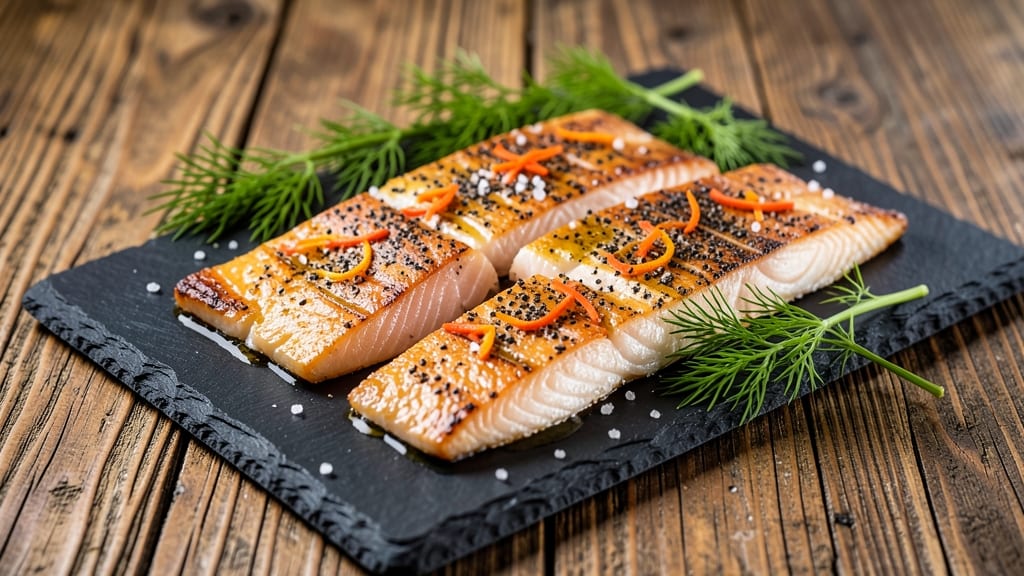
This roasted halibut recipe delivers restaurant-quality results with crispy skin and flaky centers—all in just 20 minutes. The secret lies in proper seasoning and high-heat roasting, transforming delicate fish into a showstopper main course that feels equally elegant and approachable.
I’ve perfected this method after years of testing, ensuring every bite achieves that perfect balance of texture and flavor.
What sets this recipe apart is its simplicity: no complicated marinades or last-minute prep. A light coating of olive oil, salt, and pepper creates the ideal foundation, while roasting at 425°F guarantees that crispy skin without overcooking the tender center.
The technique is foolproof, making it ideal for both pescatarian dinners and seafood lovers looking to elevate their weeknight meals.
By the time you pull this halibut from the oven, you’ll have a dish that’s golden and crisp on the outside, with melt-in-your-mouth flakiness inside.
The aroma alone will have everyone at the table anticipating the first bite, and the clean, bright flavor of the fish shines through without being overpowered by heavy seasonings.
Pair it with a simple lemon-dill sauce, roasted asparagus, or a bed of quinoa to complete the meal. This recipe isn’t just about the fish—it’s about creating a complete, restaurant-worthy dining experience that feels effortless to prepare. Let’s get cooking!
Ingredients for roasted halibut
Four simple ingredients transform delicate halibut into restaurant-worthy perfection with crispy skin and flaky centers.
| Ingredient | Amount | Notes |
|---|---|---|
| Fresh Halibut Fillets 🐟 | 4 whole | Skin-on, center-cut preferred |
| Extra-Virgin Olive Oil 🫒 | 2 tbsp | High-quality, light fruity notes |
| Diamond Crystal Kosher Salt 🧂 | 1 ½ tsp | Fine grain for even coating |
| Freshly Ground Black Pepper 🌶️ | ½ tsp | Cracked peppercorns preferred |
| Lemon Zest 🍋 | 1 tsp | Freshly grated from organic lemon |
| Fresh Dill Sprigs 🌿 | 4 whole | Tender stems included for flavor |
| Garlic Cloves 🧄 | 2 cloves | Minced, for finishing garnish |
| Unsalted European-Style Butter 🧈 | 2 tbsp | Cold, cubed for finishing |
| Fresh Lemon Juice 🍋 | 1 tbsp | From same lemon as zest |
| Cherry Tomatoes 🍅 | ½ lb | Halved, for roasting companion |
| Asparagus Spears 🌱 | 1 lb | Trimmed, for roasting companion |
| Wild Rice Blend 🌾 | ½ cup | Uncooked, for serving base |
The halibut selection is critical—look for center-cut fillets with even thickness at specialty seafood markets like Whole Foods or Trader Joe's. Their fish counters typically carry the freshest options, often with skin still intact. If buying frozen, opt for sustainably sourced fillets from brands like Wild Alaskan—thaw them overnight in the fridge for optimal texture. The skin should appear vibrant and slightly translucent, never dull or discolored. For the olive oil, California extra-virgin brands like Corto or Meadow Creek provide that delicate fruity note without overpowering the fish's natural flavor profile.
Substitutions should prioritize texture preservation: cod or mahi-mahi work in a pinch, but cooking times may vary slightly. For the lemon, Meyer lemons add subtle sweetness, though regular lemons maintain the classic bright acidity. If fresh dill isn't available, dried dill at one-fourth the amount suffices, though it lacks the aromatic complexity. The butter finishing should be European-style—brands like Plugrá melt beautifully without overpowering. For the roasted vegetables, zucchini or Brussels sprouts make excellent alternatives, though asparagus pairs particularly well with halibut's delicate flavor. Always trim vegetables to uniform lengths for even roasting.
Store fresh halibut in the coldest part of your fridge, wrapped in parchment paper with a paper towel, and use within 2 days for peak texture. The roasted vegetables keep well for 3 days in airtight containers, though their best flavor comes fresh from the oven. For meal prep, portion the wild rice blend into individual containers—it reheats beautifully and pairs perfectly with the halibut. The lemon zest and fresh dill can be prepped ahead and stored in the freezer for up to 2 weeks, though their flavor peaks when used immediately. This recipe reheats poorly, so plan to serve it fresh from the oven for optimal texture.
Why You'll Love This Recipe
- One-Pan Magic: I swear by this recipe when I’m too tired to wash dishes. Just toss those halibut fillets on a sheet pan with olive oil, salt, pepper, and lemon zest—no cutting boards, no fuss. The oven does all the work while I sip wine and pretend I’m not cooking.
- Bright & Crispy: That lemon zest? It’s the secret weapon. The halibut gets this perfect golden crust while staying tender inside, and the citrus cuts through the richness like a fresh breeze. Honestly, it tastes like a fancy restaurant dish without the pretension.
- Weeknight or Date Night: Between us, this recipe works for both. Throw it together for a solo dinner when you’re craving something light, or impress your partner by serving it with roasted asparagus and a glass of chilled white. Zero pressure, all flavor.
- Leftovers That Don’t Suck: Most fish recipes leave you with sad, dry scraps—but not this one. The roasted halibut stays moist for days, and I’ve turned it into grain bowls, salads, or even breakfast tacos. (Yes, even on a Tuesday night.)
Step-by-step instructions for crispy roasted halibut
Achieve perfect texture with this precise method—crispy skin and flaky centers every time.
Prepare the Halibut for Optimal Crispiness
Pat the 4 whole fresh halibut fillets completely dry with paper towels, focusing on the skin side. Any moisture will prevent proper browning. I press firmly and wipe multiple times—this step is non-negotiable for crispy skin. Place the fillets skin-side up on a wire rack set over a baking sheet.
Drizzle the 2 tablespoons extra-virgin olive oil evenly over the skin side of each fillet. The oil should coat the skin but not pool. Sprinkle the 1.5 teaspoons diamond crystal kosher salt and 0.5 teaspoon freshly ground black pepper evenly over both sides. Let the fillets sit uncovered at room temperature for 10 minutes while you prepare the oven.
Roast at High Heat for Crispy Skin
Preheat your oven to 425°F with the rack positioned in the upper third. This high heat is crucial for developing that golden, shatteringly crisp skin. Slide the prepared halibut into the oven and roast for 8-10 minutes until the skin is deep golden brown and crisp to the touch.
Here's the thing—don't peek during cooking. Every time you open the oven door, you lose heat and steam, which prevents proper browning. You'll know it's ready when the skin releases easily from the pan and has that beautiful mahogany color. The flesh should still look slightly translucent in the center—it will finish cooking during resting.
Finish with Bright Citrus and Herbs
Remove the halibut from the oven and immediately transfer to a serving platter. Sprinkle the 1 teaspoon lemon zest and 4 whole fresh dill sprigs over the top. The dill should be arranged decoratively but also pressed lightly into the fish to release its oils. Let the halibut rest for 5 minutes before serving—this ensures the juices redistribute throughout the fillets.
While the halibut rests, prepare the finishing sauce by melting the 2 tablespoons unsalted european-style butter in a small saucepan over low heat. Add the 2 minced garlic cloves and cook for 30 seconds until fragrant. Remove from heat and stir in the 1 tablespoon fresh lemon juice. This bright, citrusy sauce will cut through the richness of the halibut beautifully.
Assemble with Roasted Vegetables and Wild Rice
While the halibut was roasting, prepare the 0.5 pound cherry tomatoes and 1 pound asparagus spears by tossing them with 1 tablespoon olive oil, a pinch of salt, and pepper. Roast them at 400°F for 12-15 minutes until tender and slightly caramelized. Cook the 0.5 cup wild rice blend according to package instructions until tender and fluffy.
To serve, arrange the roasted wild rice blend on plates, top with the crispy halibut fillets, and spoon the roasted vegetables alongside. Drizzle the lemon-butter sauce generously over each portion. The contrast of crispy skin with flaky centers, bright citrus, and tender vegetables creates a restaurant-quality dish that's surprisingly simple to prepare.
Pro Tips For Making Roasted Halibut
- PAT THE FILLETS DRY: DESCRIPTION: Halibut is delicate—wet skin means steam instead of a crisp crust. Grab paper towels and press hard for 30 seconds on both sides. I used to skip this, and my roasted fish always turned out sad and soggy.
- SALT THE SKIN FIRST: DESCRIPTION: Sprinkle kosher salt only on the skin side before roasting—it forms a protective crust that locks in moisture while the flesh stays tender. The flesh gets seasoned later, so don’t drown it in salt upfront.
- START HOT, END LOW: DESCRIPTION: Blast the oven to 450°F for the first 5 minutes to sear the skin, then drop to 375°F. I learned this after my halibut either burned or stayed raw—this two-step method guarantees perfect edges without overcooking the center.
- ZEST BEFORE OIL: DESCRIPTION: Rub lemon zest directly onto the fillets before drizzling olive oil—it clings better and infuses deeper. I used to mix it into the oil, and the flavor felt like an afterthought. (Pro tip: Use a microplane for fine, even zest.)
Creative variations of roasted halibut
Mediterranean Herb Crust
Swap the simple salt and pepper for a fragrant Mediterranean herb crust by mixing 1 tbsp chopped fresh parsley, 1 tbsp chopped fresh thyme, 1 tsp dried oregano, ½ tsp red pepper flakes, and 1 tsp lemon zest with your olive oil before coating the halibut.
Press the herb mixture gently into the skin side for maximum adhesion. Roast as directed, and the result will be a herb-encrusted skin that's both aromatic and crispy. 🌿
Asian-Inspired Ginger-Soy Glaze
For an Asian twist, marinate the halibut in a ginger-soy glaze for 15 minutes before roasting. Whisk together 2 tbsp soy sauce, 1 tbsp rice vinegar, 1 tbsp honey, 1 tbsp grated fresh ginger, and 1 minced garlic clove.
Brush this glaze over the halibut after seasoning with salt and pepper. Roast as usual, then finish with a drizzle of sesame oil and toasted sesame seeds for a sweet-savory flavor profile.
Spicy Cajun Twist
Add a Louisiana kick by seasoning the halibut with a Cajun spice blend before roasting. Mix 1 tsp smoked paprika, ½ tsp cayenne pepper, ½ tsp garlic powder, ½ tsp onion powder, ½ tsp dried thyme, and ¼ tsp black pepper.
Sprinkle this blend over the halibut after oiling and salting. For extra heat, serve with a side of cooling avocado slices and a squeeze of lime. The Cajun seasoning adds a smoky depth that pairs beautifully with the crispy skin.
Lemon-Caper Butter
Elevate the dish with a lemon-caper butter topping. After roasting, melt 2 tbsp unsalted butter in a small pan, then stir in 1 tbsp chopped capers, 1 tbsp lemon juice, and 1 tsp chopped fresh parsley.
Drizzle this bright, briny butter over the halibut just before serving. The capers add a salty tang that cuts through the richness of the fish, while the lemon keeps everything fresh and vibrant. 🍋
Smoked Paprika & Honey
Create a caramelized crust by mixing 1 tbsp smoked paprika and 1 tbsp honey into your olive oil before coating the halibut. The honey will caramelize during roasting, creating a sticky, slightly sweet glaze on the skin.
This variation adds a touch of sweetness that balances the savory flavors, making it a crowd-pleaser for those who enjoy a hint of caramelized depth in their seafood.
Wine-Poached Halibut
For a more decadent approach, poach the halibut in white wine before roasting. Simmer 1 cup dry white wine, ½ cup chicken or fish stock, 2 sprigs fresh thyme, and 1 bay leaf for 5 minutes.
Pour the warm liquid into a baking dish, place the halibut on top, and roast at 375°F for 12-15 minutes. The wine infuses the fish with aromatic depth, creating a dish that feels luxurious yet remains light and elegant. 🍷
Nutrition facts
Frequently asked questions
Can I use frozen halibut for this recipe?
Yes, but thaw it properly first! Place frozen halibut in a sealed bag and submerge in cold water for 30-45 minutes or refrigerate overnight. Never thaw at room temperature, as this promotes bacterial growth. Pat completely dry before seasoning to ensure crispy skin.
Why is my halibut skin not crispy?
Three likely culprits: moisture (pat skin thoroughly), uneven thickness (trim fillets evenly), or oven temperature (use an oven thermometer to confirm 425°F). Also avoid opening the oven door during cooking—heat loss prevents proper browning. The skin should release easily when done.
What's the best way to reheat leftover roasted halibut?
Reheating destroys crispiness, but you can gently warm it in a 350°F oven for 3-4 minutes on a wire rack over a baking sheet. For texture, focus on serving fresh from the oven. If reheating, add a splash of lemon juice to maintain brightness.
How do I adjust this for thicker halibut fillets?
Increase roasting time by 1-2 minutes per ½-inch thickness beyond 8-10 minutes. Use a meat thermometer—halibut is done at 140°F internal temperature. Thicker fillets benefit from a 5-minute rest before serving to redistribute juices.
What wines pair best with roasted halibut?
Light-bodied whites shine: try a crisp Sauvignon Blanc, citrusy Pinot Grigio, or aromatic Riesling. For reds, opt for a delicate Pinot Noir with low tannins. Avoid heavy wines like Cabernet Sauvignon—they overpower the fish's delicate flavor.