
Sauces & Condiments
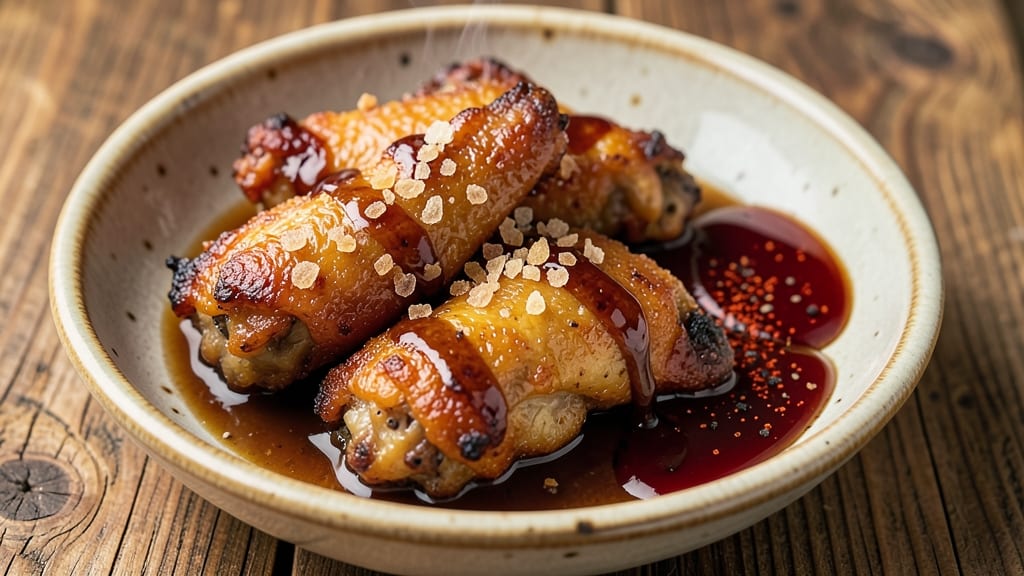
Creating Syberg's wing sauce at home delivers that signature smoky-sweet heat that makes every bite unforgettable. This sauce balances caramelized depth with a fiery kick, transforming ordinary wings into addictive masterpieces.
I've perfected the blend of brown sugar, molasses, and cayenne to replicate that restaurant-quality stickiness that clings perfectly to crispy skin.
The foundation of this sauce lies in slow simmering until it thickens into a glossy, syrupy consistency. No artificial ingredients here—just real spices, vinegar for tang, and a touch of liquid smoke to capture that authentic smokiness.
The key is patience; letting flavors meld over 20 minutes transforms simple ingredients into something extraordinary.
What you'll end up with is a sauce so rich and complex it elevates wings to restaurant-quality status. The perfect balance of sweet, smoky, and spicy creates a flavor profile that's impossible to resist. Once you taste homemade Syberg's sauce, store-bought versions won't compare.
This sauce keeps well in the refrigerator for up to 2 weeks, making it perfect for game day prep or whenever wing cravings strike. The versatility extends beyond wings—it's amazing on fries, burgers, or even drizzled over grilled meats. Let's make this sauce!
Ingredients for syberg's wing sauce
Nine simple ingredients transform into that iconic Syberg's wing sauce you crave.
| Ingredient | Amount | Notes |
|---|---|---|
| Light Brown Sugar 🍚 | 1 cup | Packed firmly for thickness |
| Molasses 🍯 | ½ cup | Unsulphured for authentic flavor |
| Apple Cider Vinegar 🍏 | ½ cup | For tangy depth |
| Liquid Smoke 💨 | 1 tbsp | High-quality for smokiness |
| Cayenne Pepper 🔥 | 2 tsp | Adjust for heat preference |
| Ground Black Pepper 🌶️ | 1 tsp | Freshly ground for sharpness |
| Garlic Powder 🧄 | 1 tsp | Not garlic salt |
| Onion Powder 🧅 | 1 tsp | For aromatic base |
| Salt 🧂 | 1 tsp | Diamond Crystal preferred |
| Water 💧 | ½ cup | For thinning consistency |
The brown sugar and molasses are your flavor powerhouses. Trader Joe's has the best unsulphured molasses—look for it in the baking aisle. If you can't find it, Goya brand works too, but avoid sulphured versions. The apple cider vinegar adds that signature tang, so Bragg or Mott's are solid choices. Liquid smoke is non-negotiable for authenticity—Colt's is the gold standard, but Kikkoman is a budget-friendly alternative. The cayenne is where you control the heat; start with 2 teaspoons and adjust to taste after simmering.
No liquid smoke? Smoked paprika at double the amount gets you close, though it won't have the same depth. Running low on molasses? Maple syrup at half the amount works in a pinch, but the flavor won't be identical. The vinegar can be swapped for white vinegar or lemon juice, though apple cider gives that restaurant-quality tang. For a smoother sauce, blend the spices into the wet ingredients before simmering. If you're making this ahead, reduce the water by 1 tablespoon—the sauce thickens as it cools.
This sauce gets better with time—let it sit for at least 2 hours before using for maximum flavor development. Store in an airtight container in the fridge for up to 2 weeks, though I usually make a double batch because it disappears fast. Freeze extras in ice cube trays for 6 months—perfect for game day emergencies. The sauce thickens as it cools, so thin with a splash of water if needed. Trust me, the leftovers are even better than the first batch.
Why You'll Love This Recipe
- Pantry Magic: I swear by this sauce because it pulls from what’s already in my cupboard—no fancy shopping required. That molasses and brown sugar combo? It’s the secret to a depth of flavor that tastes like a slow-smoked feast, even when I’m making it in 10 minutes flat.
- Smoky-Sweet Heat: The liquid smoke and cayenne pepper team up for a kick that lingers without overpowering. Honestly, the vinegar cuts through the sweetness just enough to keep it from being cloying—it’s the kind of balance that makes you reach for seconds.
- Game Day Ready: This sauce is my go-to for wing nights, but it’s also the star of my lazy Sunday brunch when I toss it with tofu or drizzle it over roasted potatoes. Between us, it’s the one sauce that works for casual hangouts and when I’m feeding a crowd—no stress, all flavor.
- Lasts All Week: I make a big batch and keep it in the fridge for at least a month. The vinegar and molasses act like natural preservatives, so it doesn’t go bad, and the cayenne keeps it from getting dull. Plus, it’s cheap to make—less than $3 for enough to coat wings for four people, every time.
Step-by-step instructions for Syberg's wing sauce recipe
This smoky-sweet wing sauce comes together with just a few ingredients and a little patience.
Combine Wet Ingredients in a Saucepan
In a medium saucepan, add the 1 cup light brown sugar, 0.5 cup molasses, 0.5 cup apple cider vinegar, and 0.5 cup water. Stir over medium heat until the mixture begins to bubble gently—this should take about 3-4 minutes. The sugar will start to dissolve, creating a thick, syrupy base. I like to use a wooden spoon here because it helps scrape up any sugar crystals clinging to the bottom of the pan.
Watch for the mixture to reach a gentle simmer, but don't let it boil vigorously. You want the ingredients to meld together without burning. The molasses will add a deep, almost caramel-like richness, while the vinegar introduces a bright tang that balances the sweetness. This is the foundation of the sauce, so take your time and let it cook until fully combined.
Add Spices and Liquid Smoke
Once the wet ingredients are fully incorporated and simmering smoothly, reduce the heat to low. Add the 1 tablespoon liquid smoke, 2 teaspoons cayenne pepper, 1 teaspoon ground black pepper, 1 teaspoon garlic powder, 1 teaspoon onion powder, and 1 teaspoon salt. Stir well to distribute the spices evenly throughout the mixture.
The cayenne pepper will bring the heat, while the garlic and onion powders add depth and complexity. The liquid smoke is what gives this sauce its signature smoky character—it should be high-quality to avoid any off flavors. Let the sauce simmer for 5-7 minutes, stirring occasionally, until the spices are fully dissolved and the mixture thickens slightly. You'll notice the aroma becoming more intense as the flavors meld together.
Simmer Until Thick and Glossy
Continue simmering the sauce on low heat for another 10-12 minutes, stirring every few minutes to prevent sticking. The sauce should begin to thicken and develop a glossy sheen. You're looking for a consistency that's thick enough to coat the back of a spoon but still pourable—this ensures it clings beautifully to wings without being too heavy.
If the sauce starts to darken too quickly or looks like it's reducing too fast, reduce the heat slightly. The goal is a rich, caramelized color with a smooth, velvety texture. The longer it simmers, the deeper the flavors become, so don't rush this step. You'll know it's ready when it coats a spoon evenly and has a sticky, syrupy quality.
Cool and Adjust Consistency
Remove the saucepan from heat and let the sauce cool for 10 minutes. This resting period allows the flavors to settle and the sauce to thicken further. Once cooled, taste and adjust the seasoning if needed—add a pinch more cayenne for heat, salt for depth, or a splash of apple cider vinegar if it's too sweet.
If the sauce is too thick after cooling, thin it with 1-2 tablespoons of water at a time until it reaches your desired consistency. It should be sticky enough to cling to wings but still easy to drizzle. Transfer the sauce to a clean jar or airtight container and let it sit at room temperature for at least 1 hour before using. This resting time ensures the flavors fully develop and the sauce reaches its perfect balance of smoky, sweet, and spicy notes.
Pro Tips For Making Syberg'S Wing Sauce
- STIR CONSTANTLY AT FIRST: The first 3 minutes of simmering are where the brown sugar and molasses either caramelize into something magical or turn into a sticky mess. I used to walk away for "just a second," and that’s when the sauce would seize up—now I keep my spoon moving until the mixture actually darkens and smells like a campfire.
- USE ACTUAL APPLE CIDER VINEGAR: That "apple cider vinegar" label on store-brand bottles is often just a sad, diluted imitation. For this sauce, grab a small bottle of real ACV—look for brands like Bragg’s or organic varieties—because the tang and depth actually cut through the sweetness. I learned this the hard way when my sauce tasted flat and one-dimensional.
- DILUTE THE LIQUID SMOKE: A splash of water or even a little extra vinegar when adding liquid smoke prevents that harsh, medicinal burn. Think of it like watering down whiskey—just enough to mellow it out. I was skeptical until I tried it, and now the smoky flavor integrates instead of overpowering.
- TASTE BEFORE THE CAYENNE: Add the cayenne last, and then taste the sauce without it first. The heat can sneak up on you, and you’ll end up with something inedible if you just eyeball it. I’ve ruined batches by dumping in too much pepper before checking—now I adjust gradually, even if it means starting with a pinch.
Storing and reheating your syberg's wing sauce
Fridge Storage Secrets
Store your Syberg's wing sauce in an airtight glass container with a lid—I recommend Ball mason jars for easy pouring. The sauce thickens as it cools, so leave about ½ inch headspace to prevent spills.
Keep it refrigerated at 40°F or below for up to 2 weeks. The flavors actually deepen over time, making leftover sauce even more delicious. 💛
Freezing for Game Day
For longer storage, freeze the sauce in ice cube trays—each cube makes perfect portions for wings or fries. Once frozen, transfer cubes to a freezer bag with all air removed (use a straw to suck out air).
Label with the date and freeze for up to 6 months. Thaw overnight in the fridge before using—no microwave needed! This method preserves the sauce's perfect consistency.
Reheating Perfection
To revive refrigerated sauce, gently warm it in a small saucepan over low heat for 3-5 minutes, stirring constantly. Never boil it—this can break down the molasses' rich flavor. For microwave reheating, use 30-second intervals on 50% power, stirring between each interval until just warm.
The sauce should return to its glossy, syrupy texture without losing any smokiness. 🔥
Thinning Tricks
If your sauce thickens too much after refrigeration, thin it with 1-2 tablespoons of hot water at a time. Stir well and taste—you want a consistency that clings to wings but still drizzles smoothly.
For extra stickiness, add ½ teaspoon of corn syrup per cup of sauce. I've found that reheating with 1 teaspoon of apple cider vinegar also helps restore that perfect balance of tang and sweetness.
Reviving Stale Sauce
If your sauce has separated or lost some vibrancy after storage, don't toss it! Simmer the sauce with 1 tablespoon of water and ½ teaspoon of liquid smoke for 5 minutes to revive its depth.
Add a pinch of cayenne if the heat has faded. This trick works wonders for bringing back that restaurant-quality richness. The sauce will taste almost as good as fresh, with just a little extra love.
Nutrition facts
Frequently asked questions
What makes Syberg's wing sauce different from other buffalo sauces?
This sauce stands out with its signature smoky-sweet heat—unlike traditional buffalo sauce, it combines molasses and liquid smoke for depth, plus a tangy vinegar kick. The molasses adds caramelized richness while the cayenne delivers controlled spice. It's sticky, syrupy, and designed to cling perfectly to crispy wings without being overly greasy.
Can I make this sauce without liquid smoke?
Yes! Use 2 tablespoons smoked paprika instead, but expect a slightly less intense smoky flavor. For extra depth, add ½ teaspoon smoked sea salt. The sauce will still taste delicious, though the authentic restaurant-style smokiness will be subtler. Start with these adjustments and taste as you go.
How do I adjust the heat level for kids or sensitive eaters?
Reduce the cayenne to 1 teaspoon (or omit entirely) and add ½ teaspoon ground ginger for warmth instead. For a milder version, blend the sauce with 1-2 tablespoons of honey after cooling to balance the sweetness. Always taste first—you can always add more cayenne later if needed.
Can I use this sauce on foods other than wings?
This sauce works perfectly on fries, burgers, grilled chicken, or even as a glaze for ribs. For extra stickiness on fries, thin the sauce with 1 tablespoon of water before dipping. It also makes an amazing marinade for pork chops or tofu when reduced by half.
Why did my sauce turn too dark or burn?
This happens when simmering on too high heat or stirring too infrequently. Keep heat at low-medium and stir every 2-3 minutes to prevent burning. If it darkens too much, thin with 1 tablespoon of water and add ½ teaspoon of apple cider vinegar to restore balance. The sauce should be glossy, not charred.