
Soups & Stews
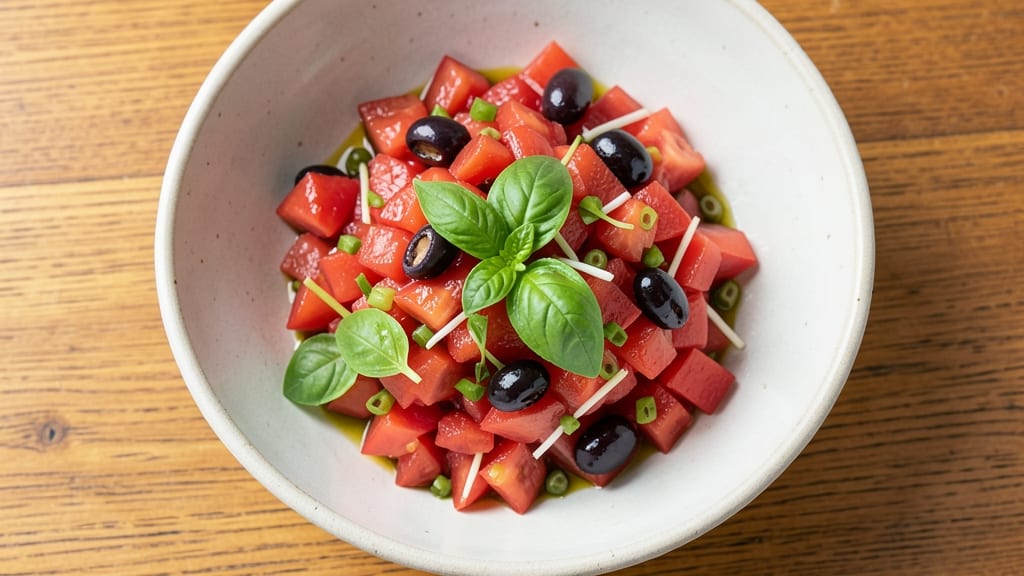
This tomato tartare recipe transforms ripe summer tomatoes into a vibrant, no-cook pasta that celebrates freshness in every bite. The key lies in precision—dice tomatoes uniformly, balance acidity with bright herbs, and let flavors meld for 15 minutes before serving.
I perfected this dish after years of experimenting with raw tomato preparations, and it never fails to impress without requiring heat.
The foundation of great tomato tartare is texture contrast: tender tomatoes meet crisp capers, briny olives, and fresh basil, all bound by high-quality olive oil.
Unlike traditional tartare, this version skips raw meat entirely, focusing instead on the natural sweetness of tomatoes enhanced by lemon zest and a touch of red wine vinegar. The result is a dish that’s light yet satisfying, perfect for warm weather gatherings.
What you’ll achieve is a plate that looks as stunning as it tastes—glossy tomatoes arranged like edible jewels, garnished with microgreens or shaved parmesan for added elegance. The flavors are bright, slightly tangy, and deeply fresh, with each component playing its part without overpowering.
This isn’t just a side; it’s a restaurant-worthy centerpiece that takes minutes to prepare.
For extra richness, fold in mashed avocado or crumbled feta, but keep the core recipe simple to highlight the tomatoes’ natural brilliance. Serve immediately with crusty bread or alongside grilled fish for a complete meal. Let’s bring this fresh, vibrant dish to your table—no cooking required.
Ingredients for tomato tartare
Fresh tomatoes take center stage in this no-cook pasta. Just 13 ingredients create restaurant-worthy flavor.
| Ingredient | Amount | Notes |
|---|---|---|
| Ripe Roma Tomatoes 🍅 | 1 ½ lb | Seedless, firm but yielding |
| Extra-Virgin Olive Oil 🫒 | ½ cup | Light, fruity variety preferred |
| Fresh Basil Leaves 🌿 | ½ cup | Packed, stems removed |
| Green Onion 🧅 | 3 whole | White and green parts separated |
| Capers 🫒 | 2 tbsp | Nonpareils, drained |
| Kalamata Olives 🫒 | ¼ cup | Pitted, roughly chopped |
| Lemon Zest 🍋 | 1 tsp | Organic, unwashed peel |
| Red Wine Vinegar 🍷 | 1 tbsp | Dry, aged variety |
| Diamond Crystal Kosher Salt 🧂 | ½ tsp | Fine grain preferred |
| Freshly Ground Black Pepper 🌶️ | ¼ tsp | Coarse grind |
| Microgreens 🌱 | ¼ cup | Pea shoots or radish sprouts |
| Parmesan Cheese 🧀 | ¼ cup | Freshly shaved, fine |
| Garlic Cloves 🧄 | 2 cloves | Minced, peeled |
Roma tomatoes are non-negotiable here—their meaty texture and low seed count make all the difference. Trader Joe's or local farmers markets usually have the sweetest, firmest ones in summer. Avoid tomatoes with cracks or soft spots, no matter how pretty they look. For extra vibrancy, I like to soak the halved tomatoes in ice water for 10 minutes before dicing—keeps them crisp. The basil? Grow your own or buy from a farmers market—store-bought often tastes like cardboard. And trust me, the difference between extra-virgin olive oil and regular is night and day here.
No fresh basil? Dried basil at half the amount works, but it won't have that same bright punch. Swap Kalamata olives for green olives if that's what you've got—just make sure they're pitted and chopped fine. Running low on capers? Pickle juice plus a pinch of salt mimics the briny flavor in a pinch. The green onions can be subbed with chives or regular onion whites only if you prefer milder flavor. And if you're feeling fancy, add a pinch of smoked paprika to the olive oil for depth—trust me, it's worth it.
This dish is all about freshness—prep everything right before serving. The microgreens and Parmesan should go on just before eating so they stay crisp. Store any leftover tomato mixture in an airtight container with a thin layer of olive oil on top—keeps it fresh for 2 days in the fridge. The basil and microgreens? Use them up within 24 hours or they'll wilt. I like to make a double batch and serve half immediately, saving the rest for sandwiches the next day—garlic toast with this spread is next-level
Why You'll Love This Recipe
- No-Fuss Assembly: I swear, this comes together faster than a grocery list. Dice those Roma tomatoes—no peeling, no seeds—toss in the capers and basil, and you’re done. Honestly, the hardest part is resisting seconds while it sits.
- Tangy-Sweet Magic: That first bite? The briny capers cut through the tomatoes’ sweetness while the olive oil ties it all together like a summer hug. Fresh basil and green onion add this bright, herby lift—it’s the kind of flavor that makes you pause mid-bite.
- Picnic to Party: Slap it on crusty bread for a quick lunch, or serve it in bowls with grilled fish for a fancy dinner. I’ve even used it as a topping for eggs or a dip for chips—it’s the ultimate flexible side that doesn’t play favorites.
Step-by-step instructions for tomato tartare recipe
This bright, fresh pasta comes together in minutes with no cooking required—just chopping and assembling.
Prepare the Tomato Base
Start by cutting the 1.5 lb ripe Roma tomatoes in half crosswise and scooping out the seeds and gel-like center with a spoon. You want to keep the firm flesh intact—this will form the heart of your tartare. Chop the tomato flesh into ¼-inch dice, discarding any watery juice that collects in the bowl. The goal is to create a dry, chunky texture that holds its shape when tossed.
Transfer the diced tomatoes to a large mixing bowl. Add the 2 cloves minced garlic, 2 tbsp drained capers, and 0.25 cup roughly chopped Kalamata olives. Give everything a gentle stir with a wooden spoon, being careful not to crush the tomatoes. The capers and olives will add briny depth that balances the tomatoes' natural sweetness.
Build the Flavor Foundation
In a small bowl, whisk together the 0.5 cup extra-virgin olive oil, 1 tbsp red wine vinegar, and 1 tsp lemon zest. The vinegar cuts through the richness of the olive oil while the lemon zest adds a bright, citrusy note that complements the tomatoes. Pour this mixture over the tomato base and fold gently with a rubber spatula to distribute evenly.
Season immediately with 0.5 tsp Diamond Crystal kosher salt and 0.25 tsp freshly ground black pepper. Taste and adjust—you want the salt to enhance the tomatoes' natural sweetness without overpowering them. The pepper adds a subtle warmth that lets the other flavors shine. Let the mixture sit at room temperature for 10 minutes while you prepare the remaining ingredients.
Incorporate Herbs and Aromatics
Finely chop the 3 whole green onions, separating the white and green parts. Reserve the white parts for a separate garnish if desired. Add the chopped green onion greens to the tomato mixture along with the 0.5 cup packed fresh basil leaves, which have been torn into small pieces by hand. Fold everything together gently—you're looking to combine without breaking down the texture of the tomatoes.
Here's the thing—fresh basil is essential. It brings that signature Italian brightness that elevates this dish from simple chopped tomatoes to a restaurant-worthy tartare. If you're using dried basil, you'll need about 1 tablespoon, but the flavor won't be as vibrant. Taste again after adding the herbs to ensure the seasoning is balanced.
Assemble and Garnish
Transfer the tomato mixture to a serving platter or individual bowls. Sprinkle evenly with 0.25 cup freshly shaved Parmesan cheese and 0.25 cup microgreens. The Parmesan adds a salty, umami richness that ties all the flavors together, while the microgreens provide a delicate, fresh finish. For extra flair, arrange the reserved green onion whites in a circular pattern around the edge of each serving.
Let the tartare rest for 5 minutes before serving. This brief resting period allows the flavors to meld slightly, creating a more cohesive eating experience. Serve immediately with crusty bread for dipping or alongside grilled proteins for a complete meal. The contrast of warm bread against the cool, bright tartare is what makes this dish truly special.
Pro Tips For Making Tomato Tartare
- Pulse, Don’t Purée: Use a food processor or knife to chop tomatoes into rough, uneven chunks—not a smooth paste. The texture should look like chunky salsa, not tomato soup. I learned this the hard way after making a gloppy mess that tasted like watered-down marinara.
- Salt the Tomatoes First: Toss halved Roma tomatoes with a generous pinch of salt (about ½ teaspoon per pound) and let them sit for 10 minutes before mixing with other ingredients. This draws out excess moisture, keeping your tartare bright and not soggy. (Yes, even if you’re impatient like me.)
- Toast the Capers: Warm capers in a dry pan for 30 seconds until fragrant before adding them to the tartare. Cold capers can taste harsh, and toasting brings out their briny depth. Sounds weird, but it works—trust me, I’ve tried both.
- Reserve the Basil Juice: After chopping basil, squeeze out any excess liquid with your hands and blot it on a paper towel. Drizzling the tartare with just the leaves (not the watery pulp) keeps it from turning mushy. I skip this step when I’m lazy, and the dish is noticeably better when I don’t.
Wine and beer pairings for tomato tartare
Crisp White Wine
For tomato tartare, I always reach for a dry Italian white like Vermentino or Pinot Grigio—their bright acidity mirrors the dish's freshness. The crispness cuts through the tomatoes' natural sweetness while enhancing the basil and lemon notes.
A chilled glass from Veneto or Tuscany (around $15-$25) elevates the experience without overpowering. 🍷
Crisp Beer Pairings
A Belgian witbier or Italian lager works beautifully here. I love Hoegaarden for its citrusy notes that complement the lemon zest, or Peroni for a clean, refreshing contrast. The effervescence cleanses the palate between bites of the rich, briny tartare. Serve at 45-50°F for optimal crispness.
Red Wine Contrast
For a bold twist, try a light-bodied red like Chianti or Beaujolais—their bright acidity and red fruit notes stand up to the tomatoes' vibrancy. A 2022 Chianti Classico (around $20-$25) adds earthy depth that pairs surprisingly well with the dish's brightness. Decant for 15 minutes to soften tannins.
Sparkling Options
Don't overlook Prosecco or Cava—their bubbles and slight sweetness balance the tartare's acidity beautifully. A dry Prosecco from Veneto (around $12-$18) adds a luxurious touch, especially when served in flutes alongside the dish. The effervescence makes every bite feel celebratory. 🥂
Non-Alcoholic Choices
For non-drinkers, a sparkling water with lemon or Italian blood orange soda (like San Pellegrino Aranciata Rossa) works perfectly. The citrus notes enhance the tomato's natural sweetness, while the bubbles keep the palate fresh. Serve chilled in elegant glasses to maintain the dish's presentation.
Serving Temperature
Always serve wine at 45-55°F for whites and sparkling options to preserve their crispness. Reds should be slightly warmer at 60-65°F to soften their tannins. I use an ice bucket with a towel for quick chilling—never freeze wine bottles directly, as it dulls flavors.
The right temperature makes all the difference in pairing. ❄️
Nutrition facts
Frequently asked questions
Can I make this tomato tartare ahead of time?
Prep the tomato mixture up to 4 hours ahead and store it in an airtight container with a thin layer of olive oil on top. Keep the fresh basil, microgreens, and Parmesan separate until serving to maintain crispness. The flavors actually improve slightly after resting, but add the herbs just before eating for maximum freshness.
What's the best way to dice tomatoes for tartare?
Cut tomatoes into ¼-inch dice for even texture. First, remove seeds and gel, then chop the flesh into uniform pieces using a sharp knife. A mandoline with a ¼-inch blade works perfectly. Discard any watery juice that collects in the bowl to prevent a soggy tartare.
Can I substitute ingredients if I don't have fresh basil?
Use 1 tablespoon dried basil (or ½ cup packed parsley) as a substitute, but the flavor won't be as vibrant. For extra brightness, add 1 teaspoon lemon juice to compensate. Avoid oregano—it's too earthy for this dish.
How do I prevent the tartare from getting watery?
Pat diced tomatoes dry with paper towels before mixing and discard any liquid that forms. Use ripe but firm tomatoes (not overripe) and avoid overmixing. The olive oil helps bind the mixture, so ensure it's evenly distributed.
What's the best way to serve tomato tartare?
Serve immediately in chilled bowls with crusty bread for dipping or alongside grilled fish/seafood. For a restaurant touch, arrange garnishes in a circular pattern. The contrast of warm bread or protein with cool tartare enhances the flavors dramatically.