
Soups & Stews
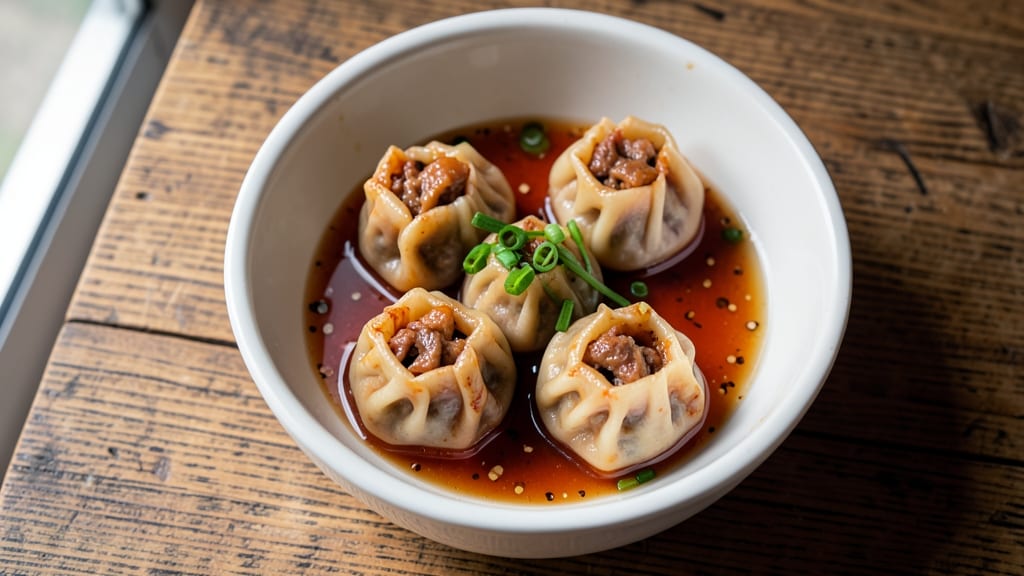
This beef tripe dim sum recipe transforms humble tripe into delicate, silky-textured bites bursting with umami depth—a staple of Cantonese dim sum that deserves a place on your table.
The secret lies in meticulous preparation: soaking, boiling, and carefully cutting the tripe to achieve that signature tender yet springy texture that melts in your mouth.
I first discovered this technique during a trip to Hong Kong, where street vendors crafted these bites with an effortless precision that left me determined to recreate it at home.
The process begins with thorough cleaning and boiling to remove impurities, followed by a delicate folding technique that ensures each bite holds its shape while delivering maximum flavor.
What sets this recipe apart is the balance of ingredients—garlic, ginger, and soy sauce form the aromatic base, while a touch of sesame oil adds richness that elevates the dish from simple to extraordinary.
The result is a dim sum that’s both restaurant-worthy and deeply satisfying, perfect for weekend brunches or special occasions.
By the time you steam these parcels to golden perfection, you’ll have dim sum that rivals what you’d find in a bustling Cantonese restaurant. The tripe’s natural collagen transforms into a velvety texture, while the stuffing (if used) stays moist and flavorful.
Every bite delivers layers of savory, slightly sweet, and aromatic complexity—a testament to how humble ingredients can become something truly special when prepared with care.
Whether you’re serving these as part of a dim sum spread or enjoying them as a standalone treat, the key is patience—both in preparation and in the steaming process.
The reward? Dim sum that’s crisp on the edges, tender inside, and impossible to resist. Let’s bring this authentic flavor to your kitchen.
Ingredients for beef tripe dim sum
Transform humble tripe into restaurant-worthy dim sum bites with these 14 ingredients.
| Ingredient | Amount | Notes |
|---|---|---|
| Beef Tripe 🥩 | 1 ½ lb | Cleaned and cut into strips |
| Garlic Cloves 🧄 | 8 cloves | Minced for marinade |
| Fresh Ginger 🌿 | 2 tbsp | Grated, aromatic base |
| Soy Sauce 🍶 | ½ cup | Light or dark preferred |
| Rice Wine 🍷 | ¼ cup | Dry sherry substitute |
| Sesame Oil 🫒 | 1 tbsp | Toasted for richness |
| Cornstarch 🌾 | 2 tbsp | For velveting texture |
| Water 💧 | 1 ½ cups | For boiling tripe |
| Salt 🧂 | 1 ½ tsp | Kosher or sea salt |
| Baking Soda 🧴 | 1 tsp | For tenderizing tripe |
| Vegetable Oil 🫒 | 2 tbsp | For frying wrappers |
| Wonton Wrappers 🍜 | 16 whole | Square egg wrappers |
| Green Onions 🧅 | 4 whole | Sliced for garnish |
| White Pepper 🌶️ | ½ tsp | Freshly ground preferred |
The tripe is the star—look for thin, clean cuts at your local Asian market or butcher. Costco or H Mart usually carry pre-cleaned versions, but if you're buying raw, soak it overnight to remove impurities. Fresh ginger and garlic are non-negotiable here; dried substitutes won't give that same aromatic punch. For the wrappers, wonton wrappers from the refrigerated section work best—avoid the frozen kind unless thawed completely. The sesame oil should be toasted, not flavored—check the label.
No rice wine? Dry sherry or even white wine in a pinch, but add a splash of vinegar to mimic the tang. The cornstarch is crucial—it creates that signature silky texture. If you can't find it, arrowroot powder works too. For the green onions, use both the white and green parts—chop the whites finely, leave the greens whole for garnish. The baking soda might sound weird, but it's what tenderizes the tripe. Trust me on this one. No wonton wrappers? Spring roll wrappers stretch just as well.
Tripe keeps 3 days in the fridge once cleaned, but prep it same-day for best texture. Wrappers stay fresh 2 weeks refrigerated—freeze extras between parchment paper. These dim sum reheat beautifully; steam for 3-4 minutes to restore crispness. Make ahead and freeze uncooked parcels—steam straight from frozen, adding 1 extra minute.
Why You'll Love This Recipe
- No-Fuss Prep: I swear by this—just slice the tripe thin, toss it in a bowl with garlic, ginger, and soy sauce, then let it marinate while you boil water. Honestly, the hardest part is finding a sharp knife, and even then, it’s over in 20 minutes.
- Umami Bomb: That combination of rice wine and soy sauce? It turns tough tripe into something tender and ridiculously flavorful. The garlic and ginger caramelize just enough to give it this deep, savory punch—like a dim sum version of comfort food.
- Leftover Hero: Between us, this recipe makes way more than you’ll eat in one sitting. Reheat the leftovers in a sizzling pan with a splash of water, and they taste just as good the next day—perfect for lazy lunches or sneaking into fried rice.
- Budget Game-Changer: Tripe is cheap, and a single package stretches to feed four (or five if you’re feeding teenagers). I’ve made this for potlucks, family dinners, and even a last-minute Sunday brunch—it’s the kind of dish that makes you look like a star without breaking the bank.
Instructions for beef tripe dim sum with silky texture
Here's how to transform tough tripe into tender, umami-packed dim sum bites that'll impress anyone.
Tenderize the Tripe with Baking Soda Bath
First, cut the 1.5 lb beef tripe into ½-inch thick strips—this size ensures even cooking. In a large bowl, combine 1.5 cups water, 1.5 tsp salt, and 1 tsp baking soda. Add the tripe strips and let them soak for 30 minutes. You'll see the tripe soften noticeably and turn slightly translucent—this baking soda magic breaks down the tough fibers.
After soaking, drain and rinse the tripe thoroughly under cold water for 1 minute. This removes any residual baking soda taste. Now, transfer the rinsed tripe to a pot and cover it with fresh 1.5 cups water. Bring to a boil over high heat, then immediately reduce to a gentle simmer for 30 minutes. Skim off any foam that rises to the surface—this ensures a clean, clear broth.
Marinate for Maximum Flavor
While the tripe simmers, prepare the marinade by combining 0.5 cup soy sauce, 0.25 cup rice wine, 2 tbsp fresh ginger (grated), 8 cloves garlic (minced), and 0.5 tsp white pepper in a bowl. Once the tripe has simmered for 30 minutes, drain it and transfer to a clean bowl. Pour the marinade over the hot tripe and let it soak for 20 minutes—this infuses every fiber with deep umami flavor.
After marinating, drain the tripe again and pat it dry with paper towels. The marinade should cling to the strips, giving them a glossy sheen. This step is non-negotiable—skipping it means missing out on that restaurant-quality depth of flavor that makes these dim sum special.
Velvet the Tripe for Silky Texture
In a separate bowl, whisk together 2 tbsp cornstarch with 1 tbsp sesame oil until smooth. This mixture is your secret weapon for achieving that signature silky texture. Heat 2 tbsp vegetable oil in a large skillet over medium-high heat until shimmering. Add the tripe strips in a single layer and let them sear for 1 minute until lightly browned.
Pour the cornstarch mixture over the seared tripe and stir vigorously for 30 seconds—you'll see the liquid thicken dramatically as it coats each strip. Add ½ cup water to the skillet and continue stirring for another 2 minutes until the tripe becomes glossy and tender. The texture should transform from chewy to almost custard-like—this is your velveting moment. Remove from heat and set aside.
Assemble and Fry the Dim Sum
Preheat your oven to 375°F—we'll use it to keep the wonton wrappers warm while we work. Take one wonton wrapper and place 1 teaspoon of the velveted tripe in the center. Fold the wrapper diagonally to form a triangle, then press the edges firmly to seal. Repeat with all 16 wrappers and remaining tripe, arranging them on a baking sheet in the preheated oven to keep them pliable.
Heat 1 tablespoon vegetable oil in a clean skillet over medium heat until hot but not smoking. Fry the dim sum triangles for 1-2 minutes per side until golden brown and crispy. The oil should sizzle gently—if it's too hot, the wrappers will burn before cooking through. Transfer to a paper towel-lined plate to drain excess oil.
Garnish and Serve Immediately
Slice the 4 whole green onions into thin rings and sprinkle them over the fried dim sum just before serving. The contrast of fresh green onions against the rich, umami-packed tripe is what makes these bites complete. Serve while hot—these dim sum are best enjoyed immediately, when the wrappers are still crispy and the filling is perfectly silky.
For extra authenticity, serve with a side of chili oil or hoisin sauce for dipping. The combination of textures—crispy wrapper, tender tripe, and fresh garnish—makes every bite worth the effort. Leftovers? Reheat in a steamer basket over boiling water for 2-3 minutes to restore crispiness.
Pro Tips For Making Beef Tripe Dim Sum
- BLANCH TRIPE FIRST: Skip the raw tripe shortcut—blanch it in salted boiling water for 10 minutes before cooking. I learned this the hard way after my first batch tasted like chewy shoe leather; blanching removes the fishy odor and softens the fibers so they absorb the garlic-ginger marinade properly.
- USE SLICED GINGER: Dice that ginger into paper-thin slivers, not chunks. Thick slices burn before the tripe cooks through, leaving you with bitter bits instead of fragrant aroma. Sounds tedious, but it makes a real difference—especially when you’re simmering low and slow.
- STOP WHEN TRIPE STIFFENS: The tripe is done when it’s fork-tender but still holds its shape—no need to overcook until it’s falling apart. I used to push it until it shredded, thinking it needed more time, but that turns the dim sum into mush. Test a small piece early.
- SAVE TIME WITH RICE WINE: Deglaze the pan with a splash of rice wine before adding soy sauce—it cuts the cooking time by 3-4 minutes and adds brightness. I skip this when I’m lazy, but the dish is noticeably better when I don’t. (Yes, even if you’re impatient like me.)
Serving suggestions for this recipe
Dim Sum Plating
Dim sum is all about presentation—think delicate, bite-sized parcels arranged like a colorful mosaic. Use a large bamboo steamer or wooden dim sum tray to create visual appeal. Place the fried tripe parcels in a circular pattern with the green onion garnish fanned out around them.
For extra flair, add edible gold leaf or black sesame seeds at the center—this mimics high-end Cantonese restaurants. 💫
Serving Style
Serve these hot from the fryer on a warmer tray or steaming domed platter to maintain crispness. In Hong Kong, dim sum is often shared family-style, so arrange multiple parcels on a large platter with dipping sauces in small bowls.
Use miniature spoons for dipping to keep portions tidy. A small teapot with jasmine tea completes the experience.
Dipping Sauces
Offer two sauces for contrast: hoisin sauce (sweet and tangy) and chili oil (spicy and aromatic). For a lighter option, mix 1 tbsp soy sauce with 1 tsp rice vinegar and ½ tsp sesame oil.
Serve sauces in small ceramic bowls—this keeps the table looking elegant while making it easy for guests to dip. 🍶
Pairing with Tea
Dim sum pairs beautifully with jasmine tea or pu-erh tea—both complement the umami flavors without overpowering them. Brew loose-leaf jasmine tea in a glass teapot and serve it in small porcelain cups.
For a modern twist, pair with a light lager like Tsinguo or a dry Riesling to cut through the richness.
Family-Style Presentation
For a restaurant-worthy spread, create three-tiered trays with different dim sum varieties. Place your tripe parcels on the top tier surrounded by steamed shrimp dumplings and pork buns on the lower tiers.
Use fresh cilantro sprigs and red chili flakes as garnishes to add color and heat. This layered approach makes your dim sum look like it belongs in a bustling Cantonese café. ✨
Nutrition facts
Frequently asked questions
Why does beef tripe need baking soda in the recipe?
The baking soda acts as a natural tenderizer by breaking down the tough collagen fibers in the tripe. When combined with salt and a short soak, it transforms the texture from chewy to silky—just like professional dim sum chefs achieve. This step is essential for getting that restaurant-quality melt-in-your-mouth experience.
Can I substitute wonton wrappers with something else?
Yes! Spring roll wrappers work perfectly—they're slightly more pliable and stretch well when folding. For a gluten-free option, use rice paper wrappers, but they require a different folding technique. Just ensure your substitute is thin enough to crisp up properly during frying.
What's the secret to keeping the tripe from falling apart when frying?
The velveting process with cornstarch is key—it creates a protective coating that holds the tripe together. Make sure to pat the tripe completely dry before velveting, and don't overcrowd the pan when frying. Each piece should have room to develop a crispy exterior without steaming.
How do I make these ahead of time for a dim sum party?
Assemble the uncooked parcels and freeze them on a tray before transferring to a bag. When ready to serve, steam them from frozen for 4-5 minutes (add 1 extra minute if completely frozen). For frying, thaw first—this ensures even cooking and prevents soggy wrappers.
Is beef tripe dim sum vegetarian-friendly?
Not traditionally, but you can make a vegetarian version using mushroom tripe (like king oyster mushrooms) or tofu cut into strips. The same velveting technique works—just adjust the marinade to include vegetarian soy sauce and mushrooms for umami depth. The texture will be slightly different but still delicious!