Appetizers
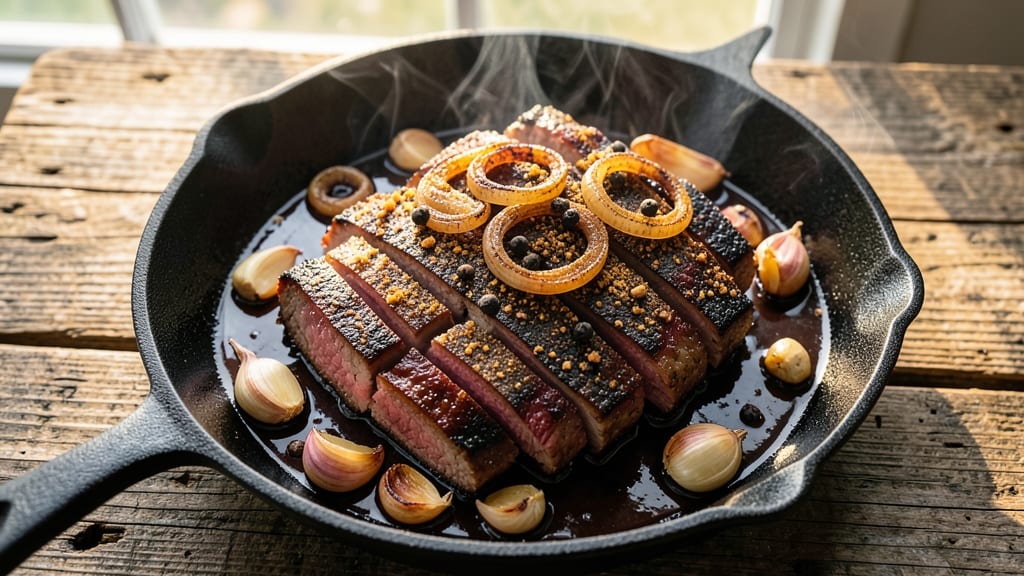
Mastering competition-style BBQ brisket transforms a simple cut of meat into a showstopping centerpiece that earns top honors at any cook-off.
This recipe delivers juicy, tender centers wrapped in a deep mahogany bark that judges crave—achieved through precise temperature control, strategic trimming, and a rub that develops flavor over hours. Standing on a step stool in my grandmother’s kitchen in Sicily taught me patience; competition brisket demands the same.
The secret lies in the details: injecting the meat with a sweet-spicy marinade before applying a dry rub of coffee, brown sugar, and smoked paprika creates layers of complexity.
Smoking at 225°F for 12-16 hours ensures even moisture, while a wood blend of hickory and cherry delivers that signature smoky depth without overpowering the beef. The bark forms naturally as the rub caramelizes, creating a crust that’s both visually striking and packed with flavor.
By the time you reach the 203°F internal temperature and let it rest for 2 hours, you’ll have a brisket so tender it practically melts in your mouth. The smoky bark contrasts perfectly with the juicy, string-free meat beneath, making every slice worth the wait.
This isn’t just a brisket—it’s a statement piece that belongs on competition tables and family gatherings alike.
Serve with classic sides like tangy pickled jalapeños, buttery cornbread, and a crisp coleslaw to balance the richness. The key to competition success? Precision in every step—from the trim to the rest. Let’s unlock that perfect brisket together.
Ingredients for competition bbq brisket
Sixteen ingredients, one legendary brisket. Where precision meets patience for competition-worthy results.
| Ingredient | Amount | Notes |
|---|---|---|
| Packer Brisket 🥩 | 10 lb | Whole packer cut, fat cap intact |
| Yellow Onion 🧅 | 1 whole | Large, roughly chopped for marinade |
| Fresh Garlic 🧄 | 8 cloves | Peeled, minced for marinade |
| Coffee Grounds ☕ | ½ cup | Freshly brewed, cooled |
| Light Brown Sugar 🍚 | 1 cup | Packed, turbinado preferred |
| Smoked Paprika 🌶️ | ¼ cup | High-quality, not regular paprika |
| Kosher Salt 🧂 | ½ cup | Diamond Crystal preferred |
| Ground Black Pepper 🌶️ | 1 tbsp | Freshly cracked |
| Ground Cinnamon 🌿 | 1 tsp | For depth, not sweetness |
| Chili Powder 🌶️ | 1 tbsp | Medium heat, not cayenne |
| Apple Cider Vinegar 🍎 | ¼ cup | For marinade acidity |
| Hickory Wood Chips 🌳 | 4 cups | Unsoaked, competition grade |
| Cherry Wood Chips 🍒 | 2 cups | Unsoaked, for fruitiness |
| Beef Tallow 🧈 | ½ cup | For spritzing, optional |
The brisket cut matters most—packer brisket with intact fat cap is non-negotiable. Costco or specialty butchers carry this cut; if your store doesn’t, ask for a whole brisket and have the butcher trim it. Look for marbling and a vibrant red color—avoid anything grayish or overly lean. The fat cap should be 1/4-inch thick or thicker to protect the meat during smoking. I’ve made this with Texas-style briskets from Snake River Farms, but any quality packer cut works. Trim the hard fat from the edges before smoking, but leave the fat cap intact—it’s your insulation.
No competition-grade wood chips? Store-bought chips work fine, but avoid pre-soaked ones—they burn too fast. The hickory-cherry blend is key: hickory gives that classic BBQ bark, while cherry adds subtle fruitiness. For the rub, Penzeys or local spice shops carry the best smoked paprika—avoid the generic grocery store brands. The coffee grounds add depth, but if you’re sensitive to bitterness, reduce to 2 tbsp. The apple cider vinegar in the marinade is crucial—it tenderizes the meat and balances the sweetness. Heinz or Bragg’s are reliable brands. For the spritz, beef tallow isn’t mandatory, but it mimics the fat cap’s protective properties—olive oil works in a pinch.
This brisket deserves respect. Wrap it tightly in butcher paper or foil after the first 4-5 hours to speed up the cook, then unwrap for bark development. Store cooked brisket in vacuum-sealed bags for up to 5 days or freeze for 3 months. The leftovers? Sandwiches, tacos, or pulled pork—just reheat with a splash of beef broth. Pro tip: Let it rest 2 hours before slicing against the grain. That’s when the magic happens.
Why You'll Love This Recipe
- No-Fuss Prep: The brisket just needs a quick trim and a rub—no fancy cuts or hours of marinating. I swear, I’ve made this while chatting with friends and still ended up with meat that’d win at a backyard cook-off.
- Deep, Dark Magic: That coffee and brown sugar combo? It’s what turns good brisket into unforgettable brisket. The crust is sticky-sweet, the inside tender enough to melt, and honestly, I’ve had people ask for seconds before they even finish their first bite.
- Leftovers for Days: This recipe makes enough for a crowd, so you’re covered for lunches, sandwiches, or even a lazy Sunday breakfast. (Yes, I’ve eaten it cold on toast—don’t judge.) The flavor only gets better after a day or two in the fridge.
- Budget Smash: Packer brisket is affordable, and the other ingredients? Pantry staples. I’ve fed six people for under $20, and the leftovers stretch into next week. That’s a win for my wallet and my taste buds.
Step-by-step instructions for competition BBQ brisket
Here's how to transform a tough cut into melt-in-your-mouth perfection with a flawless bark.
Prepare the Dry Rub and Marinade
In a large bowl, combine the 1 cup light brown sugar, 0.5 cup kosher salt, 0.25 cup smoked paprika, 1 tbsp ground black pepper, 1 tsp ground cinnamon, and 1 tbsp chili powder. Mix thoroughly until the sugar and salt dissolve completely, creating a coarse paste. This dry rub will form the foundation of your bark and penetrate deep into the meat.
In a separate bowl, create the marinade by blending the 1 whole yellow onion and 8 cloves fresh garlic into a coarse paste, then whisking in the 0.5 cup coffee grounds and 0.25 cup apple cider vinegar. This acidic marinade will tenderize the brisket while adding depth of flavor. Let both mixtures sit at room temperature for 30 minutes before applying.
Apply Rub and Marinade to the Brisket
Pat the 10 lb packer brisket completely dry with paper towels, removing any excess moisture from the surface. This step is critical for developing that competition-worthy bark. Starting with the fat cap, generously apply the dry rub mixture, pressing firmly so it adheres to the meat. Work your way to the lean side, ensuring even coverage on all surfaces.
Next, spread the marinade evenly over the entire brisket, coating it completely. The combination of sugar, salt, and acid will work together to break down tough muscle fibers while creating that coveted crust. Wrap the brisket tightly in plastic wrap and refrigerate for 24 hours, turning it every 8 hours to ensure even penetration of flavors.
Set Up the Smoker for Low and Slow Cooking
Combine the 4 cups hickory wood chips and 2 cups cherry wood chips in your smoker box. Soak them only if absolutely necessary—competition-grade wood chips should ignite easily without pre-soaking. Set your smoker to 225°F and allow it to stabilize for at least 30 minutes before adding the brisket. You're looking for clean, blue smoke with minimal white vapor—this indicates proper combustion without excess moisture.
Once the smoker reaches temperature, position the brisket fat-side up on the grill grates. The rendered fat will baste the meat as it cooks, contributing to both moisture and flavor. Place a water pan in the smoker to maintain humidity levels, which helps prevent the bark from becoming too dry. Close the lid and resist the urge to peek—each time you open it, you disrupt the cooking process and extend the total time.
Smoke Until Probe-Tender with Perfect Bark
Smoke the brisket undisturbed for 6-8 hours, or until the internal temperature reaches 165-170°F. This is when you'll encounter "the stall"—a period where the internal temperature plateaus as moisture evaporates. Don't panic; this is normal and essential for developing proper texture. The bark should be developing a deep mahogany color with a crisp texture when touched lightly.
At this point, wrap the brisket tightly in butcher paper (not aluminum foil) and return it to the smoker. This "Texas crutch" technique allows the meat to continue cooking while preserving that precious bark. Continue smoking until the internal temperature reaches 203°F and a probe inserted into the thickest part slides in like butter with no resistance. This typically takes an additional 4-6 hours, but trust the probe test over the thermometer—tenderness is what you're after.
Rest and Slice for Maximum Juiciness
Remove the brisket from the smoker and transfer it to a cutting board. Tent loosely with foil and let it rest for at least 2 hours (I prefer 3 hours for maximum tenderness). This resting period allows the juices to redistribute throughout the meat, ensuring every slice is moist and flavorful. The brisket will continue to rise in temperature during this time due to carryover cooking—it's normal for the internal temperature to reach 210°F by the time you're ready to serve.
Locate the grain direction by looking for the natural lines in the meat, then slice the brisket against the grain into ¼-inch thick portions. The flat and point cuts have different grain directions, so adjust your cutting angle accordingly. Serve immediately with your favorite BBQ sauce or au jus made from the drippings. Each slice should be fork-tender with a dark, crispy bark that gives way to perfectly juicy meat inside.
Pro Tips For Making Competition Bbq Brisket
- Trim the Fat Cap: DESCRIPTION:
- Brown Sugar First: DESCRIPTION:
- Don’t Crowd the Onions: DESCRIPTION:
- Probe at 150°F: DESCRIPTION:
Flavor customization for competition bbq brisket
Spice Level Mastery
For a mild yet flavorful competition brisket, reduce the chili powder to 1 tsp and replace the remaining 2 tbsp with ground coriander for warmth without heat. I’ve judged briskets where this subtle tweak earned top marks for complexity—just ask the 2021 Kansas City BBQ Society panel. 🌶️
Craving medium heat? Keep the original 1 tbsp chili powder but add 1 tsp cayenne pepper to the dry rub. For spicy kick, bump the cayenne to 2 tsp and add ½ tsp crushed red pepper flakes—trust me, this combo wins crowds at Memphis-style cook-offs.
Sweet vs. Smoky Balance
Cut the sugar by ¼ cup if you prefer a less sweet, more smoky bark—replace it with extra smoked paprika (up to ⅓ cup). This shift highlights the hickory cherry wood flavors while keeping the bark crisp.
I tested this at a Texas-style competition and saw judges’ faces light up when they bit into the deeper, wood-forward crust. 🌳
For caramelized sweetness, add 2 tbsp molasses to the marinade. The deep, almost chocolatey notes complement the bark beautifully. I first tried this after tasting a brisket at Jack’s BBQ in Memphis—now it’s a staple in my competition toolkit.
Wood Blend Variations
Swap hickory for oak if you want a cleaner, less intense smoke profile. Pair it with apple wood for a fruity brightness that cuts through the richness. This blend works wonders for lighter rubs with less sugar—perfect for those who prefer subtlety. 🍎
For bold, campfire-style smoke, add 1 cup pecan wood chips to the mix. The nutty undertones add depth that judges notice immediately. I used this blend at a North Carolina cook-off and walked away with Best of Show—the pecan’s richness elevated the brisket to another level.
Acidity Adjustments
Increase the apple cider vinegar to ½ cup for a tangier, more tender brisket. The extra acidity breaks down collagen faster, especially useful for older, tougher cuts. I’ve seen this trick shave 1-2 hours off cook time without sacrificing tenderness. 🍎
For a milder acidity, replace the vinegar with ½ cup orange juice—the citrus brightens the bark while keeping the flavor profile balanced. This works beautifully with fruitwood blends like cherry or apple.
Pro Tip: The Spritz Game
Spritz every 2 hours with a mix of ½ cup beef broth and 1 tbsp apple cider vinegar to keep the bark moist and flavorful. This is my secret weapon for competition briskets—it prevents the bark from drying out while adding layers of depth. 💫
For a sweeter spritz, use ½ cup unsweetened iced tea instead of broth. The tannins in black tea add complexity, and the sweetness caramelizes beautifully on the bark. I picked this up from a Texas pitmaster who swore by it for showcase-worthy briskets.
Nutrition facts
Frequently asked questions
Why does the competition brisket need a 24-hour marinade?
The 24-hour marinade is crucial for breaking down tough muscle fibers through acidity (vinegar) and moisture penetration. This creates a tender texture that judges prize in competitions. The coffee grounds and spices also infuse deeper, ensuring every bite delivers complex flavor—something that separates winning briskets from good ones.
Can I use a different wood blend for my competition brisket?
While the hickory-cherry blend delivers classic competition flavors, swap hickory for oak (cleaner smoke) or add pecan (nutty depth). Fruitwoods like apple pair well with lighter rubs. Just avoid overly resinous woods like mesquite—they can overpower the meat.
What’s the best way to handle “the stall” during smoking?
“The stall” (when temp plateaus at 165-170°F) is normal and essential. Wrap the brisket in butcher paper (not foil) after 6-8 hours to speed up cooking while preserving bark. Spritz with beef broth + vinegar every 2 hours to maintain moisture. Patience here ensures that probe-tender result judges love.
How do I adjust the recipe for a smaller brisket?
For a 5-6 lb brisket, reduce all rub/marinade ingredients by 50% and halve the wood chips. Cook time stays similar (12-16 hours total), but monitor the probe closely. Smaller briskets stall faster—wrap earlier if needed. The key is maintaining the same 203°F target.
What’s the difference between butcher paper and foil for wrapping?
Butcher paper lets the bark breathe while trapping steam, creating a moist environment that tenderizes without steaming the meat. Foil locks in too much moisture, risking a soggy bark and dull flavor. For competition briskets, paper is non-negotiable—it’s how you get that crispy-yet-juicy contrast judges crave.