
Soups & Stews
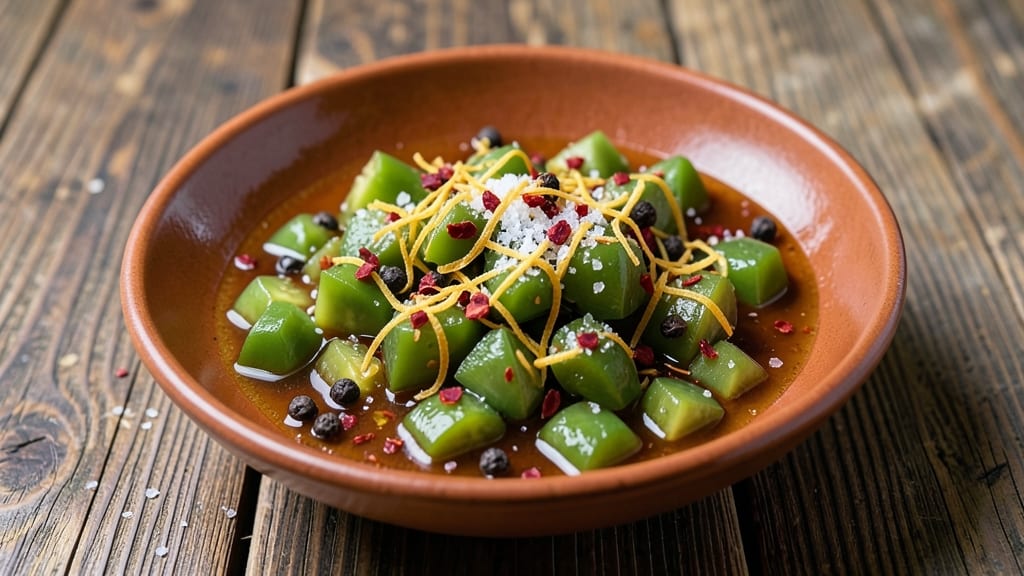
This old-fashioned green tomato chutney recipe transforms tart, unripe tomatoes into a bold, vinegar-infused condiment with a satisfying crunch. The perfect balance of acidity and spice makes it a versatile addition to any meal—whether paired with sandwiches, grilled meats, or sharp cheeses.
I first discovered this recipe while researching Southern preservation techniques, and it quickly became a staple in my kitchen for its ability to elevate simple dishes.
The secret lies in the vinegar infusion, which tenderizes the tomatoes while preserving their natural tartness. Combined with aromatic spices like mustard seeds and red pepper flakes, this chutney delivers a complex flavor profile that’s both tangy and slightly sweet.
The texture remains pleasantly crunchy, thanks to the addition of finely chopped tomatoes and a touch of oil, ensuring every bite is satisfying. Unlike many chutneys, this version requires no cooking—just blending and steeping for a quick yet deeply flavorful result.
What sets this recipe apart is its versatility and longevity. Store it in a sealed jar in the refrigerator for up to two weeks, or ferment it for a deeper, probiotic-rich flavor over time.
The vinegar base not only enhances preservation but also adds a bright, almost pickled brightness that cuts through rich foods beautifully. Whether you’re serving it as a condiment, a sandwich spread, or a side to charcuterie, this chutney brings a rustic, old-fashioned charm to modern meals.
Ready in just 30 minutes, this recipe is perfect for meal prep or last-minute gatherings. The ingredients are simple—green tomatoes, vinegar, spices, and a touch of sweetness—but the result is a condiment that tastes like it’s been simmering for hours.
Let’s get started on creating a chutney that’s as practical as it is delicious.
Ingredients for old fashioned green tomato chutney
Eight simple yet transformative ingredients create this tangy, crunchy chutney perfect for preserving green tomatoes' bold flavor.
| Ingredient | Amount | Notes |
|---|---|---|
| Green Tomatoes 🍅 | 2 lbs | Firm, unripe, skin-on preferred |
| White Vinegar 💧 | 1 cup | Distilled white vinegar preferred |
| Granulated Sugar 🍯 | ½ cup | Light brown sugar for depth |
| Yellow Mustard Seeds 🌶️ | 1 tbsp | Whole, toasted for aroma |
| Red Pepper Flakes 🔥 | 1 tsp | Adjust for heat preference |
| Ground Black Pepper 🌶️ | ½ tsp | Freshly cracked for intensity |
| Diamond Crystal Kosher Salt 🧂 | 1 ½ tsp | Fine grain preferred |
| Extra-Virgin Olive Oil 🫒 | ¼ cup | For texture and preservation |
| Fresh Garlic Cloves 🧄 | 3 cloves | Minced for aromatic depth |
| Fresh Cilantro Leaves 🌿 | ¼ cup | Chopped, optional for brightness |
The quality of green tomatoes is non-negotiable—they should be firm with a vibrant, slightly waxy skin and a tart bite when tested. Local farmers markets often carry the best selection during harvest season, but grocery store produce departments can work if you choose tomatoes that are uniformly green and heavy for their size. Avoid any with soft spots or bruising, as these will compromise the chutney's texture. For the vinegar, distilled white vinegar provides the cleanest acidity, though apple cider vinegar adds subtle complexity if you prefer a fruity note. The sugar acts as a tenderizer while balancing the vinegar's sharpness, so don't substitute with artificial sweeteners—they won't dissolve properly and will alter the preservation process.
No mustard seeds? Dijon mustard at half the amount provides a similar tangy backbone, though the texture will differ slightly. Running short on red pepper flakes? Crushed cayenne pepper or hot paprika work in a pinch, but adjust carefully—cayenne is significantly hotter. For garlic, garlic powder at one-third the amount is a decent substitute, though fresh minced garlic delivers unmatched depth. The olive oil is crucial for both texture and preservation—avocado oil is a suitable alternative if you're avoiding olive oil's fruity notes. Cilantro is optional but recommended for brightness; if omitted, add an extra pinch of salt to compensate for its freshness. For a deeper flavor profile, consider adding 1 tsp of ground coriander to complement the mustard seeds.
This chutney develops best when allowed to steep for at least 24 hours before serving, though it's safe to eat immediately. Store in a sterilized glass jar with an airtight seal in the refrigerator for up to 3 weeks, though the flavor continues to meld over time. For long-term storage, transfer to a clean jar and refrigerate for up to 6 months, though the texture will soften slightly. The vinegar base ensures excellent preservation, but always check for mold or off smells before using. Portion into small jars for easy use—this chutney pairs beautifully with sandwiches, charcuterie boards, or as a topping for grilled meats.
Why You'll Love This Recipe
- Few Ingredients, Big Payoff: I swear by this recipe because it’s the kind of thing you can make with what’s already in your pantry. Green tomatoes, vinegar, sugar—no fancy spices or hard-to-find jars. The mustard seeds and red pepper flakes add just enough punch to make it feel special, even though you’re basically turning a pantry raid into something delicious.
- Tangy-Sweet Magic: That first bite? The vinegar cuts through the natural sweetness of the tomatoes while the sugar keeps it from being too sharp. The mustard seeds pop when you toast them, and the red pepper flakes give it a slow-building heat that lingers. It’s the kind of flavor that makes you reach for seconds without even thinking.
- Potluck Hero: This chutney is my secret weapon for gatherings—no one ever leaves with leftovers. It’s great with sandwiches, fried chicken, or even just crackers and cheese. I’ve brought it to BBQs, church dinners, and even my book club meetings, and it’s always the first thing gone.
- Lasts All Week: Honestly, I make a big batch and forget about it until I need it. The vinegar and sugar act like natural preservatives, so it stays fresh in the fridge for days. That means less grocery shopping, less stress, and more time to enjoy the flavor whenever I want it. Plus, it’s cheap—green tomatoes are often sold for next to nothing, and the rest of the ingredients? Even cheaper.
Step-by-step instructions for vinegar-infused green tomato chutney
Transforming green tomatoes into this tangy, crunchy chutney requires precision and patience.
Prepare and Chop the Green Tomatoes
Begin by washing the 2 lbs green tomatoes thoroughly and patting them completely dry. This step is critical—any moisture will dilute the final chutney and prevent proper pickling. Using a sharp chef's knife, cut the tomatoes into ¼-inch thick slices or small dice, depending on your preferred texture. For a more traditional texture, I recommend keeping them in ¼-inch slices to maintain some crunch.
Place the chopped tomatoes in a large mixing bowl. The goal is to maximize surface area for even exposure to the vinegar and spices. If you prefer a smoother texture, you can pulse them briefly in a food processor, but I find the slight bite from the whole pieces adds character. Set the bowl aside for now—we'll return to it after toasting the mustard seeds.
Toast the Mustard Seeds and Build the Spice Base
In a small dry skillet over medium heat, toast the 1 tbsp yellow mustard seeds for 2-3 minutes until they begin to pop and turn a deep golden color. This step is essential—it unlocks their nutty aroma and prevents bitterness. As soon as they start popping audibly, remove the skillet from heat and immediately transfer the toasted seeds to a small bowl.
In the same skillet (no need to clean it), add the 3 cloves fresh garlic cloves, minced, and the 1 tsp red pepper flakes. Cook for 30 seconds until the garlic becomes fragrant and the red pepper flakes darken slightly. This quick sauté ensures the garlic infuses its flavor without burning. Transfer this mixture to the bowl with the toasted mustard seeds.
Combine Wet Ingredients and Season
To the bowl containing the toasted mustard seeds and garlic mixture, add the 1 cup white vinegar, 0.5 cup granulated sugar, 1.5 tsp diamond crystal kosher salt, and 0.5 tsp ground black pepper. Whisk vigorously until the sugar and salt dissolve completely. The sugar will begin to caramelize slightly from the residual heat in the skillet, which adds depth to the final chutney.
Next, pour in the 0.25 cup extra-virgin olive oil and stir until fully emulsified. The oil should coat the back of a spoon, indicating a smooth consistency. This is the base of your chutney—tangy from the vinegar, sweet from the sugar, and aromatic from the toasted spices. Taste the mixture at this stage; it should be bright, acidic, and slightly sweet with a hint of heat.
Assemble and Marinate the Chutney
Add the chopped green tomatoes to the spiced vinegar mixture and stir gently to combine. The tomatoes should be fully coated in the liquid. If the mixture appears too thick, add 1-2 tablespoons of water to loosen it slightly. Transfer the chutney to a clean, airtight glass jar or bowl.
Cover the jar and let it marinate at room temperature for at least 4 hours, or overnight in the refrigerator for deeper flavor development. During this time, the vinegar will begin to break down the cell walls of the tomatoes, creating that signature tangy crunch. Stir the chutney occasionally to ensure even distribution of the marinade. For best results, I recommend letting it sit overnight—this allows the flavors to meld and the tomatoes to soften just enough to absorb the spices.
Finish with Fresh Cilantro and Store Properly
After marinating, stir in the 0.25 cup fresh cilantro leaves, chopped. The cilantro adds a bright, herbal note that cuts through the tanginess of the vinegar. Taste again and adjust the seasoning if needed—you may want to add a pinch more salt or sugar to balance the flavors. The chutney should be vibrant, slightly spicy, and perfectly balanced between sweet, sour, and umami.
Transfer the chutney to a clean, airtight glass jar and refrigerate for up to 2 weeks. The flavors will continue to develop over time, becoming more complex with each passing day. For serving, scoop out portions as needed—this chutney pairs beautifully with grilled meats, sandwiches, or as a condiment for charcuterie boards. The texture should be a delightful contrast of crunchy tomatoes and smooth, tangy marinade, with a finish that lingers on the palate.
Pro Tips For Making Old Fashioned Green Tomato Chutney
- CHOP TOMATOES SMALL: I learned this the hard way—big chunks make the chutney look uneven and taste unevenly cooked. Dice them into ¼-inch pieces so the vinegar and sugar penetrate evenly. (Yes, it takes a few extra minutes, but the texture is worth it.)
- TOAST THE SEEDS: Skip the raw mustard seeds, and you’ll end up with a mealy chutney. Dry-toast the yellow mustard seeds in a pan for 30 seconds until they smell nutty—this unlocks their flavor and prevents a bitter aftertaste.
- SIMMER GENTLY: High heat turns green tomato chutney into vinegary sludge. Keep it at a bare simmer (tiny bubbles, occasional swirls) for 20-25 minutes. Too fast = mushy tomatoes; too slow = undercooked.
- BALANCE THE VINEGAR: My first batch was too sharp because I eyeballed the vinegar. Measure it—1 cup per 2 pounds of tomatoes—and taste as you go. If it’s still harsh, add a splash of water or a pinch more sugar to round it out.
Best sauces and condiments for these flavors
Classic Pairings
This chutney shines on pulled pork sandwiches—the tangy crunch cuts through the richness beautifully. I like to spread a generous layer on a toasted brioche bun with crispy pork, sharp cheddar, and pickled jalapeños.
The vinegar in the chutney balances the pork’s fatty texture while adding a bright contrast. 🥪
Grilled Meats
Use it as a finishing condiment for grilled steaks, chicken, or ribs. The acidity in the chutney tenderizes the meat slightly, while the crunchy tomatoes add texture. I drizzle it over smoked brisket during the last 5 minutes of resting to let the flavors meld.
For extra depth, brush it on ribs before the final grill. 🔥
Cheese Boards
This chutney elevates charcuterie boards with its bold flavors. Pair it with aged cheddar, blue cheese, or goat cheese for a perfect balance of tangy and creamy.
The crunchy texture contrasts nicely with soft cheeses, while the vinegar cuts through the richness. I also add crusty bread and nuts for a well-rounded spread. 🧀
Sandwich Spread
Spread it on toasted sourdough or rye bread with turkey, avocado, and arugula for a tangy twist on a classic sandwich. The vinegar and spices add complexity that flatters mild meats like turkey or chicken.
For a Southern-inspired bite, mix it into deviled eggs or use it as a dip for pretzels or veggie sticks. 🥖
Fermented Variations
For a deeper flavor, ferment the chutney for 3-5 days before eating. Use a quart-sized mason jar, pack the tomatoes tightly, and cover with the vinegar mixture, leaving 1 inch of headspace.
The fermentation process adds probiotics and a slightly funky depth. I recommend using apple cider vinegar for a milder ferment. 💫
Sweet Applications
Surprisingly, this chutney works as a glaze for roasted vegetables like Brussels sprouts or sweet potatoes. Toss them with the chutney and roast at 400°F for 20-25 minutes until caramelized.
The sweetness in the tomatoes balances the vinegar, creating a delicious contrast. It’s also fantastic drizzled over grilled pineapple for a sweet-savory dessert. 🍍
Nutrition facts
Frequently asked questions
Can I use ripe tomatoes instead of green ones?
While you can technically use ripe tomatoes, the flavor and texture will differ significantly. Green tomatoes provide that signature tartness and crunch that makes this chutney special. If you must use ripe tomatoes, choose firm, slightly underripe ones and reduce the sugar slightly (¼ cup instead of ½ cup) since they're naturally sweeter. The vinegar will still preserve them, but the tangy brightness will be less pronounced.
How long does this chutney keep, and can I make it ahead?
This chutney stays fresh in the refrigerator for up to 3 weeks when stored in an airtight glass jar. For longer storage, you can ferment it for 3-5 days in a sealed jar, which extends shelf life to 6 months while adding probiotic benefits. The flavors actually improve over time, so making it a day or two ahead is ideal for deeper taste development.
What if my chutney turns out too spicy or too sweet?
Adjust the heat by adding a pinch of sugar to mellow it out, or balance sweetness with a splash of extra vinegar (1-2 teaspoons) and taste again. For a smoother texture, blend briefly in a food processor—this also helps distribute flavors more evenly. If the chutney is too thick, thin it with 1 tablespoon of water or vinegar at a time until desired consistency is reached.
Can I substitute apple cider vinegar for white vinegar?
Yes! Apple cider vinegar adds a subtle fruity depth that complements the tomatoes beautifully. Use the same 1 cup measurement, but note the flavor will be slightly milder and more complex. For fermented variations, apple cider vinegar is actually preferred as it supports probiotic growth better than distilled white vinegar. The texture and preservation properties remain identical.
What’s the best way to serve this chutney?
This versatile chutney shines as a sandwich spread, grilled meat topping, or charcuterie board accompaniment. Try it on pulled pork sandwiches, drizzled over smoked brisket, or paired with aged cheddar and nuts. For a sweet twist, use it as a glaze for roasted vegetables or even grilled pineapple. The vinegar's acidity cuts through rich foods beautifully while the crunch adds texture.