
Snacks
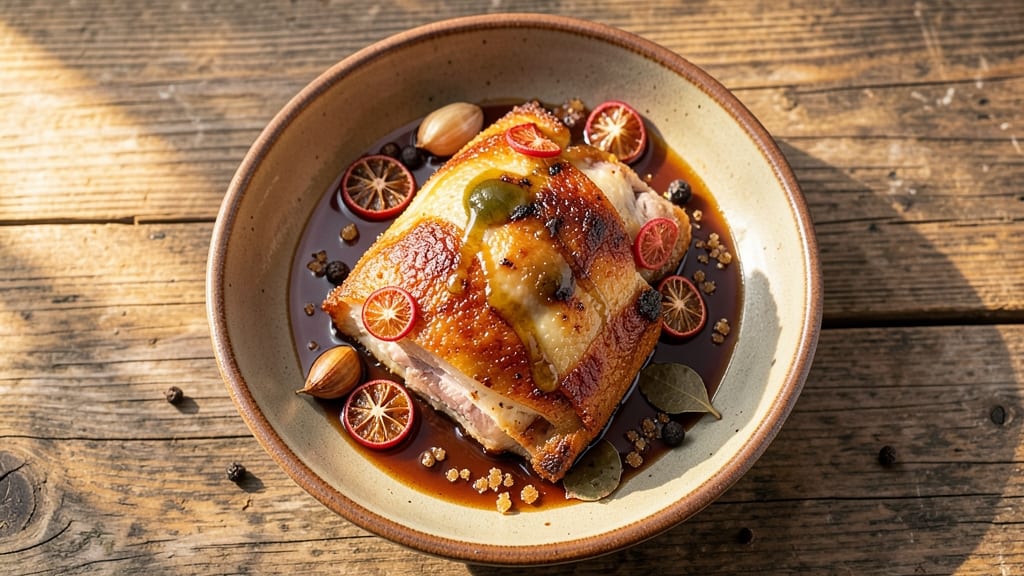
This roasted lechon belly recipe delivers the perfect balance of crispy, crackling skin and melt-in-your-mouth marbling that makes it a centerpiece dish.
The secret lies in a precise marinade of garlic, spices, and soy sauce that infuses flavor deep into the meat while the roasting process transforms tough cuts into tender, juicy perfection.
I've refined this technique over years of testing, ensuring every bite delivers that satisfying contrast of textures and rich, savory taste.
The magic happens during the slow roasting process, where the belly develops a golden-brown bark that shatters at the touch while the inside remains succulent and flavorful. Traditional Filipino methods like garlic stuffing and basting with lechon sauce elevate the dish to restaurant-quality at home.
What sets this recipe apart is the attention to detail—from the initial marinating to the final basting—that guarantees a dish worthy of any special occasion.
By the time you're done, you'll have a platter of perfectly roasted lechon belly with crispy edges that give way to tender, marbled meat inside. The aroma alone will have everyone gathered around the table, and the first bite will confirm why this dish is a crowd-pleaser.
Serve it with atchara for a tangy contrast or steamed rice to soak up every last bit of flavor. This is the kind of dish that turns a simple meal into a memorable feast.
Whether you're preparing for a family gathering or a festive celebration, this recipe delivers professional results with a touch of home-cooked charm. The process is straightforward but requires patience—worth every minute for the incredible outcome.
Let's get started on creating your own lechon belly masterpiece that will leave everyone asking for seconds.
Ingredients for roasted lechon belly
Eight ingredients transform tough pork belly into crispy, marbled perfection with restaurant-quality results.
| Ingredient | Amount | Notes |
|---|---|---|
| Lechon Belly 🥓 | 4 lb | Pork belly with fat cap intact |
| Garlic Cloves 🧄 | 12 whole | Minced for marinade and stuffing |
| Soy Sauce 🥢 | ½ cup | Light or dark preferred |
| Calamansi Juice 🍋 | ¼ cup | Or substitute lime juice |
| Brown Sugar 🍚 | ½ cup | Packed, light brown preferred |
| Black Peppercorns 🌶️ | 1 tbsp | Coarsely crushed |
| Bay Leaves 🍃 | 4 whole | Dried, for marinade |
| Ground Cinnamon 🌿 | 1 tsp | For subtle warmth |
| Olive Oil 🫒 | ¼ cup | Extra-virgin for basting |
| Salt 🧂 | 2 tbsp | Kosher or sea salt |
| Ground White Pepper 🌶️ | 1 tsp | For clean finish |
| Whole Cloves 🌿 | 8 whole | For stuffing |
| Fresh Lemongrass 🌿 | 1 stalk | Bruised and cut into pieces |
The lechon belly is everything here—look for thick cuts with plenty of fat marbling. Asian markets usually carry the best quality, but your regular butcher can special-order it. If you can't find lechon belly, pork belly with skin works in a pinch, but the fat cap is key for that signature crackle. I always buy mine a day ahead so it has time to dry-brine slightly in the fridge—this helps the skin crisp up better. The garlic? Fresh is non-negotiable—none of that pre-minced jar stuff. Grab a head of Filipino garlic if you can find it, or just use the biggest cloves from your kitchen. The spices? Basic but essential—the cinnamon and cloves add that subtle warmth that makes this dish special.
No calamansi? Lime juice works perfectly—just double the amount. Running low on brown sugar? White sugar plus a pinch of cinnamon gets you close. The olive oil matters here—use something fruity and high-quality for basting, not that cheap cooking oil. For the stuffing, if you can't find whole cloves, ground cloves at half the amount will work in a bind. Fresh lemongrass is ideal, but dried lemongrass powder at one-third the amount is better than skipping it. The peppercorns should be coarsely crushed—just a quick whack with a mortar and pestle or the flat side of your knife. And if you're feeling fancy, grab a Filipino lechon sauce packet from the Asian aisle to baste at the end—game changer for authenticity.
This isn't a dish you want to rush. Let the belly sit at room temperature for 1 hour before roasting—helps the skin crisp up better. The marinade keeps for 3 days in the fridge, but the belly itself? Use it within 2 days for best texture. Once roasted, the leftovers reheat beautifully—just wrap them tightly in foil and bake at 300°F for 20 minutes. I always make extra because it disappears fast. Store any leftovers in the fridge for 4 days or freeze for 3 months. The crispy bits? Those are the best parts—save them for croutons or garnishes.
Why You'll Love This Recipe
- This dish works for everything: a last-minute BBQ spread, a lazy Sunday lunch, or even packed lunches for the week. (Yes, even on a Tuesday night.) The leftovers reheat like a dream—crispy again if you broil them for 2 minutes.
- One-Pan Magic: I swear by this recipe—just slice the lechon belly, toss it with garlic, soy, and a splash of calamansi, then let the oven do the work. No flipping, no basting, no stress. That crispy skin and tender meat happen while you’re scrolling through your phone or waiting for the rice to cook.
- Sweet-Savory Crunch: Honestly, the combo of caramelized brown sugar and tangy calamansi with that garlic-soy punch is ridiculously good. The edges get this addictive crunch while staying juicy inside—like a cheat code for restaurant-quality flavor without the fuss.
- Party or Pantry: This dish works for everything: a last-minute BBQ spread, a lazy Sunday lunch, or even packed lunches for the week. (Yes, even on a Tuesday night.) The leftovers reheat like a dream—crispy again if you broil them for 2 minutes.
Step-by-step instructions for roasted lechon belly
Here's how to transform simple ingredients into a showstopping centerpiece with perfect crispiness and melt-in-your-mouth tenderness.
Prepare the Marinade and Stuff the Belly
In a bowl, combine the 0.5 cup soy sauce, 0.25 cup calamansi juice, 0.5 cup brown sugar, 1 tbsp coarsely crushed black peppercorns, 4 whole bay leaves, 1 tsp ground cinnamon, 0.25 cup olive oil, 2 tbsp salt, and 1 tsp ground white pepper. Mix well until the sugar dissolves completely. This marinade will infuse flavor deep into the meat while helping create that signature caramelized bark.
Pat the 4 lb lechon belly completely dry with paper towels—this is crucial for crispy skin. Then, stuff the cavity with the 8 whole cloves and 1 stalk bruised fresh lemongrass. Rub the marinade all over the belly, pressing it into the fat and meat. Let it sit uncovered in the refrigerator for at least 4 hours (overnight is best) to allow the flavors to penetrate fully. The belly will develop a sticky glaze from the marinade, which helps create that coveted crispy exterior.
Preheat and Roast for Maximum Crispiness
Preheat your oven to 325°F and place a rack in the lower third of the oven. Line a large roasting pan with heavy-duty aluminum foil, leaving enough overhang to wrap the belly later. Place the marinated belly fat-side up on the rack, then transfer to the preheated oven.
Roast for 3 hours, basting with the accumulated juices every 45 minutes. The goal here is slow cooking to render the fat and cook the meat evenly. After 3 hours, increase the oven temperature to 425°F for the final 30 minutes. This high-heat finish is what creates that beautiful mahogany bark. You'll know it's ready when the skin is deep golden brown and the internal temperature reaches 160°F in the thickest part of the meat.
Wrap and Rest for Juicy Perfection
Once the bark is perfectly crispy, remove the belly from the oven and transfer it to a large piece of aluminum foil. Wrap it tightly, sealing all edges completely. This step is what makes the difference between dry meat and juicy, fall-apart tenderness. Return the wrapped belly to the oven and cook for another 1 hour at 325°F. The steam will gently cook the meat through while keeping it moist.
After the hour, carefully unwrap the belly and transfer it to a cutting board. Let it rest for at least 30 minutes before slicing. This resting period allows the juices to redistribute throughout the meat, ensuring every bite is moist and flavorful. The skin will remain crispy while the meat stays succulent—exactly what you want in a perfect lechon belly.
Slice and Serve with Confidence
Using a sharp carving knife, slice the belly into ½-inch thick pieces, cutting against the grain for maximum tenderness. The fat should be crispy and the meat should pull apart easily with just a gentle tug. Arrange the slices on a platter and garnish with any remaining marinade or a sprinkle of ground white pepper for that final touch of elegance.
Serve immediately while the skin is still crispy and the meat is piping hot. The contrast between the crunchy exterior and the juicy, flavorful interior is what makes this dish truly special. Pair with steamed rice and a simple green salad to let the lechon belly shine as the star of your meal.
Pro Tips For Making Roasted Lechon Belly
- SCORE THE BELLY: Use a sharp knife to cut shallow slits (about ½-inch deep) across the fat cap before roasting—this lets the garlic and marinade penetrate deeper while rendering the fat evenly. I learned this the hard way after a batch turned out greasy but bland.
- SALT BEFORE SEARING: Generously salt the lechon belly at least 30 minutes before cooking—this seasoning time guarantees the skin crisps properly and the meat stays juicy. Skip this, and you’ll end up with a dry, salty exterior that peels off like paper.
- BASTE WITH CALAMANSI: Mix the calamansi juice with brown sugar into a thin glaze, then brush it on every 10 minutes during the last 30 minutes of roasting. The acid cuts through the richness of the fat while the sugar caramelizes into a sticky, glossy finish—no one will guess it’s a shortcut.
- LOWER THE HEAT LAST: Once the belly reaches 160°F internally, drop the oven to 275°F and tent it with foil for 15 minutes. This keeps the fat from overcooking into a greasy mess while letting the meat rest and absorb all those rendered juices—trust me, your knife will thank you.
Regional styles of these flavors
Filipino Lechon Style
The traditional approach from the Philippines involves slow-roasting the belly over charcoal for hours, basting constantly with a mixture of lechon sauce and vinegar.
I’ve adapted this method for home ovens by using a two-stage roast—3 hours at 325°F followed by 30 minutes at 425°F—to mimic the low-and-slow cooking.
The key is the garlic stuffing: 12 minced cloves are packed into the cavity along with lemongrass and whole cloves, which infuse the meat with aromatic depth. Serve with atchara (pickled papaya) for that signature tangy contrast. 🌶️
Spanish-Inspired Lechón
In Spain, particularly in regions like Catalonia, lechon belly is often prepared with a dry cure of paprika and smoked paprika before roasting. For this version, I swap the marinade’s cinnamon for 1 tsp smoked paprika and add ½ tsp ground cumin for warmth.
The belly is then roasted uncovered at 350°F for 4 hours, basted with olive oil and garlic every hour. The result is a smoky, slightly spicy twist on the classic dish that pairs beautifully with roasted potatoes and marinated onions. 🍖
American BBQ Twist
For a smoky, sweet-and-savory take, I’ve incorporated elements of American BBQ into the recipe. After the initial 3-hour roast at 325°F, I brush the belly with a mix of ½ cup BBQ sauce (like St. Louis-style) and 2 tbsp honey during the final 30 minutes at 425°F.
The caramelization from the BBQ sauce creates a sticky, glossy bark while keeping the meat tender. Serve with cornbread and collard greens for a fusion feast that’s sure to impress. 🔥
Japanese Katsu-Style
Inspired by Japanese tonkatsu, this version focuses on ultra-crispy skin and tender meat. After marinating, I coat the belly in a thin layer of panko breadcrumbs mixed with 1 tsp grated ginger and 1 tsp soy sauce before roasting.
The belly is then roasted at 375°F for 2.5 hours, flipping halfway for even crispiness. The result is a dish that bridges Filipino and Japanese flavors—serve with tonkatsu sauce and steamed cabbage for a unique twist. 🍳
Vietnamese Nuong Thit
For a Southeast Asian fusion, I incorporate elements of Vietnamese nuong thit (grilled pork). After the initial roast, I baste the belly with a mixture of fish sauce, lime juice, and sugar during the final stages.
The addition of 1 tbsp fish sauce to the marinade adds umami depth, while the high-heat finish creates a caramelized crust. Pair with fresh herbs like mint and cilantro and a side of rice paper rolls for a vibrant, flavorful meal. 🌿
Nutrition facts
Frequently asked questions
Why does the skin need to be completely dry before roasting?
Moisture is the enemy of crispy skin! Pat the belly completely dry with paper towels to evaporate all surface moisture. This creates a perfect canvas for the marinade to form a sticky glaze that caramelizes into that coveted mahogany bark. Even a little dampness can prevent proper browning, resulting in soggy skin instead of crispy perfection.
Can I substitute lechon belly with regular pork belly?
Yes, but with adjustments! Regular pork belly works, but it lacks the thick fat cap of lechon belly. Look for pork belly with the skin intact and at least 1-inch thick fat layer. The key is to trim any excess fat that might prevent even cooking. For authentic results, Asian markets carry true lechon belly with that signature marbling.
What's the secret to getting that perfect crispy bark?
The magic happens in three steps: dry skin, sticky marinade, and high-heat finish. The marinade's sugar and soy create a caramelized crust when exposed to 425°F for the final 30 minutes. Baste frequently with rendered fat during the slow roast to build layers of flavor and texture. Patience is key—rushing this step will give you chewy skin instead of that satisfying crunch.
How do I know when the lechon belly is fully cooked?
Use a meat thermometer! Insert it into the thickest part of the meat (avoiding fat pockets) and look for 160°F. The skin should be deep golden brown with visible crackling. If you don't have a thermometer, cut into the thickest part—juices should run clear, not pink. The meat should pull apart easily with just a fork.
What's the best way to reheat leftover lechon belly?
Wrap slices tightly in foil and bake at 300°F for 20 minutes to restore crispiness. For maximum flavor, reheat in the oven rather than the microwave. If you want extra crunch, broil for 2-3 minutes at the end. The skin will crisp up again while keeping the meat juicy. Store leftovers in the fridge for 4 days or freeze for 3 months.